Greenhouse Irrigation for Soybean Cultivation: Technical Applications and Best Practices
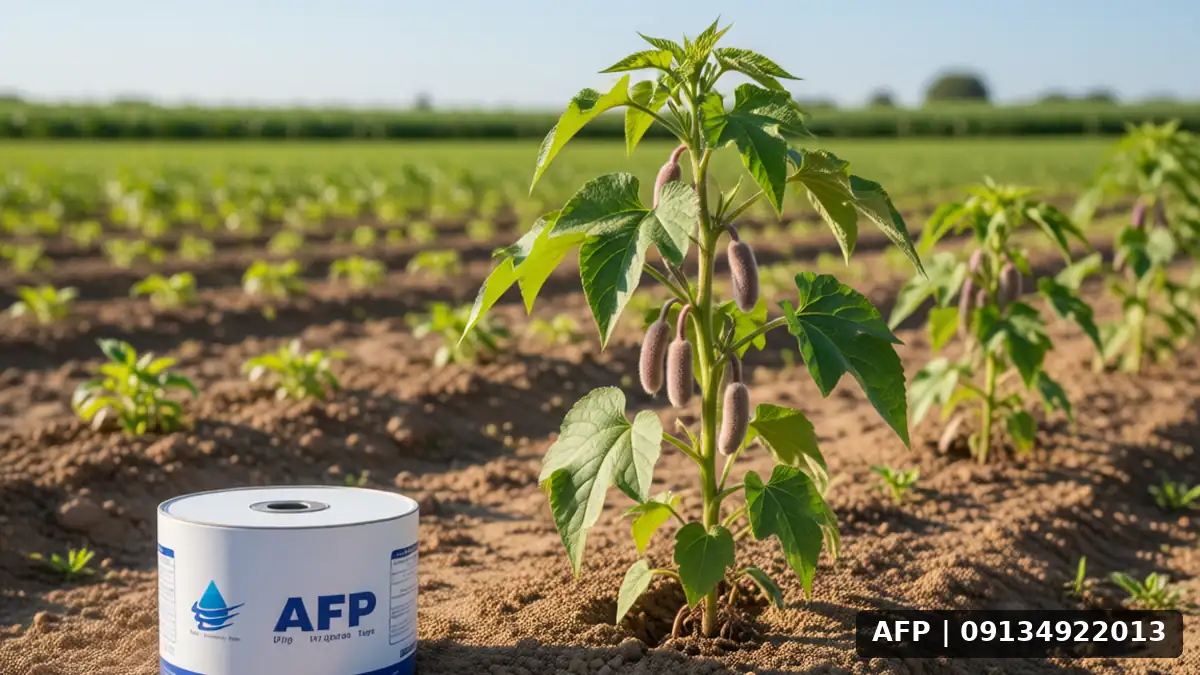
Soybean cultivation in controlled environments such as greenhouses is currently a primary strategy for achieving stable yields and high quality. In this approach, precise resource management, particularly water, plays a decisive role in cropping success. Irrigation of greenhouse soybeans The use of modern systems such as drip and fixed-line tape allows for the precise delivery of water to the plant root zone. These methods not only prevent water wastage but also create optimal conditions for balanced vegetative growth and biomass formation by maintaining desirable soil moisture. The following section explores the extensive applications of these systems in greenhouse soybean farms, along with practical and technical points that can significantly contribute to improving final performance.
Basic principles in greenhouse irrigation system design
Soybean is a taproot plant that requires adequate oxygen supply in the root zone. This characteristic makes the selection of an appropriate irrigation system sensitive. Drip systems prevent the leaching of soil nutrients by creating a controlled flow of water and maintain moisture concentration in superficial roots. On the other hand, fixed-line tapes, with their uniform water distribution at shallow depths, are useful for the early growth stages of greenhouse soybeans. In initial design, assessing soil type, land slope, and rooting capacity are critical steps. For example, in sandy soils with high permeability, dripper spacing should be closer and flow rate higher to ensure uniform wetting. Conversely, in clay-loam soils, low-pressure tape systems prevent waterlogging and fungal growth. Simultaneous optimization of irrigation and plant nutrition (fertigation) is also a significant advantage of these systems, enabling direct management of pH and EC of the water solution.
Practical applications of drip and band irrigation in the soybean growth cycle
Each soybean growth stage requires different irrigation parameter adjustments. From the seedling stage to emergence, high soil moisture is essential for rapid seed germination. During this phase, band irrigation with a steady flow and without creating mechanical pressure on delicate roots is a suitable option. As the crop reaches the vegetative growth stage, typically from the third week onward, water demand increases. Here, drip systems, due to better infiltration depth, can target deeper root zones. During initial pod formation and their development, water stress can reduce seed quality. Therefore, maintaining appropriate root tension through precise irrigation control is a key factor. Additionally, in high-density greenhouse cultivation, combined systems can prevent excessive competition between roots. For further optimization, one can also consider Soybean seed rate per hectare as planting density directly affects the water demand intensity per square meter and, consequently, the total water volume required per irrigation cycle.
Comparison of band irrigation technologies in soybean greenhouses
Selecting the type of drip tape is a key consideration in system design. Fixed spray tapes create a more linear and predictable irrigation pattern compared to spreading tapes. This feature is highly suitable for organized soybean planting lines in greenhouses. Fixed tapes with narrow spread widths concentrate moisture on the row, preventing irrigation of the inter-row space, which is generally not essential for soybean root development. Conversely, spreading drip tapes with broader coverage can help maintain soil moisture balance between rows in soils with lower water retention capacity. If the greenhouse soil contains compacted or heavy layers, high-pressure drip tapes may be used to achieve better infiltration. Additionally, using anti-clogging tapes with internal filters extends system life against sediments and plant debris that may be released from soybean roots. For a practical example of different types, consider the Fixed Spray Tape. Due to its simple structure and ease of maintenance, this type of tape offers better economic efficiency for high-volume greenhouse production.
Nutrient Management and Moisture Control through Drip Irrigation in Soybean Cultivation
Another important application of drip irrigation systems in soybean greenhouses is the precise plant nutrition through water. This method is known as “Fertigation” or irrigation-fertilization. Since soybean roots require mineral salts such as nitrogen, phosphorus, and potassium, nutrient solutions can be injected directly into the active root zone. This not only increases nutrient uptake but also reduces fertilizer spreading costs. In greenhouses, controlling air humidity through surface irrigation can prevent the spread of fungal rots affecting soybean leaves. Drip irrigation minimizes water contact with leaves by creating localized humidity. However, precise adjustment of water pH for each soybean growth stage is required. For example, during active growth, a slightly acidic pH (around 6.0 to 6.5) can improve the absorption of iron and other micronutrients. Additionally, based on the soybean yield guide per hectare, it is determined that nutrient and irrigation management directly affect seed weight and protein percentage; therefore, integrating these two processes is essential.
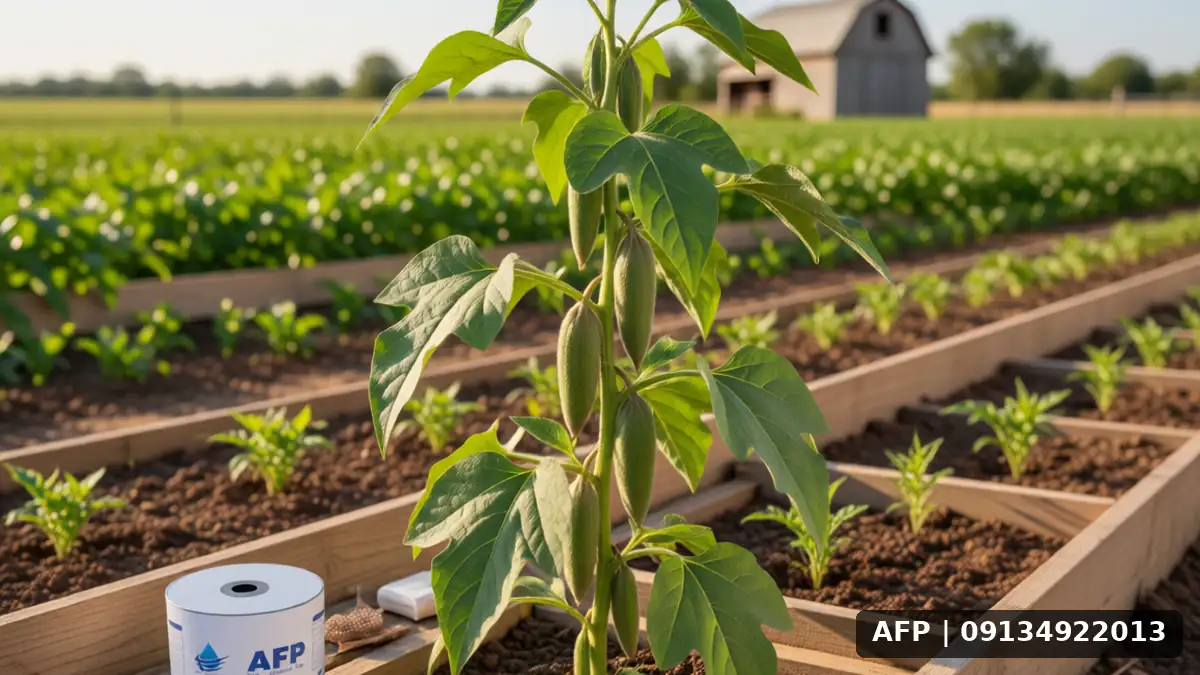
Practical tips for farmers and greenhouse growers
To optimize soybean greenhouse irrigation, observing the following practical points is of particular importance:
- Monitoring water quality: In soybean greenhouses, using high-salinity water can cause salt accumulation in the root zone and reduce soil effective moisture. Using disc filters and sand filters in drip systems prevents clogging of emitters.
- Operating Pressure Adjustment: For drip tape systems in soybean cultivation, the appropriate pressure is generally between 5 and 10 meters (50 to 100 centimeters of water head). Excessive pressure causes water to spray over unnecessary distances and increases evaporation.
- Irrigation Scheduling: Morning irrigation in heated greenhouses can positively affect soybean growth by increasing humidity and reducing salinity. During the cold season, irrigation with relatively warm water is recommended to prevent root shock.
- System Health Inspection: Monthly inspections of drip tapes and drip emitters to identify leaks and clogs are essential. Small leaks can lead to the formation of decay spots in the soil and fungal growth.
Additionally, when designing the system, consideration must be given to the thickness of transfer pipes and output flow rates. For soybean crops with medium density, drip tapes with a width of 12 or 16 millimeters are generally suitable options. In drip systems, selecting pressure-compensating emitters prevents flow rate drop at the end of the line. If your greenhouse soil has a heavy texture and low permeability, aerial drip tape can also be considered. Although this system is mostly used for taller crops, it can be applicable under specific conditions for taller Erbil soybeans.
Frequently Asked Questions (FAQ) about Greenhouse Soybean Irrigation
Is drip irrigation better for greenhouse soybeans than tape drip line?
Both systems can be effective. Tape drip line is suitable for surface coverage and weak roots during the early stage, while drip irrigation is better for precise nutrient delivery and better penetration depth during growth and pod-filling stages.
What should be the spacing between drippers in soybean cultivation?
This spacing depends on the dripper flow rate and soil type. For clayey soils with low permeability, a spacing of 20 to 25 centimeters is recommended. For sandy soils, a shorter spacing (approximately 15 centimeters) and higher flow rate are required.
Can warm water be injected into soybeans via the tape drip line system?
Yes, using water at moderate temperatures (not hot) during the early seedling stage of soybeans can accelerate root growth. This method is particularly useful in greenhouses used during cold seasons.
What is the best time to replace tape drip line in soybean cultivation?
Typically, single-season drip tapes require replacement after one soybean growing season in a greenhouse. If using longer-lasting polyethylene tapes, they can be used for up to two seasons, provided that soybean roots do not damage the tape.
Conclusion and Future Outlook
Greenhouse soybean irrigation using drip and tape systems is an efficient solution for resource management and yield optimization. By combining precise irrigation knowledge with practical considerations such as pressure adjustment, emitter spacing, and water quality maintenance, farmers can prevent water and nutrient losses and achieve higher-quality, more sustainable soybean production in greenhouses. Finally, to make better decisions, it is recommended to consult specialized resources and consider the specific conditions of each field. For example, studying the topic of Water yield of wheat per hectare As a related resource for dryland farming, it can provide a more comprehensive perspective on resource management across various agricultural sectors. The use of smart technologies such as soil moisture sensors and automatic control systems represents the next steps in modernizing soybean greenhouses and achieving dynamic agriculture.
Related articles: Comprehensive guide to bell pepper drip tapes: Increasing efficiency + key tips