Greenhouse Irrigation for Paprika Cultivation: A Comprehensive Technical Guide
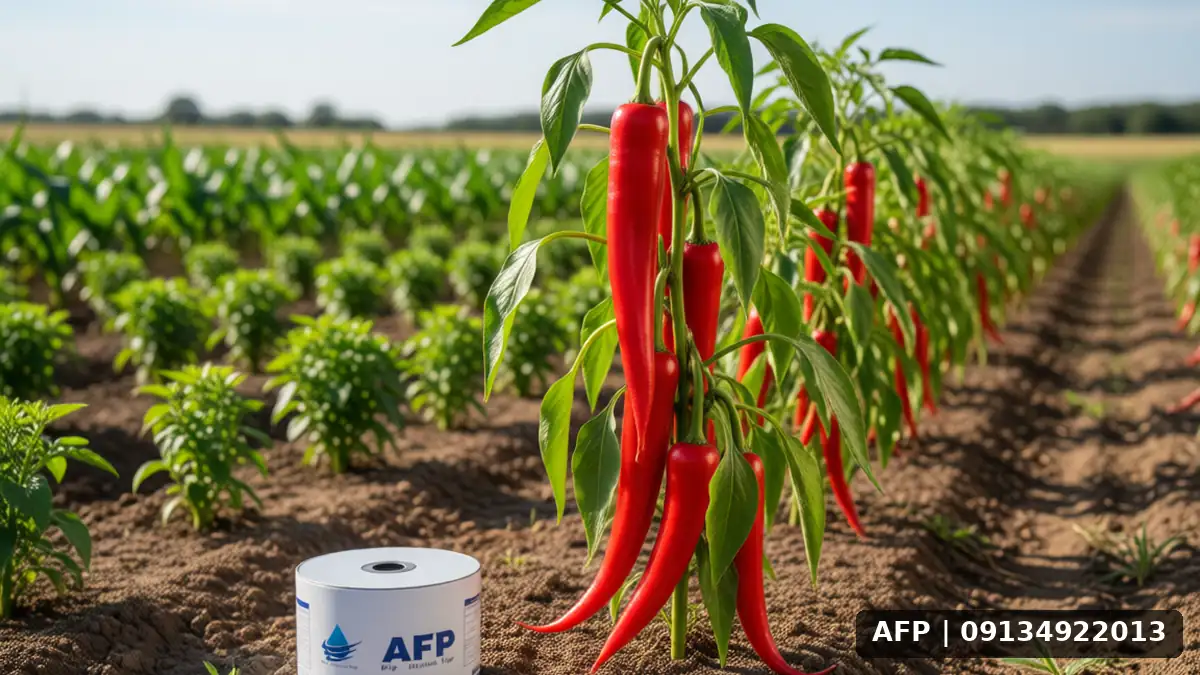
Bell pepper, one of the most popular vegetables in Iranian greenhouses, requires specific water and humidity conditions. Proper root zone management in the context of greenhouse bell pepper irrigation can make a significant difference in quality and yield. In this article, we take an in-depth look at modern irrigation methods, particularly drip and tape systems, to help farmers utilize water resources more effectively with greater awareness. Our goal is to provide a comprehensive guide that covers both technical aspects and practical tips.
The importance of irrigation management in bell pepper cultivation
Bell pepper is a crop highly sensitive to water stress, whether from deficit or excess. In a controlled greenhouse environment, managing soil and air humidity is of paramount importance. Localized irrigation systems, such as drip irrigation, allow water and nutrients to be delivered precisely to the root zone. This method not only reduces evaporation from the soil surface but also prevents water from wetting the foliage, thereby reducing the risk of fungal diseases. Understanding the daily water requirements of bell peppers based on leaf size, ambient temperature, and light intensity is the first step in designing an efficient irrigation system. Neglecting these parameters can lead to a significant reduction in yield and product quality.
- Pressure regulation: Maintaining constant pressure throughout the network to prevent uneven water distribution. Pressure must be adjusted to ensure a stable flow.
- Scheduling: Use timers or smart controllers to regulate irrigation cycles. This ensures consistent moisture levels.
- Monitoring EC and pH: Continuous control of the dissolved solids level and acidity of the nutrient solution. Sudden changes must be corrected.
Additionally, paying attention to the interval between irrigations and the duration of each irrigation event is the key to preventing over- or under-watering. Farmers should adjust their schedules based on different seasons of the year.
Structure of drip systems for paprika
In greenhouse cultivation, drip tape or drip tubing is commonly used. For paprika, selecting the appropriate Flow Rate is critical. Tapes with emitter spacing of 10 or 15 centimeters are recommended depending on the growing medium (husk, coco peat, or soilless). Using durable and rot-resistant tubing increases the system’s lifespan. Additionally, using appropriate filters at the system head is important to prevent clogging of the drip emitters. If a drip system is used, Return Lines must be employed to return excess nutrient solution to the system and prevent nutrient waste. These systems, especially in modern greenhouses with dosing pumps, offer more precise control. Proper calibration of locking valves also prevents water leakage.
Application of drip tape and its advantages
Tube tape drip is a cost-effective and widely used option in greenhouses, placed directly on the substrate of pots or bags. Its main advantage is the uniform distribution of water and the reduction of maintenance needs for more expensive hoses. To learn more about selection and installation principles, you can refer to the tube tape drip irrigation guide for chili peppers for Tajik farmers which has similar principles to those for paprika. In paprika cultivation, the placement of the tube tape drip below the soil or on the substrate is adjusted based on the type of cultivation (field or pot). In field cultivation, the tube tape drip is usually positioned 20 to 25 centimeters away from the main root to prevent root rot. In pot cultivation, the tube tape drip is inserted into the holes of the pot. Using tube tape drip with an appropriate thickness (such as 85 microns or more) ensures that the system lasts at least one full growing season. For additional information on extending the useful life of the tube tape drip, adhering to flushing and pressurization tips is crucial. Proper maintenance of the tube tape drip can significantly reduce replacement costs.
In addition, tube tape drip is highly practical in the limited space of greenhouses due to its lightness and flexibility. This feature makes it easier to arrange plants and facilitates access to roots for additional care.
Practical tips and soil moisture management
Paprika requires continuous and uniform moisture. Severe fluctuations in soil moisture cause fruit cracking and reduce peel quality. Therefore, the irrigation schedule should be based on weighing or moisture sensors. Using live data instead of mental estimates increases system accuracy.
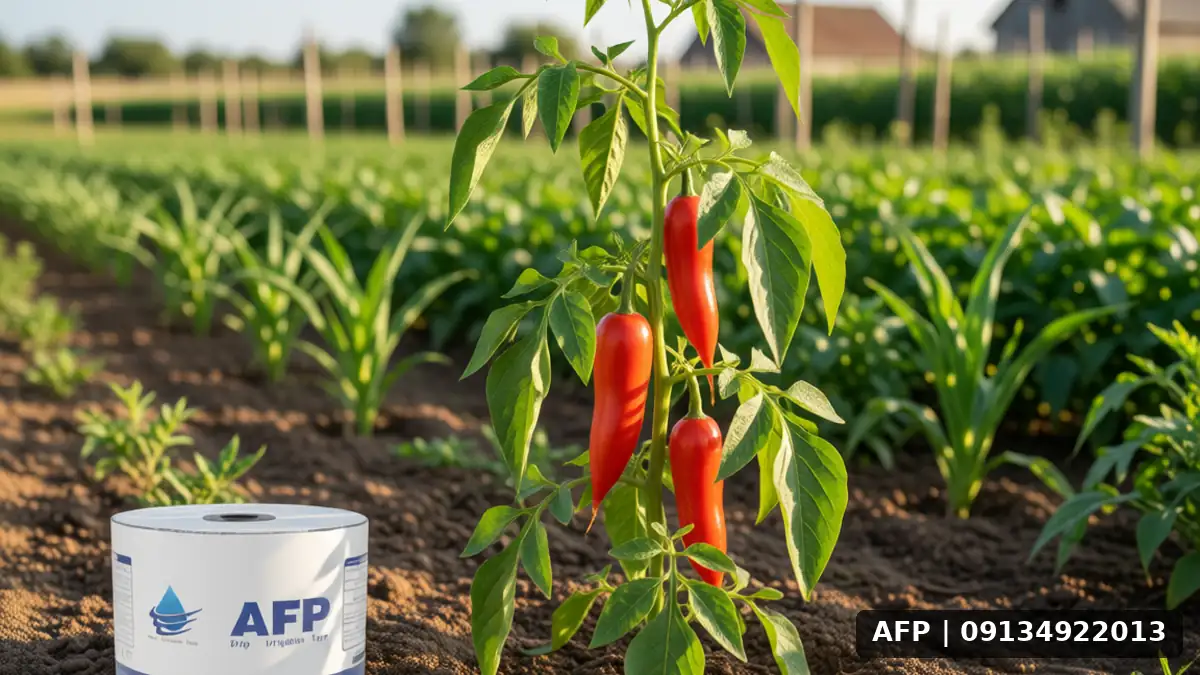
- Irrigation timing: Irrigation during the morning or late afternoon is recommended to prevent high temperatures from reducing root pressure. Additionally, temperature fluctuations are lower.
- Growth response: As the growing season progresses, the water requirements of bell peppers increase. During the fruiting stage, water demand is at its maximum and requires precise monitoring.
- Rest and yield: Use of nutrient solutions containing nitrogen and potassium in appropriate intervals along with irrigation water. Balance of nutritional elements is essential.
- Regular review: Inspect a dripper or T-strap line weekly to ensure there is no clogging. This is a preventive check.
Note: Similar irrigation systems are applicable for other vegetables as well. For example, the principles Comprehensive Guide to Tomato Drip Tape It can serve as a good model for designing hybrid systems in multiple greenhouses. Additionally, environmental factors such as outdoor air temperature and light intensity have a direct impact on the water needs of greenhouse interiors. Adaptability to changing conditions is important.
Frequently Asked Questions (FAQ)
Can drip tape be combined with a drip irrigation system?
Yes, in some large greenhouses, it is common to combine drip hoses for high-volume areas with drip tape for lower-volume areas or smaller trays. However, in uniform pepper cultivation, a single system is usually selected to avoid complex management. Simplicity in execution is always preferable.
How many drip tapes are needed per square meter of pepper?
Usually, each tray bed or cell with a length of 1.5 to 2 meters requires a dedicated drip tape. The spacing between tapes should be adjusted based on the depth of the main roots to ensure full root coverage. These settings may vary depending on different pepper varieties.
How can we prevent drip tape clogging?
Using magnetic or sand filters with 100-120 mesh screens, periodic flushing of the network with cold, high-pressure water, and monthly application of low-concentration disinfectants (such as Whitenox) are key factors. Additionally, the quality of the water source has a significant impact. Prevention is better than cure.
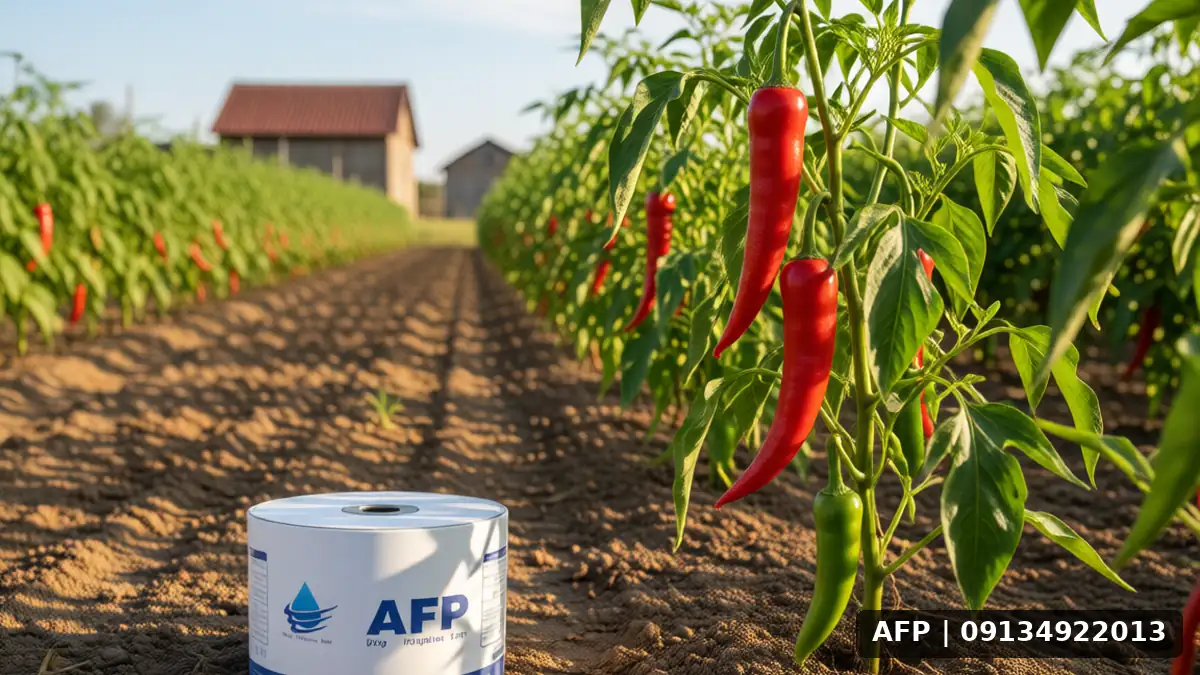
Can drip irrigation exacerbate root diseases?
If the system is properly designed, localized irrigation carries less risk than surface spraying because it concentrates moisture only in the root zone. However, if the air is very humid and ventilation is poor, high substrate moisture can contribute to substrate mold. Therefore, ventilation and air humidity monitoring are critical. Maintaining a balance between soil and air moisture is essential.
Conclusion
Greenhouse irrigation for bell peppers is a delicate process that requires precision at every stage, from installation to operation. The choice between drip and tape systems depends on the budget, cropping type, and the farmer’s level of expertise. The most important principle is maintaining uniform moisture and avoiding water stress. By adhering to monitoring, filtration, and pressure regulation principles, higher yields and better-quality produce can be achieved. It is always recommended to conduct field observations and small-scale trials before implementing a complete system to minimize potential malfunction costs. Investing in high-quality equipment ensures long-term returns.
Related Articles: irrigation tape squash guide, fasoolia yield per hectare iraq