Greenhouse Irrigation in Beet Cultivation: Benefits and Key Considerations
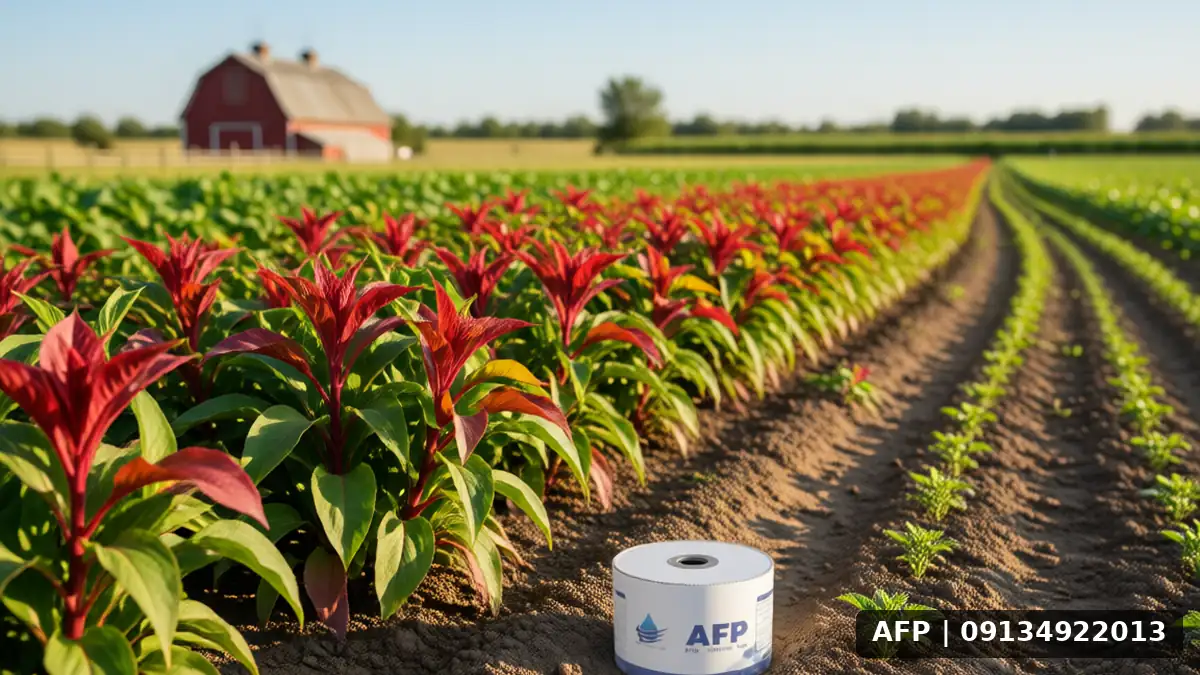
Beet cultivation in controlled environments such as greenhouses yields higher efficiency than open-field cultivation due to precise soil moisture management and reduced environmental stress. Greenhouse beet irrigation It is not only a fundamental requirement for balanced root growth but also a strategic tool for increasing yield volume and improving taste. The following section examines in detail the benefits of using advanced irrigation systems such as drip and tape.
Introduction to the importance of precise moisture management in beet cultivation
Sugar beet is a crop highly sensitive to fluctuations in soil moisture. Under dry conditions, root growth is halted and sugar concentration decreases; conversely, soil over-saturation disrupts root respiration and increases the risk of fungal diseases. Precise greenhouse irrigation enables fine-tuning of water availability at the root zone. This controllability is the key difference between modern irrigation systems and traditional methods. Utilizing new technologies reduces long-term operational costs and minimizes reliance on manual labor.
Economic and operational benefits of drip irrigation in greenhouses
Reducing water waste and optimizing resource consumption
Drip irrigation systems deliver water directly to the root zone with low pressure. This method keeps the soil surface moist while drastically reducing evaporation from the plant surface. Compared to sprinkler irrigation, water consumption can be reduced by up to 40%. Since water and pump energy costs constitute a significant portion of greenhouse production expenses, using this system—and specifically avoiding the drawbacks of traditional methods in favor of its benefits, namely reduced energy and water costs—is one of its key advantages.
Support for liquid feeding and EC management
One of the major advantages of drip irrigation in greenhouses is the ability to combine water with nutrient solutions (Fertigation). In beetroot cultivation, precise management of nutrients throughout the growth cycle directly affects root volume and sugar content. The drip system ensures uniform distribution of nutrition around the roots and prevents the accumulation of excess nutrients at any single point. This uniformity allows roots to absorb nutrients evenly and eliminates stress caused by sudden changes in electrolytes.
Application of strip drip irrigation and its difference from standard drip irrigation
Strip drip irrigation (Drip Line) is similar to standard drip irrigation but is designed with shorter spacing between emitters. This feature ensures that the soil strip around the roots remains continuously moist. For beetroot, which requires adequate space for the development of lateral roots, strip drip irrigation can be more effective than individual drip emitters because it distributes moisture over a deeper and wider profile. This method plays an effective role in creating an appropriate moisture environment, especially during early growth stages when roots are not yet fully developed. To better understand the technical mechanisms, study Rainfall amount per hectare for fava beans can provide a model for precise water requirement calculations for root crops beyond beetroot. Although the specific figures for beetroot differ, the calculation logic is similar.
Positive impact on beetroot quality and taste
Prevention of root diseases
A significant advantage of subsurface irrigation in greenhouses is the reduction of relative humidity around the plant canopy and stems. In sugar beet, root diseases such as rot and Pythium wilt typically flare up under repeated wet-dry cycles and high soil surface moisture. By maintaining moisture at depth while keeping the soil surface dry, yields in tons per hectare benefit from reduced disease damage. Specifically, drip irrigation reduces soil-borne pathogens and decreases the need for preventive fungicides, which lowers production costs and ensures a more stable crop.
Faster greening and early maturation
Sugar beets grown under precise irrigation without moisture stress experience faster greening. This allows farmers to shorten the production cycle and increase the number of crops per year. Faster growth means more efficient use of greenhouse space and an increased number of planting cycles annually.
Practical tips and guide for installing irrigation systems
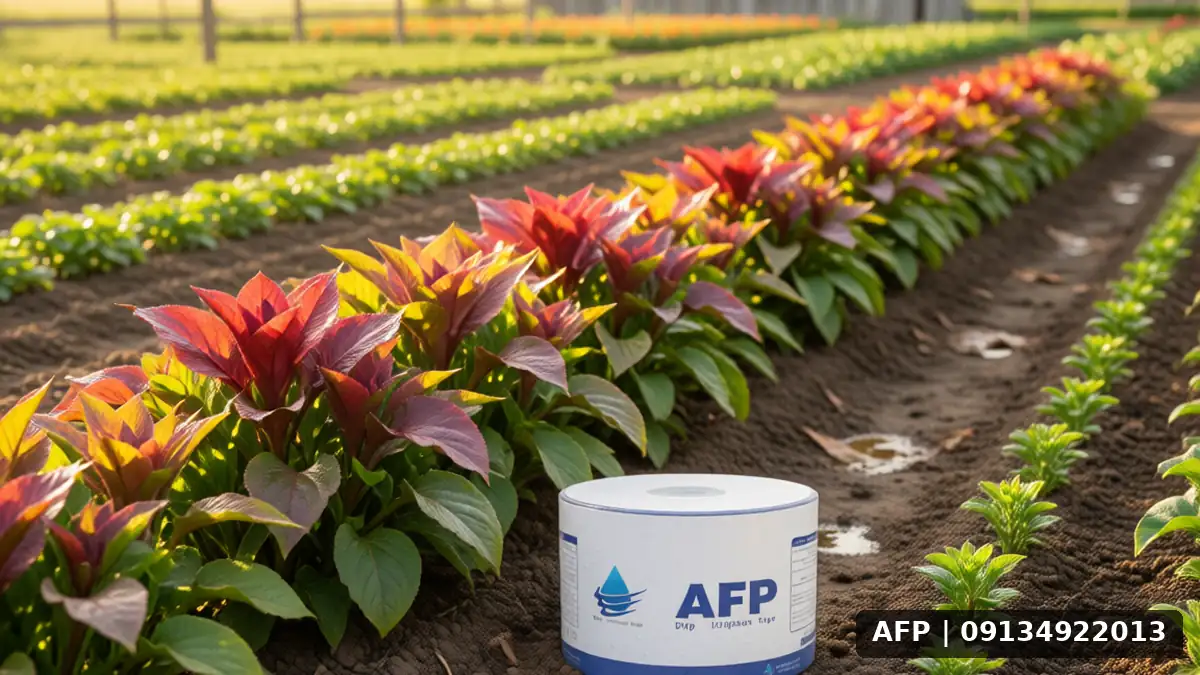
- Selecting the appropriate tube diameter and drippers: Based on the planting distance of sugar beets, select constant flow rate drippers to ensure uniform water distribution. The use of self-flushing drippers is recommended to reduce chemical sedimentation.
- Periodic soil leaching:: In greenhouse systems, to prevent salt accumulation around the roots, a specific amount of water must be directed to flush dissolved substances out of the adhering basins or drainage areas at the end of each irrigation cycle. Do not miss reading the key points before installing the drip tape to prevent post-installation issues.
- Coordination with drainage systems: Modern greenhouses are equipped with internal drainage systems that prevent root waterlogging. The irrigation system installation must be completed before planting and simultaneously with pre-planting site preparation.
Frequently Asked Questions (FAQ)
Is drip irrigation suitable for small-scale beet cultivation?
Yes, it is fully suitable. By using very low-flow emitters (e.g., 1 to 2 liters per hour), the water required for the germination and early growth stages can be provided without causing salt stress or physical damage to the plants.
What is the best time of day for irrigation in controlled greenhouses?
In greenhouses, irrigation timing is no less important than controlling the external weather; however, early morning or evening is generally optimal to minimize evaporation and maintain controlled air humidity. Automated systems are typically calibrated based on temperature and EC profiles.
What is the primary difference between drip and micro-sprinkler systems in terms of crop performance?
Micro-sprinkler systems moisten a larger area of soil around the root zone, which is more beneficial for plants with wide, shallow root distributions. Drip systems create more precise application points, which are more efficient when water requirements are very low and strictly controlled.
Conclusion and Future Outlook
The future of beetroot cultivation in water-scarce countries will shift toward greenhouse production and subsurface irrigation. Investing in precision irrigation systems involves initial costs but yields significant long-term economic and environmental benefits. Integrating soil moisture sensor data with micro-sprinkler technology enables smart irrigation management. We recommend selecting subsurface drip or other systems suitable for specific conditions and consulting irrigation specialists to optimize irrigation systems in beetroot greenhouses.
Related Articles: Everything About Subsurface Irrigation, harisnoqi i juvi shashparra dar yak hektor, What is drip irrigation? Features of D987D8A7 D988; Disadvantages