Greenhouse Irrigation for Fennel Cultivation: Optimizing Costs
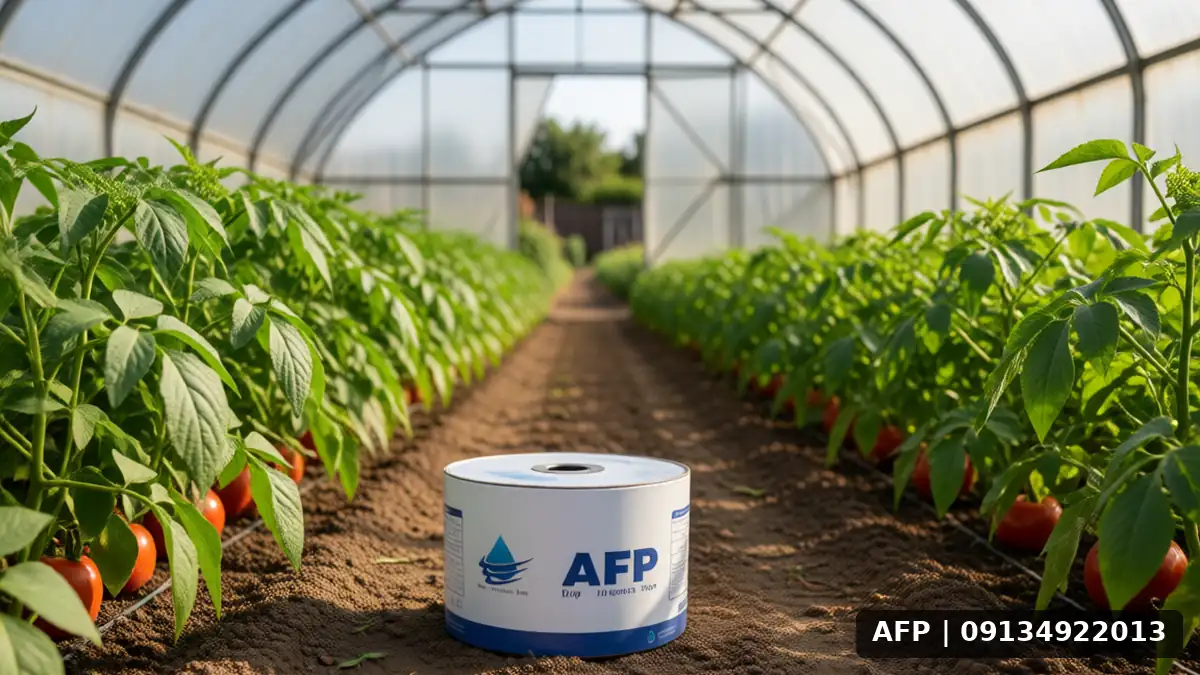
Greenhouse cultivation of fennel is a highly profitable and dynamic sector of modern agriculture. When accompanied by correct water and light management principles, it can generate significant economic returns. Among the success factors, the irrigation system plays a key and sensitive role. The correct selection and implementation of irrigation affect not only plant growth but also directly influence current production costs, pumping energy consumption, and final product quality. This article focuses on Greenhouse irrigation for fennel seeking the optimal point for cost-efficiency.
Introduction: The importance of cost optimization in greenhouse fennel cultivation
Fennel (Foeniculum vulgare) is a perennial plant from which fronds are harvested. In Iranian greenhouses, fennel is sometimes cultivated under controlled conditions due to its specific temperature and humidity requirements to ensure uniform growth and prevent fungal infections. The largest component of fixed and variable costs in a greenhouse is energy expenditure for ventilation and irrigation systems. Optimizing the water cycle means reducing electricity consumption for pumps and lowering water treatment and filtration costs. Since fennel requires deep and extensive roots with sufficient moisture without waterlogging, selecting the irrigation method, whether in arid areas or small greenhouses, requires high technical precision.
Irrigation system selection: Drip or micro-ribbon?
In greenhouse cultivation, there are two main methods for meeting plant water needs: drip irrigation and micro-ribbon/drip tape irrigation. Each of these systems has specific advantages and disadvantages, and the choice between them depends on the business model, greenhouse space, and growing medium type (soil, solution, or hydroponic).
Characteristics of drip irrigation in fennel cultivation
A drip system is suitable for situations where plants are grown in individual pots or separate planters. In this method, water pressure is lower, and the central pump can operate with less energy. Since cilantro is a plant that requires uniform moisture, smart drip emitters can precisely adjust the amount of water based on the plant’s age. If your growing medium contains lightweight materials such as perlite and coco coir, drip irrigation prevents water from pooling in one spot and developing rot.
Application of drip tape and cost management
Drip tape is typically used for row crops in garden beds. In greenhouses, using drip tape can reduce initial installation costs, as it does not require separate drip emitters. However, maintaining the tape, cleaning it, and replacing it if damaged creates ongoing overhead costs. For optimal cost irrigation, it is necessary to estimate whether the cost of repairing and replacing tapes over the growing season is higher or lower than the cost of high-quality drip emitters.
Visual comparison of drip and drip tape systems in a greenhouse
Optimizing energy consumption and reducing ongoing costs
The main objective of irrigation optimization is to achieve maximum growth at the lowest possible cost. This means finding the balance between water quality, dosing accuracy, and consumption estimation management. The following are practical strategies for reducing operational costs:
- Using soil moisture sensors: Installing soil moisture sensors in the coriander root zone enables irrigation only when there is an actual need. This can reduce water consumption by up to 25%.
- Scheduling irrigation during off-peak hours: If you use electric pumps, running the irrigation schedule during off-peak electricity rates reduces energy costs. Many smart greenhouse systems have this capability.
- Appropriate treatment and filtration: Using appropriate filters (such as screen or sand filters) prevents clogging of drippers and laterals. The cost of cleaning or replacing clogged components is a significant part of overhead expenses. To learn about filter selection principles and similar systems, you can use the drip line selection guide and use relevant technical resources.
- Production estimation management: Understanding the factors affecting crop yield helps you manage irrigation in accordance with the actual field potential. Studying the vegetable yield guide per hectare can provide better insight into your economic efficiency.
Practical technical tips for dill cultivation using drip and tape systems
The correct application of these systems requires precision in installation and adjustment. Here are the operational guidelines that must be followed by agricultural engineers and greenhouse managers.
Correct installation of irrigation systems
- Pipe Alignment: Ensure that main and lateral pipes are correctly installed along the rows to achieve uniform pressure distribution.
- Use of Safety Valves: Installing pressure relief valves and leak-off valves prevents costly damage. For more information, it is useful to read the key points before installing drip tape in the field.
- Pressure and Flow Testing: Before planting, run the system without crops to ensure leak-free performance and more uniform pressure.
Management of Dill Planting Bed Moisture
Dill requires light and friable planting beds. If using hard beds (heavy topsoil), the likelihood of needing deeper rooting is higher, and consequently, the irrigation system must have the capability to adjust depth. In hydroponic or solution cultivation, precise control of pH and EC in the nutrient solution with irrigation water is critical. Accurate monitoring of these parameters reduces the cost of additional testing.
Interior view of the greenhouse with drip irrigation systems in operation
Economic evaluation and return on investment
To determine cost-effectiveness, the overall economic yield of the process must be calculated. Main costs include: system purchase and installation, water costs, pump energy costs, water treatment costs, and maintenance and repair costs. Return on investment occurs when the profit from selling fenugreek exceeds all these costs. Higher-quality initial systems, which may be more expensive, can be more economical in the long term regarding maintenance costs and useful life.
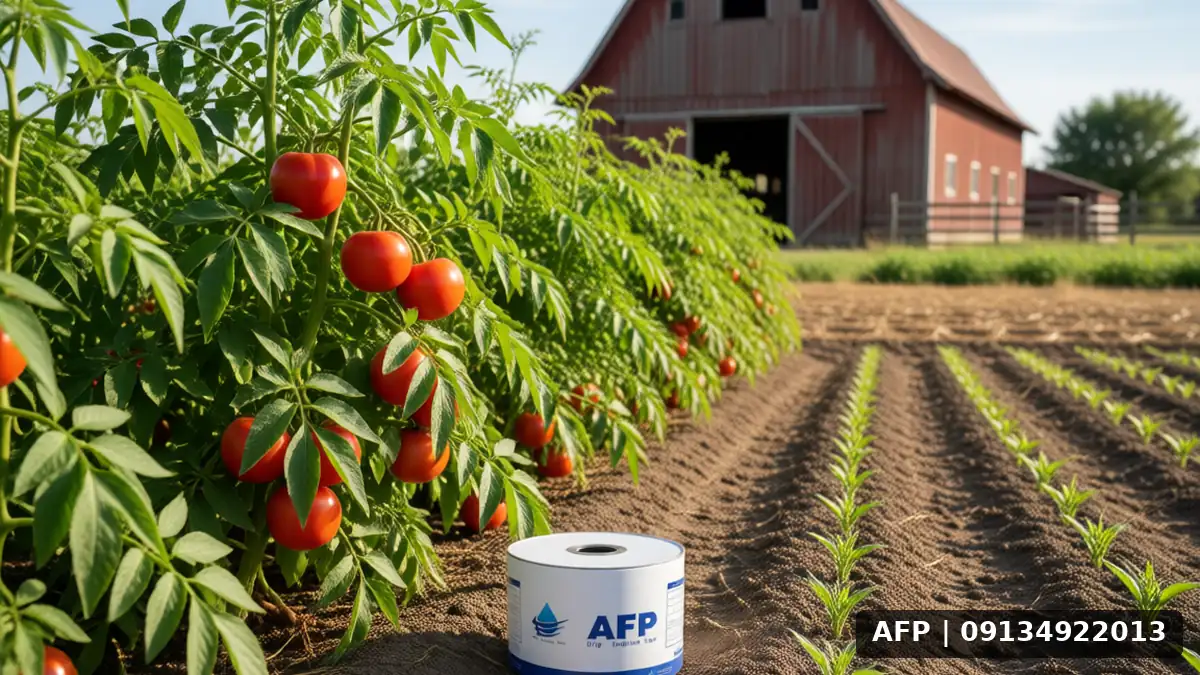
Additionally, paying attention to export and domestic markets is important. As demand for organic and pesticide-free foods increases, the ability to prove the use of optimized water and energy resources can create a competitive advantage. Familiarity with various business models, including comparisons with other farms, helps in benefiting from others’ experiences in reducing costs.
Frequently Asked Questions (FAQ)
What is the best time for irrigation of fenugreek in a greenhouse?
Generally, early morning or evening is when humidity requirements are lower. Under conditions of extreme heat, multiple small-dose irrigations per day are better than one heavy irrigation to prevent waterlogging.
Is drip tape irrigation cost-effective in small greenhouses?
Generally, no. The installation and maintenance costs of drip tape in small spaces are very high. For small greenhouses, drip systems with adjustable emitters are a better option. Using a comprehensive guide for cucumber cultivation with drip irrigation can serve as a model for managing more precise systems for similar vegetables.
How can savings on water and energy costs be maximized?
By installing smart shut-off valves, utilizing off-peak tariff hours for irrigation, using appropriate filters to reduce clogging, and precisely monitoring soil moisture. Additionally, employing humidity management methods such as green roofs and shading structures can reduce the need for cooling, thereby lowering energy costs.
Conclusion and Final Recommendations
In pursuing cost optimization for greenhouse fenugreek irrigation, combining technical knowledge, selecting the correct system, and continuous monitoring are the keys to success. Using new technologies such as moisture sensors and greenhouse management software can significantly reduce labor costs. Although investing in high-quality systems may appear expensive initially, it offers a better long-term return on investment.
To gain more information and expand your technical knowledge in related agricultural fields, you can refer to supplementary articles such as Crop Path per Hectare and other resources. Finally, it is recommended to consult with a greenhouse specialist before making any changes to the irrigation system to ensure the system is adapted to the specific conditions of the greenhouse and the local climate.
Related topics: alfalfa seed per hectare iraq