Greenhouse Dill Irrigation: A Comparative Guide to Drip and Tip Line Systems
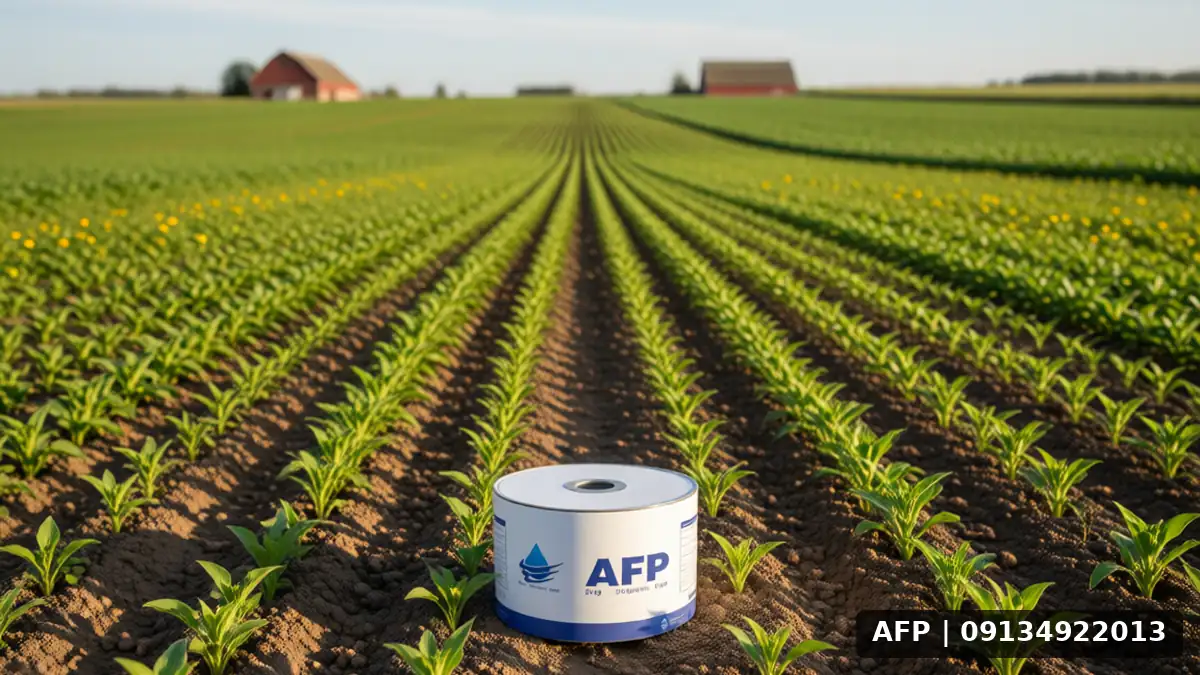
Cultivating coriander under greenhouse conditions poses a significant technical challenge in the vegetable production industry due to the plant’s sensitivity to precise humidity and temperature control. Selecting an appropriate irrigation system plays a decisive role in root health, preventing fungal diseases, and ultimately determining product quality. In this article, we aim to conduct a detailed technical examination to compare the two main methods, namely drip irrigation and tape irrigation in the context of coriander cultivation, enabling farmers to make the best decision based on their greenhouse climate conditions and investment.
Introduction to Irrigation Management in Coriander Greenhouses
Coriander is a plant whose delicate roots show high sensitivity to both drought and waterlogging. Therefore, uniform water distribution in the root zone is critical. In recent years, pressurized irrigation technology has seen significant advancements. Although coriander is primarily grown outdoors, year-round production of higher quality is becoming more common in equipped greenhouses. Here, soil moisture management is more complex than in open fields, as artificial intelligence and sensors must operate simultaneously alongside the mechanical components of the irrigation system. Understanding the fundamental differences between drip and tape irrigation is the first step toward reducing water waste and increasing efficiency. Additionally, the system’s flexibility in adapting to indoor greenhouse climate changes is a key criterion for evaluating its performance.
Drip Irrigation: Point-to-Point Precision
The drip irrigation system refers to the use of emitters with specific output rates (typically 1 to 4 liters per hour). In coriander cultivation, emitters are usually installed in two lines adjacent to the plants. The main advantage of this system is the ability to precisely manage irrigation for each plant. This feature is particularly valuable in greenhouses that use artificial intelligence or automated control, as it allows adjusting the timing and amount of water based on plant age (for example, young coriander versus mature plants). Due to rapid lateral growth, coriander requires root zone expansion; in a drip system, emitter spacing can be adjusted as the plant grows (dynamic installation). However, the risk of clogging small emitter holes with suspended particles in water or sedimentation doubles the need for a high-quality water filtration system.
Tipe strip irrigation: sandy coverage and uniformity
In contrast, drip tape irrigation uses plastic tapes with small, continuous holes to emit water as a fine mist along the line. This system is highly suitable for leafy vegetables like dill, which are typically planted in dense rows. Drip tape offers a lower initial cost and faster installation. From an operational perspective, drip tape creates a continuous flow along the row, keeping the soil surface moist without causing waterlogging. For dill, which has shallow root systems, this continuous surface moistening is ideal. However, the main challenge of drip tape in greenhouses is the risk of rot or physical breakage due to farm worker movement or high ambient humidity. Additionally, precise control is slightly more difficult compared to drip systems, as water is emitted uniformly from the entire length of the tape, offering less opportunity for localized adjustment based on specific deficiency points.
Technical comparison between two methods
To better understand the differences, these two systems can be compared across several key indicators:
- Total Cost: Drip tape is generally less expensive and requires seasonal replacement. Drip systems have a higher initial investment cost but offer a longer useful life (5 to 10 years).
- Water Consumption: Both methods are efficient; however, drip systems better facilitate minimizing evaporation by allowing irrigation during cooler hours of the day, while drip tape, due to its greater surface area coverage, is more sensitive to greenhouse air circulation.
- Growth flexibility: Dill has a dynamic root system. Separate drip emitters allow you to synchronize the irrigation center with bush growth by relocating the line. Tape irrigation is limited unless long tapes with variable orifice spacing are used.
- Plant hygiene: Dill is susceptible to leaf diseases such as powdery mildew. Tape irrigation, which distributes water directly into the soil, reduces leaf moisture more than a spray system. However, if drip emitters are installed in a hanging configuration, the risk of water dripping onto lower leaves is reduced.
Practical tips for greenhouse implementation
In choosing between these two, your greenhouse conditions are the deciding factor. If your greenhouse has smart automation and budget for long-term maintenance, Drip irrigation with uniform filters and UV purification, is the choice for maximizing efficiency. This method puts less stress on the plant in long-term dill crops, especially under severe heat conditions. Conversely, if your dill crop is seasonal and you need speed in setup, drip tape is the better option. A key consideration when using drip tape is positioning it parallel to the fenugreek row and ensuring full coverage of the root zone. For fenugreek, row spacing is typically 30 to 40 centimeters; therefore, selecting drip tape with an appropriate emitter spacing (for example, 15 centimeters) is critical. Additionally, maintaining the filtration system is mandatory to prevent the small emitters from clogging in both methods.
Impact of Irrigation Method on Fenugreek Quality and Yield
Fenugreek quality, in terms of yield per hectare and leaf freshness, is directly related to irrigation uniformity. With drip tape, dry spots are more likely to occur at the beginning of rows if water pressure is not uniform. To compensate for this deficiency, pressure regulators can be used at the end of the lines. Drip systems offer more uniform distribution but have higher maintenance costs. Physiologically, fenugreek responds positively to mild water stress (provided it does not lead to drought stress), which increases the concentration of active compounds. This precise adjustment of irrigation cycles is achieved in drip systems using local temperature controllers, which offers a definite advantage over drip tape. However, for high-volume production and bulk consumers where total cost is decisive, industrial-grade drip tape is a reliable choice for balancing cost and quality.
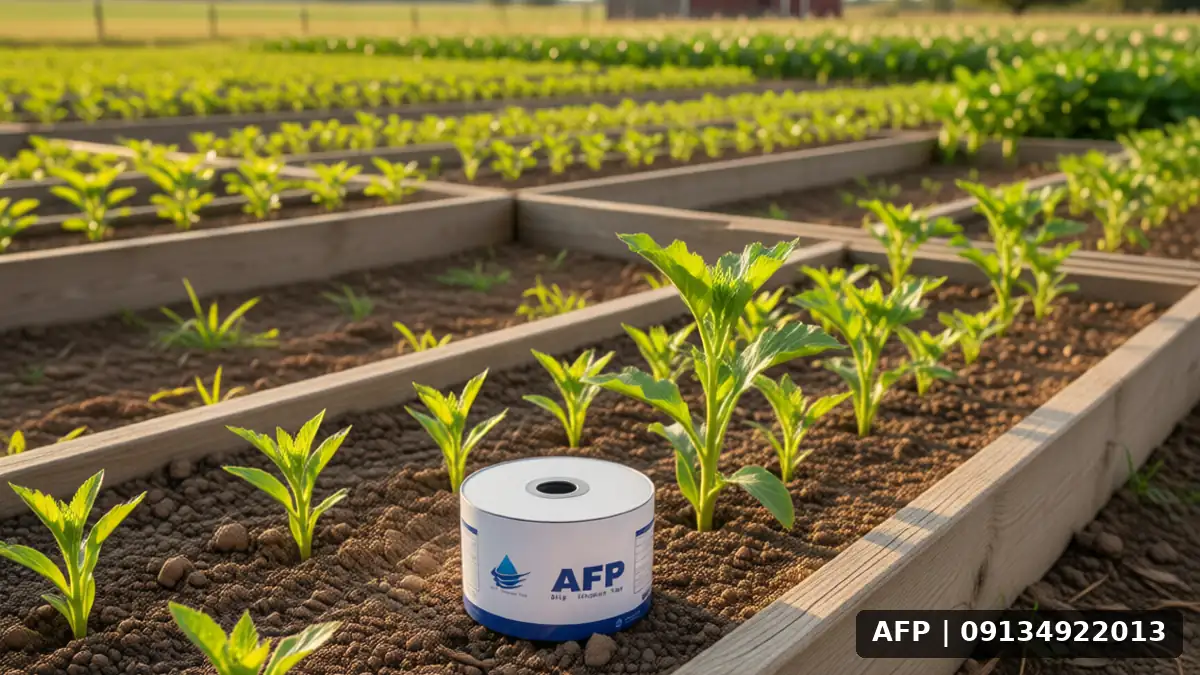
Frequently Asked Questions (FAQ)
Which system is more suitable for small greenhouses?
For small greenhouses with manual management, drip tape is an attractive option due to its ease of installation and lower cost. However, if automation is possible, drip irrigation ultimately provides higher efficiency.
Does drip tape irrigation pose any risk of root diseases for coriander?
No, if soil moisture is managed, drip tape carries less risk than rain irrigation. The main issue with drip tape is if it breaks, which leads to uneven water distribution. Daily visual inspection is essential.
What is the role of coriander planting spacing in selecting an irrigation system?
Planting spacing directly affects the selection of pipe diameter and emitter spacing. For coriander with 25–30 cm spacing, drip tape with 15 cm spacing is suitable. For wider spacings, individual drip emitters offer greater flexibility.
Summary and final recommendation
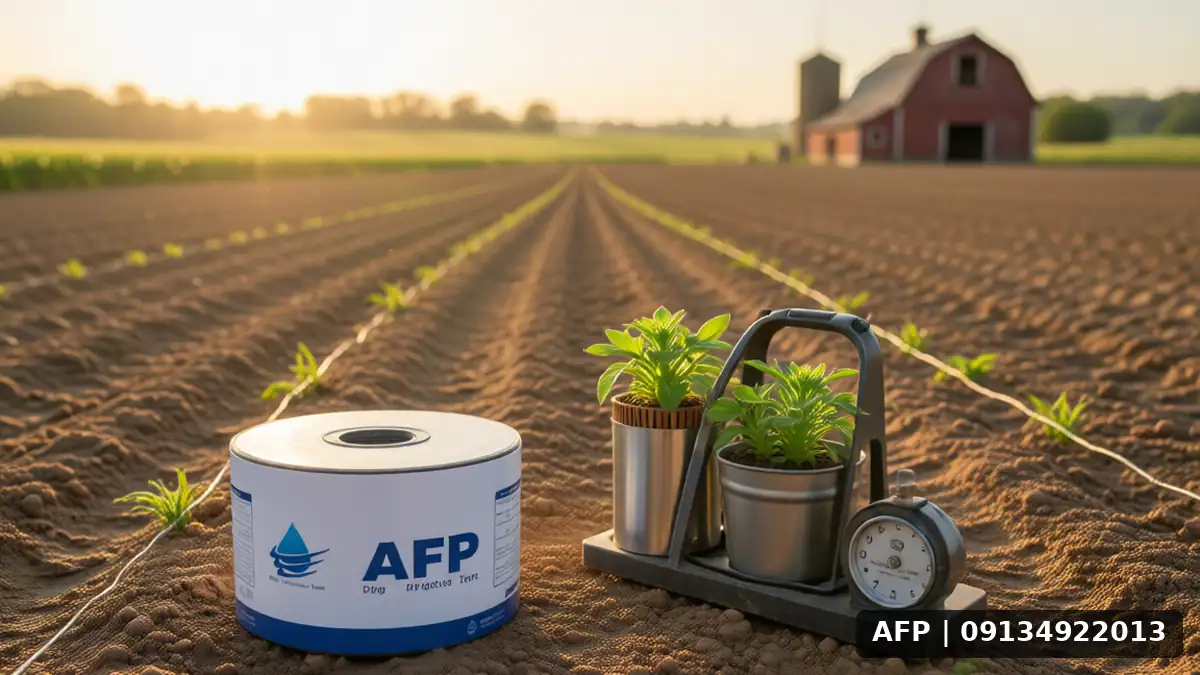
Choosing between drip and drip tape irrigation for greenhouse coriander cultivation is a strategic decision. Drip irrigation It offers superior accuracy, control, and lifespan, and is recommended for advanced greenhouses and sustainable cultivation. Tip line With its annual reuse capability and low cost, it is a more practical option for producers focused on cost efficiency and speed. In both cases, water quality and the filtration system play a critical role in maintaining the health of the irrigation system and plants. The correct combination of the irrigation system with proper management of greenhouse light and temperature is key to achieving desired cilantro yields. To better understand the general principles of selecting an irrigation system suitable for a specific crop, reviewing relevant specialized guides can be helpful, such as Tip line usage training which covers technical details of installation and maintenance. Additionally, for those seeking further optimization of production processes, reviewing Vegetable seed rates and planting meters for alignment with greenhouse space is recommended. Ultimately, continuous monitoring of irrigation system performance is key to success in greenhouse cilantro cultivation.
Related articles: 2inch cotton irrigation tube guide, Parsley yield per hectare