Greenhouse Irrigation for Coffee Cultivation: Drip vs. Trickle Band System Comparison
Introduction to the Importance of Moisture Management in Sorghum Cultivation
Grain sorghum cultivation, particularly of commercial Sorghum varieties aimed at high-quality grain production, is a major challenge for modern producers. Although this crop is known for its drought tolerance, it requires a precise and regular irrigation regime to reach its maximum growth potential and grain yield. In greenhouses or semi-industrial crops where climate control is critical, selecting the appropriate irrigation method plays a decisive role in the final outcome.
Two main methods in this field are the Drip Irrigation System and the Tape Irrigation System (Tape Irrigation). Each of these methods has specific advantages and disadvantages. While drip irrigation has traditionally been recognized as the gold standard for high precision, tape irrigation has recently gained attention due to the rapid infiltration of water into the deep soil profile and uniform root zone coverage. This article provides a technical comparison of these two methods in the context of Sorghum cultivation.
Technical Analysis of Tape Irrigation Systems in Greenhouse Soil Textures
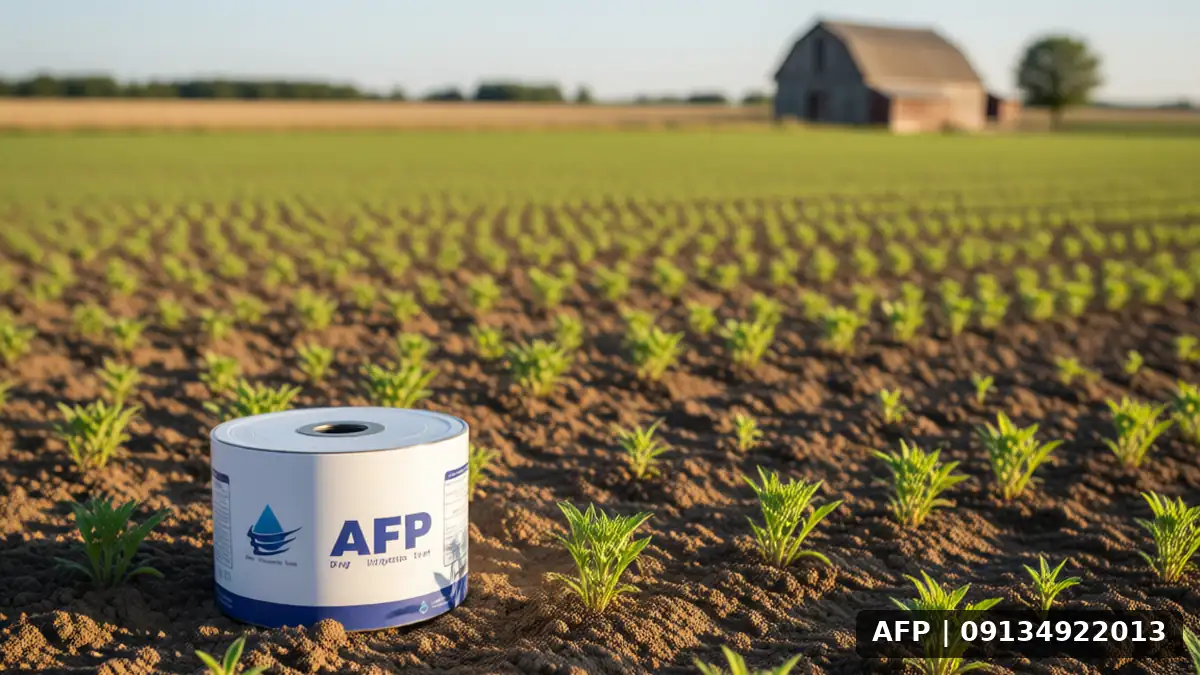
The tape drip system consists of thin plastic hoses with porous walls that release water in miniature amounts, distributing it across the surface and roots. In coffee cultivation, which is typically planted in rows, the drip tape is installed directly beneath the plant rows. This feature ensures water is delivered directly to the Root Zone, reducing evaporation from the soil surface.
One of the strengths of drip tape is its ability to operate at low pressure. This means that in greenhouses with central pumping systems, lower pressure can be used for irrigating fields, thereby reducing pump energy consumption. Additionally, in light soil textures common in greenhouses, drip tape increases the rate of water infiltration to greater depths. This is highly beneficial for coffee plants, which have strong vertical root systems. However, it should be noted that in very fine-textured soils, flow distribution may be affected.
To better understand drip tape performance under various conditions, studying tape irrigation monitoring and management can provide a useful guide for addressing potential issues. This system requires higher water filtration to prevent clogging of the micro-emitters. Since coffee has a relative susceptibility to root fungal diseases under high humidity conditions, balancing soil moisture and greenhouse ventilation using drip tape is essential.
Comparison of water usage efficiency between drip irrigation and drip tape
Drip Line irrigation remains the most popular method for high precision in greenhouse systems. Drip emitters can provide a more uniform output rate and ensure even water distribution over a smaller radius around the root zone. This feature makes Fertigation alongside irrigation highly controllable. For coffee plants that require precise nutrition during their sensitive flowering stage, controlling water flow at drip emitters is a major advantage.
However, from the perspective of water use efficiency, drip-tape is superior under certain conditions. In drip-tape, water is distributed minimally along small lines, preventing water accumulation at specific points (drip points). This even distribution results in more uniform soil moisture. In contrast, drip emitters can sometimes create dry spots between exit points. For a more precise assessment of water requirements and to compare the efficiency of both systems, studying the yield per hectare can serve as a benchmark for calculating water productivity.
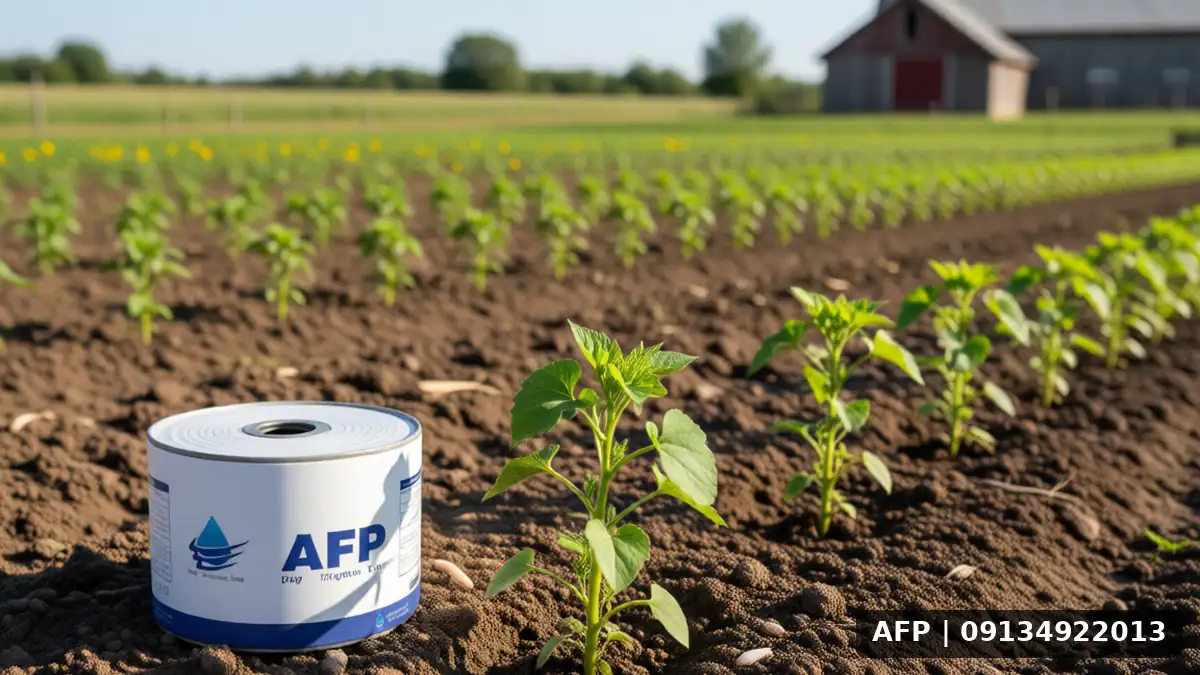
The table below presents a preliminary comparison of these two systems:
Impact of irrigation method on coffee bean quality
Coffee bean quality is directly dependent on moisture management during the flowering and fruit ripening stages. Irrigation stress at this stage can reduce protein percentage and alter grain color. Tape drip systems, due to their uniform moisture distribution, can minimize soil moisture fluctuations and result in more uniform beans. Conversely, if not properly calibrated, drip systems may create dry and wet zones, preventing a uniform bean filling rate during the final stages of ripening.
Accurate data is essential to optimize irrigation operations and improve final yields. Study Seed quantity per hectare Although related to a different crop, it demonstrates the calculation pattern required to determine irrigation rates based on planting density. You can apply the same logic to determine the exact water requirement for Espress at each growth stage.
Practical tips for successful system implementation in greenhouses
- Using appropriate filtration: Given the sensitivity of dripline tape to sediment and suspended solids, the use of screen or sand filters with a fine mesh size (e.g., 120 mesh) is mandatory. This is more important for pressure-compensating drippers, but it is critical for dripline tape.
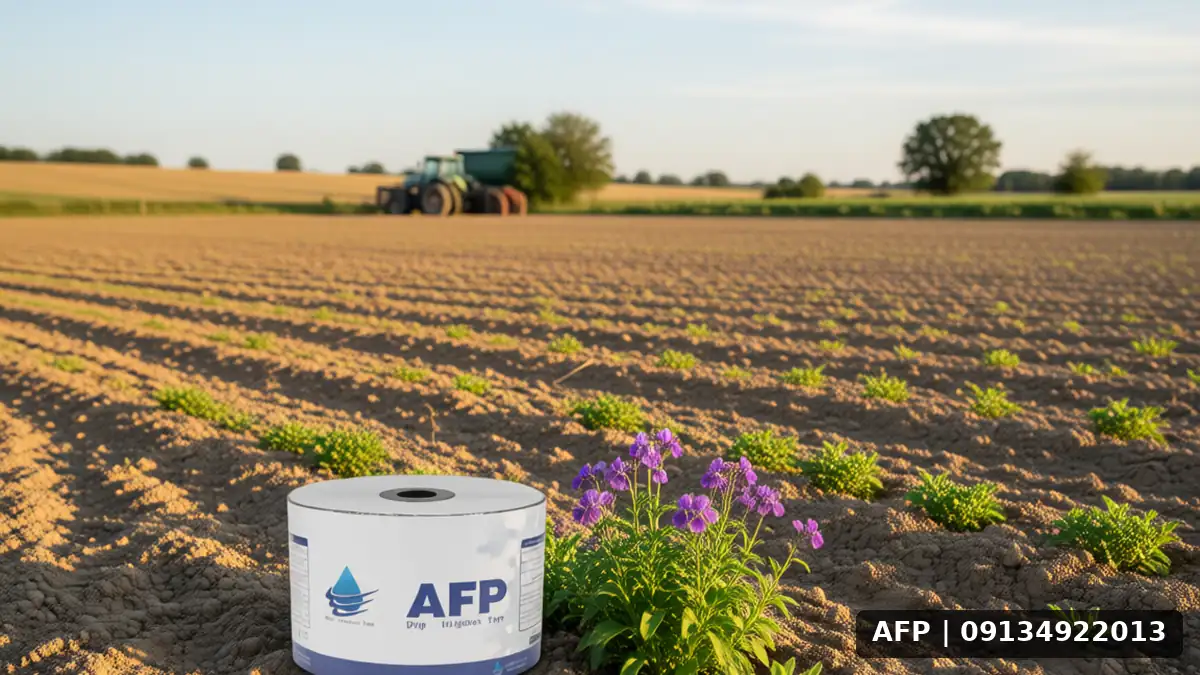
- Seeding kit: In greenhouse espresso cultivation, high-precision seed planting is performed. The drip tape must be installed during or after seed sowing, along the planting row. Studying the lentil seed quantity per hectare can serve as a reference for seed density calculations when planning tape layout in the greenhouse.
- Pressure Monitoring: The operational pressure of drip tape is generally lower than that of drip lines. Installing manometers at various points in the greenhouse is essential to ensure uniform pressure in the rows. Pressure drop can cause instability in water discharge from the tape.
Frequently Asked Questions (FAQ)
Is drip tape suitable for all soil textures in the greenhouse?
No. Drip tape may have difficulty with uniform water distribution in heavy clay soils. In such cases, a drip system with liquidizer drippers provides better performance. The best choice is determined based on soil texture analysis.
What is the main cost difference between drip lines and drip tape?
The cost of drip tape system components (tape, fittings) is generally lower than that of drip line systems (drippers, connectors). Drip tape installation is also faster and requires less precision in the placement of drippers.
Can tube drip be used for fertigation?
Yes, it can. However, due to the narrow width of the tube, salt concentration may become higher in areas close to the roots. If you choose a drip system, controlling fertigation is easier. For tube drip, it is best to slightly reduce the nutrient concentration.
Final Summary and Expert Recommendation
The choice between drip irrigation and tube drip in greenhouse coffee cultivation depends significantly on the precision of soil moisture management during the sensitive flowering period. If your priority is high-precision fertigation and resistance to clogging of small filter screens, a drip system with adjustable emitters is a better option. However, if your goal is to reduce energy consumption, achieve quick installation, and ensure uniform moisture distribution in the light soil texture of the greenhouse, tube drip will perform very well.
It is recommended to conduct small-scale field trials on both systems in the greenhouse rows before installing the system to determine the best suitability for your specific coffee varieties. Utilizing monitoring data on water consumption and grain quality across different seasons is key to the success of this valuable crop. For more detailed advice on selecting appropriate fittings and auxiliary equipment for your system, please review the relevant educational resources on our website.
Related Articles: onion yield per hectare increase tonnage profitability, D988 Maintenance for Tube Drip Irrigation, Onion seedling yield D8AFD8B1 per hectare