Greenhouse Irrigation in Cilantro Cultivation: Challenges
Introduction: The Importance of Precise Irrigation Management in Greenhouse Cilantro Production
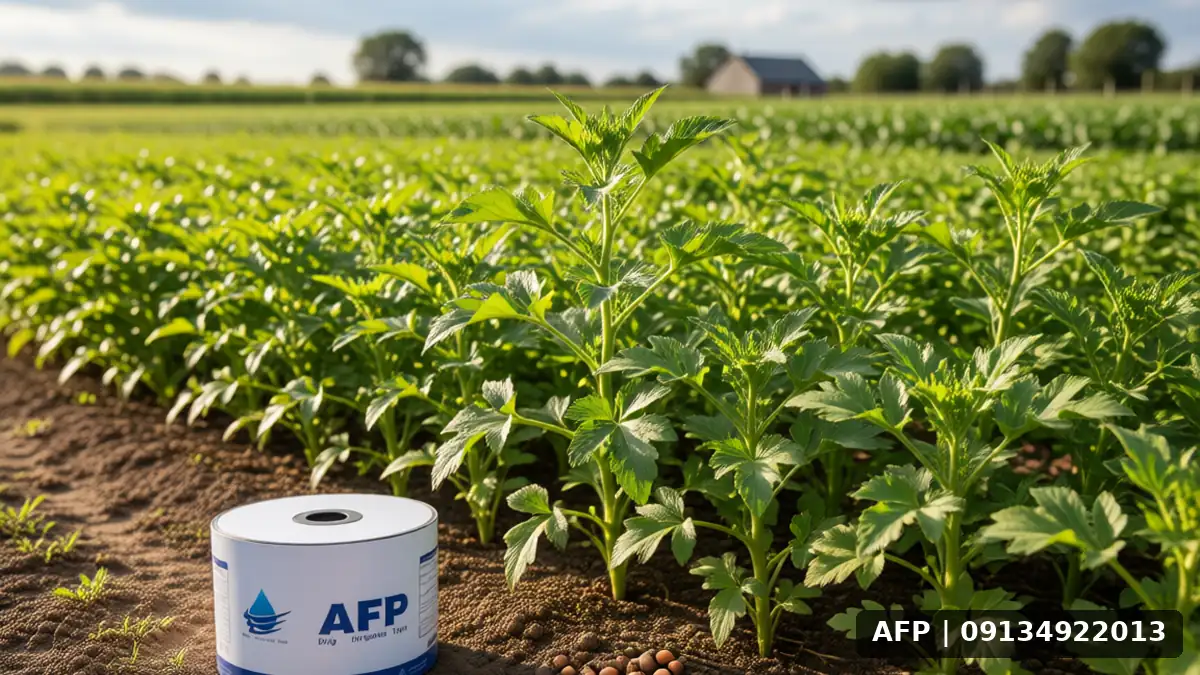
Cilantro is one of the most intensive and high-demand aromatic herbs and vegetables, grown either as a supplementary or primary crop in greenhouses across Iran and globally. Despite its relatively short growth cycle, its sensitivity to environmental stresses, particularly water and salinity stress, creates significant challenges for producers. In traditional settings, flood or spray irrigation can lead to root roting, increased relative air humidity, and the spread of fungal diseases. Therefore, transitioning to precision irrigation systems, such as drip and tape line systems, is not just a choice but a necessity to maintain crop quality and economic efficiency.
The use of appropriate drip tape lines in small and medium-sized greenhouses can ensure uniform water distribution within the cilantro root zone. However, implementing this system without sufficient technical knowledge can itself pose a greater challenge than traditional farming. The following sections examine these challenges in detail and propose solutions for addressing them.
Technical Challenges of Tape Line Irrigation Systems in Cilantro Cultivation
Due to lower costs compared to plastic drip emitters, tape lines are the first choice for many greenhouse operators. However, for cilantro, which requires uniform distribution rather than high water volume, tape line settings are highly sensitive. Key challenges include the phenomenon of ‘channeling’ and uneven water flow.
- Uneven Water Distribution: In some tape lines, water emerges in discrete spots with varying intensity. For cilantro, which has a shallow root system, dryness at even a single point along the row can reduce yield and leaf quality. In this regard, understanding the principles Maintenance Costs of Tape Lines and timely replacement of them becomes doubly important.
- Clogging and Deposition: Coriander is typically grown in small pots or nursery trays. Tip-line emitters are in direct contact with the roots. Any deposition of soluble water-borne solids (such as lime or manganese) can cause clogging of the tip-line apertures and result in dry zones.
- Salt Sensitivity: Coriander is salt-sensitive. In areas with hard water, using tip-lines without proper treatment can lead to salt accumulation around the root zone. This causes leaf tip burn and reduces the product’s flavor. Salinity management through frequent, low-volume irrigation for leaching is essential.
One way to reduce the risk of clogging is to use appropriate filters and schedule regular system flushing. Selecting tip-lines with flow rates suitable for coriander’s typical planting spacing (generally 15 to 20 centimeters) is critical. To better understand these parameters, review the Potato Tip Line: Drip Irrigation Guide which explains similar technical concepts for surface-rooted crop applications.
Environmental and Growth Challenges of Coriander in Greenhouses
In addition to technical irrigation system challenges, greenhouse environmental factors directly affect the performance of drip and tape irrigation systems. Coriander requires adequate light and moderate temperatures, but improper irrigation can disrupt its growth through moisture fluctuations.
- Relative humidity management: Drip and tape irrigation reduce growing medium surface moisture; however, if water supply is below plant requirements, relative humidity inside the greenhouse may fluctuate significantly. These humidity fluctuations directly affect the opening and closing of coriander stomata, ultimately influencing transpiration rate and water uptake.
- Prevention of fungal diseases: A primary advantage of drip irrigation is keeping leaves dry. However, in coriander cultivation, an unbalanced irrigation system that causes plant stress can reduce resistance to fungal pathogens like gray mold (Botrytis). Therefore, irrigation should not merely supply water, but function as a tool for plant health management.
In this section, balancing water delivery with coriander root uptake is critical. Coriander has fine roots and lacks underground water storage organs; consequently, even a few hours of irrigation interruption can cause leaf wilting and reduce cut quality. Scheduling irrigation cycles using smart timers minimizes this risk.
Practical tips for optimizing greenhouse coriander irrigation
As a senior reviewer, I recommend paying special attention to these practical points before implementing the irrigation system:
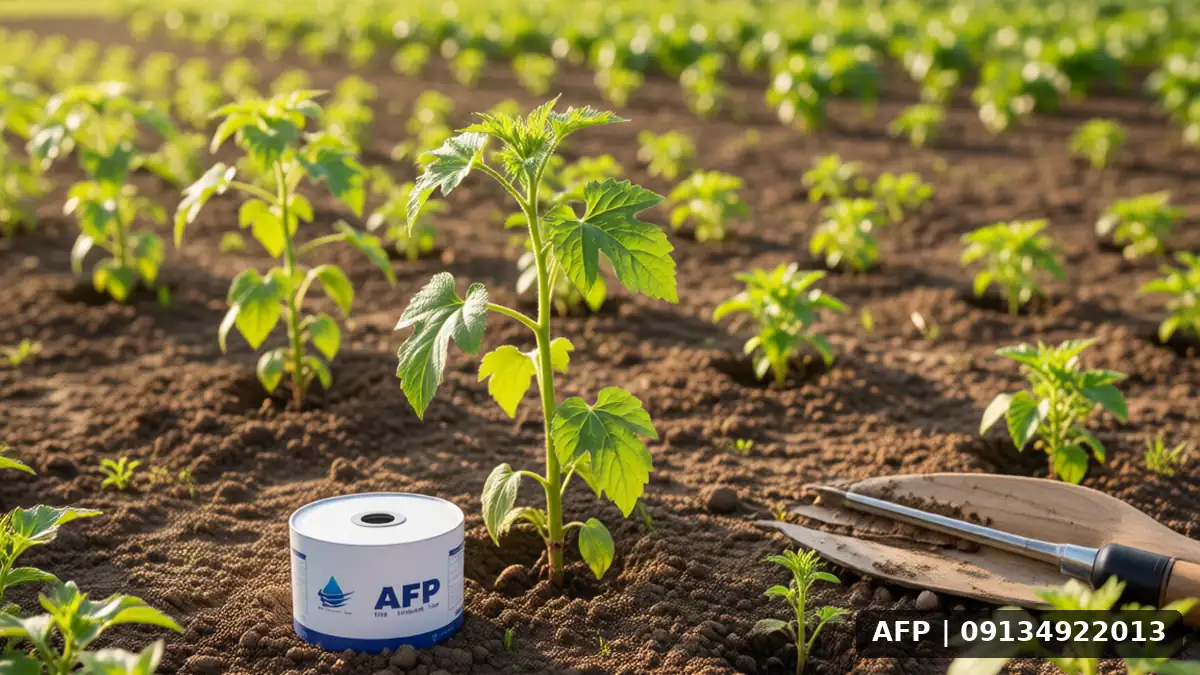
- Precise water requirement determination: Calculate the water requirements for coriander based on the growing medium type (oxygenate, foam, or light soil) and the local climatic conditions. For soilless media, water absorption is faster, requiring shorter and more frequent irrigation cycles.
- Irrigation kit selection: Using drip irrigation kits with appropriate pipe diameter and flow rate can ensure pressure uniformity. Regarding drip tape, always use high-quality domestically produced tapes. Guide: 20-centimeter drip tape: Pricing and purchasing guide It can help you select the appropriate type based on your budget, but places emphasis on quality and resistance to pressure fluctuations.
- Waste management: In greenhouse systems, the disposal of excess drainage water is of high importance. Cilantro is sensitive to water pH. Ensure that the irrigation water pH is maintained between 5.5 and 6.5 to optimize the uptake of heavy metals such as iron and manganese.
Also, pay attention to seed quantity per hectare for planting density can affect the overall system flow rate. If the planting is denser, the space between rows decreases and root penetration into the substrate is limited, doubling the need for precise water distribution.
Frequently Asked Questions (FAQ)
What is the best cilantro planting spacing for drip tape irrigation?
The recommended spacing is 15 to 20 centimeters. At this spacing, a drip tape with a flow rate of 1.6 to 2.0 liters per hour can provide adequate coverage. If planting spacing is narrower, use plastic drippers with a lower flow rate.
Can the cilantro irrigation system be supported alongside other vegetables in a single greenhouse?
Yes, but operating pressures and flow rates must be adjusted separately. Cilantro requires lower pressure than beans or potatoes. References such as Drip Tape for Beans: Drip Irrigation Guide indicate that pressure adjustment for each crop is an independent challenge. It is best to install separate pressure regulation nodes for cilantro rows.
Does drip irrigation reduce the flavor of cilantro?
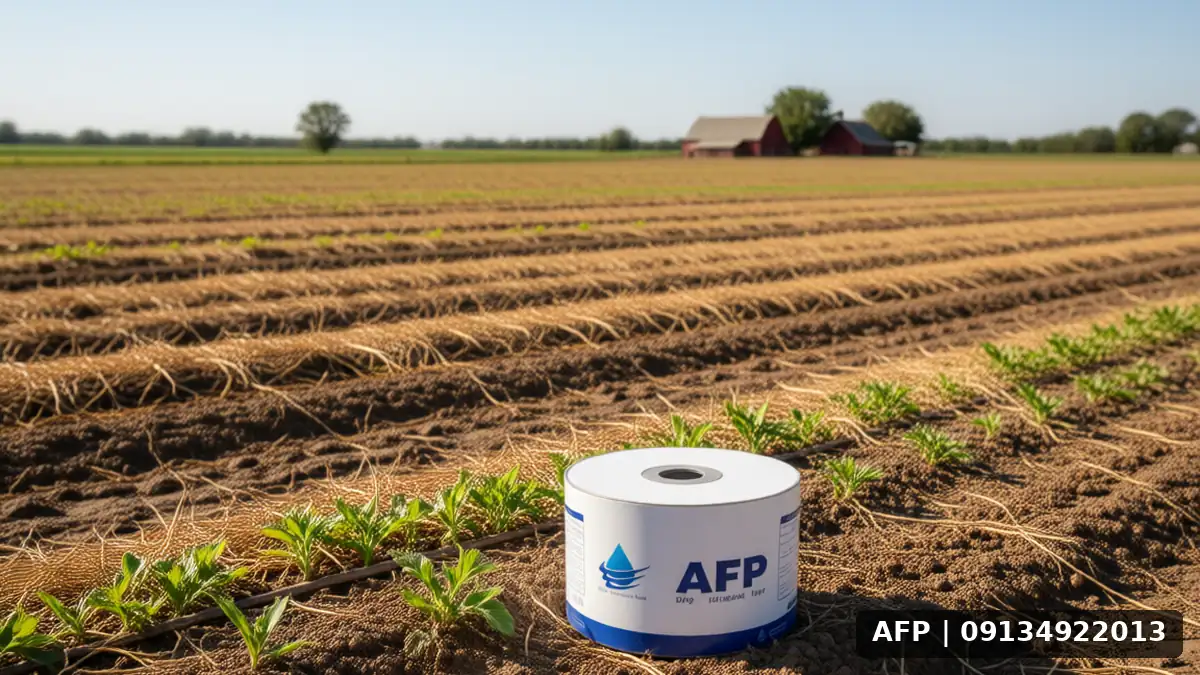
No, quite the opposite. Precise irrigation helps concentrate volatile compounds (green ethers). If cilantro flavor becomes weak, it is usually a sign of water deficiency or salinity. For comparison, check how other crops perform under drip systems; such as the guide for Vegetable yield per hectare for farmers demonstrating that irrigation management directly affects final quality.
Conclusion
Coriander cultivation in greenhouses using drip and trickle tape systems offers high potential for producing high-quality crops with optimized water use. However, these systems present specific challenges, including uneven water distribution, salt sensitivity, and management of relative humidity inside the greenhouse. The key to success lies in a deep understanding of coriander growth and the precise selection of irrigation components based on your specific greenhouse conditions. Implementations such as the use of appropriate filters, precise pressure regulation, and scheduling irrigation cycles based on BCS (soil moisture retention half-life) can transform these challenges into competitive advantages. The future of greenhouse coriander irrigation depends on the combination of technical knowledge with continuous environmental monitoring.