Greenhouse Irrigation for Chickpea Cultivation: Key Technical Considerations
Introduction to the Importance of Precise Irrigation Management in Greenhouse Chickpea Cultivation
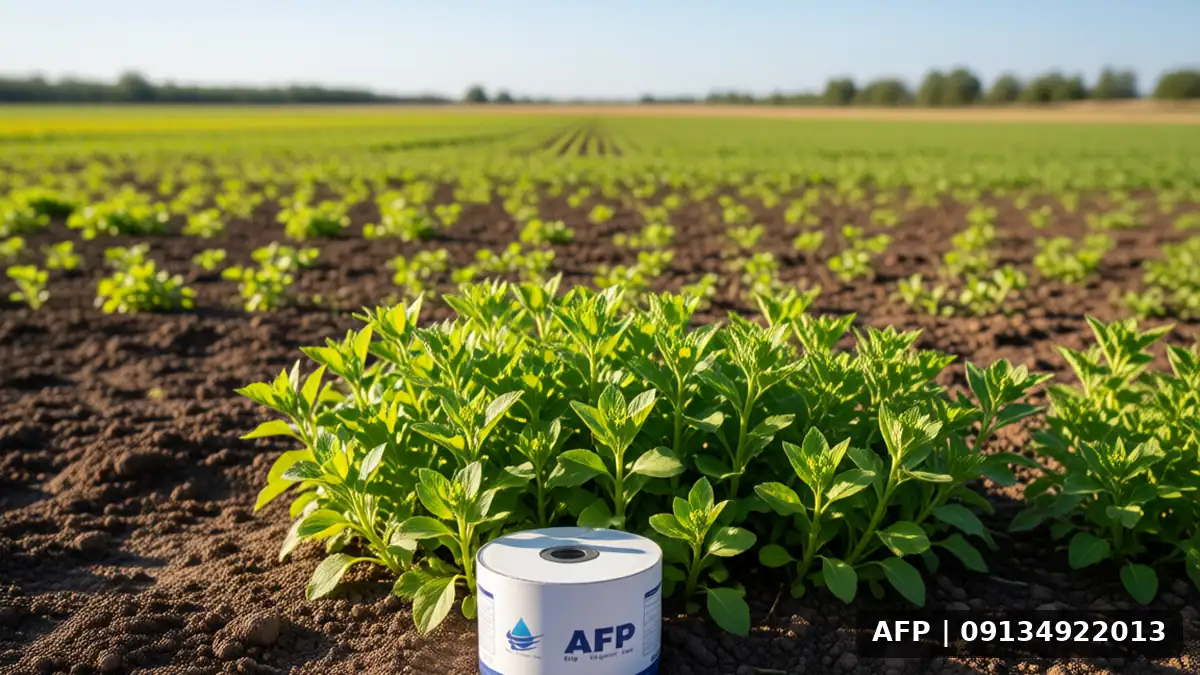
Cultivating chickpeas in controlled environments such as greenhouses presents unique challenges. Unlike open-field seed sowing, in greenhouses, soil moisture levels and the air humidity surrounding the plant are directly controlled by the grower. This high sensitivity has made precise water management one of the vital factors for success in greenhouse irrigation for chickpea . As a crop sensitive to root rot and fungal diseases, chickpea requires a delicate balance between dryness and moisture, which is difficult to achieve without a smart and precise irrigation system.
The use of drip irrigation and micro-tube systems in greenhouses not only conserves water resources but also enables the uniform distribution of nutrients in the root zone. In this comprehensive guide, we examine the technical and operational details for achieving optimal irrigation conditions for greenhouse chickpea. Our goal is to provide a resource that is both academically rigorous and practically applicable for producers, enabling them to increase yield and reduce the risk of crop damage.
Advantages of Localized Irrigation Systems in Greenhouse Chickpea Cultivation
Why are micro-tube and drip systems ideal for chickpea?
Localized irrigation systems, particularly Drip tape with optimal wall thicknessCapable of releasing water and nutrient solution precisely in the root zone. This feature is critical for chickpea, which has a relatively shallow root system. Unlike surface or spray irrigation, these methods reduce direct evaporation from the soil surface and manage relative humidity in the greenhouse environment.
- Reduction of fungal diseases: With localized irrigation, plant canopies remain dry, which inhibits fungal spore development.
- Improved nutrient uptake: Concentration of nutrient solution in the root zone increases fertilizer efficiency.
- Reduced water consumption: Water consumption can be reduced by up to 40 percent compared to conventional methods.
Impact of Tape Drip Type Selection on Performance
The selection of tape drip type (perforated, side-stitched, or seamless) directly affects irrigation uniformity. For intensive pea cultivation in greenhouses, tapes that are flushable and have a longer service life are generally recommended. Use of Advantages of Side-Stitched Tape Drip Irrigation may be a better option if high isohydricity (convergence) of discharge flow rates is required. These systems keep pressure constant along the entire line, ensuring that plants at the end of the row receive water as effectively as those at the beginning.
Key Technical Parameters in Pea Irrigation Planning
Irrigation Volume and Timing Based on Growth Stages
Irrigation planning for peas should not be uniform. Plants require varying amounts of water at different growth stages. A reference table for determining requirements is as follows:
To determine the water amount more accurately, refer to water application per hectare and the local climate of your greenhouse. Soil moisture sensors play a critical role here. Using automation based on sensor data prevents waterlogging of the soil and minimizes water stress.
Greenhouse Environmental Factor Control
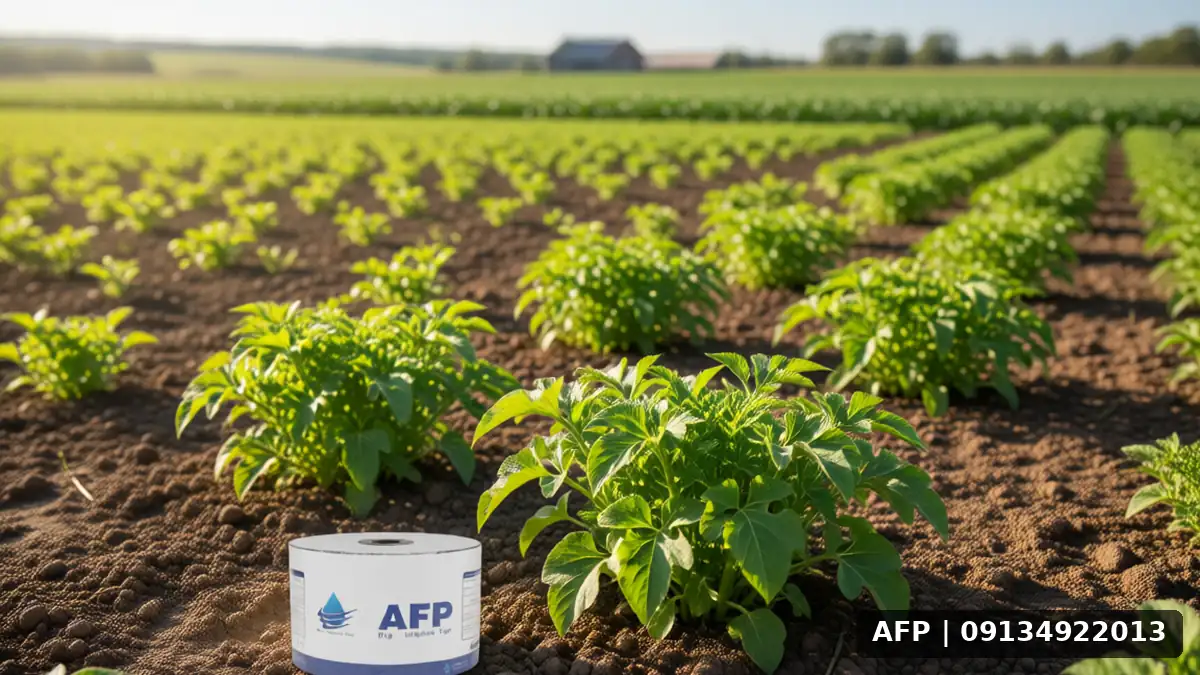
In greenhouses, the direct impact of light and temperature on plant transpiration is significantly greater than in open fields. On sunny, warm days, chickpea transpiration rates increase, raising water demand. However, if greenhouse relative humidity is simultaneously high, the risk of rust and wilt diseases (Vermicella) increases. Therefore, the irrigation strategy must be coordinated with ventilation. Short, frequent irrigation cycles are preferred over a single long daily session to maintain soil surface moisture control and keep the root zone oxygenated.
Practical Tips for Optimizing the Drip Irrigation System
Line Filtration and Maintenance
One of the major challenges in greenhouse irrigation is emitter clogging caused by mineral deposits or microbial biofilms. For chickpeas, which have delicate roots, even minor clogging can cause plant stress. It is recommended to use disc filters with 100 to 120 mesh. Additionally, periodic use of acids (such as phosphoric or citric acid) and chlorine or H2O2 disinfectants is essential for flushing the lines. This procedure should be completed before peak water demand (flowering phase) to ensure system backflow occurs under normal conditions.
EC and pH Management of Nutrient Solution
Regular monitoring of EC (electrical conductivity) and pH of the water and fertilizer solution is mandatory. Chickpeas respond well to neutral to slightly acidic pH (approximately 6.5 to 7.5). If pH drops, calcium and iron uptake decreases, which can cause yellowing of new leaves. If EC becomes too high, the resulting osmotic pressure makes it difficult for chickpea’s superficial roots to absorb water. To prevent the buildup of harmful ions, using acid injection systems to adjust pH at the point of use is recommended.
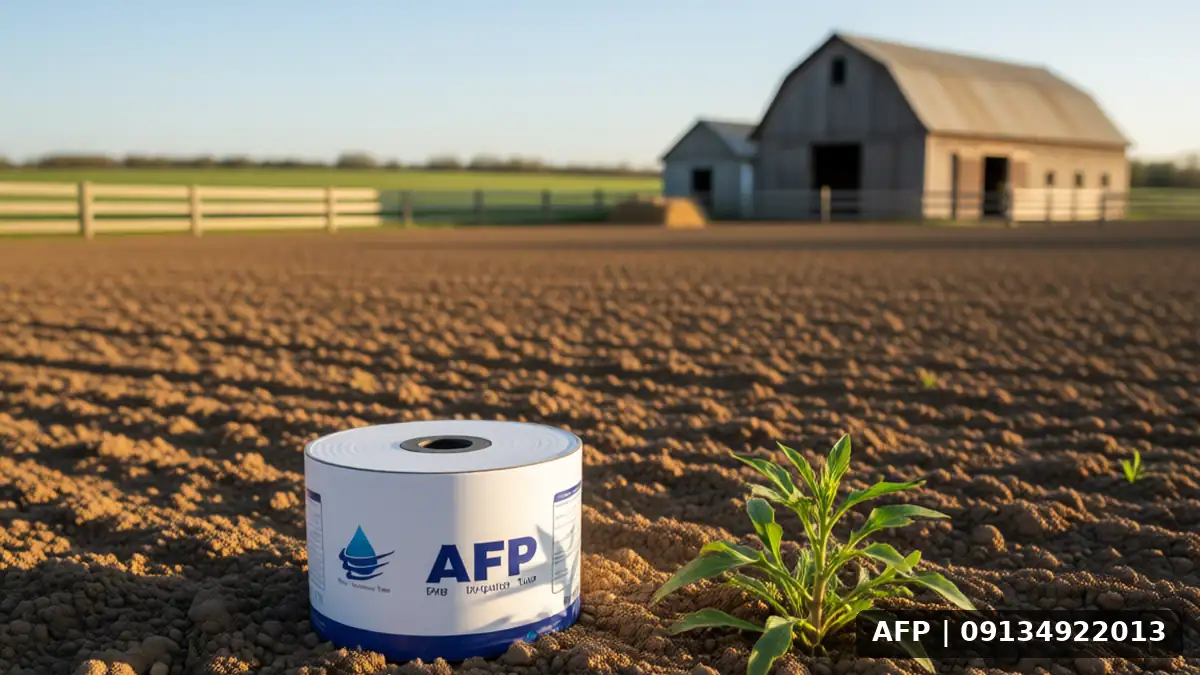
To better understand how planting affects water consumption, studying articles related to planting density and plant care can give you a broader perspective on planting density and its effect on active root area. The higher the density of chickpea planting in the greenhouse, the greater the competitive interference for water and nutrients, and the more important it becomes to ensure uniform water distribution.
Frequently Asked Questions (FAQ)
Can drip irrigation systems be used for growing edamame in a greenhouse?
Yes, drip and tape systems are completely suitable. However, you should use emitters with lower flow rates (e.g., 1 to 2 liters per hour) to prevent water accumulation around the crown and protect the plant’s root moisture. Also, Increasing chickpea and bean production in indoor spaces requires balance; over-irrigation leads to excessive vegetative growth and reduced seed yield.
What is the best time of day for irrigation in a pea greenhouse?
In a greenhouse environment, irrigation timing depends more on relative humidity control than on cool temperatures. If relative humidity is high during peak daytime heat, early morning irrigation is recommended. If the air is dry, evening irrigation can be used to control plant transpiration. Avoid irrigating with cold water on cold nights.
What is the main difference between seamless dripper tape and side-sewn tape for high-density pea cultivation?
Side-sewn tapes generally offer better durability against greenhouse floor abrasion and lateral pressure. If you are using Substrate Foam, side-sewn tapes better preserve the substrate texture. For more information, see sections Nozzle light output and plastic to understand how the structural differences between these two affect mechanical resistance during the growing season.
Conclusion: The path to a sustainable and high-yielding greenhouse
Success in Greenhouse irrigation for chickpeas Prevents irrigation overuse and drought caused by negligence. The key is integrating drip and trickle irrigation systems with precise management of greenhouse air relative humidity and bottom feeding. By correctly selecting irrigation components and maintaining filtration, you can reduce water consumption while ensuring plant health. In addition to this article, we recommend studying other resources, such as the Sulaimani irrigation tape guide with flushing cycles, to gain mastery over various material compositions in greenhouse bottom beds. Each small step in optimizing the system ultimately leads to a healthier, better-textured crop with higher economic value. By continuously monitoring growth indices and root status, your greenhouse chickpea crop will reach its optimal point for water and energy efficiency.