Fruit Orchard Irrigation in Pumpkin Cropping: Cost Optimization with Drip and Tape Systems
Introduction to Irrigation Challenges in Orchards with Squash Intercropping
One of the main concerns for farmers who use inter-row or under-canopy space in fruit orchards to grow leafy vegetables, including squash, is the optimal management of water resources. Irrigation of Fruit Orchards with Squash Intercropping This requires precise coordination between the water needs of mature trees and the shallow root systems of annual plants. Squash is a shallow-rooted plant whose roots are located near the soil surface and are highly dependent on moisture. While fruit trees require deep watering to encourage root growth, squash requires frequent, low-volume irrigation. This conflict in water requirements can lead to water waste and increased costs if not properly managed. In this article, we will present technical solutions to reduce costs using advanced systems.
The Importance of Cost Optimization in Mixed Orchards
Costs related to irrigation infrastructure, pumping energy, and operational efficiency are major obstacles to the competitiveness of agricultural products. Shifting from flood irrigation to pressurized systems can reduce water consumption and alleviate financial pressure. The use of technologies such as drip and tape drip not only improves efficiency but also enhances final product quality by creating a stable moisture environment.
Analysis of Drip and Tape Drip Irrigation Systems for Cost Reduction
To achieve optimal costs, selecting the type of irrigation system is of fundamental importance. Drip and tape drip are two dominant options in modern orchards, each having specific advantages and disadvantages.
Drip System: Precision irrigation for trees and low-growing crops
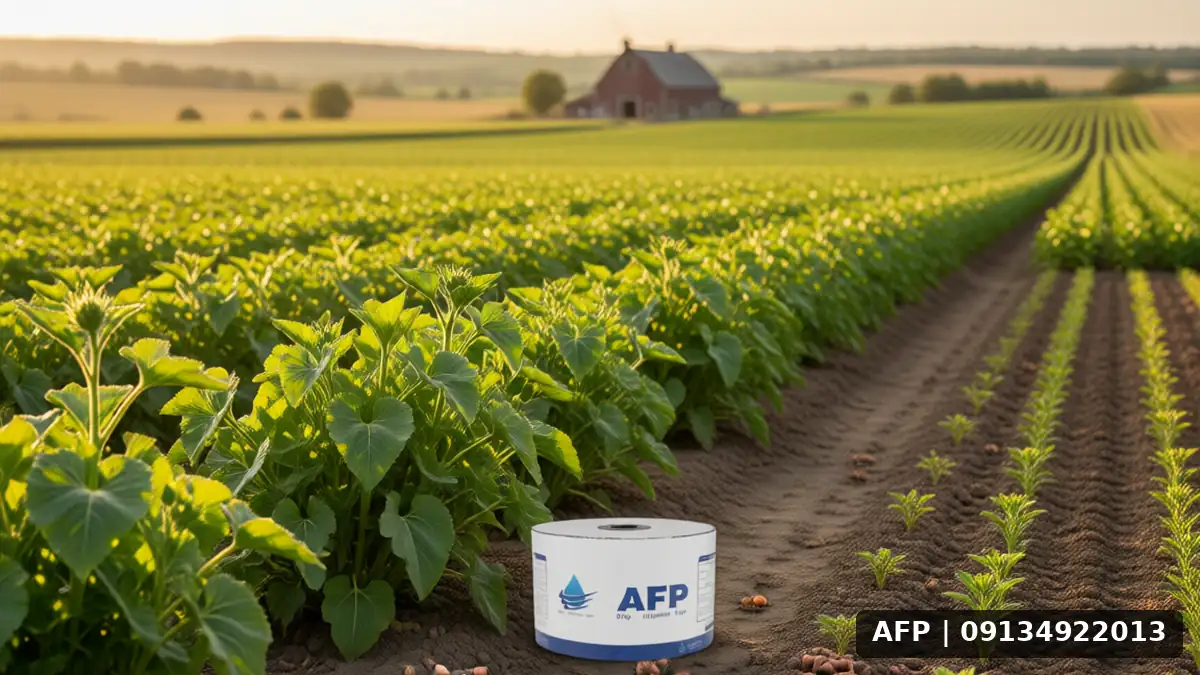
The drip system delivers water at low pressure and low speed directly to the root zone via emitters. This method is ideal for squash cultivation in the inter-row spaces of orchards, as it allows precise control of water flow to each plant. Using adjustable emitters, under- or over-irrigation of squash can be prevented. Furthermore, since drip tape utilizes emitters, uniform distribution of water-soluble nutrients through fertigation (Fertigation) is possible, which reduces the cost of chemical fertilizers. To familiarize yourself with the main components of these systems, refer to the guide for Drip Tape Components It is recommended.
Drip Tape and Orchard Challenges
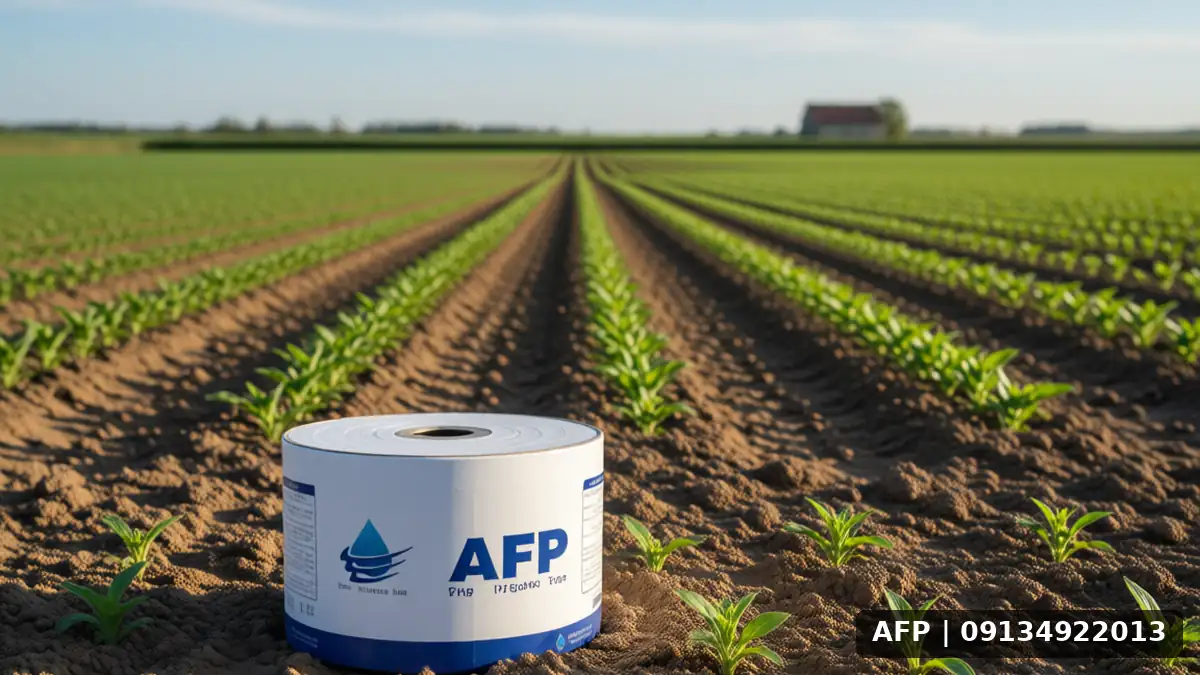
Drip tape is typically used for long rows and industrial crops such as corn and tomatoes. In orchards, using drip tape under direct pressure requires installing stronger pumping systems, which increases energy costs. However, using fixed spray tape in narrow squash rows can offer significant efficiency benefits. The fixed spray tape type creates a uniform airflow that prevents squash stem breakage. Reading the Fixed Spray Tape guide can be a good reference for selecting the appropriate tape type. It is important to note that in the denser spaces of orchards, selecting drip tape with the appropriate width is of paramount importance.
Practical Tips for Managing Costs in Orchard Irrigation for Squash
The implementation of cost-effective predictive models requires specific field-level actions. This section reviews the operational strategies:
- Irrigation line segregation: For better management, treat the tree and squash irrigation systems separately. Using independent control valves allows you to irrigate only the squash during low-pressure periods, protecting the trees and reducing maintenance costs.
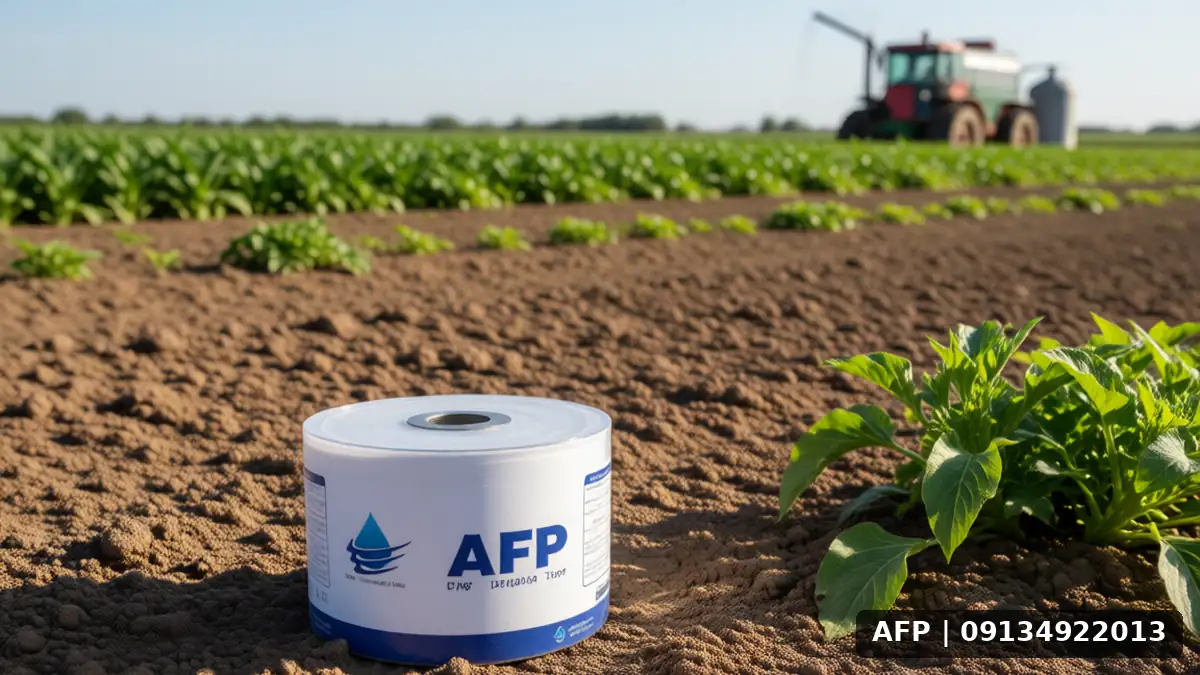
- Using low-pressure tape drip: Low-pressure tape drip reduces the cost of installing heavier pipes. This type of tape performs better in pumping systems with lower energy consumption. Although squash requires adequate moisture, using porous emitters in low-pressure tape is a cost-effective solution for reducing water costs.
- Irrigation scheduling: Morning and evening irrigation reduces pumping energy costs during peak electricity demand hours. This schedule also prevents excessive evaporation from the large squash leaves.
The role of fertilization management in final costs
Irrigation is just one part of the cost of maintenance. Combining drip irrigation with fertilizers eliminates the need for labor to spray the fertilizers. For a better understanding of these concepts, you can study the guide to uneven 90 irrigation which can be beneficial. Cost optimization happens when water, energy, and organic resources (such as fertilizers) are managed simultaneously within a coherent system. Additionally, considering the climatic conditions of the region is essential for choosing the appropriate type of dripper. To compare costs under different conditions, examining the respiratory conditions on a per-ounce basis can be a good guide.
Frequently asked questions about orchard irrigation in squash cultivation
Is the use of drip tape for squash cultivation among the tree canopy permissible?
Yes, provided that low-pressure drip tapes with an appropriate diameter are used. This method prevents physical interference with tree roots and reduces the repair costs of the system’s sequence.
How much is the difference in installation costs between drip and drip tape?
In the long term, drip systems have a higher initial cost but can offer a longer useful life. Tape systems typically have a lower initial cost but may require earlier repair or replacement in orchards with vertical root zones. Return on investment depends on the pump type and energy consumption.
What is the best method to reduce fertilizer costs when intercropping cucumbers with trees?
Combining fertigation with a drip system is the optimal option. In this setup, fertilizer is delivered directly to the root zone, reducing runoff. This directly leads to a reduction in total fertilizer costs.
How do we prevent cucumber damage to tree roots?
By separating irrigation lines and using an appropriate spacing between drip emitters. Additionally, small-volume, frequent irrigation helps keep cucumber roots at the surface and prevents them from penetrating deep into the soil (tree root zone). This reduces the cost of replacing corroded pipes.
Conclusion: The optimal strategy for farmers
To achieve cost optimization in management Irrigating fruit orchards in crop melon cultivation, the key to success is balancing initial costs with operational costs. Drip irrigation offers precision in distribution and fertilizer cost, while tape systems provide superior spray coverage for melons, making both strong options. Farmers should choose one of these methods based on climatic conditions and available pump type. Using new technologies, such as fixed tape systems, can act as a compromise solution to reduce energy costs. Ultimately, cost optimization is achieved not just by installing equipment, but through proper scheduling management, selecting high-quality components, and continuous system monitoring.
Related articles: fenugreek seed per hectar iraq, sunflower seed yield per hectare factors