Fruit Orchard Irrigation in Onion Cultivation: Applications and Efficiency Principles
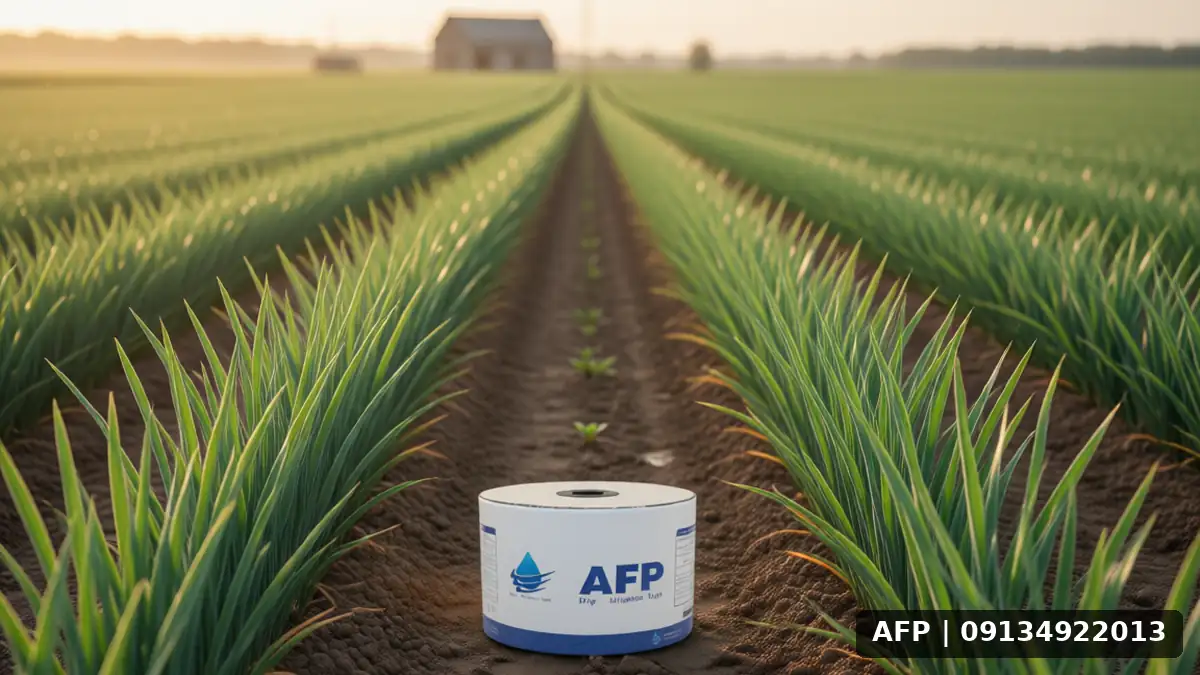
Irrigating fruit orchards in chive cultivation: Applications and efficiency principles
The importance of proper water resource management in fruit orchards, especially when intercropped with slow-growing crops like chives, has recently attracted significant attention from farmers and irrigation engineers. Chives, commonly known as garlic chives, is a crop with a long growing season that requires adequate moisture throughout all growth stages. While fruit orchards in similar climates require sustainable and well-distributed water sources, chive cultivation also demands precise management of irrigation volume and timing. This simultaneous water requirement for two different crops transforms modern irrigation methods, such as drip and tape systems, from an option to a necessity. This article examines the application of these methods in the simultaneous management of fruit orchards and chive farms to provide practical solutions for increasing water efficiency and reducing losses.
Drip irrigation, by creating a precise balance between the root water needs of fruit trees and the ideal moisture for chive crops, significantly reduces evapotranspiration losses, improves soil moisture penetration into deeper layers, and increases the overall efficiency of water resources. On the other hand, tape irrigation, particularly solid and dual-tube models, provides uniform surface soil moisture, enabling irrigation management on a larger scale. The following section reviews the practical applications, benefits, and challenges of these two methods in fruit orchards with a focus on chive cultivation.
Applications of drip irrigation in fruit orchards and chive cultivation
Drip irrigation, traditionally used mostly for greenhouses and vegetable gardens, is now recognized as one of the most efficient irrigation methods for open-field orchards. This method delivers moisture directly to the active root zone through small, precise drip emitters. In orchards, this focused moisture delivery reduces water stress in trees and promotes more uniform fruit growth. When sugar cane is grown alongside orchards, a single or similar system with variable settings can be utilized. Drip emitters suitable for sugar cane must be adjusted for spacing and flow rate with greater precision, given the small seed size of this crop, to prevent soil contamination around the roots.
Plate-type drip tape is an excellent option for long-term orchards due to its high durability against physical wear and uniform water distribution along the tape. These tapes are generally preferred for permanent or semi-permanent crops. In contrast, inline drip tape, which is extruded directly into the main pipeline or carrier tape, is a suitable choice for sugar cane farms, which typically have a single annual cropping cycle, because of its lower cost per meter and easier installation. The final selection of drip tape depends on various factors, including soil texture (clay or sandy), root depth, and regional climate. For a detailed understanding of the technical and economic differences between these two types of tape, you can read the comparison article on inline versus plate-type drip tape, which explains the technical details and pros and cons of each.
Drip Tape in Sugar Cane Cultivation and Integrated Orchard Management
Drip tape, as one of the most advanced pressurized irrigation technologies, is widely used in cultivating small-seed and tray-grown crops such as chives. This system delivers water directly, in a controlled and uniform manner, to the soil surface near planting rows via surface slits (flange bands). This feature maintains moisture at the shallow depth required for chives and prevents the leaching of nutrients into deeper soil layers. In conditions where orchards and chive fields are mixed or adjacent, drip tape systems can address the different needs of both crops by using adjustable lateral pipes.
Managing drip tape in chive fields requires precision in the spacing between the tape and planting rows. Excessive spacing leads to moisture deficiency at the center of the rows, while spacing that is too close can cause fungal diseases due to high soil surface humidity. Although our primary focus is on chives, many farmers are currently using drip tape for other alternative crops as well. For example, drip tape for potatoes, a common crop in temperate regions, follows similar principles regarding spacing and flow rate. To better understand the technical settings for drip tape in other small-seed crops that can serve as a model for chive settings, you can refer to the potato drip tape guide. This guide provides tips for determining the optimal spacing between tapes and the appropriate system pressure, which can be applied to chive fields.
Practical tips for optimizing drip irrigation and drip tape efficiency
To achieve maximum return on investment in drip and tape systems, it is essential to adhere to the following technical and operational principles in mixed orchard and garlic fields. These points help reduce operational costs and extend equipment lifespan.
- Water Quality: Always use water of suitable quality and prevent mineral sediment and suspended solids, which can clog drip emitters and tape channels. Using appropriate filters (such as mesh or disc filters) is the first step in any system.
- Spacing Adjustment: Adjust the spacing of drip emitters and tapes based on the actual root depth of fruit trees and the minimum needs of garlic. In sandy soils, spacing should be shorter and irrigation frequency higher to maintain moisture within the root zone.
- Regular Inspection: Weekly inspection of the irrigation system, especially before peak growth seasons, ensures that there are no blockages or obstructions in the flow path. This prevents moisture deficits in the soil.
- System Drainage and Flushing: At the end of each season, clean the system with specific wash detergents to remove biological and mineral deposits. This ensures the system operates at 100% efficiency at the start of the next season.
- Intermittent resource management: Using rainfall or surface water sources with variable flow rates requires pressure-regulating valves to prevent water fluctuations from affecting drip line performance.
Additionally, accurate calculation of irrigation doses is essential for better planning and optimal use of available water resources. Using calculation charts or simple formulas helps adjust the irrigation dose according to farm dimensions, soil type, and air temperature. For this purpose, you can use online tools to calculate the water requirement per hectare. These calculations prevent unnecessary water consumption and maintain soil moisture balance.
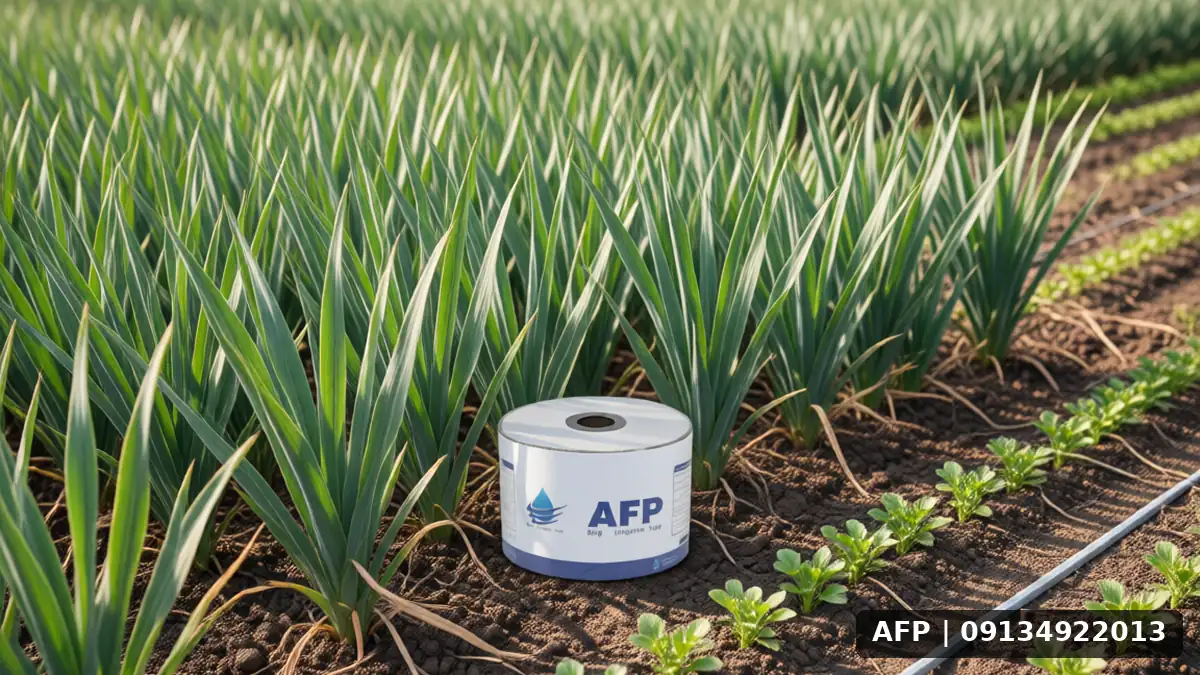
Water resource management and maintenance in Asparagus cultivation
Asparagus cultivation, due to its long growth cycle and sensitivity to water stress during early flowering and grain formation, requires precise and continuous water resource management. Alongside orchards where older trees may require greater depth, using optimal irrigation systems such as drip and drip lines can prevent water shortages at various surface and depth levels. These methods significantly improve water efficiency by reducing surface evaporation and deep percolation.
One of the main challenges in maintaining drip tape is ensuring uniform pressure along the lines. To resolve this issue and ensure system stability, proper installation and adherence to appropriate slopes in the piping are essential. For more information on optimizing drip irrigation tapes and increasing their stability against variable pressures, you can refer to the drip tape installation guide. This guide explains the practical installation steps, the selection of parent pipes, and port cooling in a step-by-step manner.
In addition to irrigation management, the selection of suitable seeds and planting density for Allium hirtifolium also affects water requirements. Higher densities lead to more intense competition for the root system, which may require more frequent and smaller-volume irrigations. Conversely, lower densities create more space for individual growth and reduce the overall water requirement of the field. For informed decision-making regarding seed quantity per unit area, familiarization with local varieties and their biological requirements is helpful. For example, reviewing the number of plants per hectare can serve as a basis for calculating water and nutrient demand.
Frequently Asked Questions about Orchard and Allium hirtifolium Irrigation
Is drip irrigation expensive when grown alongside Allium hirtifolium?
Although the initial installation cost of drip systems is higher than that of surface irrigation, it offers stronger economic justification in the long term due to optimized water consumption, reduced labor requirements for agricultural tasks, and increased crop yield. Furthermore, by preventing fertilizer leaching, fertilizer costs are also reduced.
What is the best type of drip tape for saffron cultivation?
Plate-lay drip tape is a suitable choice for perennial saffron fields or those with long-term investment due to its high durability and uniform water distribution. However, for annual saffron crops, side-stitched drip tape or even retrievable drip tapes may be more economically logical. The final choice should be based on budget, soil type, and saffron rooting depth.
How many emitters are needed per hectare in an orchard?
The number of emitters depends on tree planting distance, soil type, and the crop’s water requirements. Generally, the distance between emitters on drip lines is 20 to 40 centimeters. For an accurate calculation, first determine the total water requirement of the trees in liters per hour and then divide it by the desired number of emitters. It is recommended to perform a precise calculation using irrigation engineering software before purchasing.
Conclusion
Irrigating orchards alongside saffron cultivation is a challenge that can be turned into an opportunity for increased efficiency through careful planning and the use of efficient methods such as drip and tape irrigation. These methods can keep the farm sustainable and profitable in water-scarce conditions by improving water use efficiency, reducing evaporation and infiltration losses, and enhancing crop growth. By following practical principles, selecting the right emitters and tape, and managing water resources systematically, one can achieve maximum benefit from minimal resources.
Additionally, to learn about crops such as maize that are planted alongside orchards and how to optimize their irrigation, you can use the specialized guides available on our website. Systematic irrigation management is the key to success in any type of farming and plays a significant role in the success of orchards, especially alongside saffron cultivation.
Related Articles: tokhmi tarud dar yak gektar shinoon ui nigohdori, Chickpea (D8AFD8B1) seed rate per hectare, comprehensive pepper drip tape guide yield tips