Flood Irrigation in Saffron Cultivation: Key Strategies for Water Efficiency and Yield Enhancement
Introduction to the importance of optimal irrigation in shahi (Cyperus rotundus) cultivation
Shahi cultivation, as a significant agricultural crop, requires substantial water to ensure proper growth. Under conditions of water scarcity, selecting an appropriate irrigation method is of paramount importance. Pressure-driven irrigation in shahi cultivation As a sustainable and efficient method, pressure-driven irrigation can play a key role in improving agricultural yields. This method delivers water uniformly under low pressure, directing it directly toward the plant roots and preventing water loss during transit.
The use of modern technologies such as drip lines alongside pressure-driven irrigation can help farmers increase yield while conserving water. The following section details this method, its advantages and disadvantages, and key points for successful implementation.
Principles of pressure-driven irrigation in shahi fields
Difference between pressure-driven irrigation and traditional methods
Unlike surface irrigation, where water flows over the ground surface causing soil erosion and water loss, in a pressure-driven irrigation system, water is directed toward fields through transmission lines at low pressure. This process is designed so that water moves slowly and in a pressure-driven manner toward the roots of the shahi plants. This feature helps maintain moisture in the root zones, ensuring the plants receive adequate nutrients.
Role of tape strip in irrigation efficiency
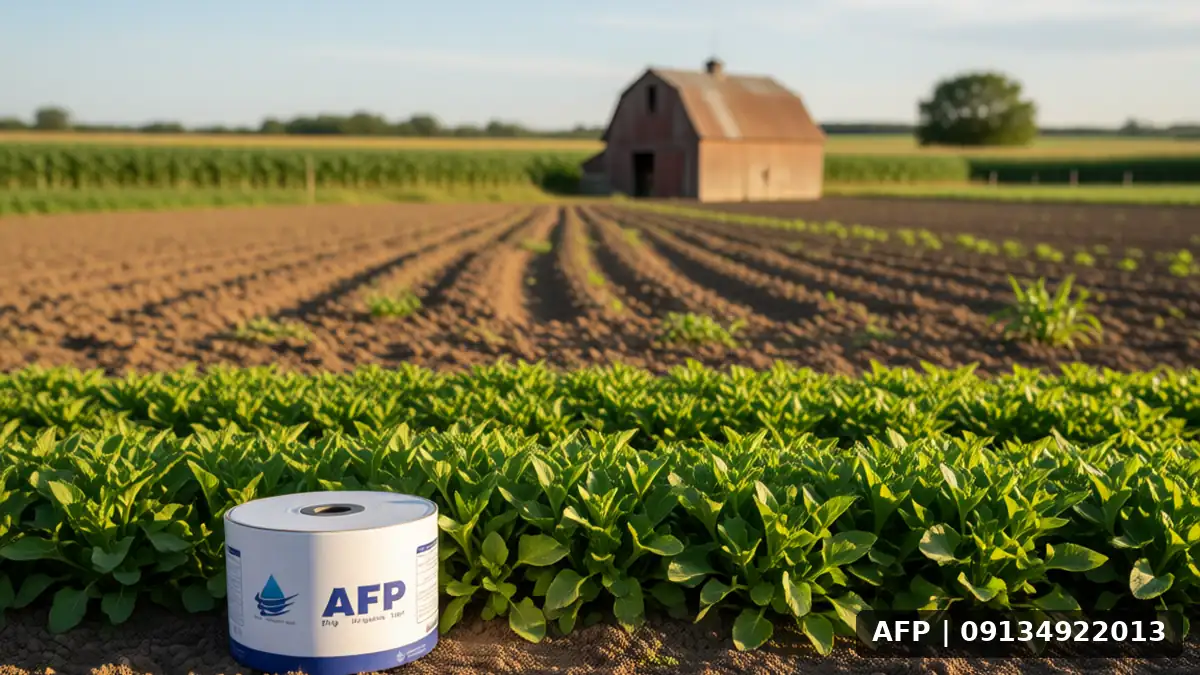
Tape strip is one of the most cost-effective and efficient drip irrigation methods, highly suitable for corn fields. These strips release water in a uniform drip form along the corn planting rows through small slits. This ensures water penetrates directly into the root zone and reduces surface evaporation. To ensure proper performance of the tape strip, checking Tape strip connections and coupling components is of high importance, as leaks in these connections can cause pressure drop and uneven water distribution.
Key benefits of surface irrigation in corn cultivation
- Reduced water consumption: Due to direct water penetration to the roots, consumption is reduced by 30 to 50 percent compared to surface irrigation.
- Increased crop yield: Uniform distribution of water and nutrients promotes even plant growth and increases yield per hectare.
- Reduced weed growth: By irrigating only the root zones, weeds in the inter-row strips remain dry, reducing the need for herbicides.
- Prevention of soil erosion: Unlike the severe runoff on surfaces, low-pressure irrigation preserves soil structure and prevents the leaching of nutrients.
Practical installation and maintenance tips for the system
Initial steps in land preparation
- Before planting basil, plow the soil to the appropriate depth and level the surface to ensure uniform flow.
- Remove grass layers to reduce soil resistance to water infiltration.
- Adjust the basil planting distance based on the regional climate. Typically, a spacing of 50 to 60 centimeters between rows is suitable.
Installation of drip tape and transfer lines
After planting basil, place the drip tape exactly in the seed furrows and keep it close to the furrows. Ensure physical obstacles are removed along the drip tape path. Use standard connectors to attach the drip lines to the main lines. Reading about drip tape installation procedures can be a good guide to avoiding common installation errors. Additionally, adequate pressure from the main source (well or network) is essential to ensure water reaches the end of the drip lines.
Irrigation scheduling based on the basil growth stage
Basil water requirements vary across different growth stages. During germination, intermittent and low-volume irrigation is recommended to prevent seed rot. In the vegetative stage, water demand increases, and irrigation volume should be raised gradually. During flowering and fruiting, maintaining stable soil moisture is critical. Significant moisture fluctuations can cause fruit cracking in basil. To accurately calculate water volume, soil infiltration tests can be used. Interestingly, irrigation management in basil is similar to water management in other crops; for example, studies on soybean yield per hectare show that precision in water use directly affects final crop quality.
Frequently Asked Questions (FAQ)
Is drip irrigation suitable for all soil types?
Yes, but in heavy clay soils, the tape width and emitter spacing should be adjusted to prevent clogging. In sandy soils, the frequency of irrigation should be increased and the volume per application reduced.
When is the best time to replace drip tape?
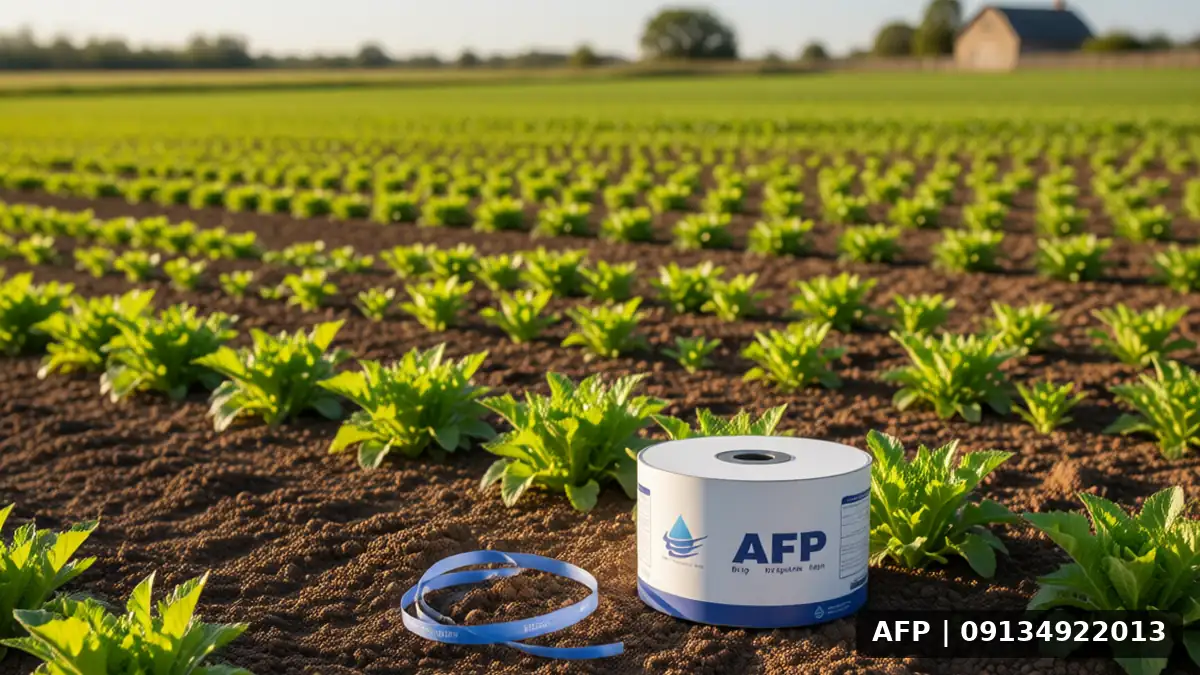
Typically, the useful life of drip tape is one to two cropping seasons. If the tape becomes less transparent or internal deposits are visible, it should be replaced before the next season to prevent a decrease in efficiency.
Can fertilization be performed through the drip irrigation system?
Yes, this method is known as Fertigation (Fertilization through water) and enhances nutrient uptake by saffron roots. However, highly soluble fertilizers and appropriate filtration must be used.
If saffron plants turn yellow, is the problem due to irrigation?
Yellowing leaves may indicate water deficiency or iron deficiency. First, check soil moisture at a depth of 20 cm. If the soil is dry, increase irrigation. Otherwise, a soil laboratory analysis is recommended. To better understand the water requirements of other crops, you can refer to the guide Full harvest yield of Celery per hectare also, which provides similar tips for root management.
Conclusion
Implementation Furrow Irrigation in Celery Cultivation requires precision in the design, installation, and daily management of the system. Using drip tape as the main carrier can reduce irrigation costs and increase crop yield. Investing in appropriate equipment and engineering training for workers is the key to success with this method. By following the tips mentioned in this article, farmers can achieve more sustainable and productive farms.
To familiarize yourself with other irrigation methods and compare them with the runoff method, studying the article ‘Tons of barley grain per hectare: influencing factors + increase method’ can provide complementary insights on water resource management in various crops. Additionally, understanding both traditional and modern irrigation methods, including rainfed agricultural land irrigation and its impacts, helps farmers select the best method for their specific farm conditions.
Related articles: wheat irrigated yield per hectare iraq, comprehensive guide pumpkin seed planting iq