Benefits of Drip Irrigation with Tape in Cotton Cultivation: A Comprehensive Guide
Introduction: The Necessity of Water Management in Cotton Cultivation
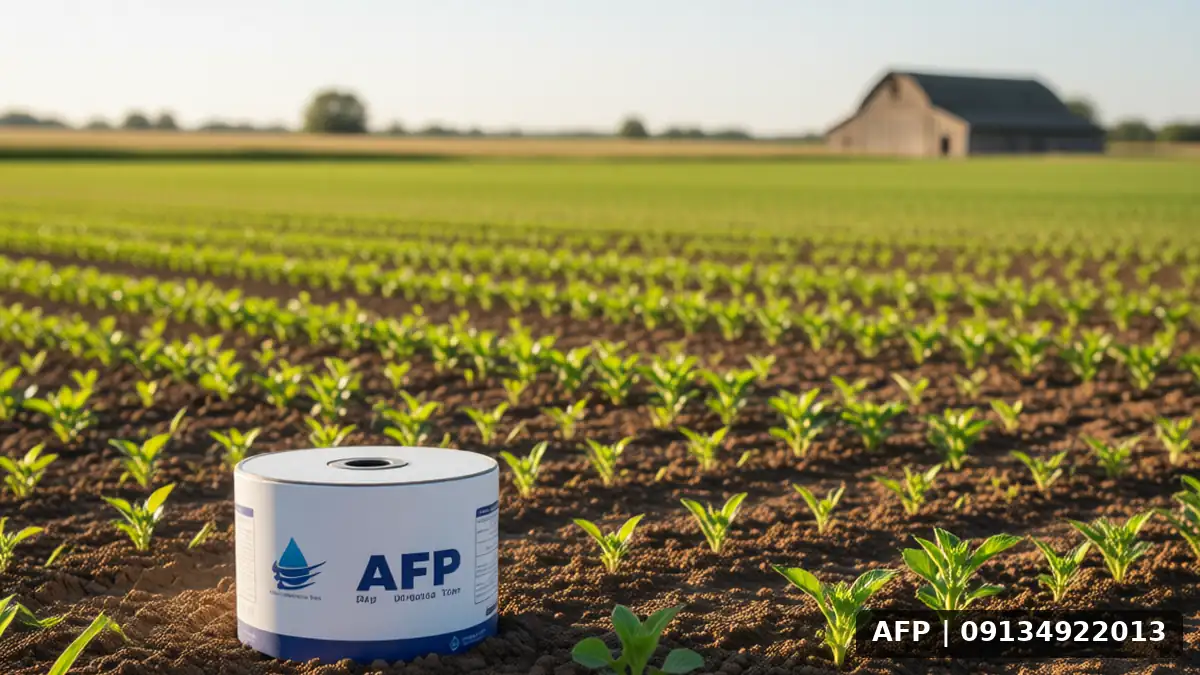
Cotton is a strategic and high-growth crop in Iran’s agricultural sector that is directly influenced by irrigation methods due to its high water requirements. Given the increasing constraints on water resources and the need for sustainable management, the development of precision irrigation systems such as drip irrigation with tip tape in cotton cultivation has become a critical necessity rather than an optional choice for farmers. Tip Tape, a combination of drip tape and emitters, enables localized, controlled, and continuous irrigation along the row length. This feature ensures that roots are uniformly exposed to moisture, preventing temporary drying or excessive saturation. Additionally, this system facilitates better fertilizer uptake by applying nutrients directly to the active root zone. In the following sections, we will examine the benefits, challenges, and operational details of this innovative system in depth.
Why is Tip Tape Chosen for Cotton?
Technical reports indicate that the correct design and estimation of irrigation systems is key to success in any crop. For cotton, the plant’s deep and extensive root characteristics mean that simple surface systems or even conventional drip emitters sometimes lack optimal efficiency. Tip Tape creates a long, concentrated moist band that lies directly beneath the active roots, allowing water and nutrients to penetrate to the necessary depths. This is particularly important in cotton cultivation, where maintaining moisture stability across different growth stages is required.
Key Advantages of Drip Irrigation with Tip Tape
- Water consumption savings: Significant reduction in water loss due to evaporation and excessive deep percolation compared to flood irrigation.
- Increased fertilizer efficiency: Ability to apply fertilizer through water (Fertigation) with high precision directly to the root zone.
- Weed reduction: Keeping only the root zone moist while the inter-row space remains dry, which increases herbicide efficacy.
- Improved ergonomics: Reduced need for deep plowing and precise soil preparation due to the focus on a specific zone.
To better understand the seed rate per hectare and its mutual impact on strip layout, it is essential to consult planting guides. For example, Oats seed rate Per hectare varies with different optimized methods, but similar principles apply to cotton for determining planting distance and row length. Also, understanding the general principles Mustard seed rate per hectare Can help you estimate density and irrigation line spacing.
<>
Economic and biological advantages of drip line systems
One of the most important advantages of drip line irrigation in cotton cultivation is the improvement in fiber quality. Controlled water stress and stable nutrition result in more uniform cotton bolls and longer fiber length. Additionally, using this system can lead to a reduction in labor costs for irrigation and fertilization, as process automation is feasible. Farmers can apply a sustainable management model for cotton based on the principles of managing corn irrigation rates per hectare, even though the technical details differ. This similarity in resource management logic makes experiences gained from other crops applicable.
Role in root disease management
The high soil humidity generated by flood irrigation creates a favorable environment for the growth of pathogenic fungi. Tape drip irrigation, by maintaining moisture balance and preventing the continuous wetting of the entire surface, significantly reduces the risk of root diseases. Farmers can utilize principles such as Key points before installing tape drip in the field such as water treatment and selecting the appropriate filter to prevent clogging of the tape holes. Additionally, integrating this system with other agricultural methods can double the profitability. For example, in managing vegetable crops that may be in crop rotation with cotton, understanding the spinach seed rate per hectare and optimal planting methods helps the farmer better plan the schedule of irrigation operations.
<>
Practical tips for implementing tape drip irrigation
To fully benefit from the advantages of this method, strict adherence to precise technical points is required. These include:
- Selecting the appropriate tape diameter: Depending on the cotton cultivation scale, strips 20 to 30 cm wide are typically used. The price of 20 cm drip tape can help in estimating initial costs and selecting the appropriate model.
- Consider planting density: Strip layout should align with row spacing to ensure complete root zone coverage.
- System pressure management: Drip tape requires appropriate pressure for uniform flow. Excessive pressure can rupture the tape, while low pressure causes water pooling and fungal growth.
Impact on final yield
The potential for yield increase in modern irrigation systems is clearly visible. Even if the primary crop is cotton, reviewing yield data for other crops such as vegetable yield per hectare guide can provide a benchmark for comparing productivity and optimizing resources in mixed farms. In intercropping, drip tape systems can provide the necessary flexibility to supply different crops. Additionally, reviewing articles such as yield per hectare can help in determining yield targets and adjusting water consumption during the season.
<>
Frequently Asked Questions (FAQ)
Is drip tape suitable for heavy cotton soils?
Yes, provided that soil permeability is assessed. In heavy soils, drip tape offers an advantage because it ensures direct flow to the root zone and prevents root saturation, which is a common issue in non-permeable soils.
What is the maintenance cost of the system?
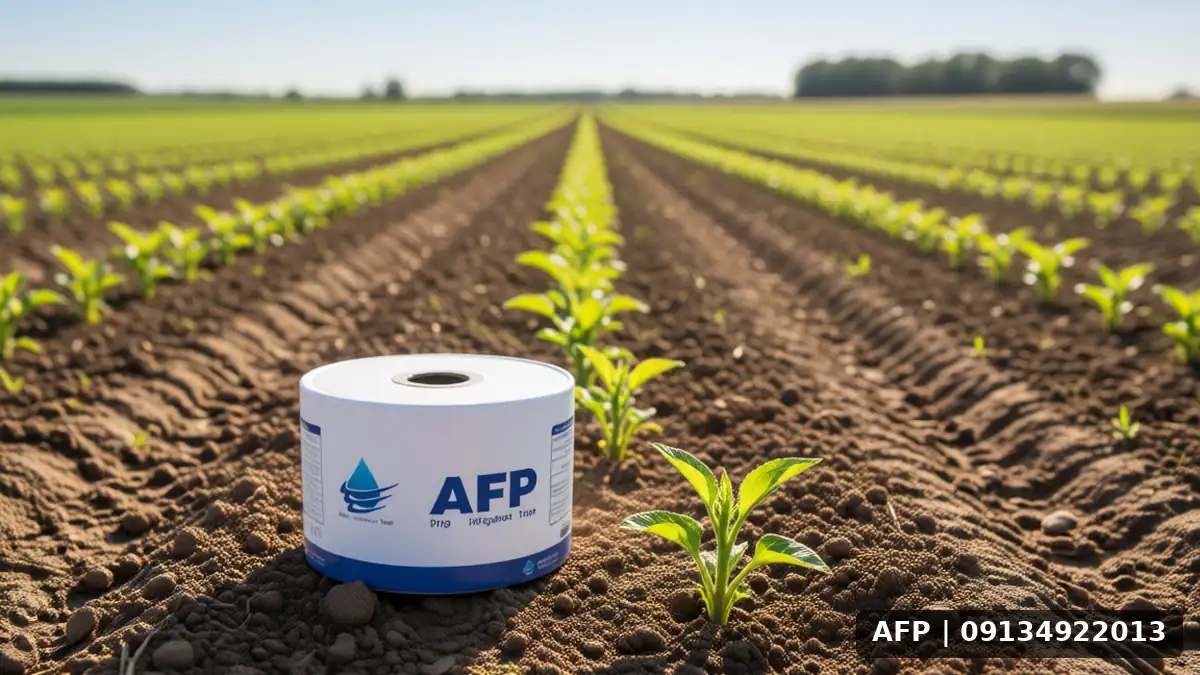
The maintenance cost of drip tape is generally lower than that of conventional drip lines. Adopting modern agricultural irrigation methods and performing regular filter flushing extends the system’s useful life. Additionally, using tape resistant to chlorine and sunlight reduces annual replacement costs.
Is it possible to apply fertilizer through drip tape?
Yes, this is one of its key benefits. Water-soluble fertilizers can be injected directly into the irrigation system. This increases nutrient uptake and reduces fertilizer waste. To optimize this process, it is recommended to use nutrient solutions with adjusted pH to prevent clogging in the tape emitters.
Conclusion
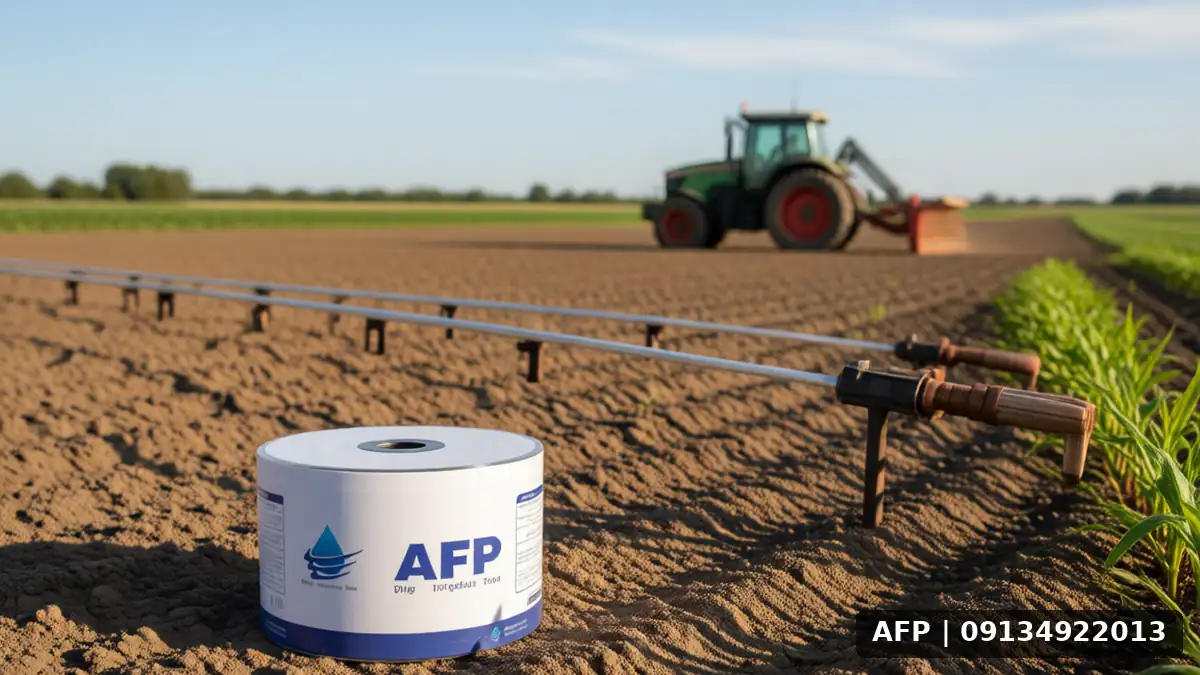
Drip tape irrigation in cotton cultivation is a multidimensional solution for sustainable agriculture. The benefits of this method range from water conservation and reduced labor costs to improved crop quality and better disease management. By adhering to operational guidelines and considering farm-specific conditions, farmers can fully leverage the potential of this technology. It is recommended to develop a comprehensive plan by consulting specialists and reviewing technical resources on factors affecting crop yield before installation. The future of cotton farming depends on adopting smart, precision systems like drip tape that balance water use, plant nutrition, and economic efficiency.