Drip Line Strip Irrigation for Parsley Cultivation: A Comprehensive Guide
Introduction to the Importance of Precision Irrigation in Parsley Cultivation
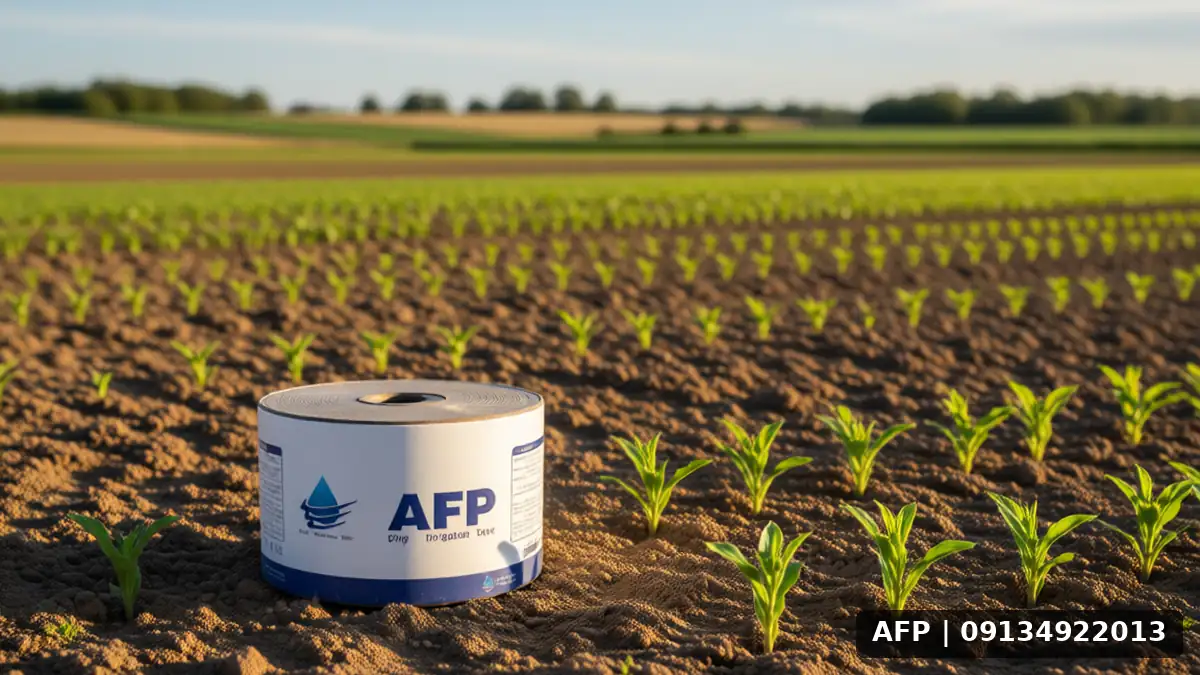
Parsley is an aromatic and medicinal herb that holds a special position in domestic and international target markets. Due to its delicate root system and high sensitivity to water and weather stresses, it requires precise water resource management. Traditional soil irrigation methods often lead to significant water waste and create conditions favorable for fungal diseases. Consequently, implementing drip irrigation systems, particularly Drip Tape technology, has become a smart choice for progressive farmers. Parsley drip tape irrigation directs water directly to the root zone, not only increasing the water use efficiency coefficient but also promoting stronger root system development by maintaining uniform soil moisture. This comprehensive guide examines all technical, installation, and management aspects of irrigation for this crop.
If you are looking to optimize resources in other crops, studying ‘Potato Tonnage per Hectare: Influencing Factors + Methods to Increase’ can broaden your perspective on high-capacity irrigation systems. Additionally, understanding performance factors in other plants, such as ‘Buckwheat Yield per Hectare: Comprehensive Guide to Increasing Yield and Profitability,’ helps you better understand the overall pattern of agricultural management.
Introduction to the Drip Tape System and Its Operating Principles
A drip tape is essentially a thin plastic tube with micro-orifices that releases water in a controlled, drop-by-drop manner. This system is characterized by easy relocation, low maintenance costs, and high flexibility relative to seedling height. In parsley cultivation, which is typically performed in rows (Row), the drip tape is placed directly under the planting row to deliver moisture to the main root zone. This precise placement ensures that nutrients and water reach the right place at the right time.
Technical parameters for drip tape selection
- Emission rate (Emission): Selecting a drip tape with an appropriate emission rate for parsley planting density is essential to prevent waterlogging or excessive drying. The recommended rate is usually 0.16 liters per hour.
- Width and thickness: Adequate thickness is critical for withstanding bed pressure and resisting mechanical stress during harvest. 8.15 millimeter tapes are more common.
- Orifice spacing: Determining the burial depth and dropper spacing for proper soil coverage and uniform irrigation distribution is key to success. A spacing of 30 to 40 centimeters is logical.
To better understand the correct layout of these tools in an agricultural setting, you can review the Drip Line Installation Guide, which includes safety tips and proper installation procedures.
Daffodil water demand curve in growth stages
The daffodil plant requires varying amounts of water at different growth stages. Understanding this curve is critical for adjusting irrigation scheduling. During the initial vegetative and germination stages, the soil should be kept moist but avoid waterlogging to prevent suffocating delicate roots. Understanding similar requirements in other aromatic plants, such as yield per hectare, influencing factors, and methods to increase production, can provide a model for comparing agricultural performance.
Irrigation requirements details over time periods
- Vegetative Stage: In this stage, vegetative growth and root system development occur. Intermittent irrigation with lower volumes is recommended to encourage roots to seek deeper water and expand. This is also an appropriate time to review seed density in other crops; for example, understanding triticale seed per hectare density table helps in better understanding planting density management.
- Production Stage: Cilantro is a repeatable crop, and its leaves are harvested multiple times. In this phase, water demand peaks. The drip tape must maintain soil moisture in the concentrated root zone (approximately 15 to 20 cm) at an appropriate pressure.
- Post-Harvest Management: After each harvesting cycle, the plant experiences stress and requires consistent watering to regenerate new leaves. Deficiencies in this stage lead to reduced quality and lower yields in subsequent cycles.
Practical Tips for Installing and Maintaining Drip Tape in Cilantro Farms
The successful implementation of drip tape requires adherence to engineering principles. One common mistake is using sediment-laden water without an appropriate filtration system, which causes the lines to clog. Using cyclonic or disc filters at the beginning of the system is your first line of defense. Additionally, understanding the factors affecting performance in legume crops, such as fava bean seed rate per hectar yield factors can help in comprehensively understanding root zone management and irrigation.
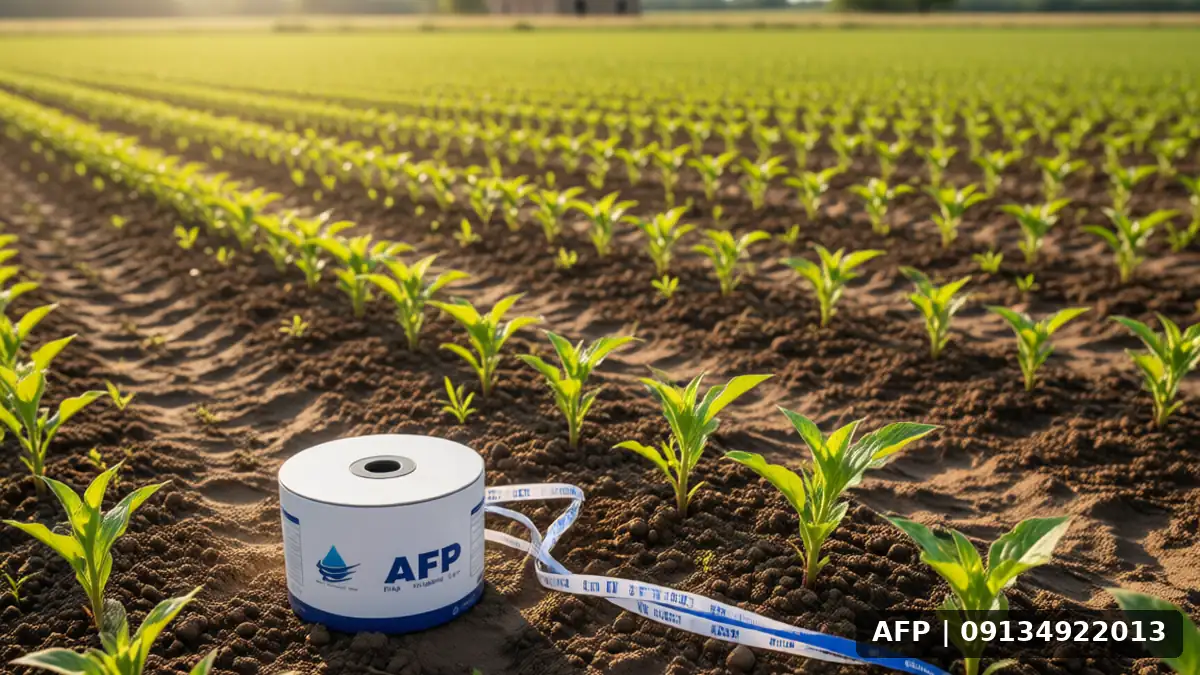
- Inspection and Troubleshooting: Before each irrigation cycle, check the drip tape ends to detect emitter clogging. Unclogging clogged tapes is possible under neutral water conditions.
- Tape Burial Depth: Place the drip tape approximately 5 to 10 cm below the cilantro seedbed surface. Deeper burial is more costly, and shallower burial causes soil temperature fluctuations.
- Pressure Regulation: Maintaining constant pressure throughout the line is crucial to prevent uneven water distribution. This is also vital for sensitive crops such as lentil yield per hectare: a comprehensive guide to increasing productivity.
Answers to Frequently Asked Questions About Cilantro Irrigation
Does the use of internal rain interpose with drip tape?
No, during heavy rainfall, the inlet valves of the drip line must be closed to prevent excess water from causing abnormal soil compaction or waterlogging of the parsley roots.
How can I set the appropriate water pressure for the drip line?
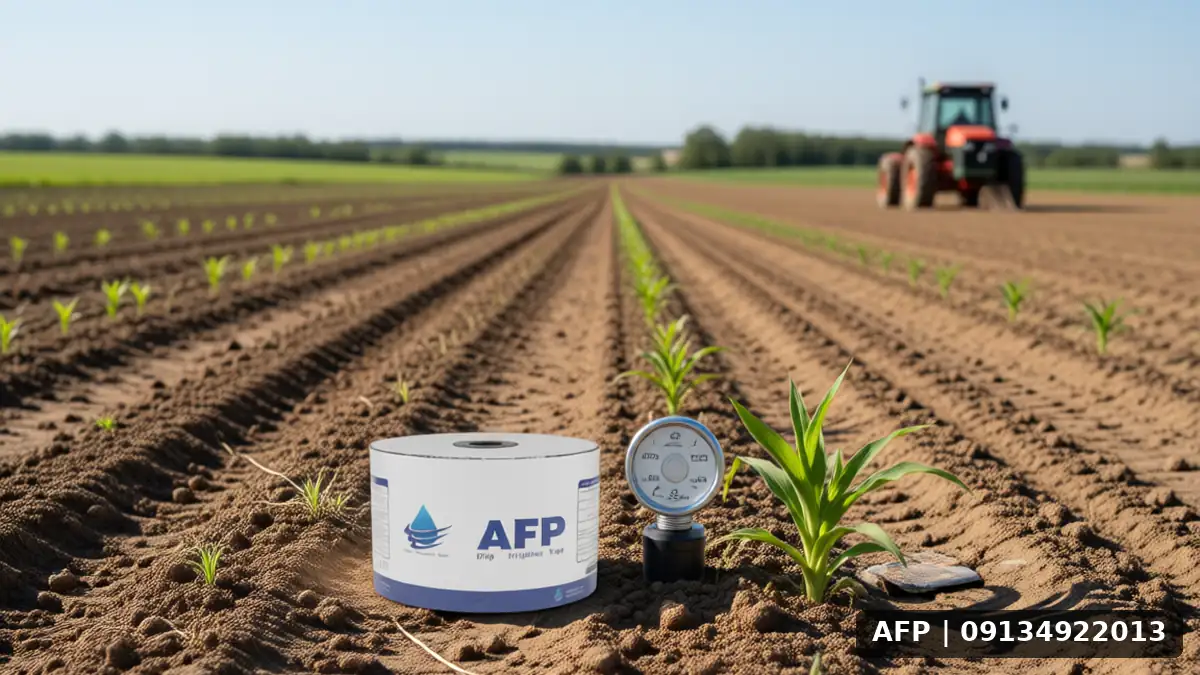
It is recommended that the operating pressure be maintained between 1 and 2 bar. Excessive pressure increases the output speed and creates excess moisture, which is harmful to the delicate parsley roots.
What is the useful life of the drip line in repeated cropping?
With proper care and protection from animal damage, it is usable for one to two seasons. Given the rearrangement for harvest cycles, drip lines are generally collected at the end of the season.
Conclusion: Investing in a Green Future
Transitioning from conventional drip irrigation to the advanced drip line technique in parsley cultivation is not merely an operational change; it represents a step toward sustainable and productive agriculture. By precisely adjusting depth, spacing, and timing parameters, it is possible to significantly reduce water consumption while improving leaf quality and lowering labor costs. This technical approach ensures the competitiveness of your parsley product in high-demand markets.
Related articles: fenugreek seed per hectar iraq, Full corn yield per hectare: A comprehensive guide for farmers, Barley yield per hectare: A comprehensive guide to boosting productivity and profitability, Potato yield per hectare: Influencing factors + methods for increase