Drip Line Maintenance in Bell Pepper Cultivation: A Comprehensive Guide to Maximizing Yield and Reducing Waste
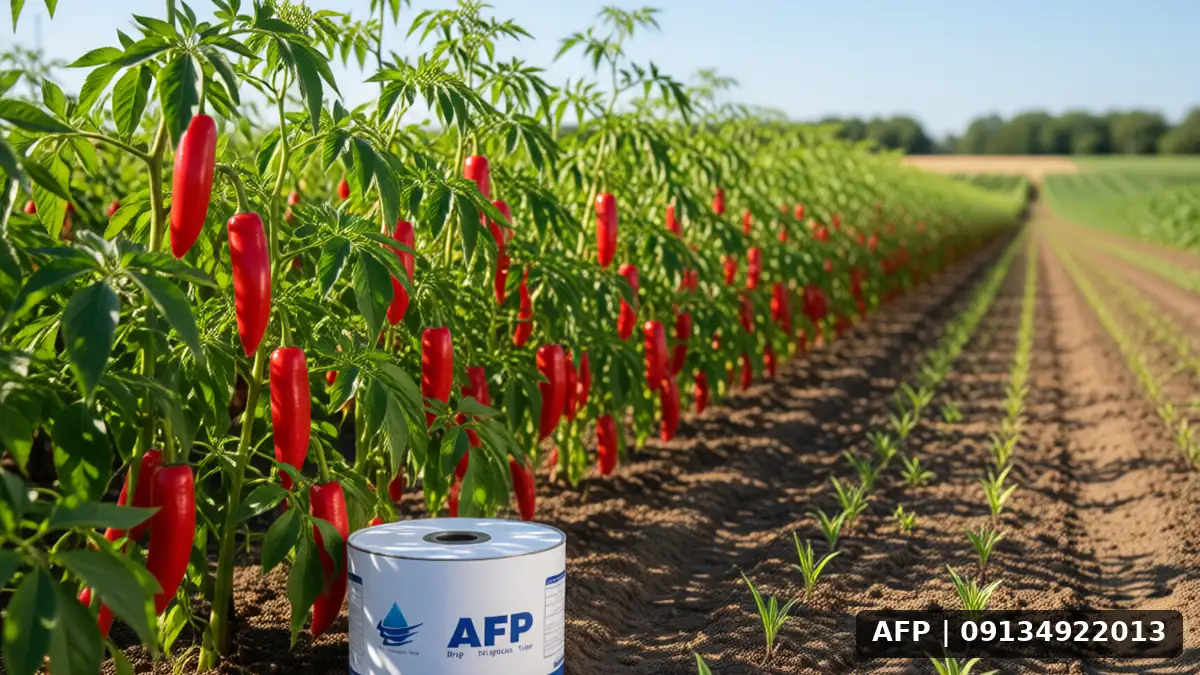
Introduction: Why is drip line maintenance critical in pepper cultivation?
Pepper is a resource-sensitive crop where uniform water distribution and direct root-zone fertilization play a decisive role in quality and yield. Drip tape, as one of the most cost-effective drip irrigation methods, allows for more precise application of water and nutrients; however, this technology is only valuable if the physical integrity of the tape and smooth water flow are guaranteed. Many farmers notice that after one or two growing seasons, a sharp drop in emitter pressure and flow rate leads to relative dryness in some rows and ultimately a 20 to 30 percent reduction in the plant’s production potential. The main cause of this problem is ignoring the protocols for pepper drip tape maintenance . In this article, we examine the technical and operational details so you can keep your system running at peak efficiency.
Understanding specific drip tape sensitivities in pepper cultivation
Bell peppers have delicate root systems and require consistently high soil moisture, making them susceptible to root diseases such as wilting and black root rot. Incorrect use of drip tape can create environmental conditions that favor these pathogens. Drip tapes are typically thinner than drip lines and have smaller flow paths. While this feature conserves water, it significantly increases sensitivity to sediment and algae. When water flow slows down or calcium deposits accumulate on the inner walls of the tape, the effective cross-section width decreases. This directly affects both the vertical and horizontal distribution of water in the bell pepper root zone. Plants located at the end of the tape or in areas where flow has reduced experience water stress, which manifests as dry spots on leaves and smaller fruit size. Therefore, understanding the hydraulic behavior of drip tape in greenhouse or open-field bell pepper cultivation is the first step in planning proper maintenance.
Key points in the pre-planting stage: Proper installation for a promising future
Drip tape clogging and wear often stem from improper installation. In temporary bell pepper systems, tapes are placed directly on the soil bed or plastic mulch. To prevent mechanical stress and deformation of the emitters, proper care must be taken in laying out the drip tapes. Excessive stretching of the tape when unrolling can narrow the cross-section and increase head loss. Therefore, selecting the appropriate agricultural drip tape with sufficient wall thickness to resist soil pressure and bell pepper root penetration is essential. Additionally, correct spacing of the tapes from one another and from the main supply line ensures pressure balance throughout the system. In bell pepper crops, typically planted in rows 40 to 60 centimeters apart, placing the drip tape in the center of the row maintains the shortest distance to the root zone. However, incorrect spacing creates dry zones between rows, increasing continuous stress on the plant during the warm growing season. Before connecting the tape to the main valves, always perform an initial flush with clean water or an anti-algal solution to remove suspended particles from the line. This brief step can increase the useful life of the tape by up to 50%.
In-Season Maintenance: Chemical and Physical Management of the System
The biggest enemy of drip tape throughout the pepper growth cycle is the growth of green and purple algae and mineral scale deposition. During warm seasons, the water temperature in sections of the tape directly exposed to UV radiation increases. This temperature rise reciprocally accelerates microbial growth. To combat this issue, regular sterilization of the system using chlorine dissolved in water or hydrogen peroxide is recommended. The chlorine concentration should be between 2 and 4 ppm (parts per million). Note that residual chlorine in the water must not reach the pepper roots at high concentrations, as this plant is sensitive to chlorine toxicity. Therefore, the timing of disinfectant application should be during hours when the water is quickly drained from the system or it should be injected with controlled and staged dosages. In addition to hygiene issues, filtration of water entering the pepper drip tape system is vital. The use of disk (particulate) filters with a 120-150 micron range and mesh filters with a 10-15 cm cell size provides the first line of defense against sediment and suspended materials. Periodic cleaning of these filters, especially during the peak of the warm season when lime deposits reach their maximum, must be included in the weekly maintenance schedule. Furthermore, daily monitoring of the outlet pressure from the end of the tape lines provides precise information on the level of potential clogging. If the pressure in some lines is less than 15% different compared to others, it is a sign of gradual partial clogging that requires backflushing.
Common Mistakes in Pepper Drip Tape Maintenance
- Use of unsuitable fertigation fertilizers: Certain plant-based food products with very low or high pH can alter the chemical conditions of the solution and cause internal precipitation in the tip tape tapes. Always apply fertilizer through the main system and maintain an optimal pH of 6 to 6.5.
- Bending or twisting the tape: Tip tapes have narrow dimensions, and bending beyond the maximum allowable turn radius causes permanent deformation of the tapes and reduces flow rate. Store tapes flat and without pressure.
- Ignoring flow monitoring: Regularly measuring the water flow speed from the emitters is the only way to detect clogging early. If the output flow is less than 80% of the initial design flow, it is time for flushing.
- Lack of reverse flushing: At the end of each irrigation cycle, especially after fertilization, the system must be flushed with water at higher pressure for 3 to 5 minutes to remove dissolved substances and sediments from the path. This procedure plays a crucial role in the maintenance of tip tape for bell peppers.
Periodic flushing and post-season maintenance guide
Bell pepper is a multi-crop cultivar. After the final harvest and at the end of the production cycle, the tape drip system is typically either refurbished for the next season or discarded. If you plan to retain the tapes for the following year, you must completely drain them of water and organic matter and store them at the appropriate temperature, protected from direct sunlight. However, for commercial systems, the optimal solution is thorough chemical flushing before storage. Use diluted solutions of citric acid or oxalic acid to remove hardened calcium deposits from the tape walls. The flushing process must be performed intermittently at a pressure higher than the standard operating pressure to mechanically dislodge the deposits. Additionally, when using combined tape and drip systems, ensure that the different pressures of these two systems do not negatively affect the flushing process. Applying appropriate pressure differentials to each section of the pipeline prevents the thin tapes from being damaged.
Frequently Asked Questions (FAQ) About Maintaining Tape Drip in Bell Pepper
Why is tape drip preferred over permanent drip tapes in bell pepper cultivation?
Although permanent drip tapes have a longer lifespan, tape drip systems have lower initial costs and offer a faster return on investment for single-season or short-term crops like bell pepper. Furthermore, replacing damaged or worn tapes in a tape system is significantly easier and less expensive than repairing buried drip lines.
What is the time limitation for using tape drip in bell pepper?
By strictly adhering to washing and filtration protocols, a high-quality drip tape line can last for 2 to 3 pepper growing seasons. A noticeable drop in pressure or irregular, scattered emission from the line-end emitters indicates that the line has reached the end of its service life and must be replaced.
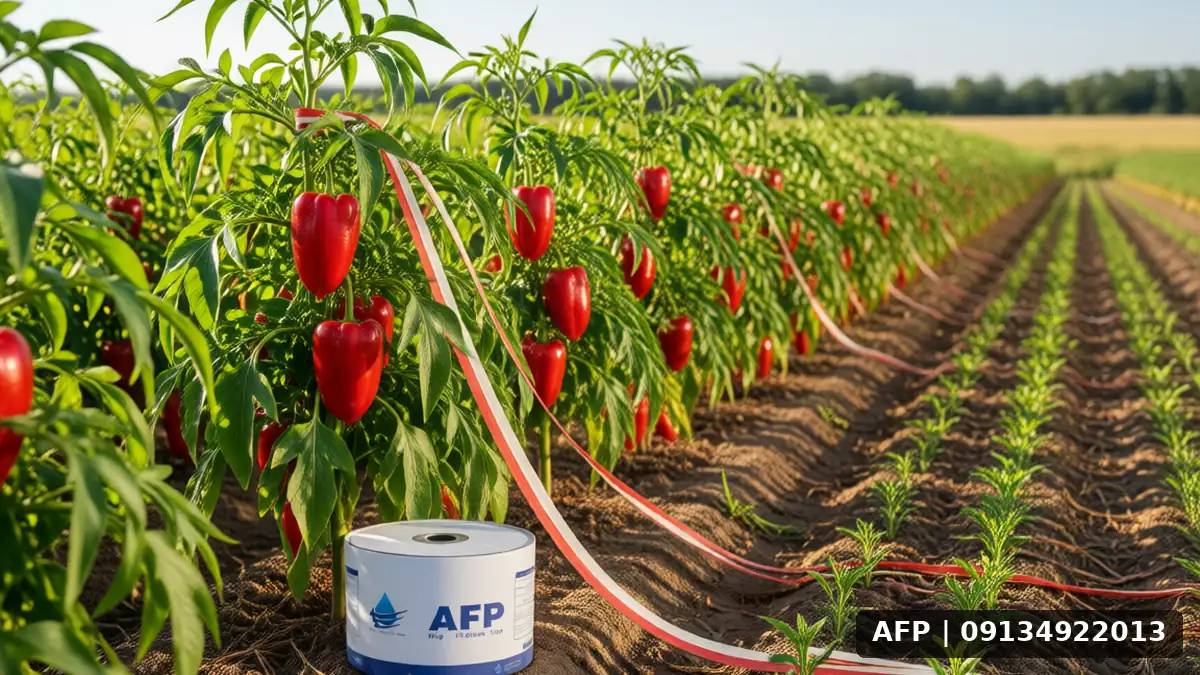
Can drip tape be used for full fertigation of pepper?
Yes, drip tape is fully suitable for injective fertigation, but specific attention must be paid to pH and complete fertilizer solubility. Any undissolved particles that pass through a 150-micron filter can clog the narrow emitters in the line. Therefore, use high-shear mixers and centrifuges to ensure the solution is homogeneous before injection into the system.
What is the main difference in pepper drip tape maintenance compared to other greenhouse crops?
Pepper has higher susceptibility to root fungal diseases and requires continuous high humidity. This means the drip tape system must undergo more rigorous sanitary and disinfection checks to prevent secondary water-borne infection by phytopathogenic fungi. Additionally, the high planting density for pepper causes plant roots to reach the drip line surface earlier than in other crops, increasing the risk of emitters being clogged by roots (Root Clogging). Root growth control through appropriate fertilization and periodic line monitoring is an inseparable part of maintenance.
Conclusion: Investing in System Health
Maintenance of bell pepper drip tape is a continuous process that lasts from installation to the end of the growing season. By understanding the sensitive nature of the system, implementing effective filtration, managing water chemistry correctly, and continuously monitoring flow rate, you can prevent clogging and reduce economic yield losses. Remember that repair costs for damaged drip tape or yield losses are significantly higher than preventive maintenance costs. By following the principles outlined in this article, you can ensure your bell pepper quality for export and domestic markets. To learn more about yield increase methodologies in other crops, you can also read the guide on increasing tomato yield per hectare, as similar principles apply to the Solanaceae family. Additionally, studying the article ‘Irrigation drip tape in Tikrit: Advanced agricultural solutions to increase productivity’ can provide an international perspective on solving irrigation problems in similar high-density farming regions.
Conclusion
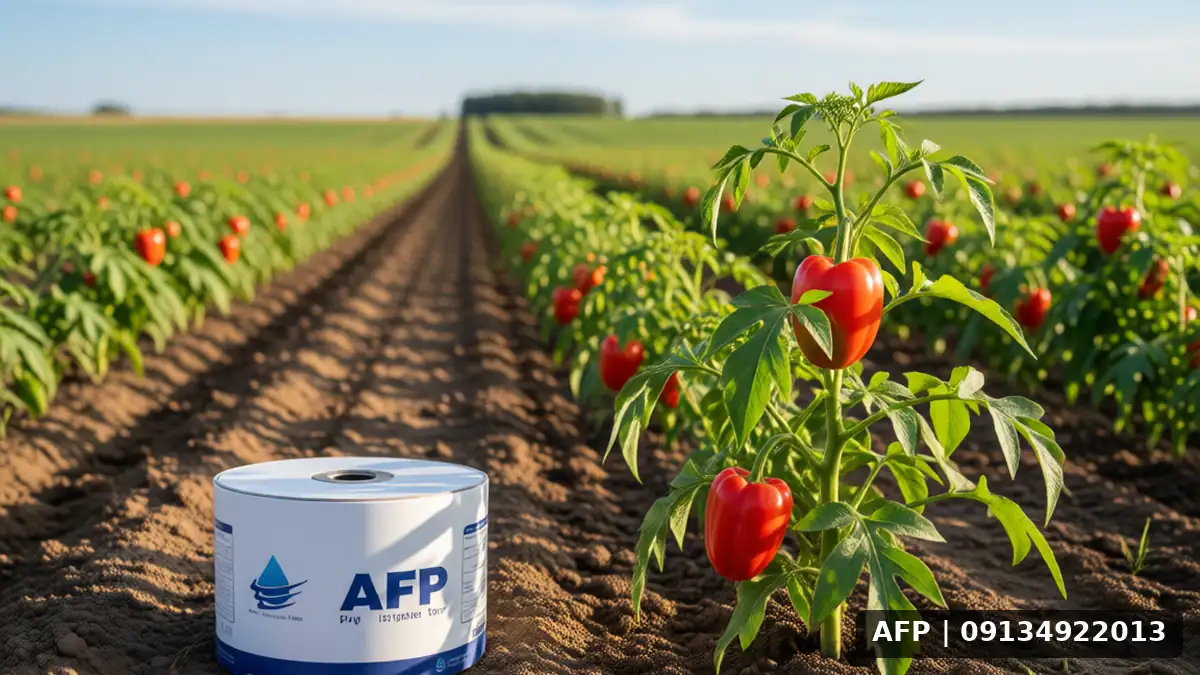
Tape drip irrigation for pepper combines agricultural knowledge with precise engineering. Given this crop’s high sensitivity to water quality, a well-documented and systematic maintenance management system is key to your economic success. Learn from others’ experiences and never overlook small details in your system, as in drip irrigation, details determine the final harvest outcome.
Related articles: Tape drip spacing for beans: standard for optimal cultivation, kidney bean seed rate per hectare factors iraq, Increasing tomato yield per hectare: A comprehensive guide, seed amount spinach hectare optimal methods