Drip Irrigation in Saffron Cultivation: Farm Cost Analysis
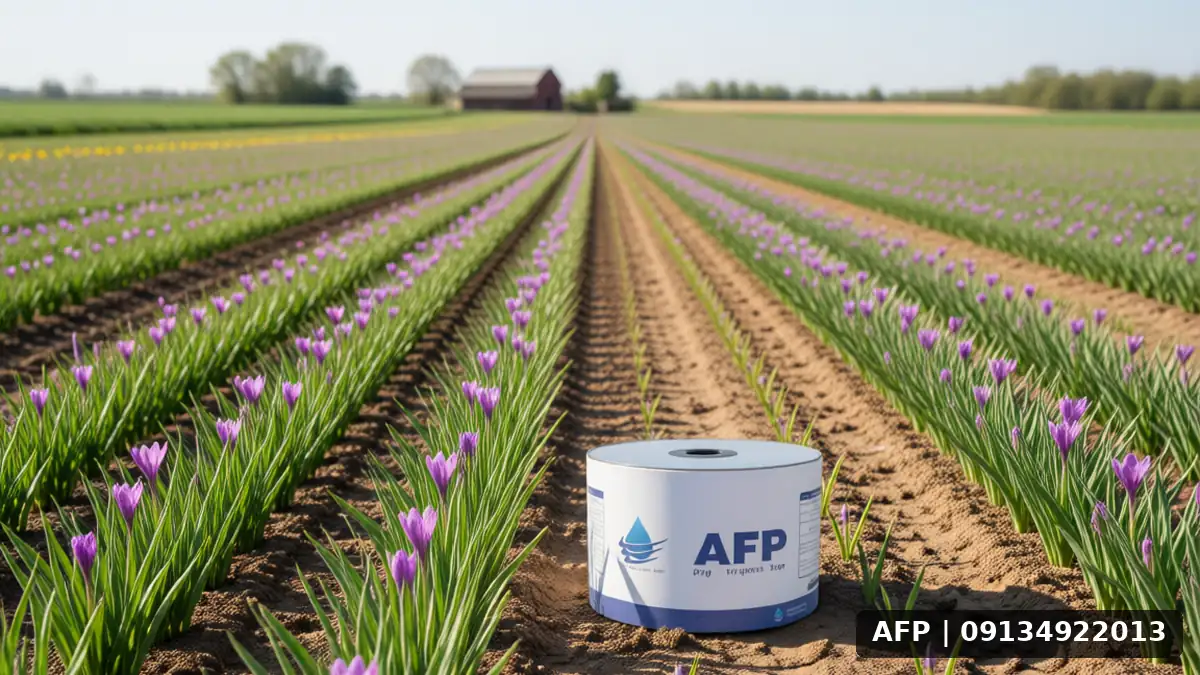
Saffron cultivation is one of the highest-yield agricultural industries in Iran, requiring precise water resource management due to the gradual growth of corms and sensitivity to water stress. In recent years, many farmers have turned to drip irrigation for saffron and band-type tape to increase yield and reduce plant stress. However, the primary question in investors’ minds is how to accurately estimate costs at the farm level. In this article, we comprehensively examine the initial and ongoing costs and economic benefits of this system so that you can make informed decisions.
Structure and Components of Drip Irrigation Systems in Saffron Farms
To properly understand costs, you must first identify the system’s components. Drip systems typically include band-type tape, connectors, pressure regulators, filters, and a water source. In rotation crops or light saffron stands, permanent or temporary band tapes are often used. The choice of tape type (push-fit or permanent) directly impacts the total cost. For appropriate selection, read the article How to Choose the Suitable Drip Irrigation Tape which can help determine the required pipe model and diameter.
In addition to the tape, ancillary costs such as pumps, tanks, and metal or plastic fittings are included in calculations. Many farmers overlook that the correct installation of these components is as important as the purchase itself. You can read the guide at type irrigation tape installation method Understand the technical details of correct drip tape installation to prevent leaks caused by human error.
Economic analysis and cost estimation in the field
Drip irrigation costs for saffron are divided into two main categories: fixed (capital) costs and variable (operational) costs. Capital costs include the price per meter of drip tape, the cost of disc filters or screen filters, control valves, and labor for installation. For example, if your field is one hectare, assuming an appropriate density, you will need several kilometers of drip tape. The critical point is that the quality of the tape affects its useful life and, consequently, the replacement costs in subsequent years.
- Cost of purchasing drip tape: Calculated based on line length and density per hectare.
- Cost of filters and valves: Depends on the number of lines and the size of the field.
- Labor and installation costs: Includes worker wages and machinery costs, if applicable.
For variable costs, you must calculate the energy cost for water pumping, as well as the costs of cleaning and maintaining the tapes. One of the most important economic considerations is reducing water consumption. Drip irrigation results in a 30% to 50% savings in water use compared to flood irrigation. This savings directly reduces the water cost per saffron corm, lowering the total production cost in the long term. To better understand crop yield per unit area, you can refer to the article on the required seed quantity of Donyasaz per hectare to better assess the investment-to-yield ratio for similar crops.
Impact of soil type and saffron root depth on system selection
Saffron is a plant with moderate root depth that is sensitive to soil moisture. If your field soil is sandy, it has higher permeability and requires more frequent irrigation. In this case, water transport and pumping energy costs increase. However, in loamy soils, you can use fewer irrigation cycles with larger volumes, which leads to reduced maintenance costs for the tapes.
Using tape drip alongside other crops can also be economically beneficial. Many farmers grow products such as lotus or complementary plants between the saffron rows to increase income. In this case, the irrigation system is shared, and the fixed costs of the system are divided between two crops. To determine the seed usage and cultivation needs of complementary plants, refer to Lotus seed quantity per hectare which can help you with more precise planning.
- Regular filter cleaning: Filter clogging leads to lower pressure and tape leaks, which increases repair costs.
- Pre-season tape inspection: Periodic inspections can prevent sudden breakdowns during peak production.
- Precise valve pressure adjustment: Excessive pressure shortens tape lifespan.
Frequently Asked Questions (FAQ)
Is temporary or permanent drip tape more cost-effective?
Permanent tape has a higher initial cost but a useful life of 3 to 5 years. Temporary tape is cheaper but requires repurchase every year. For dryland and sustainable crops like saffron, permanent tape is the better long-term option, reducing recurring purchase costs.
Can the drip irrigation system be combined with a rain system?
It is feasible but increases complexity and initial costs. It is better to first determine the water requirements of saffron using drip irrigation and, if soil salinity flushing is needed, use flushing pumps at the beginning of the line.
What financial savings are achieved with drip irrigation in saffron?
In addition to a 40 percent reduction in water costs, increased yield due to reduced water stress can increase annual income by up to 15 percent. This yield increase offsets the initial system cost faster.
Purchase Guide and Technical Considerations Before Investment
Before purchasing a system, always inspect tube samples regarding wall thickness and emitter spacing. Low-quality tubes may malfunction in the first week, doubling repair costs. Additionally, using standard connectors prevents hidden leaks. For technical details and selection criteria, refer to the article Tips Before Buying Drip Irrigation Tape which serves as a comprehensive guide for buyers.
Also, if you plan to use automated control systems, accurately calculate the cost of these equipment. Using moisture sensors can optimize water consumption but increases electronic equipment costs. The decision should be based on your farm’s economic balance; does the cost of this technology offset the hidden savings in water and labor usage?
Summary and Conclusion
The use of saffron drip irrigation This is a strategic investment towards the sustainability of your farm. Although the initial cost of installing the system may pose a barrier for some farmers, this cost is significantly recovered within two to three growing seasons through careful selection of the tape type, regular maintenance, and taking advantage of reduced water consumption. The final recommendation is to conduct a precise assessment of soil conditions, available water resources, and associated crop types before proceeding. By combining technical knowledge from related article sections, such as tape selection, installation guides, and purchasing tips, you can achieve an economic and sustainable result in your saffron farm. Ultimately, the health of the loda and your saffron crop is key; therefore, invest wisely.