Drip Irrigation in Rosemary Cultivation: A Comprehensive Guide
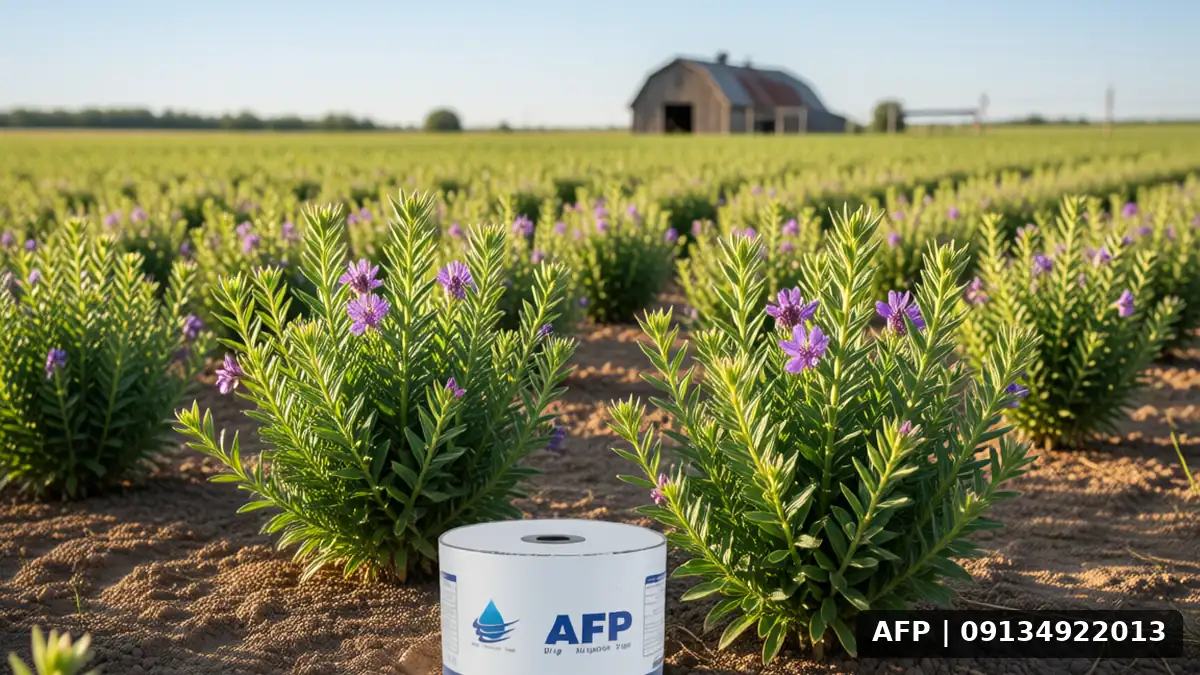
Introduction: Why is Node Irrigation Critical for Rosemary?
Rosemary (Salvia rosmarinus) is an aromatic medicinal herb that is highly popular in commercial cultivation in Iran and many parts of the world. Compared to other ornamental plants or vegetables, this plant has slightly deeper and more sensitive roots and is sensitive to sharp moisture fluctuations. In arid and semi-arid climates, conventional drip or strip irrigation can sometimes lead to soil washing around the collar and reduce light absorption for the lower leaves. On the other hand, surface irrigation leads to root rot. In this context, Node Irrigation by focusing on direct water delivery to the active root zone (approximately 15 to 20 cm below the soil surface), creates the best balance between moisture and oxygenation.
Using this method not only prevents water waste but also reduces the growth of weeds and fungal diseases, which thrive in humid conditions, by lowering the relative humidity at the plant bed surface. In the following section, you will study this comprehensive guide, focusing on technical principles, equipment selection, and operational management.
Technical Principles of Node Irrigation Systems in Rosemary
Node Irrigation is actually an advanced form of drip line that, instead of a continuous emitter along the entire length of the line, uses nodes (small discs) spaced at specific intervals. These nodes operate at different flow rates and direct moisture more sparsely but deeper into the subsoil.
- Burial depth of the line: For rosemary, the optimal burial depth for the node line is 10 to 15 cm below the soil surface. This depth corresponds exactly to the zone where fibrous roots are concentrated.
- Node spacing: Depending on the rosemary container or planting row, node spacing is generally set at 20 to 25 cm to ensure sufficient overlap of the wetting bulb beneath each node with the adjacent node.
- Flow rate per node: The discharge rate of each node must be adjusted to match the local soil’s water holding capacity. In sandy soils, a higher flow rate and a greater number of nodes are recommended, whereas in loamy soils, fewer nodes with a more stable flow rate are sufficient.
One of the key benefits of this system is the reduction in total water consumption; water is used only at the required depth without direct surface evaporation. Additionally, since the lines are placed beneath the soil surface, they are protected from physical damage caused by surface cultivators.
Practical tips for installation and setup
Correct installation of a drip irrigation system requires precise calculation of working pressure and piping. Rosemary is a salt-sensitive plant; therefore, using water with high TDS can lead to salt accumulation in the root zone over time. In this case, Leaching cycle becomes critical. In a drip system, since water flows directly beneath the roots, if an adequate drainage system is not in place, salinity can reach the roots directly.
- Pressure Test: Before burying the line, always test the system at 1.5 times the nominal working pressure to ensure there are no leaks at the emitters.
- Spacing Adjustments: If your rosemary is grown in large containers such as boxes or pots, run the line through the center of the container to ensure roots receive water evenly.
- Filtration: Due to the small size of the node holes, the use of a 120 micron absolute filter is strictly required to prevent clogging of the nodes during the season.
Additionally, drainage management in rosemary orchards through node irrigation must be performed carefully. Sometimes, farmers stop irrigation due to fear of salinity, which can lead to chronic drought stress and a reduction in plant aroma. The proper balance should be determined using agricultural moisture sensors or manual soil testing.
Impact on Rosemary Growth and Yield
Studies have shown that rosemary under deep node irrigation exhibits approximately 15 to 20% more lateral stem growth compared to surface band irrigation. The reason is the hormonal stimulation of roots under uniform moisture conditions. This healthier growth leads to an increase in the volume of dry product and the concentration of essential oil, which is the determining factor for price in the medicinal and aromatic rosemary industry.
Furthermore, this method keeps the lower leaves, which typically become wet and rot in surface band irrigation, healthy. Healthy leaves mean a larger surface area for photosynthesis and, ultimately, greater dry matter production. For farmers aiming to produce export-standard rosemary, maintaining uniform color and stem health through this irrigation method is essential.
System Management During the Growing Season
The vegetative growth of rosemary includes two main stages: the vegetative growth stage and the flowering stage. During the vegetative growth stage, the plant’s water requirements increase, and you need to adjust the frequency or flow rate of the node drip irrigation. In the flowering stage, if you intend to produce seeds, a gradual reduction in water (stress) can be beneficial; however, this must be strictly controlled to prevent flower drop.
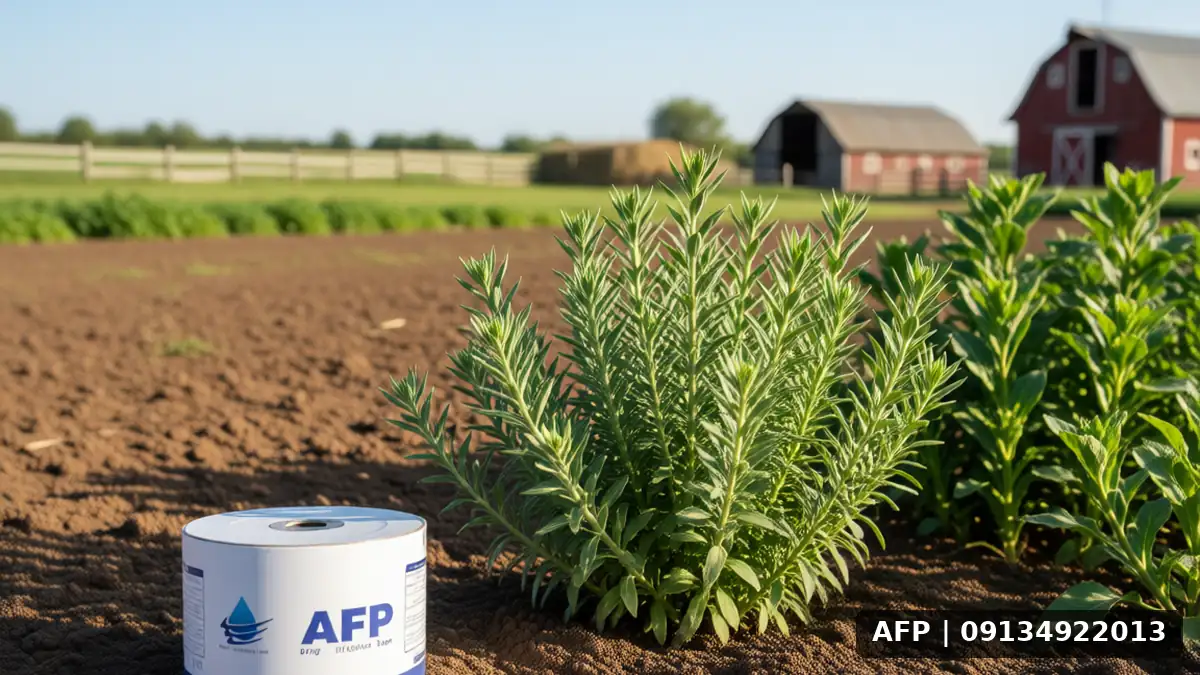
Additionally, because rosemary requires full sun, in regions with intense sunlight, lightweight shade structures can be helpful; however, these structures should not impede the proper air flow beneath the irrigation lines. Adequate ventilation in this system prevents the creation of a humid and dense environment.
Frequently Asked Questions (FAQ)
Is node irrigation suitable for greenhouse cultivation of rosemary?
Yes, this method is very popular in modern greenhouses. Node drip lines can be connected to greenhouse automation systems, and irrigation scheduling can be executed with high precision based on soil moisture sensors. This prevents cooling energy consumption on days when soil moisture is low.
What is the initial cost of a node irrigation system?
The cost of a node irrigation system is typically slightly higher than a continuous drip line due to specialized node parts and more precise installation requirements. However, if an economic evaluation is performed, the return on investment can be observed within less than one growing season due to water conservation and increased yield. Also, the reduction in labor costs for managing unstable water application is a significant factor in this calculation.
Can the system be changed during the season?
Changing the system mid-season is not recommended unless the previous system has failed. Rosemary roots adapt to specific depth and irrigation frequency over time. Sudden changes can cause physiological shock. If a new system is to be installed, it is best to do so at the start of the growing cycle or when pots are being moved.
To better understand general irrigation principles and resource optimization, it is recommended to review the section on Tip plug cloud mist spraying Although rosemary does not require direct rain showering.
Conclusion and Final Recommendations
In rosemary cultivation, drip irrigation is more than just a technique; it is a strategy for producing high-quality plants with sustainable profitability. By adhering to proper burying depth, emitter spacing, and salinity management, disease risks can be reduced while protecting groundwater resources. Farmers should conduct preliminary trials in a small section of the field to determine the optimal flow rates and scheduling for their specific soil and climate. Success in cultivating fragrant rosemary requires attention to detail, and drip irrigation is one of those critical factors that makes a difference by the end of the season.
We are constantly producing content to optimize various crops. To learn about methods for increasing the yields of other plants, such as the seed rate per hectare for rosemary or techniques beet seed rate per hectare that indirectly relate to managing planting space, you can refer to our articles. Additionally, understanding the general principles of the seed rate per hectare for hyssop helps you better understand planting density principles for other aromatic and root plants. Proper crop and irrigation management is the golden key to profitability in modern agriculture.
Related articles: ushuli shinodani piyaz obri nuqravi Hyssop seed rate per hectare: influencing factors and optimization methods