Drip Irrigation in Quinoa Cultivation: Applications, Efficiency, and Practical Tips
Introduction to the Importance of Precision Irrigation in Quinoa Cultivation
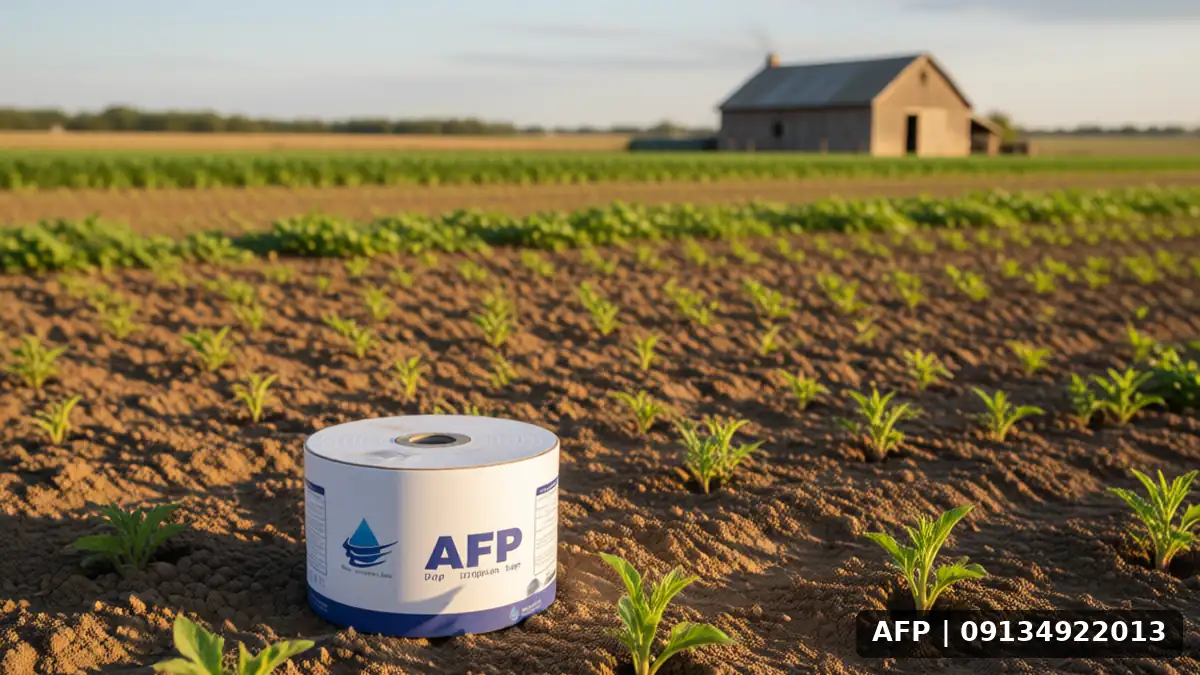
Quinoa, often recognized as the “food of the future,” has garnered significant attention from farmers and researchers in recent years due to its high nutritional value, complete protein content, and adaptability to diverse environmental conditions. Native to South America, this plant is capable of growing across a wide range of climatic conditions, including arid, semi-arid, and even desert regions. However, one of the primary and fundamental challenges in commercial quinoa cultivation is the optimal and precise management of water resources. Given that quinoa can thrive under semi-arid conditions, the use of precision irrigation methods such as Key Considerations Before Installing a Drip Line in the Field can make a substantial difference in the final yield and plant consistency. Drip irrigation, by delivering water and nutrients directly to the root zone, not only saves water significantly but also prevents salinization of the soil surface layer. This is particularly vital in regions where soil salinity is a major constraint on cropping. Therefore, a deep understanding of the technical principles of these systems and their adaptation to quinoa plant physiology is considered the key to successful, high-quality, and sustainable production.
[{{IMAGE_1}}]
Specialized Applications of Drip Irrigation in Quinoa Cultivation
Improving Plant Quality and Performance
In drip irrigation systems, the low operating pressure minimizes evaporation and runoff. This is critical for quinoa, which is sensitive to moisture balance and has a dense superficial root system. Unlike surface irrigation, which creates moisture heterogeneity in the root zone, drip systems enable more precise control and soil moisture stability. Similar to many cereals, where sowing density per hectar, such as in alfalfa, demands precision in planting and irrigation, quinoa also requires moisture consistency. With drip irrigation, programs can be scheduled to ensure continuous water access for quinoa’s superficial roots without causing waterlogging or moisture deficits. This stability promotes uniform shoot growth and maximizes the potential for healthy, vibrant grain production, ensuring final crop quality.
Integration of Fertigation Systems
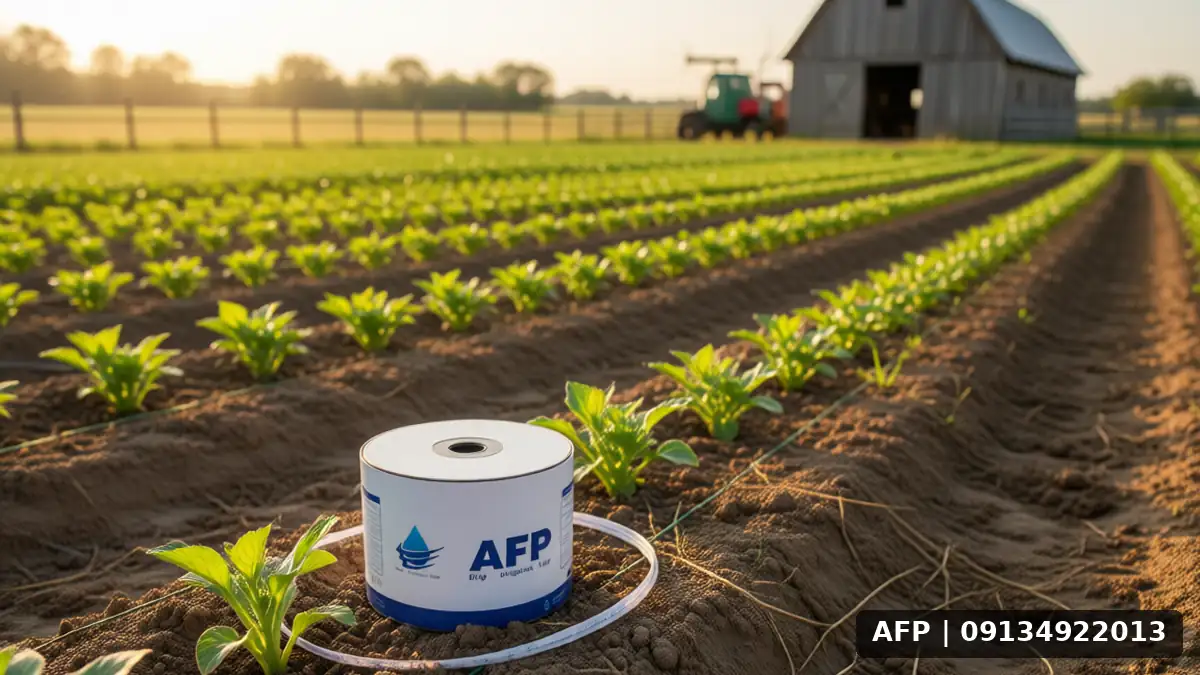
One of the most powerful and efficient applications of drip irrigation is fertigation (root feeding via the irrigation system). Since quinoa is sensitive to certain nutrients like iron, potassium, and beneficial microorganisms, injecting nutrient solutions directly into the root zone through the drip line maximizes uptake. This method aligns with the principles discussed in guides on carrot sowing rates per hectare for root nutrient optimization; both quinoa and carrots share similar sensitivities in selective nutrient uptake under root-zone pressure. In quinoa, this leads to more uniform growth, reduced plant stress, and decreased flower drop. Additionally, the ability to precisely calibrate nutrient concentrations based on growth stages prevents fertilizer waste and supports environmental protection.
[{{IMAGE_2}}]
Practical Tips for Successful System Implementation
Selecting the appropriate drip tape type
For quinoa, which is typically sown with row-to-row spacing of 60 to 75 centimeters, selecting drip tape with the correct emitter spacing is critical. The distance between emitters must allow the wet zones of adjacent emitters to overlap. This overlap prevents dry spots from forming in the root zone. In this regard, understanding structural differences is essential; for example, knowing the difference between extruded and pre-pressed drip tape can help you choose the product best suited for your farm’s soil conditions. Extruded tapes are generally more resistant to rodent attacks and have a longer service life, while pre-pressed tapes may have a lower initial cost. For quinoa, which has medium-depth roots and is sensitive to moisture uniformity, using high-quality, standard-grade tape is vital to prevent clogging and maintain a steady flow rate throughout the growth season.
Pressure and filtration management
Emitters require uniform and stable pressure. Pressure fluctuations cause some emitters to deliver more water than others, leading to uneven quinoa growth and reduced final yield. The use of pressure regulators on lateral lines is recommended. Additionally, adequate filtration prevents sedimentation inside the emitters. This principle of system maintenance is similar to practices used for radish drip irrigation, as radish is also a crop sensitive to moisture balance with storage roots. Although quinoa is a grain, its root behavior in early stages resembles that of certain root vegetables regarding soil consistency needs. Neglecting filtration can result in emitter clogging and increased repair costs.
[{{IMAGE_3}}]
Frequently Asked Questions (FAQ)
Is drip irrigation for quinoa feasible in saline areas?
Yes, drip irrigation is one of the best and most efficient methods for managing salinity. Because fresh or saline water (in limited concentration) is delivered directly to the root zone, the soil solution salinity in the root zone remains lower than at the surface. This characteristic makes quinoa, which has relatively high salt tolerance, very suitable for cultivation in desert regions. Additionally, the lack of surface soil wetting prevents salt evaporation and return to the surface, protecting the soil surface from salinization.
How are planting spacing and drip irrigation coordinated?
The drip tape line must be positioned exactly in the middle of two quinoa planting rows. If the row spacing is 60 centimeters, the drip tape must be placed exactly 30 centimeters from each row. This layout ensures better root zone coverage. Failing to adhere to this spacing, similar to an error in guiding biomass yield per hectare (for example, in row layout for precision irrigation), can lead to reduced final yields. Adhering to this physical geometry is essential to ensure uniform water distribution to the entire plant population.
Conclusion
The use of drip irrigation for quinoa is not just an option but a necessity for high-quality and sustainable production. This system unleashes the plant’s yield potential by combining precise irrigation with fertigation. By carefully selecting the drip tape type, regulating pressure, and observing planting distances, you can achieve higher yields while reducing water consumption by 30 to 50 percent. For a broader understanding of general water management challenges in crops, reviewing topics such as irrigated wheat yield per hectare in Iraq can provide an interdisciplinary perspective on the importance of water resource management in orchards and farms. Ultimately, quinoa grown with drip irrigation will be not only a healthier crop but also a more economical and environmentally friendly one, ensuring the economic sustainability of the farm.
Related articles: wheat irrigated yield per hectare iraq, tikmi kunjat dar hektar, hasilnoqi baqloi khushk dar yak hektar