Drip Irrigation in Pepper Cultivation: Key Considerations and Practical Guide
Introduction to the importance of precise water management in pepper cultivation
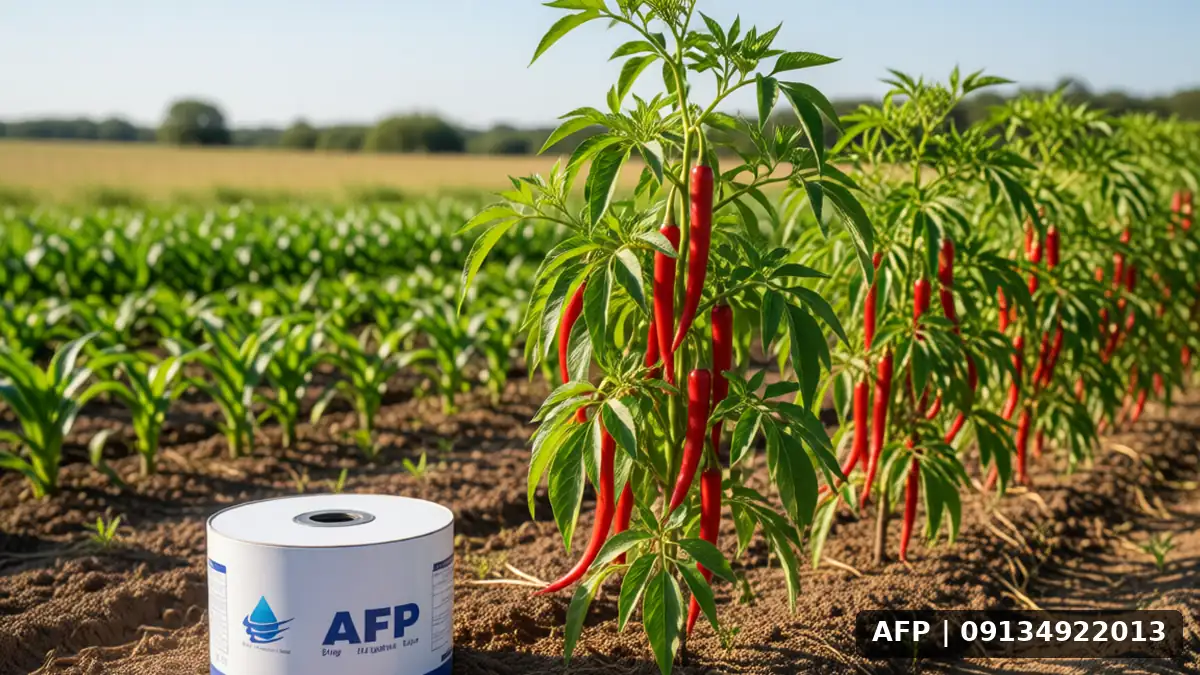
Pepper is one of the most valuable greenhouse and open-field crops, highly sensitive to waterlogging due to root fragility and requiring uniform moisture distribution, making it extremely sensitive to irrigation management. In Iran’s climate, the use of conventional irrigation systems often leads to water resource waste, soil surface compaction, increased root diseases, and reduced fruit quality. Conversely, Drip irrigation for pepper enables the direct injection of water and nutrients to the root zone, creating ideal conditions for balanced plant growth. This method not only reduces water consumption by 30 to 50 percent but also prevents fruit splitting and stem rot by maintaining soil moisture stability. In this article, we examine the technical and operational details of strip line installation and operation in pepper fields.
Selecting the right system: Drip or Strip Line?
For pepper, especially in commonly used greenhouse systems, there are two main options: Drip Line and Strip Line. Both methods are similar, but the main difference lies in the droplet spacing and flow rate.
- Strip Line: In this system, water is applied as a continuous strip or very dense droplets on the soil surface. This method creates a wider wet spot around the line.
- Conventional drip: Droplets fall onto the soil at set intervals (e.g., every 1 to 5 minutes). This method creates less surface soil moisture and is better suited for preventing weed growth in greenhouses.
In high-density pepper cultivation, using a micro-tube (inline drip) with a discharge rate of 1.6 to 2.0 m/h is usually recommended. Although this system entails higher water consumption, it ensures better distribution of nutrients in the substrate (peat or soil). To better understand the importance of precise discharge calibration, you can consult a comprehensive guide on determining the start point of the micro-tube to prevent clogging and uneven spray.
Key points in designing and installing the pepper drip irrigation system
1. Proper emitter spacing
The spacing of drippers or the distance of the micro-tube from the plant base is the key parameter determining the water volume delivered to the root zone. In pepper cultivation, the emitter distance from the stem is typically 5 to 10 cm. The spacing of adjacent emitters along the line varies based on the root diameter. For standard greenhouse blocks, a spacing of 20 to 30 cm is appropriate. If planting density increases, additional emitters must be added to maintain system balance.
2. Water pressure management and balancing
Drip irrigation requires balanced operating pressure. Excessive pressure causes nozzle erosion and nutrient clogging in the root zone, while low pressure results in uneven moisture distribution. The ideal pressure for drip line systems in bell pepper farms is typically between 0.6 and 1 bar. Using mesh filters with 100 to 200 mesh at the system inlet prevents nozzle clogging by suspended particles. For more details on auxiliary equipment, you can review the article on leek cultivation using drip irrigation, which describes similar processes, although bell pepper requires greater precision in hose coupling.
Practical tips for the daily operation of drip systems
Bell pepper has different water requirements at various growth stages. During the cutting and rooting stages, moisture should be kept low to prevent fungal diseases. Water needs peak during the vegetative growth and fruiting stages. The following practical tips are provided:
- Irrigation scheduling: Irrigation is best performed in non-visible or early hours to reduce evaporation. In greenhouses equipped with controllers, use dynamic pumps to maintain stable pressure.
- Soil temperature: The soil temperature for bell pepper beds should be between 18 and 24 degrees Celsius. Irrigation with cold water during cold seasons can cause root shock. Use water storage tanks to regulate relative temperature.
- Monitoring EC and pH of water: The water used must have a low electrical conductivity (EC) (below 1.5) to avoid interfering with chemical fertilizers. The pH of the water should also be adjusted to the range of 5.5 to 6.5. For more precise feeding control, study Cucumber Drip Irrigation Guide may be useful because it shares similar principles of peat-like substrate nutrition.
- Salt flush: At the end of each irrigation cycle, deliver a short pulse of extra water (Flush) to wash away salts that have accumulated on the soil surface.
For comparison between different crops, knowing the exact drop size is essential. Although pepper is not a tobacco crop, similar calculation principles used for estimating total rapeseed seed per hectare can help estimate density and the total water requirement of the field. In other words, knowing the number of potted plants and strip spacing allows prediction of the total irrigated volume.
Frequently Asked Questions (FAQ) about Pepper Irrigation
Is tape irrigation better than drip irrigation for pepper?
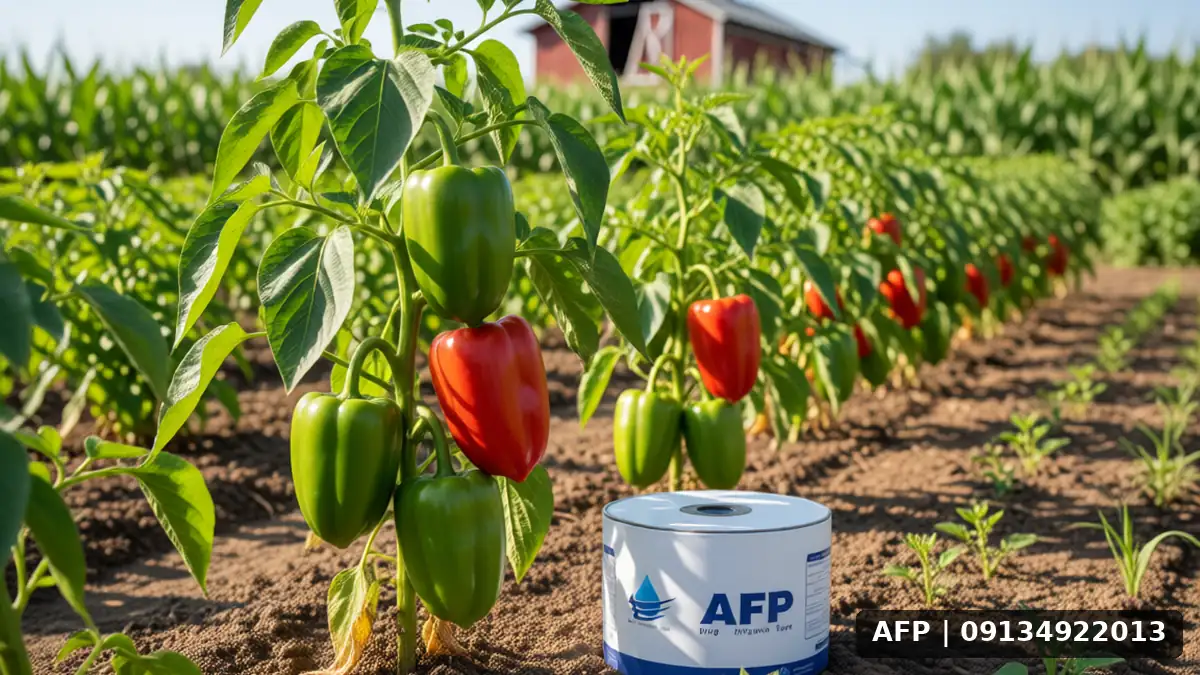
Tape irrigation creates more uniform distribution and prevents root clumping in the central wet zone, making it generally the better option for peppers, which are sensitive to uneven growth. However, it has a higher initial cost.
How can I prevent pepper fruit splitting or cracking due to water fluctuations?
By establishing a consistent schedule for the drip system and using soil moisture sensors, you can prevent sudden drops in moisture. Peppers are sensitive to rapid moisture changes, and fluctuations lead to fruit splitting and reduced sugar storage.
Can I use the pepper drip system for other crops as well?
Yes, the principles that work for peppers also apply to many vegetables. For example, in green bean planting using tape irrigation with similar settings is also recommended. The main difference lies in root depth and consumption rate, which must be compensated for by adjusting the nozzle spacing.
When is the best time to flush drip emitters?
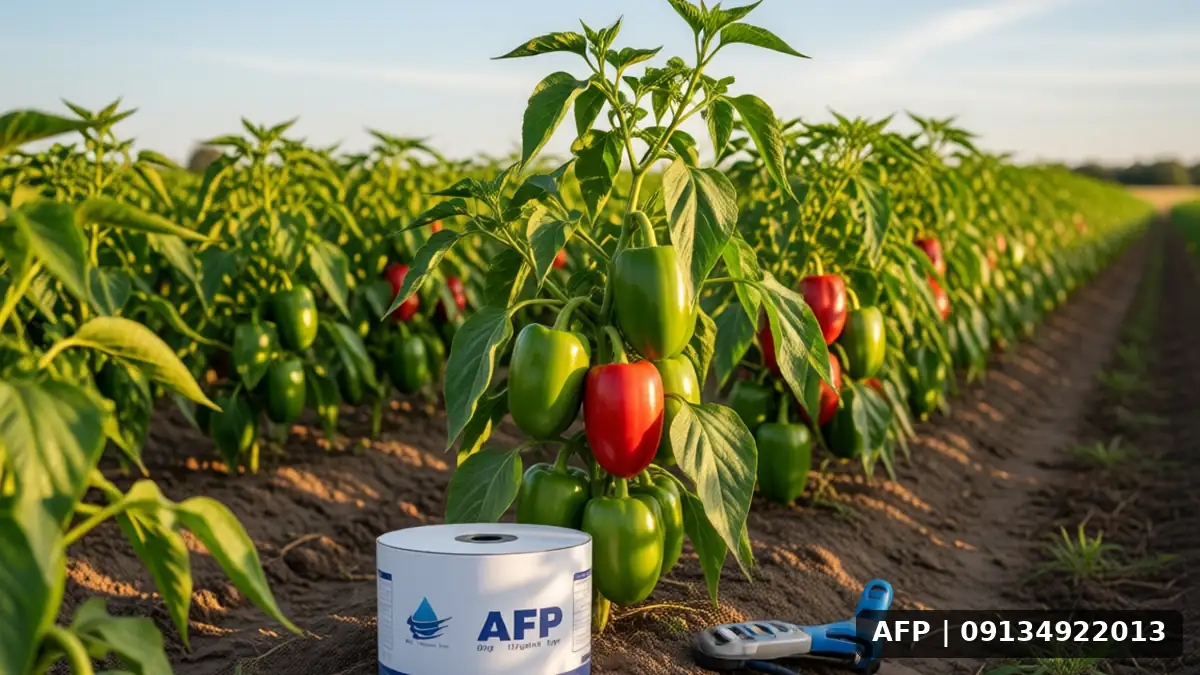
If using hard or sediment-laden water, flush the system monthly with citric acid or Whiteacid. This prevents clogging of drip lines and reduces yield loss.
Summary and Future Outlook
Continuing with drip irrigation systems in bell pepper cultivation requires precise implementation of every phase, from installation to daily management. This system not only increases water savings but also ensures consistency in fruit quality and size. Given the scarcity of water resources, investing in precision equipment and smart control systems is essential in the long term for every farmer. To learn about the general principles of resource efficiency, you can review the sections related to Parsley seed rate per hectare ; although the crop is different, the logic for calculating costs and yields is similar. Ultimately, combining technical knowledge with continuous monitoring will help you produce export-quality produce.
Related articles: Rapeseed seed rate D8AFD8B1 per hectare