Drip Irrigation Pepper Cultivation Cost Per Hectare: A Complete Guide and Practical Calculations
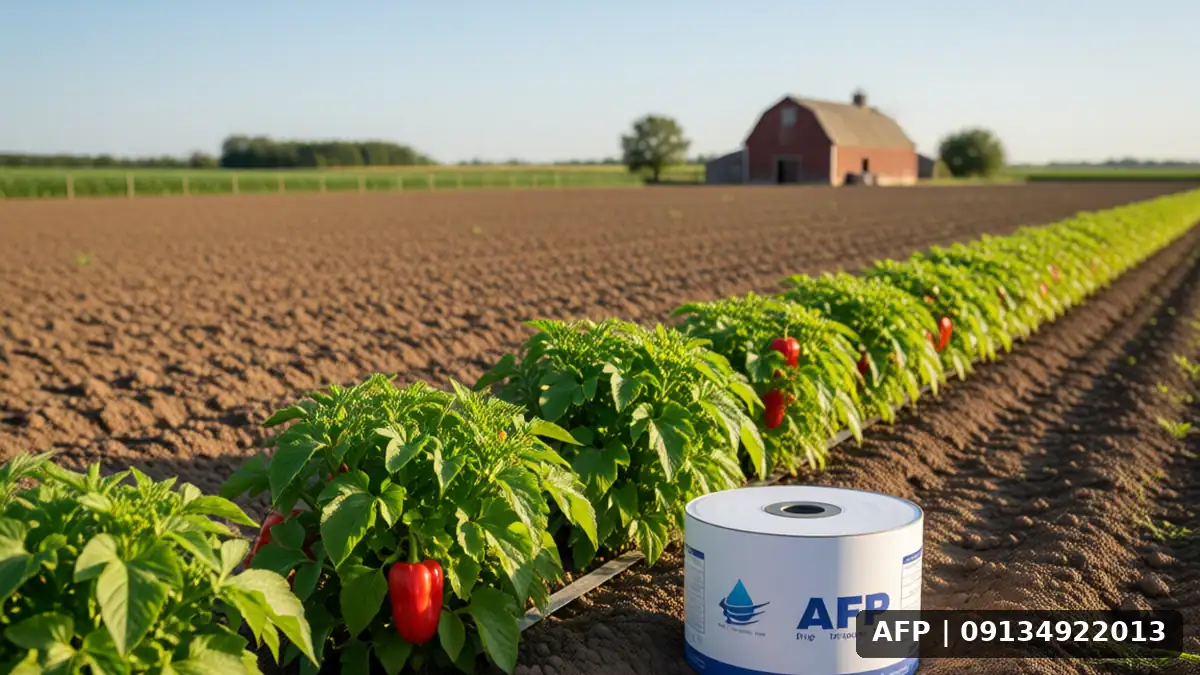
Introduction: How Irrigation System Selection Affects the Final Cost of Paprika Production
Paprika cultivation is one of the high-value crops in both protected and open-field environments. Due to specific moisture and temperature requirements, it is highly sensitive to resource management methods. Among the available options, drip tape directly impacts yield and ultimately the final cost per hectare due to precise delivery of water and nutrients. Many farmers focus only on seed and land costs when budgeting, often overlooking significant hidden expenses related to irrigation infrastructure. Understanding how drainage volume and uniform water distribution prevent waste is the first step toward cost reduction.
This section examines the primary cost-driving components. Paprika requires strong root establishment and adequate nutrition due to rapid growth and high fruit production volume. Using drip tape with appropriate diameter and correct emitter spacing can save up to 20% on energy and chemical fertilizer costs, as water and nutrients are delivered directly to the Rizosphere.
Cost Component Analysis for Drip Tape Irrigation in Paprika Cultivation
1. Initial Infrastructure and Irrigation System Costs
Fixed costs include purchasing piping, filtration systems, pumps, and the drip tape itself. Drip tape, made from low-density polyethylene, is cheaper than rigid drip tubing, but its useful life varies across seasons. Accurate cost calculation for this section requires considering the number of planting rows and field slope. Steep slopes require pressure regulation and additional equipment, which increases costs.
2. Seed and nursery (planting material) cost
For bell peppers, high-quality seedlings or hybrid seeds are typically used. The number of seedlings per hectare varies depending on planting density. An optimal density creates a good balance between growth space and light exposure. To optimize this aspect, study of Factors that increase potato seed rate per hectare (which serves as a similar model for other vegetables) can be helpful, as the principles of seed density and area management are common across all vegetable crops. Excessive density, without an adequate irrigation system, leads to root deficiency and reduced product quality, ultimately doubling the cost of remediation.
3. Operating costs: water, energy, and management
Operating costs include the energy consumption of water pumps, water costs (if rented), and labor for system monitoring. Drip tape can reduce energy consumption compared to flood irrigation by lowering pressure requirements. Additionally, the use of fertigation (dissolved fertilizer application) via drip tape optimizes the costs of purchasing and consuming solid fertilizers. In this regard, familiarity with Silage corn yield per hectare As a benchmark for resource efficiency in vegetable production, it provides a better understanding of the economic potential of advanced systems.
Practical tips for reducing pepper cultivation costs using drip irrigation
- Selecting the appropriate diameter and spacing for drip tapes: For peppers, a spacing of 1 to 2 meters is typically considered. Following principles for determining drip irrigation points prevents poor operation and water waste, which directly impacts water costs.
- System pressure management: Properly adjusting the input pressure to the tapes prevents them from bursting. Frequent repairs are a major hidden cost. Using pressure gauges and pressure regulators reduces maintenance costs.
- Planting in adjacent fields with variety: To reduce the risk of root diseases that can wipe out the entire investment, crop rotation is recommended. Studies on the benefits and drawbacks of rotating crops in agricultural fields show how crop rotation can reduce pest density and pesticide costs.
- Use of appropriate cover materials: Using multi-purpose plastic with drip tape increases growth rates and eliminates weeding costs.
Estimated key cost table (general concepts)
Note: Exact figures depend on region, inflation, and season, but the cost structure is as follows:
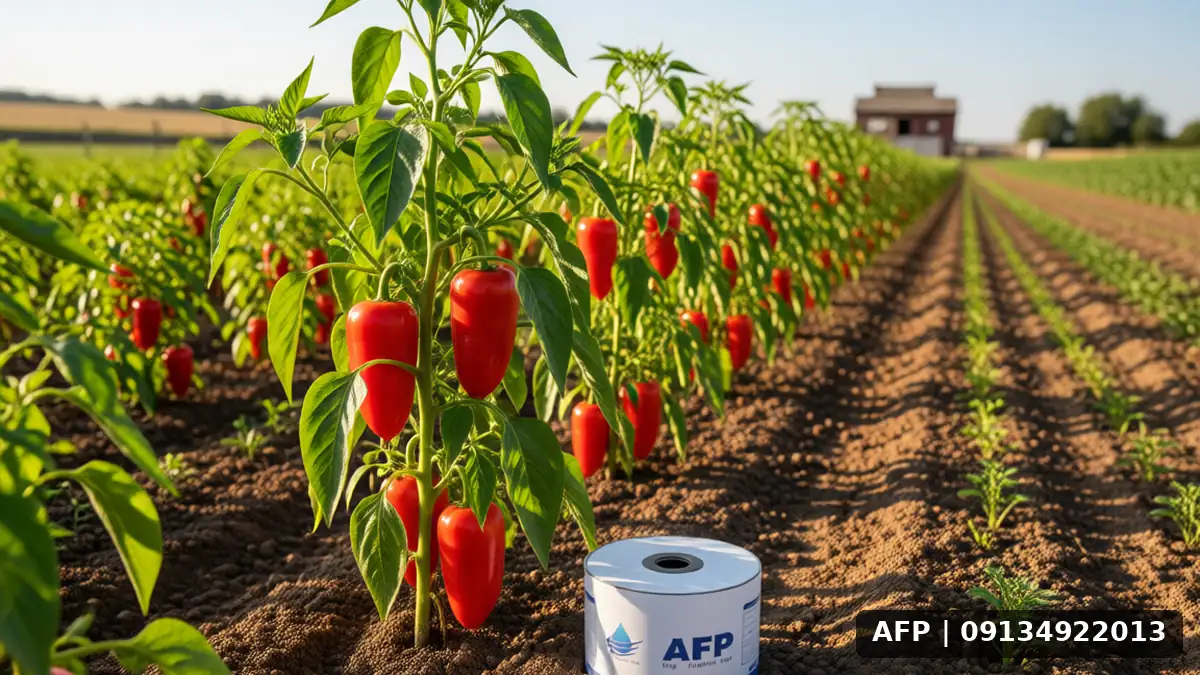
Frequently Asked Questions (FAQ) on Bell Pepper Cultivation Costs
Is drip tape for bell peppers cheaper than drip irrigation systems?
Yes, the initial cost of drip tape is generally lower than that of pressurized drip irrigation systems, as it is made of thinner and less expensive material. However, note that the service life of drip tape is shorter and it may require annual replacement, which is considered a variable cost. In contrast, drip systems using high specific gravity polyethylene pipes have a longer lifespan but require a higher initial capital investment.
How can I reduce irrigation energy costs?
The best approach is to use solar systems for pumping power and to monitor pressure daily. Additionally, irrigating during cooler hours minimizes evaporation and high water demand. Understanding the principles Rice yield per hectare (for example, from soil-based crop water resource management) can provide a model for optimizing water use in vegetables, as precise monitoring of the water volume required to reach maximum efficiency is key to reducing costs.
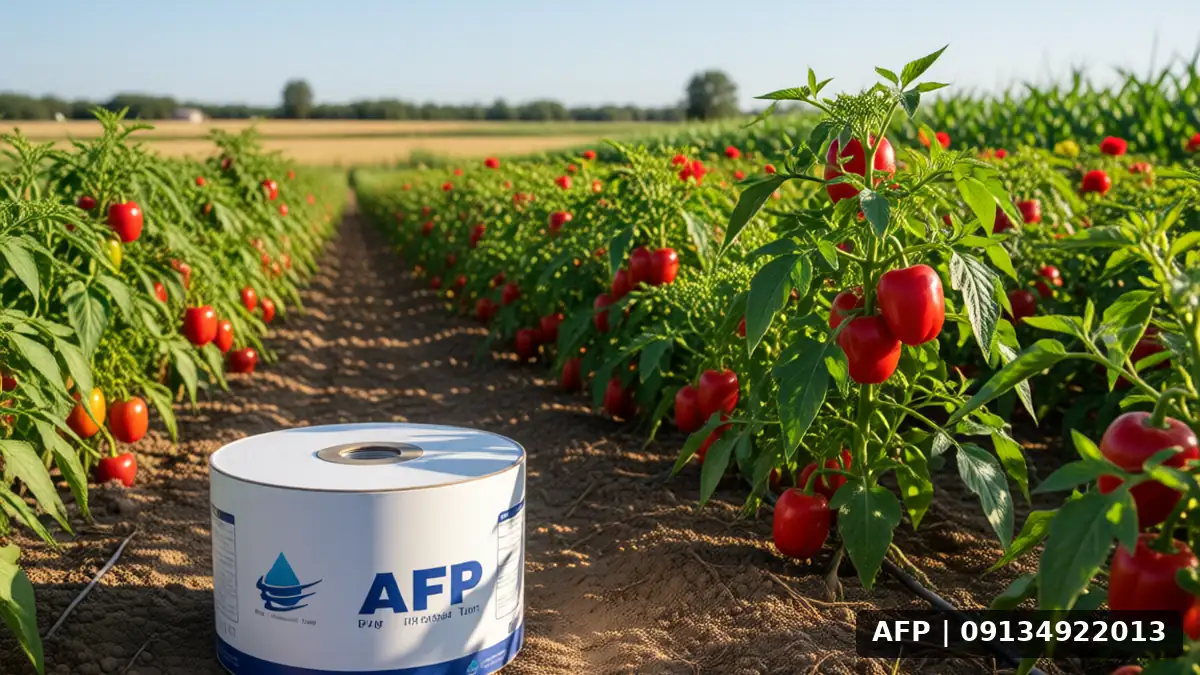
Does pepper planting density affect the cost of drip tape?
Yes. Higher density means more tapes or concentrated shilling are needed. If density is high and tapes are inadequate, plants compete with each other, leading to reduced yield and high maintenance costs. The balance between row and channel spacing must be based on sugarcane row spacing standards (which well illustrate planting geometry principles) and adjusted to pepper needs to ensure the area is utilized.
Conclusion: Strategies for Maximizing Profitability
The cost of growing bell peppers using drip lines per hectare is a combination of initial investment in infrastructure and the intelligent management of resource consumption. By selecting the correct drip line, accurately calculating seedling density, and continuously monitoring the system, financial risks can be mitigated. The key to success lies in understanding the relationship between factors affecting yield per hectare (such as light, water, and nutrition) and variable costs. Farmers should focus on water and energy use efficiency (WUE) rather than solely on seed costs. Proper implementation of drip line systems can not only reduce major expenses but also increase net profit by improving crop quality and volume. The final recommendation is to prepare a precise technical design for the irrigation system before the start of the planting season and to account for potential repair costs.