Drip Irrigation in Margin Cultivation: Applications and Practical Tips
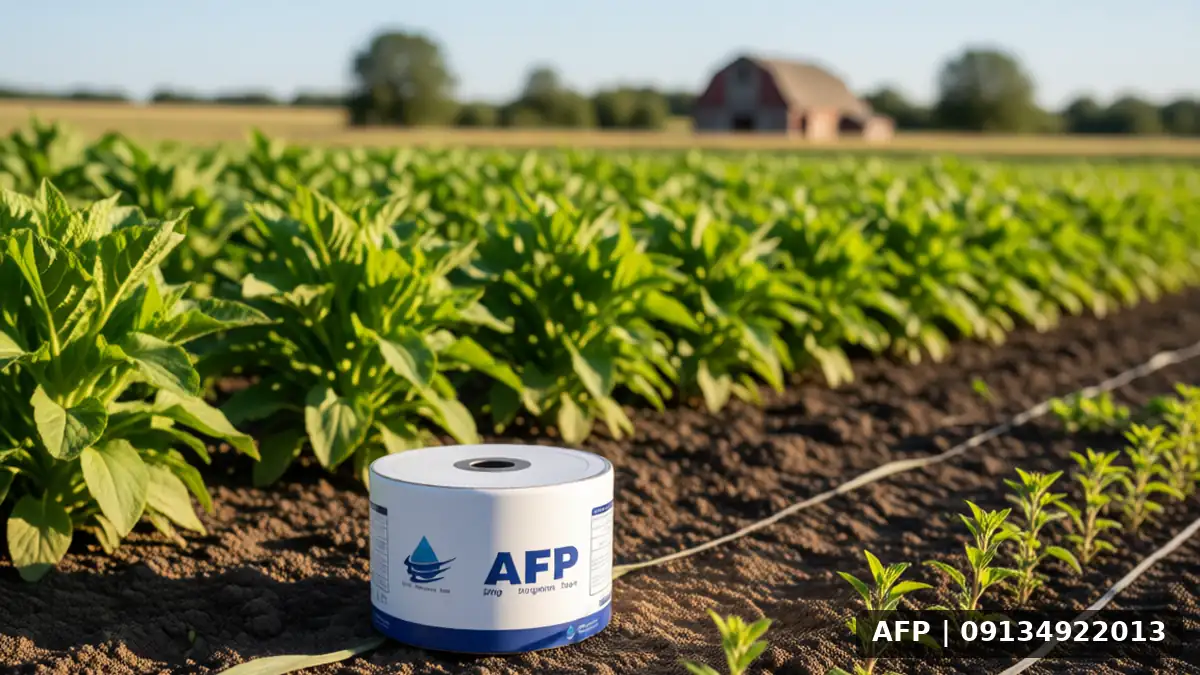
Marjoram tea production is a sensitive process that requires precision at every stage from planting to harvest. One of the most critical factors for success in this crop is proper soil moisture management and plant nutrition. Drip irrigation in marjoram cultivation As a modern and efficient method, it has found a special place in precision agriculture. In this method, water and nutrients are delivered directly and slowly to the plant root zone, which reduces evaporation, minimizes water waste, and improves uniform plant growth.
Unlike rain irrigation, which typically involves wide and irregular water distribution, drip systems provide greater control over soil saturation levels. This is vital for biennial plants like marjoram that require deep rooting and stability. The following section details the applications, benefits, and practical installation and maintenance tips for these systems in marjoram fields.
Benefits of using drip irrigation in marjoram cultivation
The use of drip irrigation in marjoram fields offers numerous benefits that can directly impact the economic and biological performance of the plots. Below are the most important of these advantages:
- Reduced water consumption: By delivering water directly to the root zone, total water usage is reduced by 40 to 50 percent compared to conventional methods.
- Improved Fertilizer Efficiency: The ability to fertilize (apply fertilizers via irrigation water) ensures nutrients are available directly to the root zone, leading to better absorption.
- Reduced Weed Growth: Since only a narrow strip of soil around the roots remains wet, the opportunity for weeds to grow between rows is minimized.
- Reduced Foliar Moisture: Reduced surface wetness of the leaves directly decreases the risk of fungal diseases that are harmful to rosemary.
Additionally, using drip tape in rosemary planting rows can reduce initial costs to some extent, as drip tape is cheaper than individual drippers and is more suitable for trees with non-standard spacing. To better understand the technical differences and advantages of each method, you can read the article Drip Irrigation Planting Methods review a study that compares planting and irrigation methods.
How to design a drip irrigation system for chrysanthemum cultivation
Correct system design before installation is the key to success. Chrysanthemums are usually grown in specific rows, and inter-row and intra-row spacing are key variables in calculations. Selecting a dripper with an appropriate flow rate (usually 2 or 4 liters per hour) depends on the regional climate conditions and soil infiltration depth. In drier regions, the use of higher-flow-rate drippers or closer spacing is recommended.
Most modern drip irrigation systems use low-pressure polyethylene (PE) pipes. Is it possible to install a ribbon system under specific chrysanthemum conditions? Yes, using micro-tube ribbon instead of fixed drippers provides greater flexibility. You can gain additional information about the components and assembly of these systems by reviewing the comprehensive guide to drip irrigation system components with micro-tube ribbons.
In addition to irrigation, a major advantage of drip systems in vegetable and medicinal herb cultivation is the ability to use hydroponic or semi-hydroponic methods under controlled conditions. Although chrysanthemums are primarily agricultural crops, agricultural engineering graduates are often interested in examining drip irrigation in Erbil and its similar applications in semi-arid regions, as they follow similar irrigation algorithms.
Practical guidelines for installation and maintenance
To maximize the operational lifespan and performance of the system in murré orchards, it is essential to adhere to the following execution guidelines:
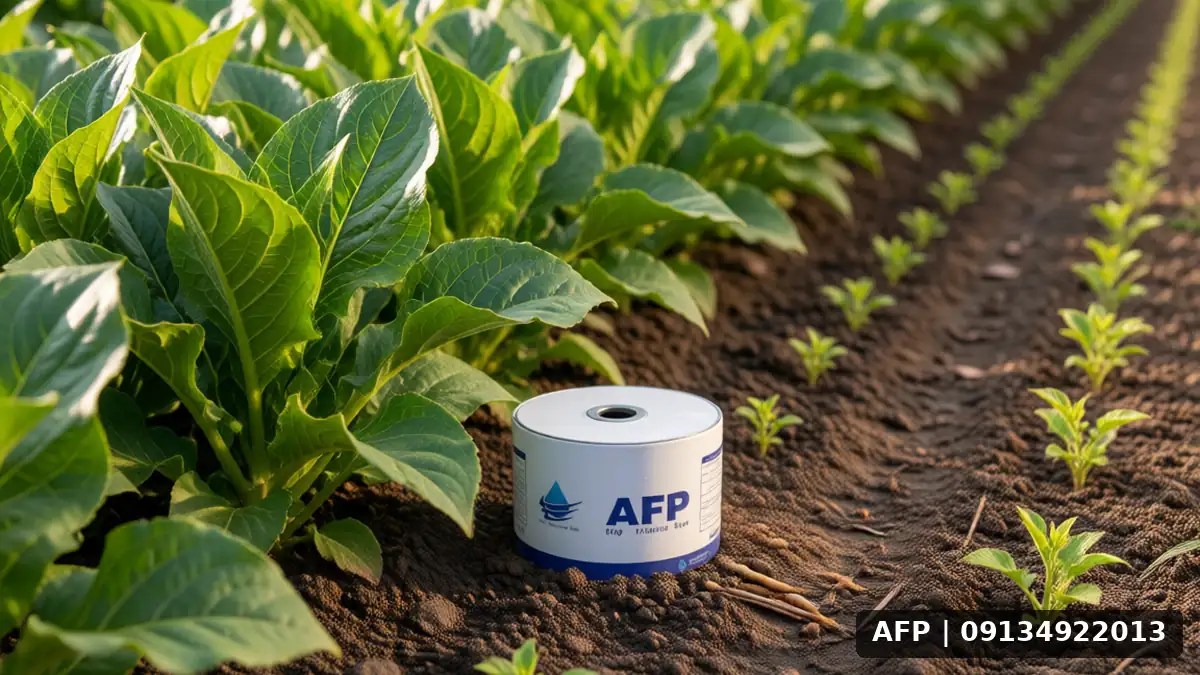
- Filtration (Water Purification): Installing a mesh or disk filter with appropriate pore sizes before water enters the system is mandatory to prevent clogging of the dripper emitters.
- Pressure Control: Use a pressure regulator to maintain constant pressure throughout the pipeline, especially on sloped farm terrain.
- Nutrient Management: Liquid fertilizer injection must be performed with precision. High concentrations can damage the delicate roots of mint. Always use a suitable injector.
- Leak detection: Minor leaks in the drip line or emitters should be identified and repaired promptly to prevent localized dry patches in the field.
Additionally, monitoring the chemical health of the soil around the mint roots is crucial when using drip irrigation. Long-term salinity accumulation at the soil surface due to evaporation at the root center can reduce water potential. The solution is to regularly flush the system.
Impact of drip irrigation on yield and harvest quality
Studies indicate that mint plants under drip irrigation exhibit superior performance in terms of new stem growth rate and node count compared to flood irrigation. The quality of mint leaves, which is a primary pricing factor, is directly dependent on uniform plant growth. Relative dryness or prolonged waterlogging can cause mold or yellowing of the leaves, thereby reducing the quality of the final product.
To better understand how to optimize performance in similar crops using drip systems, you can refer to statistics and figures Bell pepper yield per hectare Observe the yield of green lentils per hectare that is affected by proper water and nutrient management. Although merze is a distinct ornamental and edible plant, the plant physiology principles in response to water and nutrient stress are similar.
Frequently Asked Questions (FAQ)
The following questions are commonly asked by farmers and gardeners regarding drip irrigation in merze cultivation very frequently:
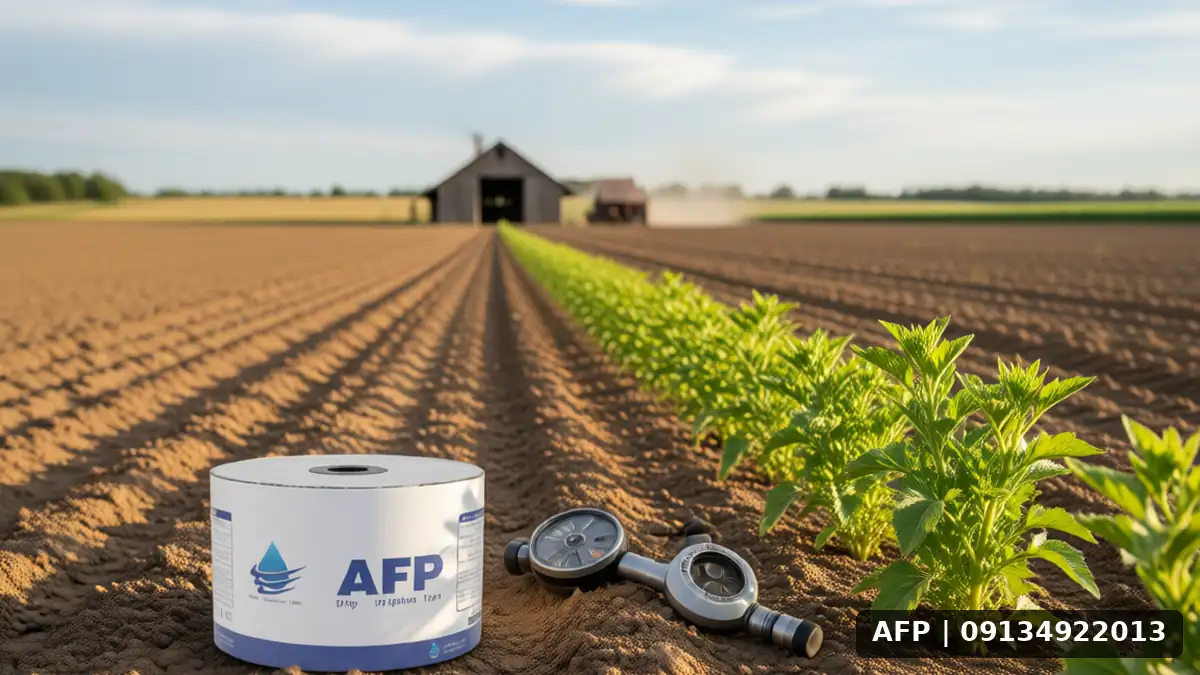
Is tape drip more suitable for merze than standard drip emitters?
For merze trees with a long productive life, fixed durable drip emitters are more suitable. However, tape drip can be a more economical option in the initial years or in sparsely planted orchards.
How many times per week should irrigation be performed?
Irrigation frequency depends on the climate. Generally, 1 to 2 hours every 2 to 3 days is sufficient, but it must be adjusted based on soil moisture.
Can soluble fertilizers be used with the system?
Yes, but only soluble, non-sediment-forming fertilizers. Always flush the system before and after fertilization.
Summary
Implementation Drip Irrigation in Marjoram Cultivation This is a smart investment for farmers seeking to increase yields and reduce operational costs. By adhering to design principles, using appropriate filtration, and managing fertilization correctly, one can expect more uniform growth and a higher-quality harvest. Attention to minor technical details distinguishes an average farm from a successful, specialized crop operation.
To expand your knowledge regarding companion crops and vegetables often considered for similar systems, consult the guide for basal ring mycorrhizae for one hectare of rosemary can be a good resource that is specifically dedicated to rosemary plants.
Related content: Drip irrigation tape D981D98A Erbil