Drip Irrigation with Drip Emitters for Lettuce Cultivation: Technical and Operational Prerequisites for Sustainable Success
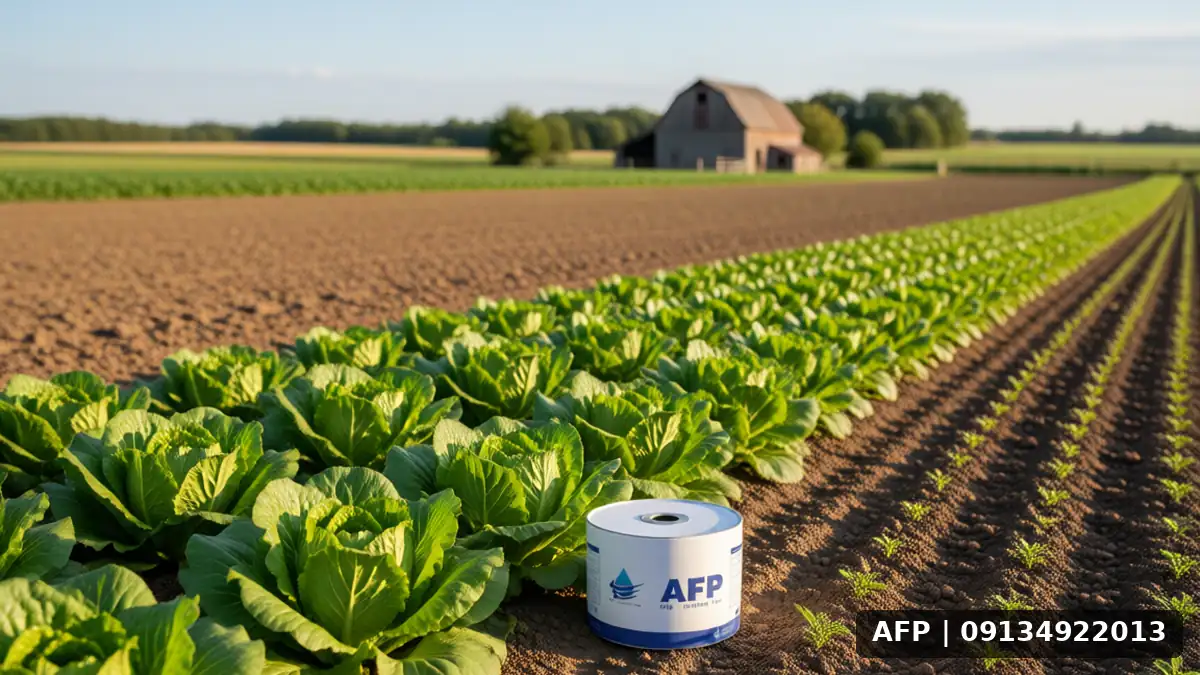
Introduction to the Importance of Strategic Water Resource Management in Lettuce Cultivation
Lettuce is a high-value, high-yield vegetable that is also highly sensitive to environmental stresses. Optimal water management for this crop has always been a primary challenge for vegetable growers. This plant has a short and rapid growth cycle, and any fluctuation in soil moisture can directly impact the final product quality, leaf firmness, and consequently, the market price. In recent years, with increasing water resource constraints and rising energy costs, drip irrigation systems have gained a unique position as a smart and precise alternative to conventional methods such as sprinkler or line irrigation. This technology has attracted many modern farmers due to the ability to precisely control water dosage, facilitate simultaneous fertigation, and significantly reduce evapotranspiration. However, regardless of the appeal of the equipment, a comprehensive understanding of the technical and practical prerequisites of these systems is vital to prevent capital loss, line clogging, and system performance degradation. In this section, we examine the importance of this method and its role in more cost-effective and sustainable water management, along with a brief overview of the water cycle in vegetable farms.
Why Drip Irrigation Is the First Choice for Lettuce?
Lettuce has a delicate, shallow root system with limited depth, making it highly sensitive to both water stress and over-irrigation, which can lead to rot. Drip emitters provide localized, consistent moisture in the active root zone while keeping the rest of the soil surface dry. This prevents roots from experiencing continuous water stress while simultaneously reducing the incidence of fungal diseases that thrive in persistently wet soil. These benefits require a deep understanding of the plant’s climatic needs and precise calibration of water output parameters, which are detailed in the following sections.
Key Technical and Environmental Prerequisites for Successful Installation
Installing an efficient drip irrigation system with emitters involves more than just connecting hoses to a pump; it requires a thorough examination of several critical engineering and geological prerequisites. These can be divided into three main categories: water source and storage, chemical and physical water quality, and land preparation and substrate readiness. Neglecting any of these three pillars can lead to system failure during the first few months of operation.
- Water Quality and Advanced Filtration: Using water contaminated with sediment, fine sand, pipe rust, or biological pollutants can rapidly clog the small channels of drip emitters. Therefore, installing a multi-stage filtration system (disc filters followed by screen filters) is a primary and non-negotiable prerequisite. For a deeper understanding of the differences between water transmission components and filters, you can refer to the article Differences Between Board-Strip and Seamed Water Transmission Components which explains similar principles regarding material durability and water flow transmission, enhancing your understanding of the importance of component longevity.
- Pressure Stability and Hydraulic Management: Drippers require stable and calculated pressure to achieve uniform performance and fair water distribution along the entire line. Pressure fluctuations caused by changes in terrain elevation or pump flow rate can result in dry conditions at the end of lines and wetter conditions at the start, directly leading to inconsistent lettuce growth. Installing adjustable pressure regulators and using balancing devices in the system is a critical prerequisite for maintaining the precision of this technology.
- Soil Preparation and Mulch Covering: Lettuce is typically cultivated in full-sun gardens, open greenhouses, or level fields with low slopes. Thorough soil exploration and appropriate plowing to break up the compaction layer are recommended. The use of plastic or organic mulch to reduce surface evaporation is an indirect but highly effective prerequisite for lowering total water requirements and maintaining root moisture.
Practical Tips for Selecting, Arranging, and Connecting Drippers
The choice of dripper type (inline or standalone) is critical, based on lettuce leaf dimensions, planting distance, and irrigation line arrangement. Most inline drippers are designed for internal spacings of 10 to 30 centimeters, which must align with the final lettuce leaf width to prevent water from directly wetting stems or leaves and causing disease. Since lettuce requires direct sunlight and fresh air, staggered and regular arrangements can help reduce relative humidity in the plant canopy, thereby reducing the incidence of fungal diseases. In this context, studying flow management topics in pressurized systems is highly beneficial; consequently, understanding key points when using irrigation ribbons provides similar insights for managing pressure and flow in ribbon irrigation systems and assists in the initial design of lines.
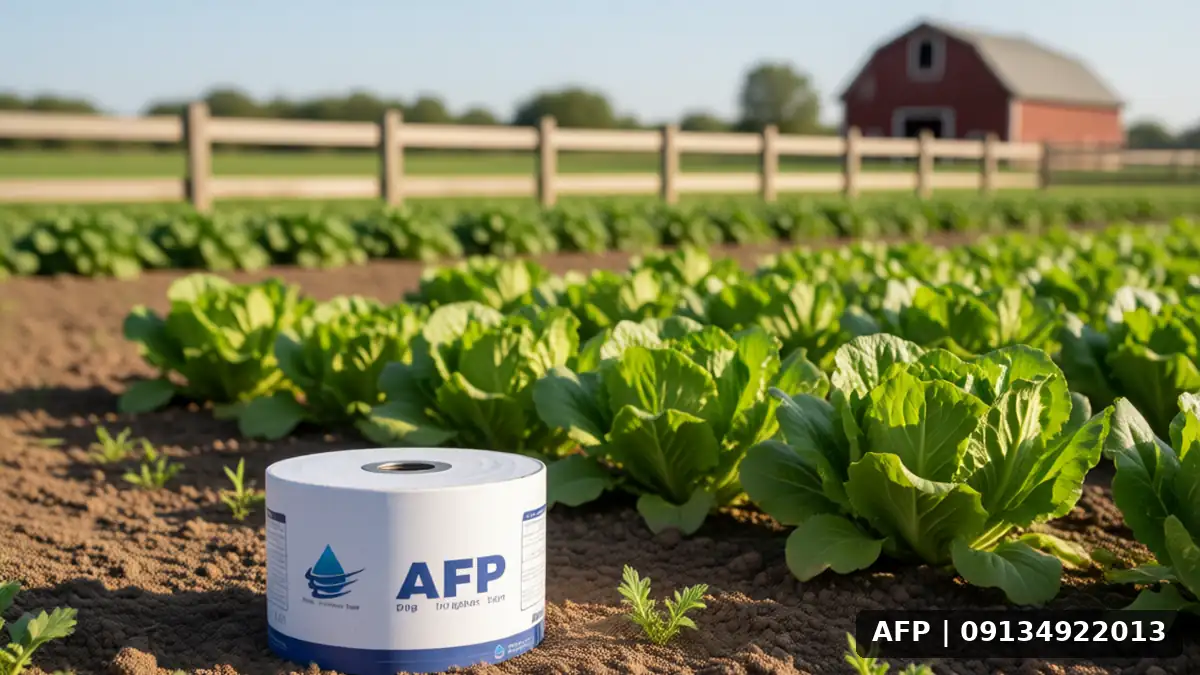
Guide table for technical prerequisites and auxiliary equipment
Fertigation and its chemical prerequisites
One of the greatest advantages of drip irrigation systems with emitters is the ability to deliver minerals to plant roots with precise, controlled feed; a process known as fertigation. However, this benefit requires specific equipment prerequisites. Fertigation valves must be fully flushable and prevent the precipitation of insoluble minerals such as heavy phosphates or the mixing of incompatible elements. Additionally, selecting the appropriate fertilizer type and rate for lettuce (considering its rapid growth stage) is critical. Lettuce requires high nitrogen but is highly sensitive to salinity. Similar fertilization principles exist for other vegetable crops like onions and spinach, which can be covered in articles such as Onion seed quantity per hectare: a comprehensive guide However, our primary focus remains on lettuce root management and green nutrient supply, although these patterns are generally applicable to other vegetables as well.
Irrigation scheduling and intelligent automation
Lettuce requires frequent, low-volume irrigation to maintain root balance. A prerequisite for effective implementation is the use of automatic pump and timer systems to prevent human error or over-irrigation. Soil moisture sensors and local weather stations can serve as decision-support tools, enabling irrigation dosages to be adjusted in real time rather than following a fixed calendar.
Frequently Asked Questions (FAQ) on Implementation Prerequisites
Are drip emitters suitable for lettuce throughout the year?
Yes, this system is usable in all seasons, but irrigation dosages and frequencies must be adjusted according to climatic conditions, light intensity, and crop cover. Under cold, sunny weather, water demand is lower and irrigation intervals should be increased to prevent root rot.
How can I prevent emitter clogging during the season?
Using appropriate filters, periodic flushing of the system with mild acids or approved cleaning agents, and utilizing fully water-soluble nutrients are key prerequisites for maintenance. Additionally, it is recommended to pause nighttime irrigation during cold periods to prevent biofilm growth.
Are drip systems more expensive than sprinkler systems, and are they cost-effective?
They require a higher initial investment, but are more economical in the long term with a high return on investment due to a significant reduction in water consumption, lower water pump energy costs, increased fertilizer efficiency, and improved crop quality.
Summary and Final Recommendations for Sustainable Cultivation
Drip irrigation using drip emitters for lettuce cultivation combines precise engineering knowledge, high-quality equipment, and conscious daily management. Adhering to the prerequisites mentioned—from water quality analysis and filtration to selecting the appropriate emitter and scheduling—is the key to your success and risk reduction. It is recommended to conduct small-scale tests on a few meters of hose before full installation to identify system weaknesses. To get more information about pressurized irrigation equipment and its advantages, you can use the Benefits of the Drip Tape Zone which provides good supplementary tips. Ultimately, focusing on sustainability and reducing water consumption is a responsibility that should be prioritized alongside economic efficiency. Therefore, do not forget to study more specialized resources and update your knowledge, even in sub-domains such as the Seed quantity of white beans per hectare This reflects the diversity of general cropping principles, root management, and irrigation in vegetable and legume crops, broadening your perspective on managing smaller-scale systems.