Drip Irrigation for Garlic Cultivation: Benefits and Implementation Guidelines
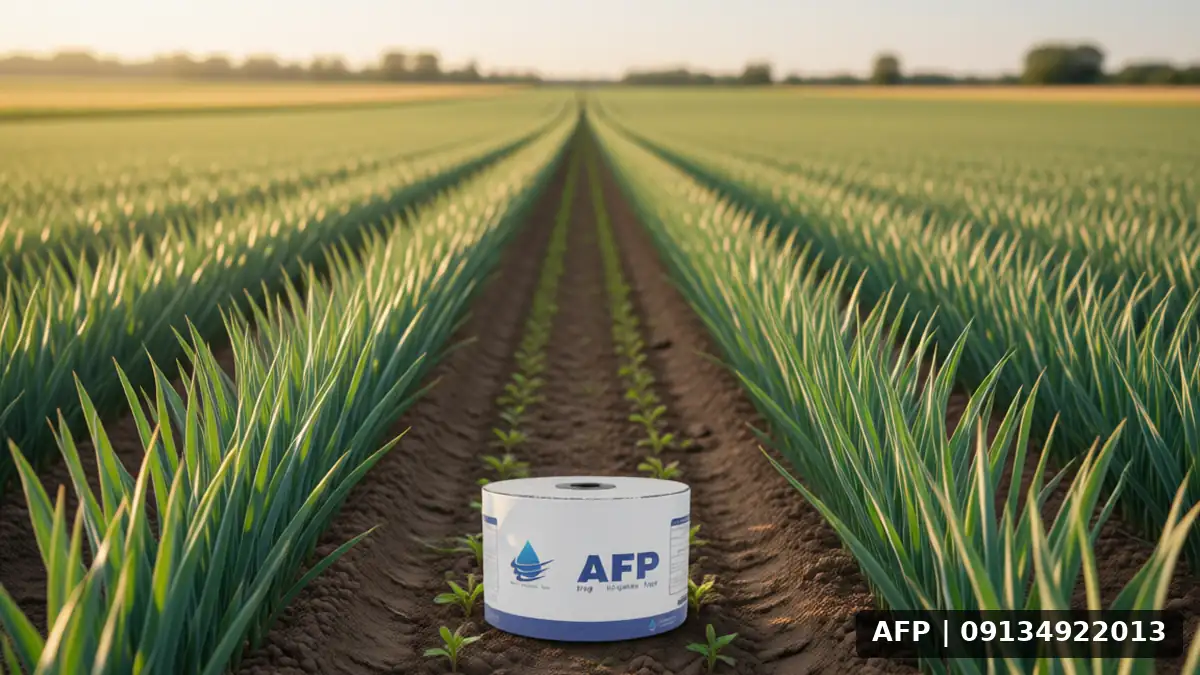
Introduction to Drip Irrigation for Garlic Cultivation
Garlic is a moisture-sensitive crop with slightly different water requirements at various growth stages. Drip irrigation for garlic is implemented using different methods, including drip tape and drip lines. Due to its precise control of artificial rainfall, this method has recently become the main choice for farmers growing saffron, garlic, onions, and pulses. Below, we examine the main benefits and key execution points of this method. Choosing the right system from the start can determine the outcome of your crop; therefore, a deep understanding of the physics of water flow in the soil and the root requirements of garlic is the basis for any correct decision-making. Additionally, attention to the local climate and soil type plays a vital role in determining the dripper spacing and flow rate. In wetter regions, we may need to reduce the irrigation volume, but in dry regions, continuous water supply is essential.
Main Benefits of Drip Irrigation for Garlic Plants
Water Conservation
One of the most significant advantages of this method is a substantial reduction in water consumption. In conventional methods, such as surface irrigation, up to 40 to 50 percent of water is lost. However, in drip systems, water is delivered directly to the root zone of the plant. This is particularly important in water-scarce regions where garlic is commonly cultivated. Additionally, reduced surface evaporation helps maintain soil moisture. This energy efficiency leads to lower operational costs and increased profitability for garlic farms in the long term. Beyond water conservation, this method ensures that water remains only within the effective root depth, preventing the leaching of nutrients into the deep soil layers. Consequently, farmers can extract maximum yield from their land using limited water resources. Optimal water resource management is no longer just an environmental necessity; it is a key economic factor in the competitiveness of agricultural products.
Reduction in weed growth
Since only a narrow strip of soil is moistened, a significant portion of the inter-row surface area remains dry. This severely limits weed growth and eliminates the need for additional weeding labor. Furthermore, reduced moisture on leaves and stems significantly decreases fungal and bacterial diseases, such as neck rot, which is highly destructive to garlic. This benefit directly leads to a reduction in the use of chemical herbicides, which not only lowers chemical input costs but also contributes to soil and environmental health. Better garlic plant health means a product with longer shelf life in storage and higher added value in export markets.
Increased uniformity of yield
Uniform distribution of water and plant nutrients ensures that all garlic cloves grow evenly. In conventional irrigation, downstream areas are typically drier while upstream areas are wetter, whereas in drip irrigation, the same flow rate is delivered to all points along the line. This uniformity directly impacts the size and quality of the garlic. To optimize this process, it is essential to Understand the garlic seed quantity per hectare and factors affecting its increase Uniform garlic size makes a difference in packaging and bulk sales; bulk buyers generally prefer products with consistent sizing. Drip irrigation reduces the risk of producing very small garlic in certain farm sections and decreases waste rates during harvest. This production stability also builds trust with end consumers.
Technical and operational tips for installing a drip system
Selecting the appropriate drip emitter flow rate
For garlic, systems with a flow rate of 2 to 4 liters per hour are generally recommended. Drip lines typically use emitters with a 1 or 1.6 millimeter diameter and are spaced 20 to 25 centimeters apart. Higher flow rates may lead to soil erosion and nutrient leaching. Selecting the correct emitter must match the soil texture; for clay soils, a lower flow rate and wider spacing are more suitable. Properly calibrating these parameters requires a soil analysis. If the soil is compactable, using emitters with higher flow rates can cause surface crusting and hardening. Therefore, consulting an irrigation specialist before purchasing equipment is a smart investment.
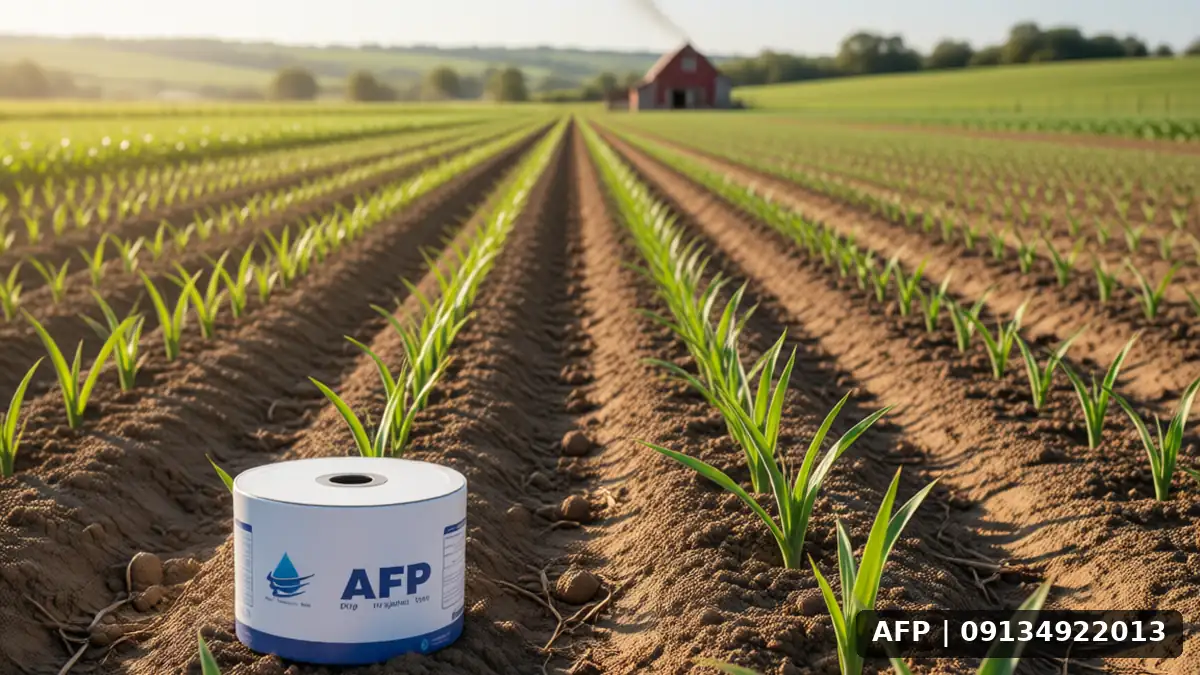
Filter repair and maintenance
The heart filter is the most critical component of the system. If the filter becomes clogged, water flow is disrupted and plants suffer from drought stress. The filter must be opened and washed weekly. It is also recommended to use a sand filter for surface water and a mesh filter for well irrigation. When connecting system components, always use standard connectors for agricultural drip irrigation to prevent leaks. Leaks at connections not only waste water but also cause drying in surrounding areas and reduced onion growth in those spots. Monitoring flow pressure is also of particular importance; a pressure drop at the end of the lines may indicate the presence of a blockage. Regular flushing of lines and filters increases the system’s useful life by several seasons and prevents pipe replacement costs.
Irrigation and Fertilization Planning
Drip irrigation allows for direct fertilizer injection. The best time for this is during the final hours of irrigation so that the soluble fertilizer is flushed with the water. Fertilizers containing nitrogen are essential during the leaf development stage, while potassium is required during the bulb bulb formation stage. This method minimizes fertilizer loss. Fertigation (fertilizer injection) through the drip system offers high precision and enables plant nutrition management based on precise needs assessment. Farmers can use laboratory tests to determine the nutritional status of the onion and adjust the fertilizer formulation based on the results. This data-driven approach improves fertilizer use efficiency and prevents residue accumulation in the soil. Additionally, preventing nitrogen loss due to direct contact with the roots is a hidden benefit of this method.
Frequently Asked Questions (FAQ)
What is the cost of installing a drip system for one hectare of onions?
Costs vary depending on the type of pipe, thickness, and drip emitter spacing. Generally, the initial investment for a drip tape system is lower than for a permanent drip system. For an accurate estimate, it is best to consult with manufacturers. You should also include annual maintenance costs and potential tariffs in your budget.
Can drip irrigation replace rain (sprinkler) irrigation?
Yes, for garlic, drip irrigation is superior both economically and technically. Rain (sprinkler) irrigation is not recommended for this crop. In addition to saving water, drip irrigation helps reduce leaf diseases in garlic, which are common with the sprinkler method.
How many drip emitters are needed per meter?
Usually, two drip emitters per meter of row length are used. If using drip tape, this is determined by the internal precision of the tape. Adjusting the precise spacing of emitters to match the garlic planting spacing ensures uniform root coverage.
Is it suitable for all soil types?
Yes, but for very clay soils, lower flow rates and shorter, more frequent irrigation scheduling should be used to prevent saturation. Conversely, for sandy soils, larger irrigation volumes with fewer applications are more appropriate. Accurate knowledge of soil texture is a prerequisite for successful drip irrigation.
Conclusion
The use of drip irrigation in garlic cultivation is not only a tool for water conservation but also a means of plant health management, weed control, and optimal resource utilization. Although there is an initial installation cost, the return on investment through increased yield and reduced auxiliary costs is visible in the first growing season. Additionally, for those dealing with drip irrigation lines in farmland plots, it is essential to understand how this system works; you can read a comprehensive article on drip irrigation lines for farmland plots. In general, combining agricultural knowledge with drip irrigation technology is the key to successful, high-quality, and cost-effective garlic production. The future of Iranian agriculture is moving towards automation and smart farming, and drip irrigation is the first and most important implementation of this transformation.
Related articles: Seed rate of groundnut D8AFD8B1 per hectare, bell pepper yield per hectare iraq, farmland plot drip irrigation line