Drip Irrigation for Coriander: A Comprehensive Guide
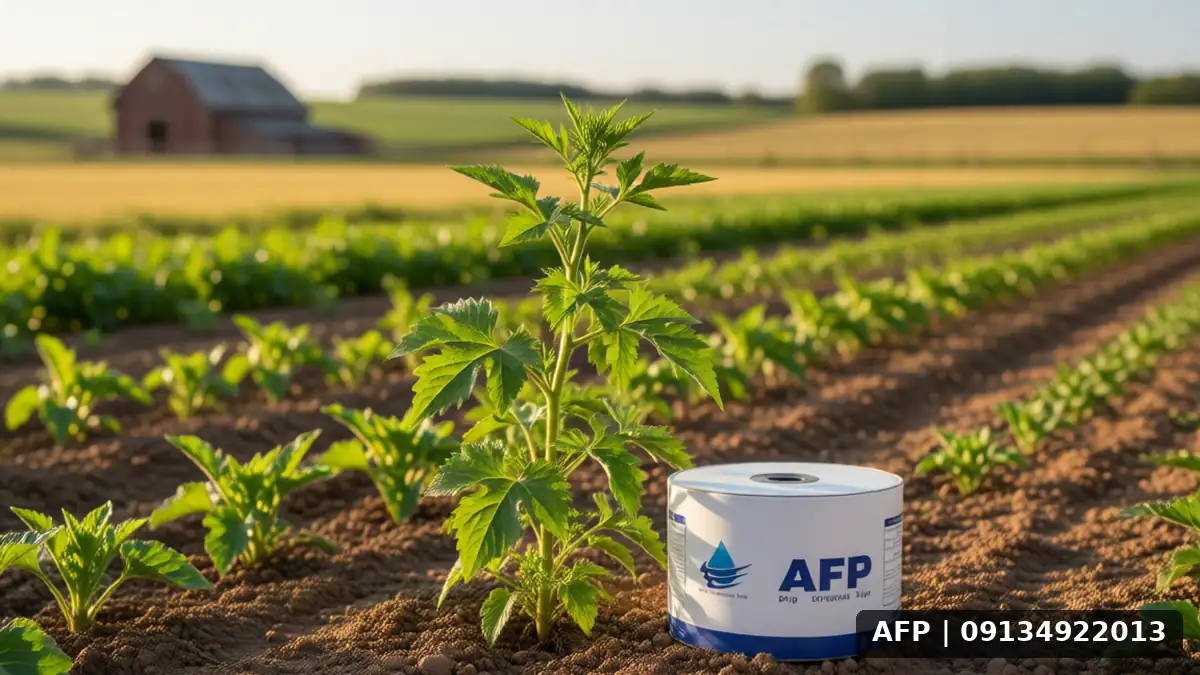
Introduction to the importance of deficit irrigation in coriander cultivation
Coriander (Coriandrum sativum) is a high-demand crop in the vegetable industry, holding a special place in Middle Eastern, Indian, and Latin American cuisines due to its unique aroma and flavor. From a plant physiology perspective, coriander has a shallow root system and is highly sensitive to soil moisture in the upper layers. Given concerns about water resource scarcity and rising energy costs in the agricultural sector, the transition from full irrigation to deficit irrigation (Irrigation Scheduling based on regulated deficit) has become essential for this crop.
Regulated deficit irrigation refers to the controlled and planned application of water stress during specific crop growth stages, where plants experience limited soil moisture reduction without adverse economic or quality impacts on the final product. In drip systems, and especially strip irrigation, more precise management of water flow is provided, facilitating the implementation of deficit irrigation strategies.
Technical principles of regulated deficit irrigation in coriander
For the successful implementation of deficit irrigation, understanding the plant’s sensitivity periods to water stress is key. Cilantro is generally divided into two high-sensitivity phases and one low-sensitivity phase:
- Low sensitivity phase (post-planting to the first 2 weeks): At this stage, the plant is establishing root systems and initiating vegetative growth. Deficit irrigation is not recommended during this phase, as severe stress may cause growth cessation or seedling death. Therefore, full irrigation should be applied during the first two weeks.
- Medium sensitivity phase (weeks 3 to 5): At this stage, vegetative growth rate increases. During this phase, irrigation can be reduced by up to 20% from full irrigation. The goal is to encourage the plant to deepen its root system toward lower soil layers to search for water.
- High sensitivity phase (week 6 until harvest): This stage appears to be the most sensitive period, as the plant is forming upper leaves and producing volatile compounds. However, research has shown that applying mild water stress (limited to a 15-20% reduction) during the middle of this period increases the concentration of cilantro volatile compounds. This phenomenon is a major economic advantage of deficit irrigation.
The use of drip tape in this process, with its relatively lower soil temperature and reduced moisture load, allows the plant to store volatile compounds with minimal physiological stress.
The Role of Tape Drip in Moisture Management and Evaporation Reduction
Tape drip is one of the most advanced drip irrigation methods that enables uniform water distribution by placing thin polyethylene tubes adjacent to plant rows. In cilantro cultivation, which is typically done in dense rows, tape drip is an ideal option. The main advantage of this system is the reduction of the soil’s active evaporation surface. Unlike porous drip irrigation, tape drip is placed directly next to the furrows and delivers water in continuous strips.
To implement deficit irrigation using tape drip, it is essential to regulate the nozzle flow rate or use low-pressure systems. Many farmers seek solutions to extend the functional lifespan of their equipment; in this regard, the article on how to extend the lifespan of tape drip can be a valuable guide, as healthy equipment is a prerequisite for precise water flow control in a deficit irrigation strategy.
Additionally, the placement distance of the tape drip from the cilantro row must be calculated precisely. A distance of less than 5 cm or more than 15 cm can reduce irrigation efficiency. This is particularly critical in sandy soils with high hydraulic conductivity.
Practical Guide to Setting Up Planting and Deficit Irrigation
To optimize cilantro performance under limited irrigation conditions, a two-way combination of planting methods and irrigation schedules is required. First, the planting layout should allow roots to spread in sufficient space.
- Seed packaging: Use healthy, fresh seeds with high germination rates. Seed quality is the first step in achieving water stress tolerance.
- Plant spacing: Coriander row spacing must be at least 30 cm to allow sufficient space for light penetration and root development. Regarding seed and planting factors, studying spinach seed rate per hectare and influencing factors and methods to increase yield can provide a model for leafy vegetable density layout, although coriander typically requires lower density.
- Determining base irrigation rate: First, calculate the full water requirement of the plant based on ETc (crop evapotranspiration). Then, for the deficit irrigation phase, adjust the amounts to 80% during the vegetative stage and 90% during the maturity stage.
In drip tape systems, the discharge rate per meter of tape must be proportional to the inlet pressure. Pressure imbalance can lead to uneven moisture levels along the row. If your system has heterogeneous pressure, seek technical consultation. Also, watch for nozzle clogging; using appropriate filters (such as disc filters) is a vital step in maintaining system health. To select appropriate filters and connections, consider how the benefits of drip tape and its effects on overall efficiency impact performance, even if this specific link does not directly reference coriander, it explains shared principles for drip tape system design.
Water stress management and warning signs
In deficit irrigation, coriander plants exhibit a series of subtle signs indicating the intensity of water stress. Farmers should monitor plants daily in the early morning (between 7:00 and 9:00 AM) when weather conditions are more stable.
- Leaf tremor: This is the first sign of mild stress. If the leaves only tremor during peak heat hours and return to normal as temperatures drop, the stress level is within acceptable limits.
- Wrinkling of lower leaves: If the lower leaves are dry and yellow, but the upper leaves remain green, the plant is redirecting resources to newer growth, which is a sign of moderate stress.
- General wilting: If the entire plant is wilted and the leaves are curled inward, the stress exceeds the allowable deficit and irrigation must be performed immediately and fully.
Soil management is crucial for reducing the risk of system failure under stress conditions. Cilantro performs better in light soils with good structure and drainage. Adding organic matter can increase the soil’s moisture retention capacity and moderate moisture fluctuations during the water deficit phase.
Effect of deficit irrigation on cilantro quality and aroma
One of the most attractive aspects of deficit irrigation in coriander is its effect on volatile compounds. Recent research shows that coriander grown under mild water stress has a higher concentration of linalool and geranial. These two compounds are responsible for the fresh and slightly bitter aroma of coriander.
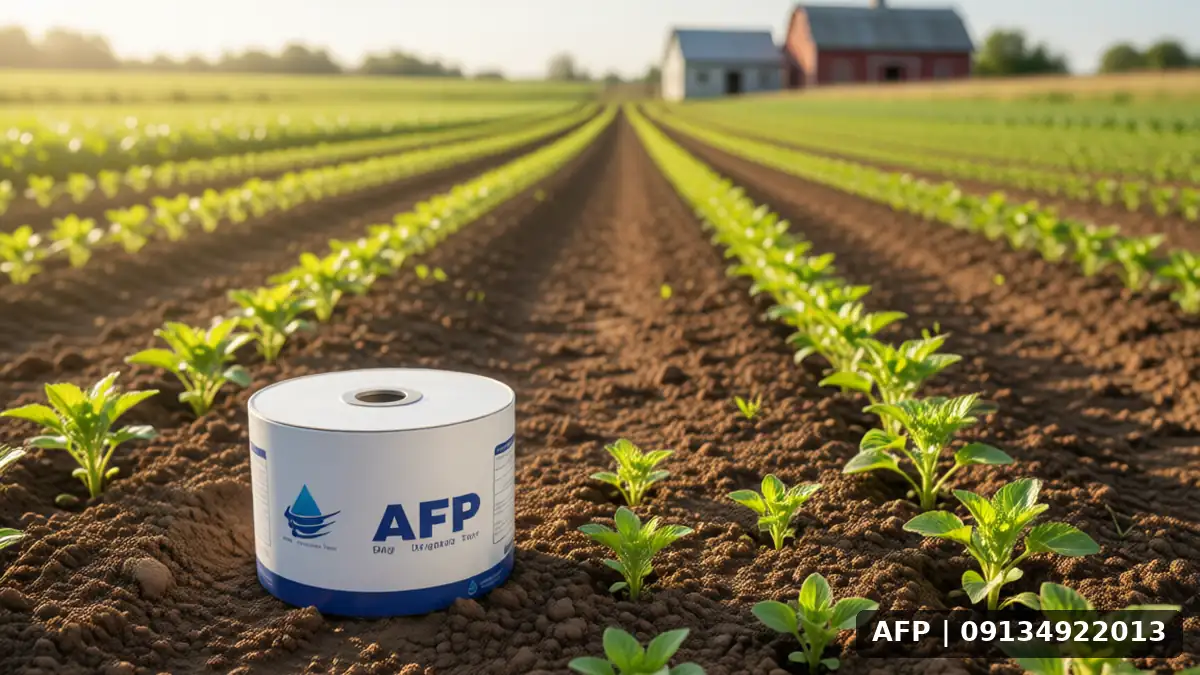
Economically, increased aroma translates to higher commercial value, as industrial buyers (such as soup and sauce manufacturers) place greater value on stronger aroma than on fresh yield weight alone. Therefore, deficit irrigation can increase the final selling price while reducing water and energy costs.
For comparison, consider the yield of other crops under similar irrigation conditions. For example, studying the per-hectare yield guide for lentil irrigation can deepen your understanding of water stress management in leafy vegetables, as they share similar physiological mechanisms.
Frequently Asked Questions (FAQ)
Does deficit irrigation reduce the fresh yield of coriander?
No, if executed correctly. The yield reduction is typically less than 10 percent, but the increase in aroma and commercial value can compensate for this reduction. The primary goal is to optimize economic return per unit of water.
What is the best time to start reducing irrigation?
After 21 days from sowing and once the plants have formed at least 5-6 true leaves. Starting early in the first days after sowing can cause growth stagnation.
Is a drip tape more suitable for cilantro than a standard drip system?
Yes, due to the high planting density of cilantro and the need for uniform moisture along the row, drip tape provides better distribution and minimizes the evaporation rate.
How can we prevent clogging in the drip tape?
Use separate filters at each stage, regularly flush the system, and use high-quality water. Consulting an expert on the advantages of L-ribbon can provide you with more technical maintenance tips.
Summary and Final Recommendations
Cilantro drip irrigation using drip tape is a smart solution for modern farmers who want to both conserve water resources and improve crop quality. The success of this strategy depends on three key elements: precise water stress scheduling, maintaining a healthy irrigation system, and continuous monitoring of plant status.
By following the above guidelines, you can reduce water consumption by 25% while delivering cilantro with a stronger fragrance and longer retention to the market. This approach ensures environmental responsibility and guarantees the farm’s financial yield. Always use your local data to fine-tune irrigation quantities, as soil and climate conditions create variations in baseline requirements.
To better understand the general principles of drip systems in different regions, studying the article on drip line spacing in lupin (due to similarity in crop structure with coriander) can provide you with clear insight. The more technical knowledge you have about drip irrigation, the better your ability to perform precise thinning will be.
Related Articles: fawa id nawwar ttip bghl dw kht, spinach seed per hectare factors increase, white onion yield per hectare iraq, Drip Irrigation Tape D981D98A Karbala