Drip Irrigation via Emitter Technology in Mung Bean Cultivation: Benefits and Practical Guidelines
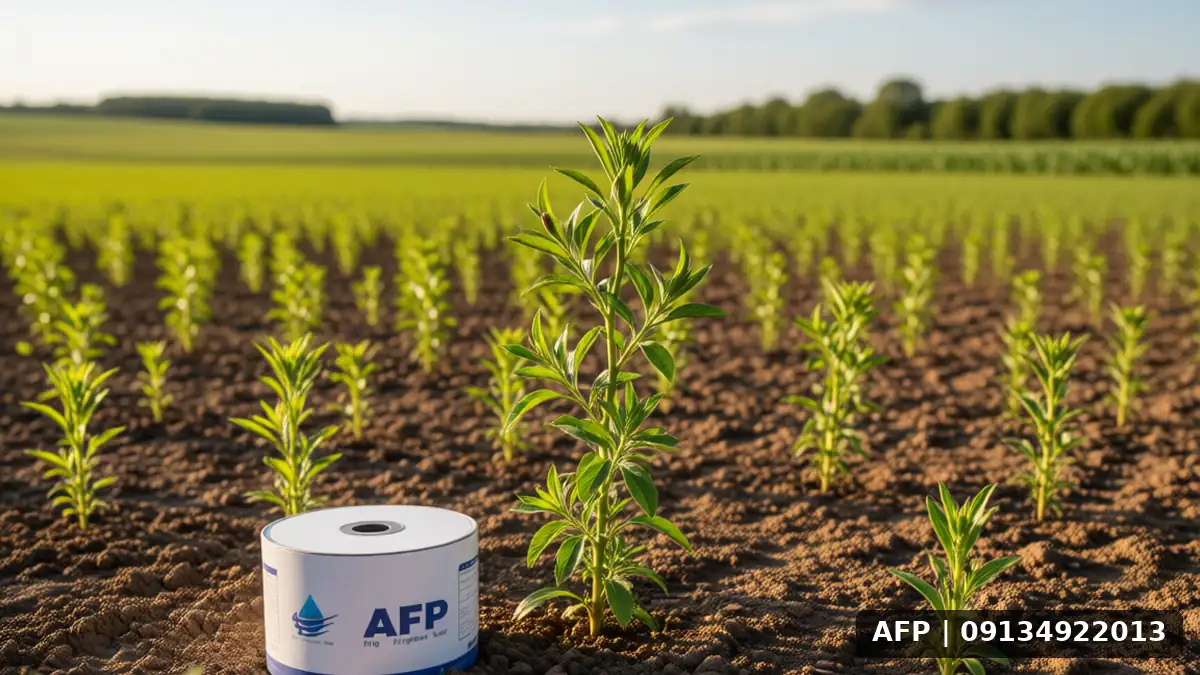
Rocket is one of the most popular salad vegetables in Iran, characterized by rapid growth and a short cultivation cycle. However, managing water resources for this crop remains a significant challenge for farmers, particularly in semi-arid regions. The use of drip irrigation with emitters in rocket cultivation is a modern and efficient solution for overcoming water scarcity and improving agricultural efficiency. This article explores the benefits, technical principles, and execution details of this method in greater depth. Due to its thin leaf structure and shallow root system, rocket requires consistent soil moisture; significant fluctuations in humidity can cause fruit splitting and reduce product shelf life. Therefore, selecting the appropriate irrigation method is not only about increasing yield but also a step toward preserving quality and plant health.
Why are drip emitters ideal for rocket?
Rocket is a plant with a shallow root system where roots are closely spaced near the soil surface. This characteristic makes uniform, localized water distribution directly within the root zone critically important. Modern drip emitters with fixed, adjustable flow rates enable precise delivery of water to meet plant needs without causing surface runoff or humidity stress fluctuations. Unlike sprinkler irrigation, which can lead to soil compaction and the spread of fungal diseases due to wet leaves, drip emitters eliminate these problems at the source. Additionally, keeping the soil surface between rows dry significantly reduces weed growth. This not only minimizes the need for herbicides but also maintains a cleaner and more hygienic field environment. Ultimately, precise moisture control promotes uniform growth of stems and leaves, which directly impacts product consistency in the market.
Increasing water use efficiency
one of the most prominent advantagesThe key benefit of this system is a significant reduction in water consumption. In drip irrigation, water is delivered gradually to the root zone at low pressure and in a controlled volume. This minimizes evaporation and deep percolation. Studies have shown that using drip emitters can save up to 40 percent of water compared to conventional methods. This saving not only reduces operational costs but also plays a vital role in the sustainability of regional water resources. By reducing stress on water sources, farmers can allocate their water budget to other crops or more critical growth stages. Additionally, reduced evaporation positively impacts lower pumping and energy costs.
Weed control
Another key benefit is the significant reduction in weed growth between rows. Because water is applied only in the root zone under the plant, other parts of the field remain dry, preventing weeds from germinating and growing. This allows farmers to reduce the use of herbicides in the drying sections and implicitly lowers input costs. You can learn more about precise input management and agricultural costs in the linked study, but the main point here is that in drip irrigation, weed management shifts from chemical to physical (dryness) methods. This approach also leads to reduced soil contamination with chemicals and preserves soil microbial balance. Forage yield per hectare You can become familiar with it, but the main point here is that in drip irrigation, weed management is shifted from the chemical route to the physical (dryness) route. This method also results in reduced soil contamination with chemicals and maintains soil microbial balance.
Chickpea growth efficiency analysis
Mung beans are known for their rapid growth and high yield volume. To better understand how precision irrigation affects productivity, it is essential to examine the factors influencing production. Water stress, even if temporary, can lead to mold and a decline in market quality. By establishing consistent soil moisture, drip systems ensure that plants remain in optimal physiological conditions. This results in an increase in net produce weight and improved color and freshness at harvest. You can compare various yields by referring to Sorghum yield per hectare: Influencing factors and solutions, but the key point regarding mung beans is their high sensitivity to moisture fluctuations. Additionally, maintaining stable soil temperature around the roots enhances nutrient uptake and accelerates vegetative growth.
Practical tips for installation and operation
To fully benefit from drip irrigation using emitters for mung bean cultivation, it is crucial to adhere to the following:
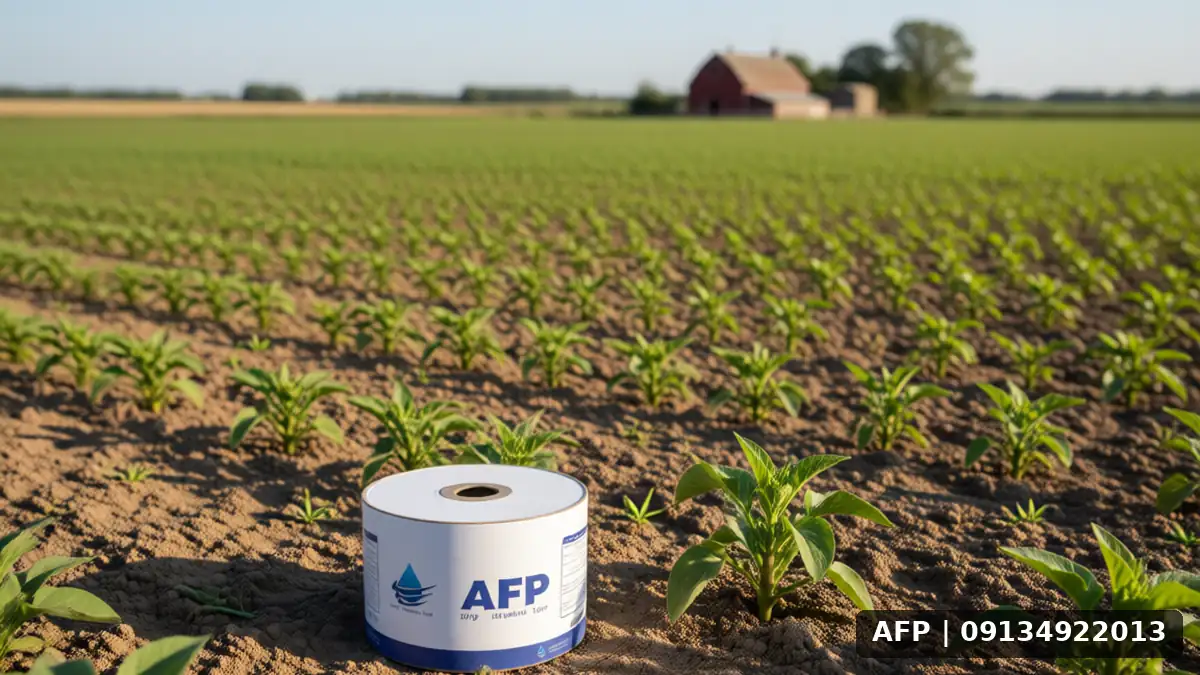
- Hose material and diameter: It is recommended to use polyethylene hoses with UV inhibitors for durability against summer ultraviolet radiation.
- Dripper spacing: Given the mung bean planting distance (typically 30 to 40 cm in-row), dripper spacing must be adjusted based on the selected flow rate to ensure uniform irrigation coverage.
- Consideration of land slope: To prevent pressure variations in the drippers, leveling devices (pressure-compensating fittings) must be installed throughout the field.
- Filter cleanliness: Because the diaphragms of your drippers are highly sensitive to sediment and sand, installing a filter with an appropriate mesh size (typically 120-150) is mandatory. In this regard, studying Pre-purchase tips for drip tape systems can be beneficial, as the principles important in selecting drip tape also apply to dripper selection. Additionally, using magnetic filters in specific situations can prevent sludge buildup.
Comparison with drip tape under various conditions
Although drippers have numerous advantages, in some flat lands with high-density tangerine cultivation, drip tape is considered a competitive option. Drip tape offers faster installation and is generally more economical in initial costs. However, the water distribution accuracy of drippers is often preferred for high-value vegetables such as mung beans. For better decision-making, familiarity with system spacing principles is necessary. You can review Drip Line Spacing for Faba Beans: Optimal Cultivation Standard, gain a better understanding of the general principles of surface irrigation system design, as the fundamental hydraulic principles are the same. Ultimately, the choice between these two systems depends on the ground slope, soil type, and available budget.
Frequently Asked Questions (FAQ)
Is drip irrigation suitable for paddy fields?
No, drip irrigation is generally not recommended for paddy fields and areas with highly saline water, unless the drip emitters are spaced very far apart or specialized filters are used. Mung bean is sensitive to salinity, and irrigation with saline water may cause new leaves to burn. Additionally, the accumulation of salts around the roots can gradually lead to a significant reduction in crop yield.
What is the maximum efficiency of mung bean cultivation using drip irrigation?
By applying the correct agricultural and technical principles, an increase of up to 25 to 30% in crop water use efficiency can be expected compared to flood irrigation methods. This increase in efficiency is due to reduced water loss and improved nutrient absorption by the plants.
Is it economically viable?
Yes. Although the initial installation cost of a drip system is higher than that of a sprinkler system, the reduced water consumption, lower need for herbicides, and increased crop yield result in a return on investment within one to two cropping seasons. To better understand the costs, reviewing potato planting density per hectare can help you gain a better understanding of agricultural cost management, even though the crops are different. Additionally, the reduction in labor required for irrigation and weeding is another important factor in justifying the economic benefits of this system.
Summary and Final Recommendation
The use of drip irrigation with emitters in mung bean cultivation is a smart investment for future-oriented agriculture. This system, by combining precise water distribution and reduced plant stress, not only enhances crop quality but also alleviates pressure on finite water resources. We recommend that farmers consult with irrigation engineering specialists to calculate the appropriate flow rate based on their local soil and climate conditions before purchasing equipment. By adhering to maintenance principles and performing periodic system repairs, you can benefit from a longer lifespan and sustained performance. Finally, becoming familiar with supplementary details, such as broccoli yield per hectare, can broaden your perspective on the potential of various vegetable crops with precision irrigation systems. Moreover, paying attention to water quality and appropriate filtration is key to the long-term durability of the system.