Drip Irrigation for Chickpea Cultivation: A Comprehensive and Technical Guide
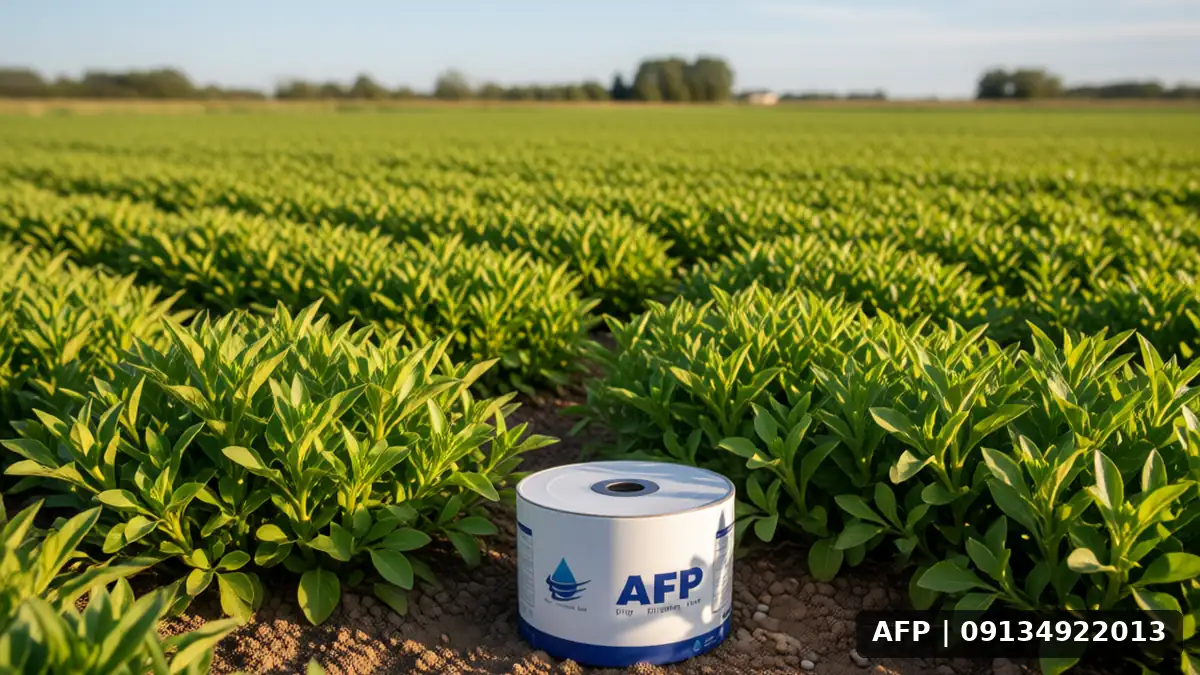
Why is drip irrigation the optimal option for chickpea cultivation?
Chickpea is a staple legume in Iranian cropping systems, and its growth depends on a precise hydrological cycle. In conventional furrow or surface drip irrigation methods, uneven moisture distribution causes alternating drought and waterlogging stresses, which directly negatively impact root nodule formation and, consequently, seed volume and quality. Systems Drip irrigation deliver water slowly and under low pressure directly to the active root zone. This increases root-soil contact with moist soil and facilitates more effective uptake of key nutrients such as nitrogen, phosphorus, and potassium. In arid and semi-arid regions with limited water resources, the efficiency of this system is particularly critical because it prevents surface evaporation and deep percolation while reducing energy costs associated with pumping.
Direct impact on yield and seed uniformity
Precision in moisture management is the key to reducing seed shattering and increasing hundred-seed weight. Numerous studies have shown that combining precise irrigation management with chickpea cultivation can minimize climatic stress. Chickpea plants are highly sensitive to moisture fluctuations during the vegetative stage and early flowering. Drip irrigation maintains soil moisture stability, keeps photosynthesis rates consistent, and prevents yield losses caused by water stress. This yield stability is significant for farmers aiming to produce bulk output with uniform quality for export markets.
Selection of system technical components and tip tape
The success of chickpea drip irrigation projects begins with the correct selection of hardware components. For row crops such as chickpeas, drip tapes (Drip Tape) with diameters of 16 or 20 millimeters are common options. The spacing between emitters in commercial tapes is typically 30 or 40 centimeters, which is considered optimal for uniform water distribution along the crop rows. The spacing between crop rows can vary based on soil type and climate, but a 50 to 60 centimeter spacing is common in most regions. When purchasing drip tape, be sure to check the standard for tensile strength and UV resistance to prevent tearing under sun exposure and mechanized operations. Also, an accurate estimation cost of drip tape per hectare is essential for developing the annual budget and conducting an economic comparison with other methods. The input pressure of the system should be adjusted according to the design and manometer settings of the line; if pressure drops at the end of the line, using shorter lines or narrower hoses with higher working pressure can restore balance.
Water Flow Drivers and Hydraulic Modeling
The hydraulic behavior of a drip system is influenced by variables such as line length, elevation difference, water viscosity, and ambient temperature. Pressure changes along the drip line cause water output from emitters at the end of the line to be lower than at the beginning (local and overall system non-uniformity). To reduce this deviation, lines should be limited to the standard lengths recommended by the manufacturer. Understanding these concepts factors affecting the water flow rate in drip tape helps engineers and farmers prevent non-uniform water distribution across the field. This is critical for sensitive crops such as chickpeas that require harmonious growth. A local deviation of less than 10 percent is generally acceptable and does not require system redesign.
Practical tips for sowing, desalination, and farm management
Implementing drip irrigation is not limited to pipe installation; it is a resource management platform. The growing bed must be carefully leveled to prevent localized waterlogging. Place the drip line 10 to 15 centimeters below the soil surface and directly adjacent to the root zone to prevent damage from drainage and planting tools.
- Irrigation timing and dosage: Chickpea water requirements are dynamic. During the emergence stage, roots are limited, and a low irrigation dose (10 to 15 millimeters) is sufficient. As the crop enters the grain-filling stage, peak root development occurs, and the irrigation dose should reach its maximum (20 to 30 millimeters). In the final weeks, irrigation should be gradually reduced to accelerate grain maturation and prevent shattering.
- Drip fertigation: Fertilizer injection through the irrigation system multiplies nutrient uptake efficiency. For proper planning, knowledge of nutritional principles and calculation based on area units, such as Seed rate and nutrition principles per hectare is essential. The balance between nitrogen (for stem growth) and potassium (for grain quality) must be considered in the drip fertigation schedule.
- Desalination and leaching: In areas with saline water, it is recommended to use water with a higher EC and a high dose once a month for the leaching of subsurface salts. This prevents salinity accumulation in the narrow active root zone.
Root stress and disease management
Permanent and continuous moisture in the bed can provide a suitable environment for the growth of root-rot fungi and viral diseases. Allow the soil surface to dry out to some extent between two irrigation cycles to improve oxygen supply to the roots. Using plastic or plant mulch together with drip irrigation reduces weed competition and evaporation, but care must be taken not to impede root movement.
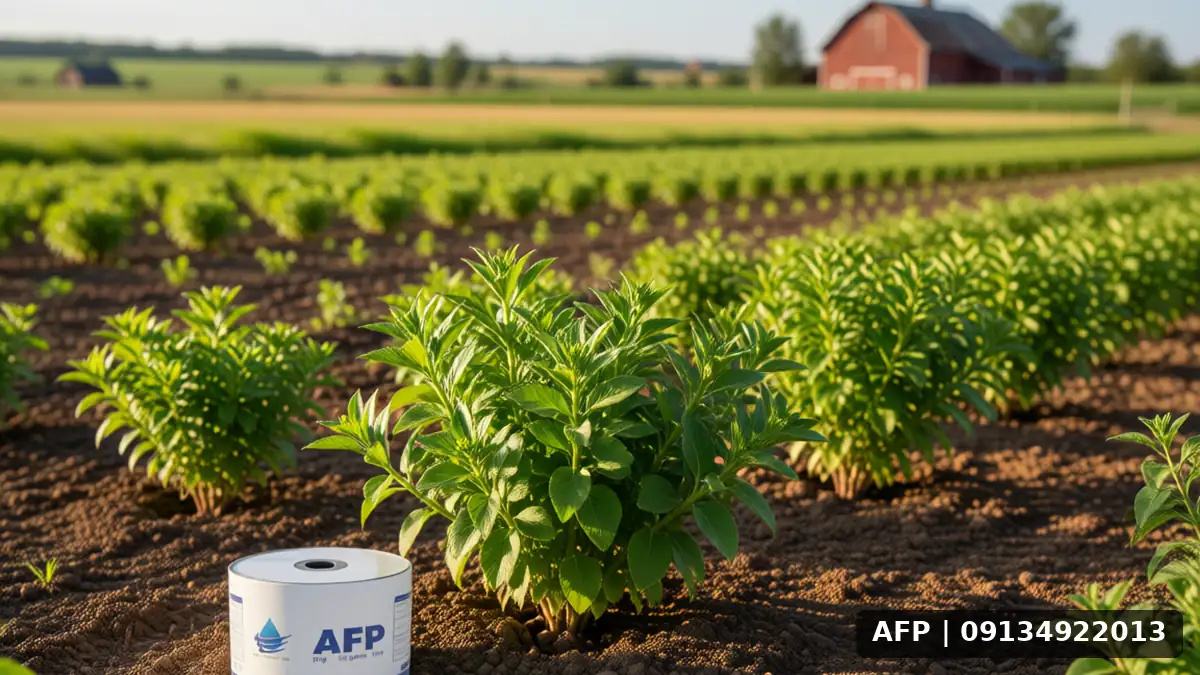
Frequently Asked Questions (FAQ)
What is the safe distance of the drip line from the chickpea planting density?
Experience has shown that a distance of 15 to 20 centimeters from the initial root layer is a necessary point. If the line is placed in the middle of the row, it feeds two rows, but in practice, a distance of 10 to 15 centimeters from the planting line provides the best root coverage. Be careful during the planting operation not to break the line; otherwise, water leakage and reduced pressure will occur.
Does drip irrigation prevent soil salinity?
No, drip irrigation increases salinity potential within the drip emitters due to the concentrated nature of the watering. Therefore, a regular leaching schedule and the use of appropriate filtration are essential to prevent salt precipitation and line clogging. Additionally, adjusting the water pH to a neutral range (6.5 to 7) before it enters the system is recommended to prevent salt precipitation.
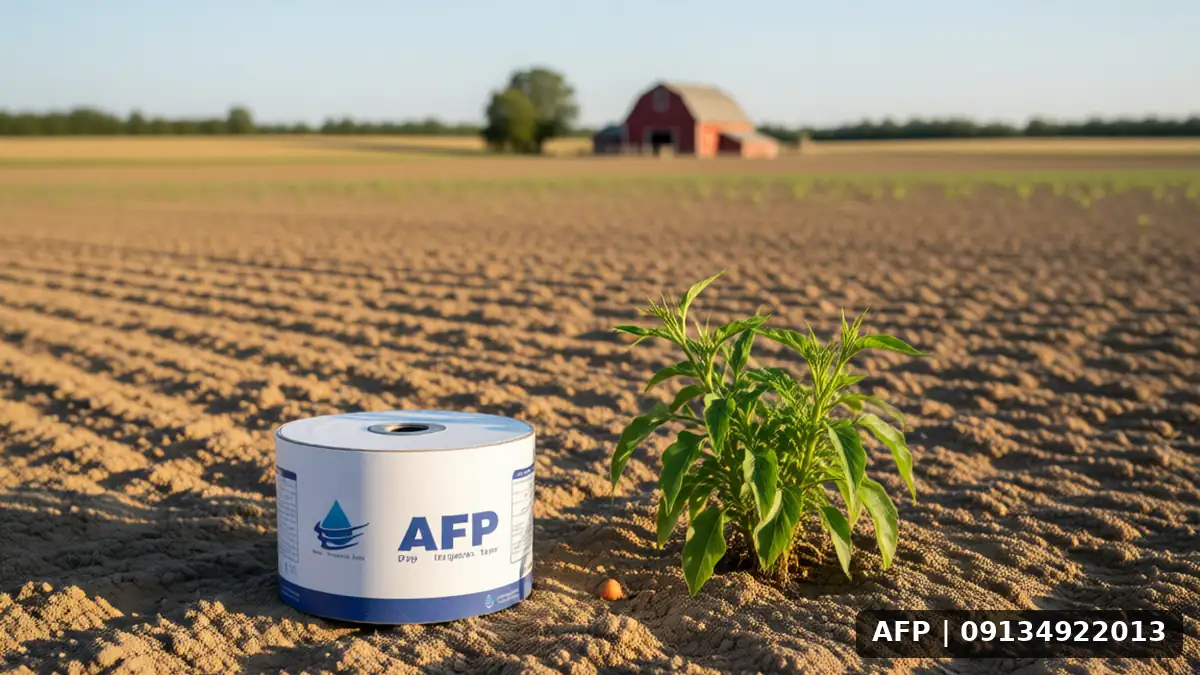
What is the role of drip irrigation in reducing pesticide use?
For controlling fungal infections, reducing leaf moisture is a inherent advantage of drip irrigation. This significantly reduces the persistence of black spot and fungal leaf spots. For root-dwelling pests, the use of systemic pesticides via drip irrigation provides direct and effective absorption without creating surface contamination, uniformly.
Conclusion and Future Outlook
Transitioning from conventional agriculture to precision systems is an economic and ecological necessity. Proper implementation Drip Irrigation In chickpea cultivation, it does not merely save water; it significantly increases profitability by reducing fertilizer usage, minimizing weed growth, and producing healthier crops. A future where agriculture achieves higher yields with fewer resources depends directly on adopting these technologies. For a deeper understanding of how planting and irrigation methods overlap in other crops, you can refer to the Comprehensive Guide to Cucumber Cultivation with Irrigation Methods to better optimize your perspective on resource management across various crops. Investing in this knowledge ensures sustainability in the modern agricultural industry.