Drip Irrigation in Canola: A Comprehensive Guide to Cost Optimization and Resource Management
Introduction to Deficit Irrigation in Rapeseed
Rapeseed, as one of Iran’s strategic oilseeds, has always required precise management of water resources. With water resources becoming scarcer and agricultural production costs rising, the concept of Deficit Irrigation has become an essential smart strategy for farmers. This method is based on the principle that by reducing part of the plant’s water requirement during non-sensitive stages, severe drought stress can be prevented while maintaining the final crop quality at an acceptable level.
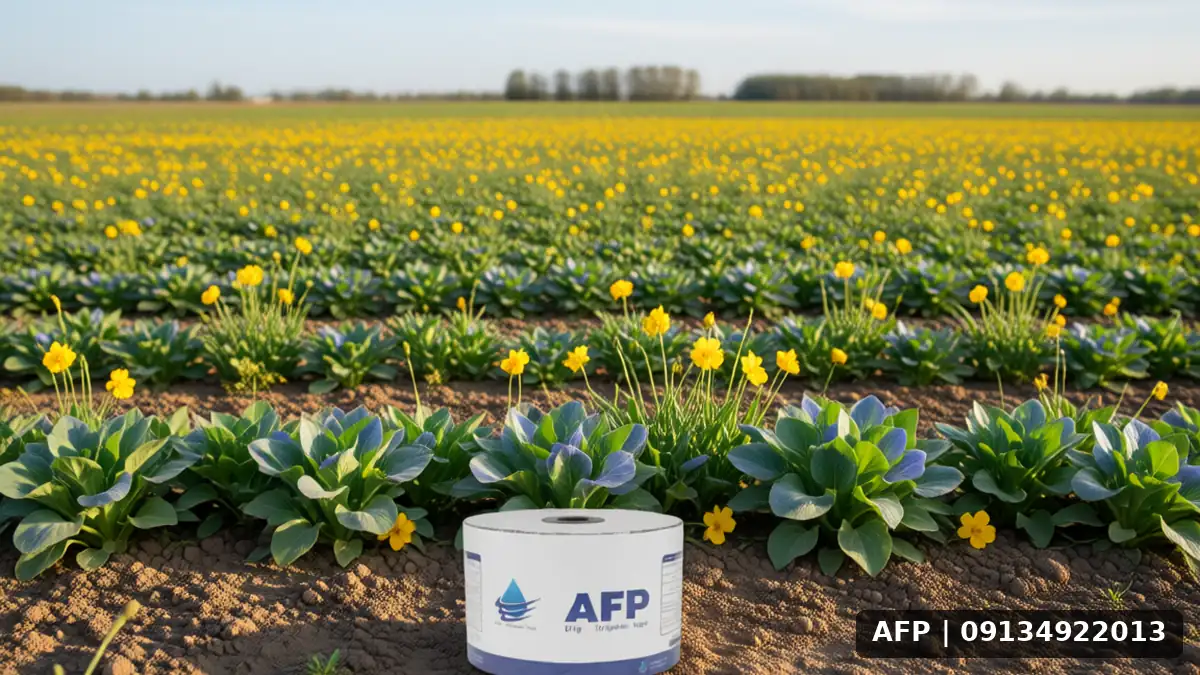
In rapeseed cultivation, where sensitivity to water stress is high during the flowering and seed-setting stages, selecting the correct timing for irrigation reduction is critical. Utilizing modern local irrigation technologies, such as drip and tape systems, enables the precise execution of this strategy. This section discusses how to select the appropriate drip irrigation tape to ensure uniform water distribution within the rapeseed root zone.
The objective of this article is to provide a practical roadmap for farmers who wish to increase yields while minimizing water, energy, and labor costs. We will examine the technical, economic, and operational aspects of this method so that you can make informed decisions about optimizing your farm.
Technical Principles of Deficit Irrigation in Rapeseed Growth Stages
For the successful implementation of Deficit Irrigation, a precise understanding of rapeseed growth physiology is necessary. The rapeseed plant has distinct growth phases, including the vegetative stage, flowering, and seed formation. Reducing irrigation during the vegetative stage (before flower emergence) is generally the most tolerant phase, as the root system is developing, and the plant can seek deeper water sources by increasing root depth.
- Vegetative stage: Reducing water by 10 to 20 percent during this stage can strengthen the root structure without causing a significant negative impact on the plant’s vegetative growth.
- Flowering stage: This stage involves high sensitivity. Excessive reduction in water here will lead to flower drop and a decrease in the number of capsules.
- Seed setting stage: Water requirements for seed filling are critical. Deficit irrigation at this stage directly impacts seed dry weight and final yield.
Water distribution by drip lines plays a decisive role in these stages. Drip systems with appropriate diameter, such as options available in resin drip irrigation lines, are an attractive choice for rainfed and spring crops due to their chemical stability and resistance to mechanical stress. The correct selection of drip line spacing relative to rapeseed planting rows ensures that roots are located only in the irrigated zone, which also creates a form of localized deficit irrigation management.
Economic analysis and cost optimization
Optimal Cost in deficit irrigation is the equilibrium point between yield loss and savings in variable costs. Since water pumping costs and electricity or diesel energy consumption are directly related to the volume of water used, every liter of water saved directly reduces operational costs.
For precise calculations, farmers must account for water return rates. In many regions, a 10% reduction in water during the entire growth stage of rapeseed results in only a 3 to 5% decrease in final yield, while reducing water costs by 10%. This is a strong economic lever. Additionally, using precision systems such as perforated drip tape can increase accuracy, but involves a higher initial cost that must be evaluated against its 3 to 5-year useful life.
Practical tips for implementation in rapeseed fields
Implementing deficit irrigation without regular planning can lead to uncontrolled stress. Here are key points for farmers intending to implement this model:
- Soil Moisture Monitoring: Use soil thermometers or moisture sensors to determine the exact timing for reducing irrigation. Soil moisture below the 15-centimeter level should be maintained within 40 to 50 percent of field capacity.
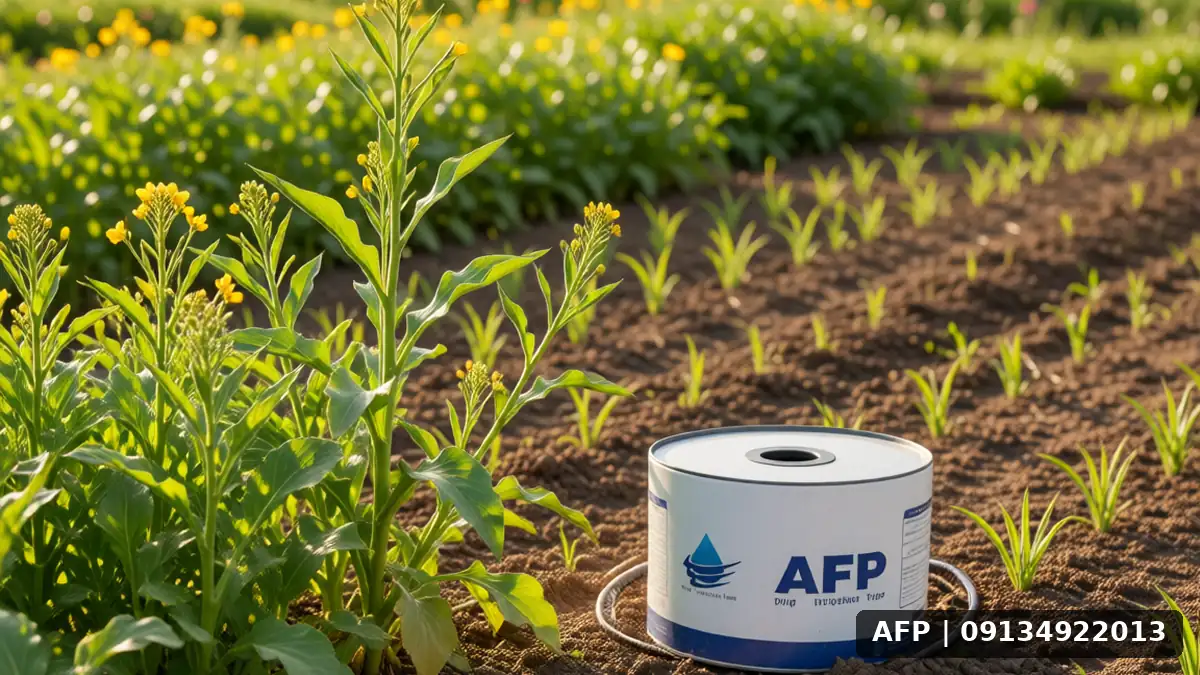
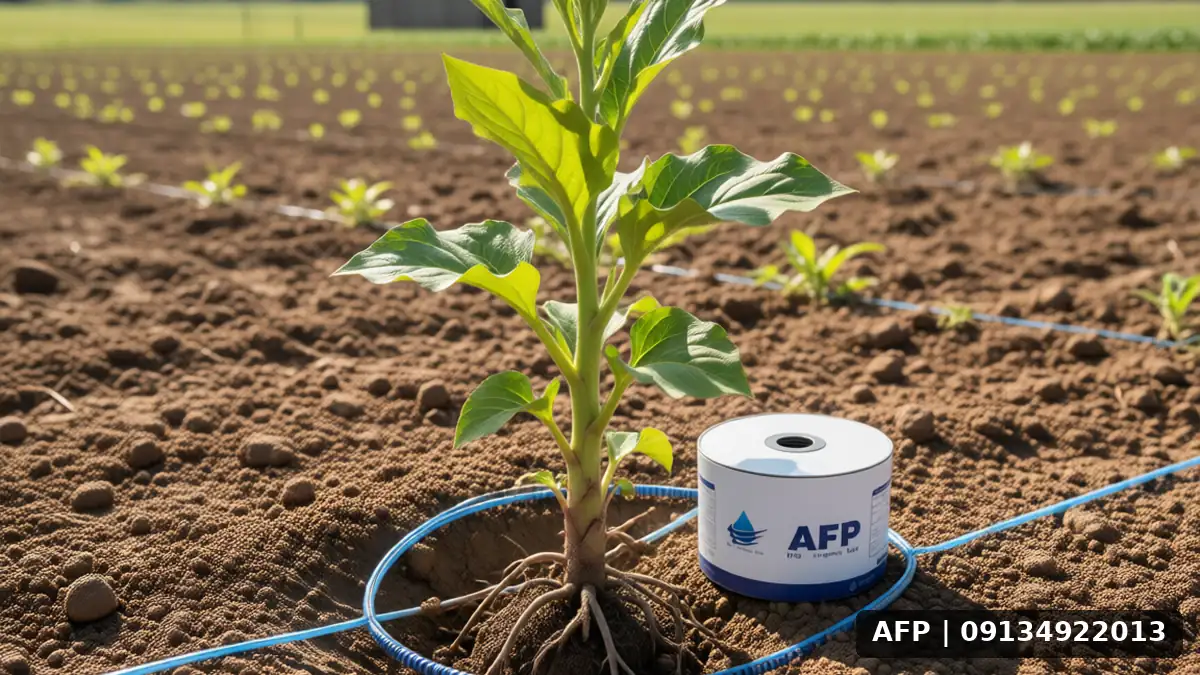
- Drip Tape Management: Post-planting, ensure that the drip tapes are aligned along the plant’s main root. In drained cultivation, a distance of 20 to 25 centimeters from the plant to the tape is recommended.
- Line Pressure Adjustment: Drip systems often operate at lower pressures. Ensure that filters and control valves are adjusted to prevent clogging of emitters.
- Drip line distribution: For row cropping, systems with a 16 or 20 mm diameter are ideal. A comprehensive guide can be found at comprehensive guide 20cm tip tape prices iran market to verify the optimal technical specifications.
In addition to irrigation tips, chemical and fertilizer management is also affected by drip irrigation. Because the solution concentration in the root zone is higher under drip irrigation conditions, the application rates of nitrogen and phosphate fertilizers must be adjusted to prevent an increase in soil salinity. It is also essential to monitor fungal diseases that are more prevalent under specific moisture conditions.
Frequently Asked Questions (FAQ)
This section answers common questions from farmers regarding the combination of drip irrigation and drip line systems.
Does deficit irrigation reduce the oil quality of canola?
Studies have shown that slight water reduction in early stages has a negligible effect on seed oil percentage, but in the sensitive flowering stages, it may negatively affect absolute seed weight, which directly impacts total oil yield. Therefore, timing is critical.
What is the optimal drip tape spacing for canola?
Given the canola canopy width, a spacing of 20 to 30 centimeters from the plants is usually optimal. For more details on spacing and various methods, you can review the article wheat drip tape spacing irrigation methods that covers principles similar to other oilseeds.
How can I determine exactly when to stop or reduce irrigation?
Visual detection of moisture stress shows signs such as yellowing of lower leaves and a color shift from green to grey-green. However, the scientific method is using moisture sensors, which are available from various brands in the market.
Is drip tape usable in intercropping canola with wheat?
Yes, spring sowing (where the crop is planted after the spring rains) can also benefit from drip tape, especially if autumn and winter rainfall are insufficient. Tomato drip tape systems are generally considered durability benchmarks, but for grain crops, lighter gauge tapes often perform better.
Conclusion and Future Outlook
Spring sowing of rapeseed is a lifesaving strategy for the future of sustainable agriculture in Iran. By combining plant physiology knowledge with local irrigation technologies such as drip tape and drip systems, farmers can not only reduce water consumption but also enhance profitability by lowering energy and labor costs.
For better implementation, it is recommended to always consult with an irrigation specialist to optimize the irrigation profile based on your local soil and climate conditions. Additionally, paying attention to the quality of equipment used, such as key points when using irrigation drip tape that aid system longevity and efficiency, is crucial.
Finally, rapeseed is a crop with high economic returns; therefore, investing in precise irrigation systems and smart resource management is an investment in your food and economic security. Starting next season, take moisture monitoring seriously and leverage smart spring sowing capabilities to unlock higher efficiency boundaries.
Related articles: How to choose the appropriate drip irrigation tape, miqdori tuxmii salat dar yak hektar nasoyihi kisht u obyori