Drip Irrigation in Beet Cultivation: Key Tips for Maximum Yields
Introduction: The Importance of Drip Irrigation in Beetroot Cultivation
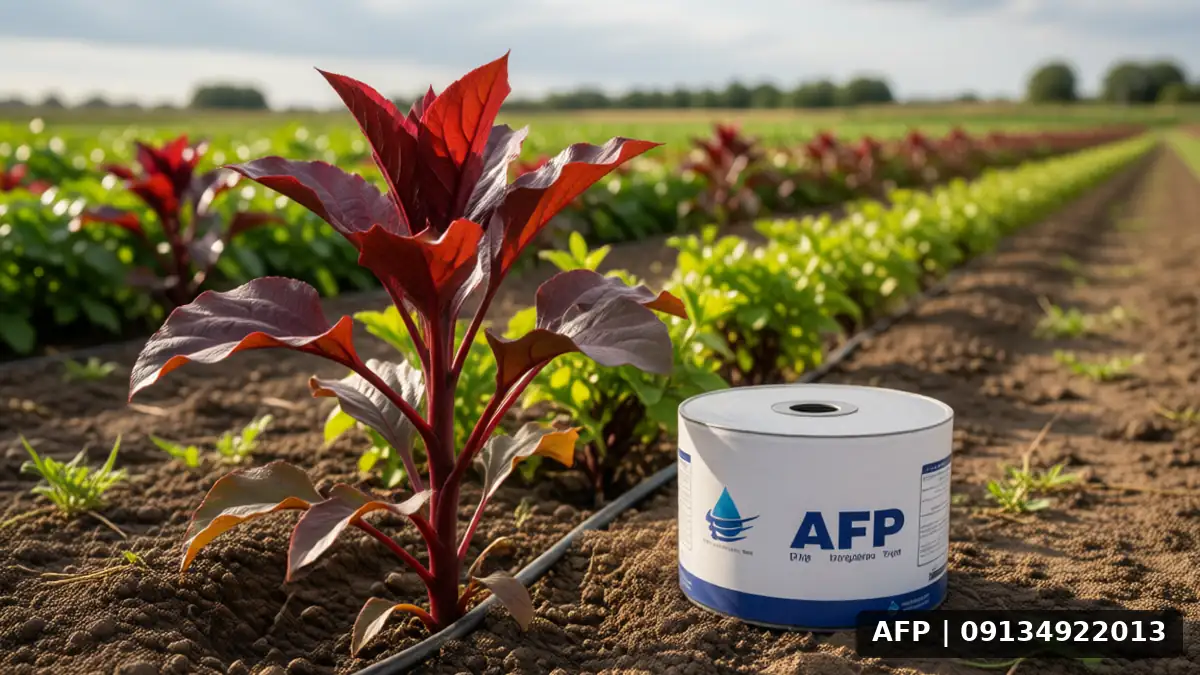
Beetroot is one of the most sensitive crops to water resource management. The rapid growth of storage roots and the plant’s high requirement for consistent soil moisture make traditional irrigation systems challenging. Under these conditions, drip irrigation plays a significant role as the most effective method for delivering water and nutrients to the root zone. With proper implementation of this method, farmers can save up to 30% on water consumption and achieve higher yields. This article examines the key points, technical principles, and operational issues in implementing drip irrigation systems specifically for beetroot to provide you with comprehensive guidance.
<>
Technical Review of Systems Suitable for Beetroot Drip Irrigation
Selecting the Type of Drip Tape or Emitter Line
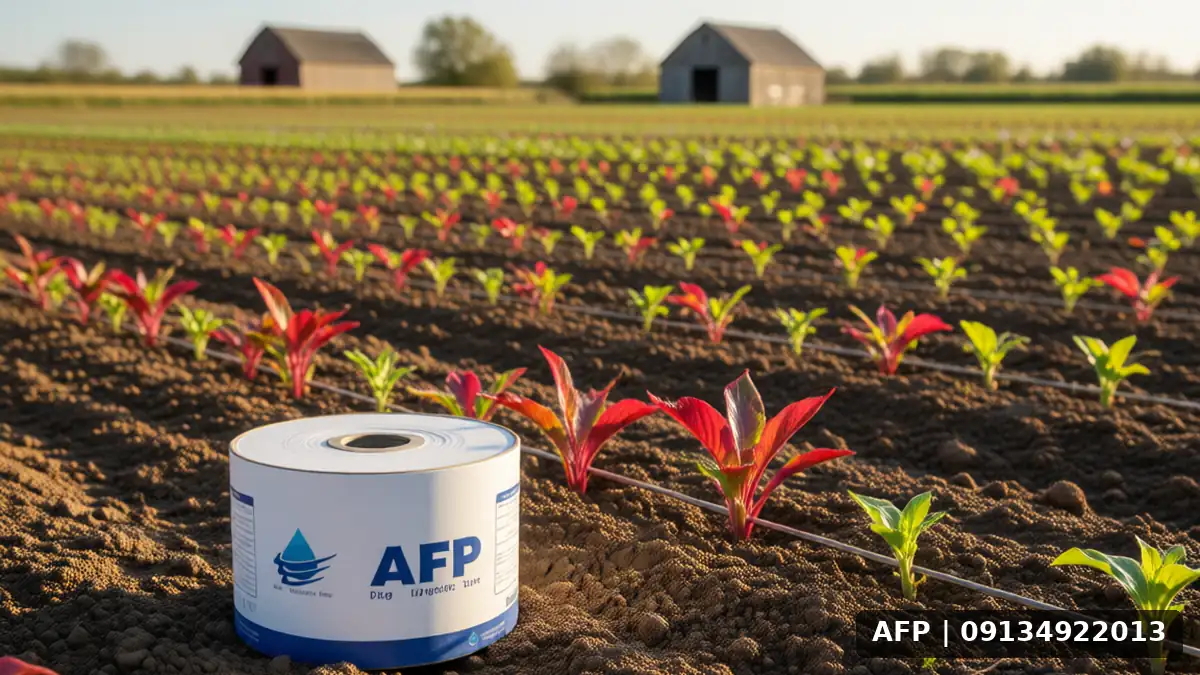
For beetroot cultivation, there are two main options: using drip tape or fixed drip emitter lines. Since beetroot is a seasonal crop with a defined growth period, drip tape is generally considered the more economical and faster option. For cultivation in lighter, sandy soils, the use of retractable tubes with appropriate connectors is recommended. In this case, the use of standard agricultural drip tape connectors It is essential to ensure secure, leak-free connections to prevent system pressure loss. Furthermore, understanding the physical basis of the system is critical; therefore, reviewing a comprehensive guide on defining and interpreting numbers in drip irrigation aids in better understanding flow rate, pressure, and discharge parameters. The use of Modern methods for irrigating agricultural lands can also significantly help improve a farmer’s technical knowledge and ensure that the final system selection is based on more precise data.
Emitter Spacing
Selecting the emitter spacing is one of the most important factors affecting the irrigation efficiency of beet. Shorter spacings (e.g., 20 cm) provide more uniform soil coverage but are more costly. Spacings of 40 or 50 cm are more common for standard beets. It should be noted that the emitter diameter and its discharge rate must be adjusted according to soil type. In heavy soils, a higher discharge rate and shorter spacing can help prevent compaction around the roots. Also, to determine the yield of beet per hectare and other key variables, expert consultation is required to avoid calculation errors in spacing.
<>
Key points in the design and implementation of a drip irrigation system
Pressure management and uniform water distribution
One of the main challenges in larger farms is maintaining uniform pressure throughout the irrigation network. The input pressure to glass pipes must be below the maximum allowable line pressure to prevent tubing rupture. To this end, using pressure-reducing valves and properly adjusting main and sub-lines is critical. In the initial design phase, pressure loss calculations must be performed accurately. In case of reconstruction or improvement, familiarity with the characteristics and applications of Lateral pipes: types and applications can be helpful for main transfer lines. Due to their optimal cost, these pipes are a suitable option for high-pressure main lines.
Irrigation scheduling and dosage
Beets require continuous and uniform soil moisture. Gaps in irrigation cause drought stress, resulting in stopped root growth or irregular root formation. The best time for irrigation is late evening or early morning to reduce evaporation rates. To manage water dosage, simplified methods can be used; familiarizing yourself with the best water-saving irrigation methods helps you optimize your irrigation cycle. For example, using fabric hoses in farm main lines is a low-cost and durable strategy for reducing water loss. Additionally, familiarity with Guide for 2-inch cotton hoses It can be useful in selecting auxiliary equipment.
<>
Practical tips for simultaneous sowing and irrigation (distributor)
Seed rate per hectare and mechanized sowing
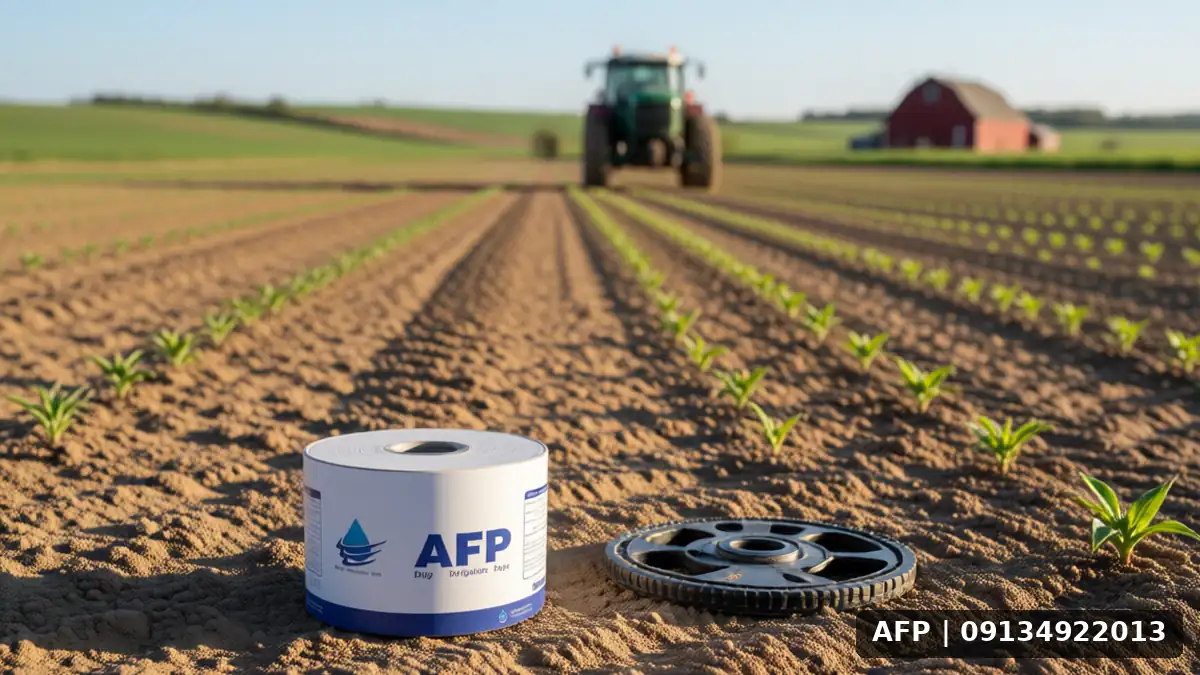
For beet cultivation with a drip system, mechanization of the sowing process is very common. Sowing with mechanized equipment generally helps achieve precise seed spacing. Accurate determination Tarragon seed rate per hectare: A comprehensive guide or other companion crops in multi-crop systems (intercropping) requires precision, but for single-crop beet, sowing standards are adjusted based on the target yield per hectare. Usually, the seed density for industrial beet is recommended to be between 70,000 and 100,000 plants per hectare, depending on the variety.
Modeling and simulation of the irrigation process
Before final implementation, it is recommended to model the irrigation process using specialized software to estimate pressure drop, water distribution at the root zone, and moisture stability. This precise simulation process is crucial, particularly in heavy soils or on sloping farms where upstream and downstream areas have pressure differences. By considering correction factors, it is possible to prevent the creation of dry or waterlogged zones. Study of the topic D981D98A Tokerit drip irrigation tape In the irrigation modeling section, it helps achieve a deeper understanding of simulation variables.
Frequently Asked Questions (FAQ)
Is the drip system suitable for all soil types?
Yes, but the system’s technical parameters (spacing and flow rate) must be adjusted based on soil permeability. In heavy soils with low permeability, higher flow rates are used for horizontal water distribution.
What is the best time to harvest beetroot using drip irrigation?
Usually 180 to 220 days after planting. Irrigation management during the last 3 weeks slows root growth to allow sugar to accumulate in the roots and improve quality.
Can fertilizer be injected through the drip system (fertigation)?
Yes, fertigation via the drip system is one of its main advantages. However, you must use appropriate chemical solutions with a balanced pH to prevent precipitation and clogging of the drippers.
Summary and Final Recommendations
Successful implementation of drip irrigation in sugar beet cultivation requires attention to technical and practical details. Correct selection of the tube, adjustment of flow rate and spacing, and precise timing are the main keys to achieving desired yields. Investing in standard equipment will not only reduce water costs in the long term but will also lead to higher yields. For more information on Modern Irrigation Methods for Agricultural Landsusing these resources can provide you with a broader perspective. Additionally, if you need specialized advice regarding dripper spacing for specific sugar beet varieties, contact the relevant experts. This guide is purposeful and focused on science-based principles to help you make irrigation decisions with greater confidence.
Related Articles: Fenugreek Seed Rate per Hectare: A Comprehensive Guide, Drip Irrigation Tape D981D98A Tikrit, Moss Yield per Hectare, Standard Connections for Agricultural Drip Tape, Rain Pipe Types and Applications