Drip Irrigation with Drippers for Beet Cultivation: Applications
Introduction to the role of drip irrigation in sugar beet cultivation
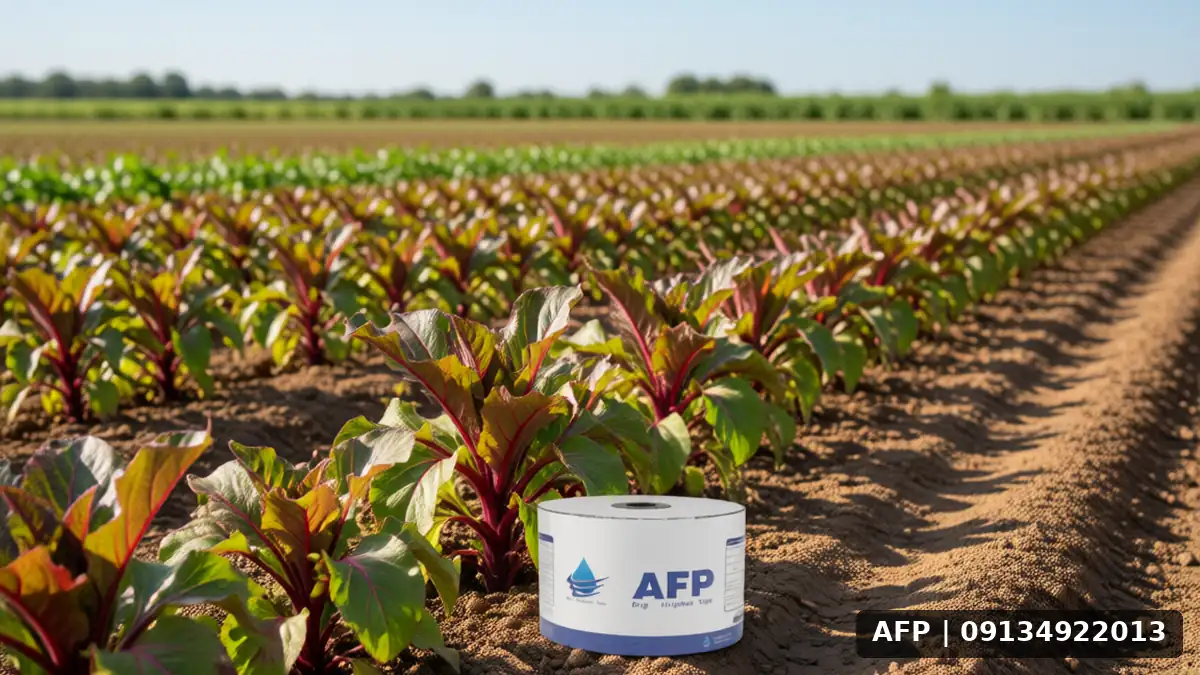
Sugar beet is one of the most sensitive strategic crops in Iranian agriculture, directly linked to the sugar industry. One of the key factors for successful cultivation of this crop is proper management of water resources. In recent decades, the shift from flood irrigation to drip irrigation for sugar beethas brought about a fundamental transformation in this industry. The use of modern emitters and tape lines enables the precise and continuous supply of water and nutrients at the root zone. This approach not only reduces evaporation losses and deep percolation, but also promotes better growth of marketable roots by creating stable moisture conditions. More specifically, sugar beet requires uniform moisture distribution throughout its entire growth cycle; any severe fluctuation in soil moisture can lead to root cracking, reduced sugar content, and even early rot of the stored product. Therefore, selecting an appropriate irrigation system is not merely an economic option but a technical necessity to maintain final product quality and ensure farmer income.
Technical principles of drip emitter implementation in sugar beet fields
To better understand this process, it is important to know that beets grow vertically and have a critical need for uniform water. Significant moisture fluctuations can cause root cracking or growth cessation. In a drip system, a constant water pressure is created, and water is delivered in drops at a specific flow rate. Selecting the appropriate drip emitter is vital; typically, emitters with a flow rate of 2 to 4 liters per hour are recommended for early growth stages, and 4 to 8 liters per hour for the root development stages. Additionally, the spacing between emitters must correspond to the planting distance to optimize moisture coverage in the root zone. Also, land slope is a factor that plays a role in pressure and flow rate calculations; on steep slopes, the use of pressure-compensating emitters is essential to ensure uniform output at the beginning and end of the line.
Selecting the appropriate pipe and tape
The structure of main and lateral pipes plays a key role in system performance. Although many farmers use fixed pipes, in large farms, the use of agricultural retractable pipes can reduce installation and field renovation costs and provide greater flexibility throughout the beet growth cycle. Retractable pipes should be made of high-quality PVC or polyethylene to resist ultraviolet radiation and system pressure. In addition to main pipes, selecting the appropriate diameter for lateral lines is very sensitive. A smaller diameter can cause pressure drop and reduced flow rate at the emitters at the end of the line, while a larger diameter increases initial investment costs. Therefore, precise hydraulic design before purchasing equipment is the key to success at this stage.
Applications and direct impact on yield increase
The most significant application of drip irrigation is a substantial increase in both volume and quality of the crop. Precise control of water and nutrient balance accelerates the growth of initial germinations. Field data indicates that farms equipped with drip systems produce up to 20 to 35 percent more yield per hectare compared to traditional flood irrigation methods. This increase is not solely due to reduced water consumption, but also due to the reduction of plant physiological stress. To better understand the potential for yield enhancement, you can study the yield of sugar beets per hectare and make a comparison, as the fundamental principles of moisture and nutrient supply are similar for many root crops. Additionally, root quality in terms of sugar content and purity is directly affected by the irrigation schedule; over-irrigation in the late stages can dilute nutrients in the root tissue and reduce final crop quality, which leads to decreased efficiency in the sugar production process.
Drip fertilization and water adequacy
One key advantage is the capability to perform drip fertilization . By injecting soluble fertilizers into the system, fertilizer uptake losses can be prevented. In arid climates, this method reduces total water consumption for producing each ton of beet. Furthermore, system integration with other equipment such as types of drip irrigation belts It facilitates integrated resource management. Tape lines are more commonly used in direct-seeded sugar beet farms, while individual drippers in transplanted farms allow for more precise control. The use of slow-release fertilizers alongside the drip system can reduce the frequency of fertilization and optimize labor costs.
Practical tips for managing sugar beet drip systems
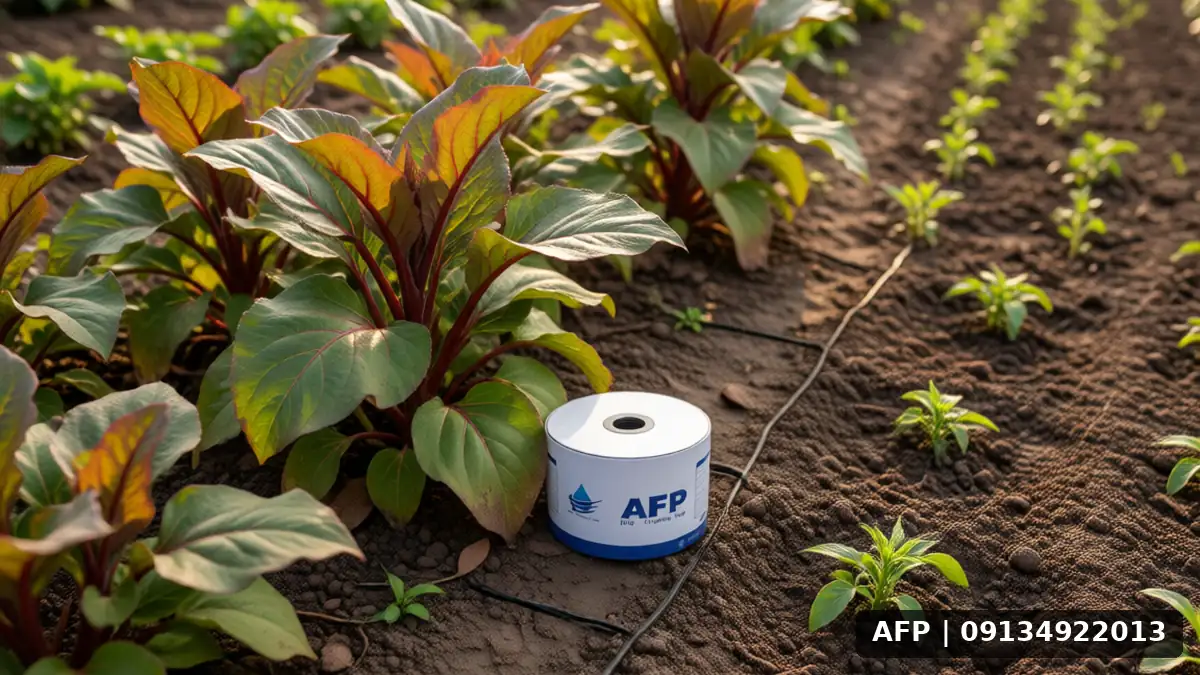
- Continuous pressure monitoring: Installing pressure gauges at the start of lines is essential for monitoring pressure drop and identifying blockages. A pressure drop of less than 20% at the drippers must be resolved as quickly as possible. Regular line cleaning using edible acids (such as citric or carbonic acid) at specified intervals prevents mineral deposits inside the pipes.
- Filter cleaning: Sugar beet is highly susceptible to root diseases. Using sand and screen (mesh) filters with appropriate mesh sizes and regular flushing prevents blockage of dripper orifices. Hydrocyclone filters are also recommended for removing floating particles.
- Irrigation scheduling based on ETc: Instead of irrigating at fixed time intervals, calculate irrigation needs using climatic data and plant age. During the first weeks, frequent low-volume irrigation is essential. Using soil moisture sensors can help optimize the irrigation schedule more precisely and prevent aimless watering.
- Soil Mulching: Using plastic black mulch or organic mulch alongside a drip system keeps soil temperature stable and suppresses weed growth, leading to greater water savings. Mulching also reduces soil salinity in the upper layers, which is highly beneficial for sensitive sugar beet root systems.
Frequently Asked Questions (FAQ)
Is drip irrigation effective for sugar beet in all climates in Iran?
Yes, but system settings must be adjusted for each climate. In cold regions, irrigation timing should be set to prevent roots from experiencing low temperatures at night. In hot and dry regions, soil covering is more necessary to reduce evaporation. Additionally, the type of seed and cultivar used in each area affects the plant’s sensitivity to water stress, which must be considered when adjusting drip emitter flow rates.
What is the main difference between drip emitters and perforated tape in sugar beet cultivation?
Drip emitters are generally more stable and are more suitable for transplanted sugar beet, as larger roots require precise water distribution across the root zone. Perforated tape has lower initial costs and is suitable for seed-sown sugar beet with high planting density, but it has a shorter useful life. The choice between these two options should be based on farm scale, cultivar type, and farmer budget.
What factors contribute to increased yield?
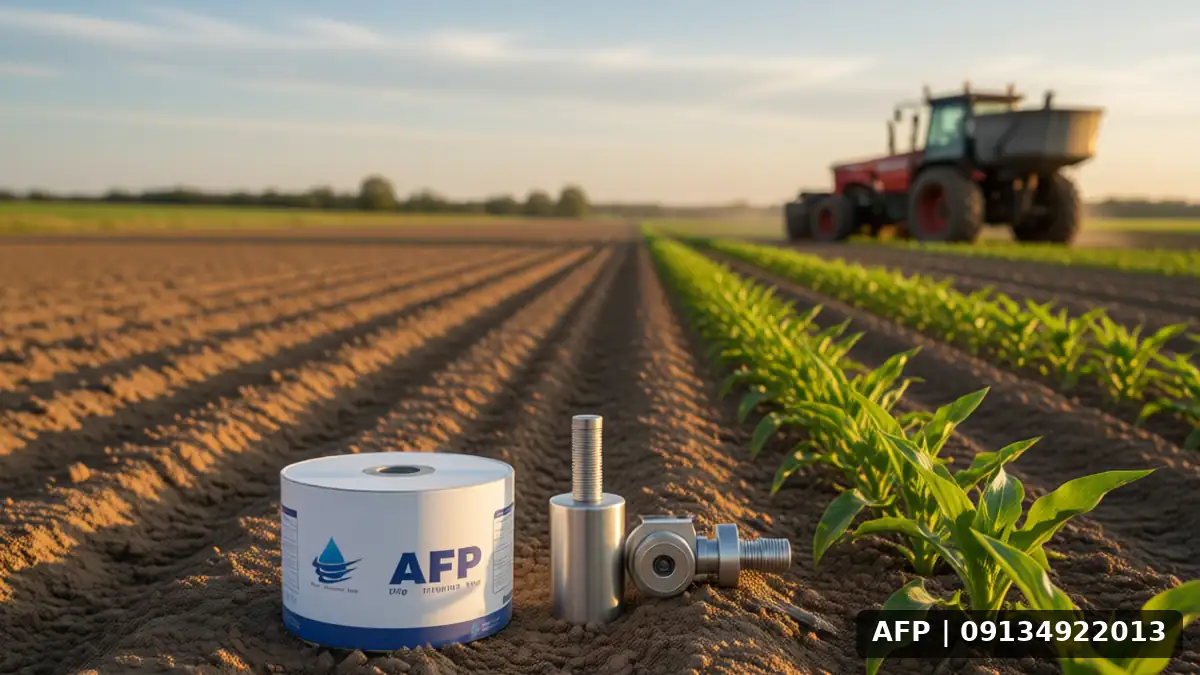
In addition to water, the roles of proper nutrition and control of specific pests and diseases, such as safflower mites and root fungal diseases, should not be overlooked. Integrated pest management using biological methods, combined with a precision irrigation system, reduces the use of chemical pesticides and preserves the field’s ecological balance. Studying specialized resources such as Safflower seed rate per hectare can provide a better understanding of root management and factors beyond water, even though plant physiology differs.
Conclusion
Transitioning safflower cultivation from traditional methods to drip irrigation with drippers This is a strategic investment that, while strategically reducing water consumption, directly increases yield and product quality. To fully benefit from this technology, attention to technical details such as emitter selection, pressure regulation, and integration with fertigation is essential. Farmers focusing on the correct setup of precision irrigation systems gain a significant competitive advantage in today’s market. Ultimately, continuous monitoring of system performance and logging of irrigation data will ensure the long-term return on investment in this technology.