Drip Irrigation Using Tube Tapes in Quinoa Cultivation: A Comprehensive Guide to Applications and Practical Tips
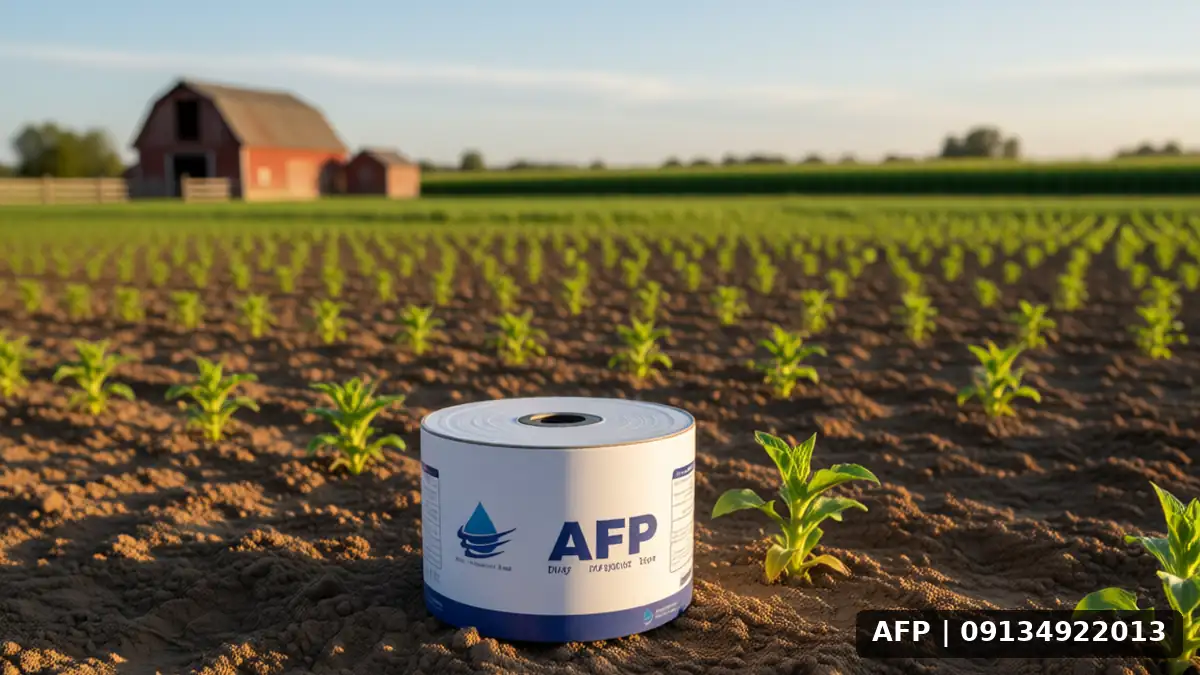
Introduction: The Importance of Innovative Irrigation in Quinoa Cultivation
Quinoa, as a relatively new crop in Iranian agriculture, requires precise water resource management. Given the crop’s sensitivity to salinity and need for uniform water delivery, using Tiph Drip tape systems is considered one of the most effective methods for improving yield and reducing water losses. By focusing on precise root-zone irrigation, this method not only lowers production costs but also maintains quinoa quality and health under Iran’s harsh climatic conditions. The following section examines the various aspects of this technology in quinoa cultivation.
Principles of Operation of Tiph Drip Irrigation in Quinoa Fields
Drip tape, a combination of plastic or PVC tapes with in-line emitters, is placed directly adjacent to quinoa planting lines. Unlike rainfall, this system delivers water to the root zone at low pressure and constant flow rate, providing the required moisture without wetting the leaves. This is critical for quinoa, which is susceptible to fungal infections during early growth stages. Additionally, the capability of this system for simultaneous irrigation and fertilization (Fertigation) significantly increases nutrient absorption efficiency.
Key Advantages of This Method Compared to Flood Irrigation
- Reduction in water consumption by up to 40% compared to traditional methods.
- Reduction of soil surface salt accumulation due to improved aeration.
- Precise irrigation control based on the actual water needs of the quinoa plant.
- Reduction in weed growth between rows due to dryness in the inter-row zone.
Practical tips for installing and operating drip tape
To achieve optimal results in quinoa cultivation, it is essential to follow the principles below when installing and using drip tape:
Selecting the appropriate drip tape for climate and soil type
The selection of drip tape type (open or closed) and emitter spacing must be determined based on soil texture and local evaporation rates. In light, sandy soils, closer emitter spacing is recommended to maintain soil moisture balance. Additionally, paying attention to the selection of a suitable drip tape based on tube thickness and UV resistance is critical for the system’s operational lifespan.
Water pressure management and flow rate adjustment
Quinoa is sensitive to drastic moisture fluctuations. Therefore, using pressure regulators at critical points in the network is important for equalizing pressure along the drip tape. If pressure is not properly regulated, the flow rate of emitters at the beginning of the line may differ from those at the end. In this regard, understanding the seeding rate per hectare is the first step in accurately calculating plant density and consequently water requirements per unit area. Additionally, reviewing the seeding rate of wheat per hectare can serve as a parallel reference for understanding differences in density and water requirements among various cereals, although quinoa has different requirements.
Soil and salinity management in quinoa cultivation using drip lines
One of the main challenges in quinoa cultivation is its salt tolerance. Drip irrigation with drip lines enables salt leaching by creating downward movement of water. By adjusting irrigation timing based on the salinity of the irrigation water, root-zone salinity can be controlled. In this process, understanding the seed rate per hectare is important for adjusting the seed mix and creating suitable soil zones for salt leaching. Under high salinity, quinoa shows growth inhibition; therefore, EC (electrical conductivity) in the root zone must be monitored every two weeks.
Irrigation scheduling based on quinoa growth stages
Quinoa water requirements vary across different growth stages. In the seedling stage, shorter irrigation intervals and lower flow rates are recommended to prevent root damage. During the flowering stage, water demand peaks and the volume of water per irrigation should be increased. Use of The amount of thyme per hectare can be used as an approximate measure for comparing yield density and total water requirements, but note that quinoa belongs to the group of marine-origin cereals and has more precise requirements.
Key points in synchronizing fertilization with drip irrigation
Fertilizer application through drip lines must be done only with water-soluble fertilizers. Improper mixing can cause deposition in the emitters and blockage of the drip lines. Flushing the fertilizer tanks and the irrigation network after each fertilization is essential.
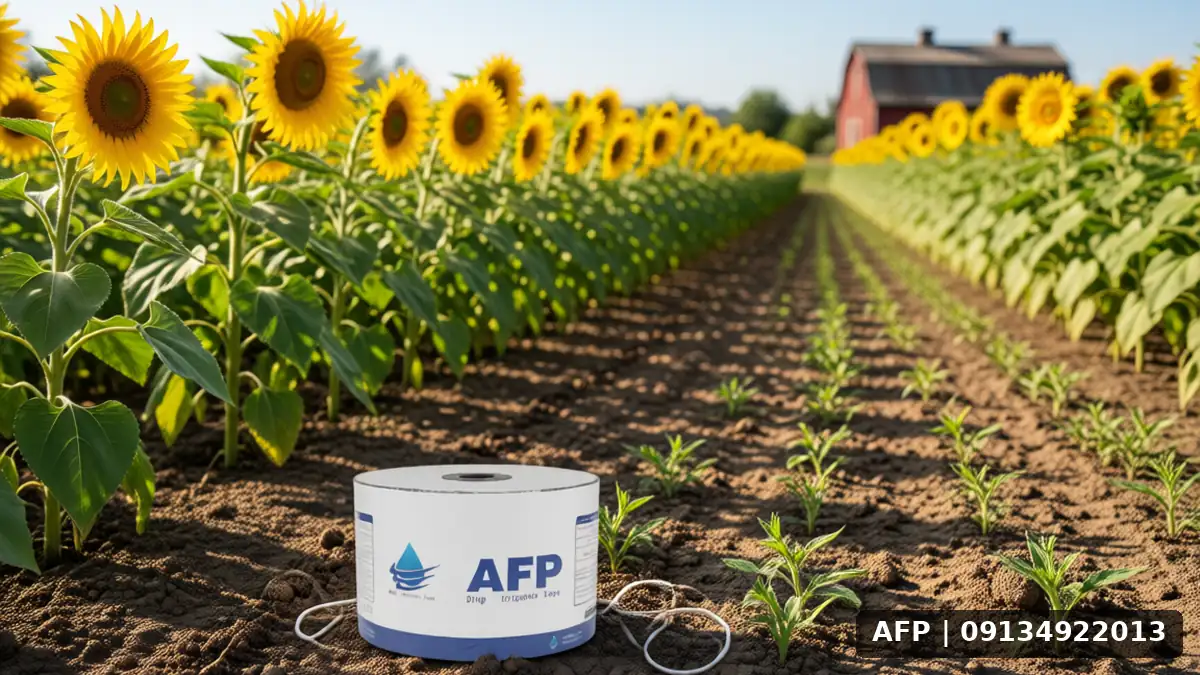
Design and Optimization of Drip Tape Systems
For optimal performance, pipe balance and uniform pressure across the entire field must be ensured. In sloped fields, automatic pressure regulators are required. Additionally, monitoring lettuce yield per hectare can serve as an indirect indicator of soil health and irrigation system efficiency over time, as lettuce is sensitive to water stress and exhibits behavior similar to quinoa under root stress conditions. If the drip tape system functions correctly, the performance of all sensitive crops in the field will improve.
Frequently Asked Questions (FAQ)
Is drip tape suitable for quinoa in heavy soils?
Yes, however, in clay (heavy) soils, emitters with wider spacing and higher flow rates should be used to ensure adequate wetting zone expansion and prevent water accumulation at the surface.
What is the best time to install drip tape in a quinoa field?
Drip tape should be installed before quinoa seeding, simultaneously with seedbed preparation, to minimize damage to unseen roots.
Can tape lines be used for salt flushing?
With caution, yes. In high-salinity farms, high-volume applications at longer intervals can assist with salt flushing, but care must be taken to avoid soil erosion and disruption of the shallow quinoa root system.
Summary and future considerations for quinoa irrigation
Using drip irrigation with tape lines in quinoa farming is not just a solution for water scarcity, but a strategy to increase yield and crop quality. By adhering to engineering principles, monitoring water and fertilizer quality, and managing salinity, farmers can optimize the economic efficiency of quinoa farms. To learn more about design principles, studying agricultural collapsible hoses and 2-inch braided hoses can help in selecting the right materials for lateral systems. Success in quinoa cultivation with tape lines requires attention to every detail.
Related articles: Comprehensive guide to pumpkin planting, intihob lanti tezrandaa baroi kishovarzi, D8AFD8B1 lettuce yield per hectare