Drift Irrigation in Melon Cultivation: Challenges and Practical Solutions
Introduction to the Importance of Water Management in Melon Cultivation
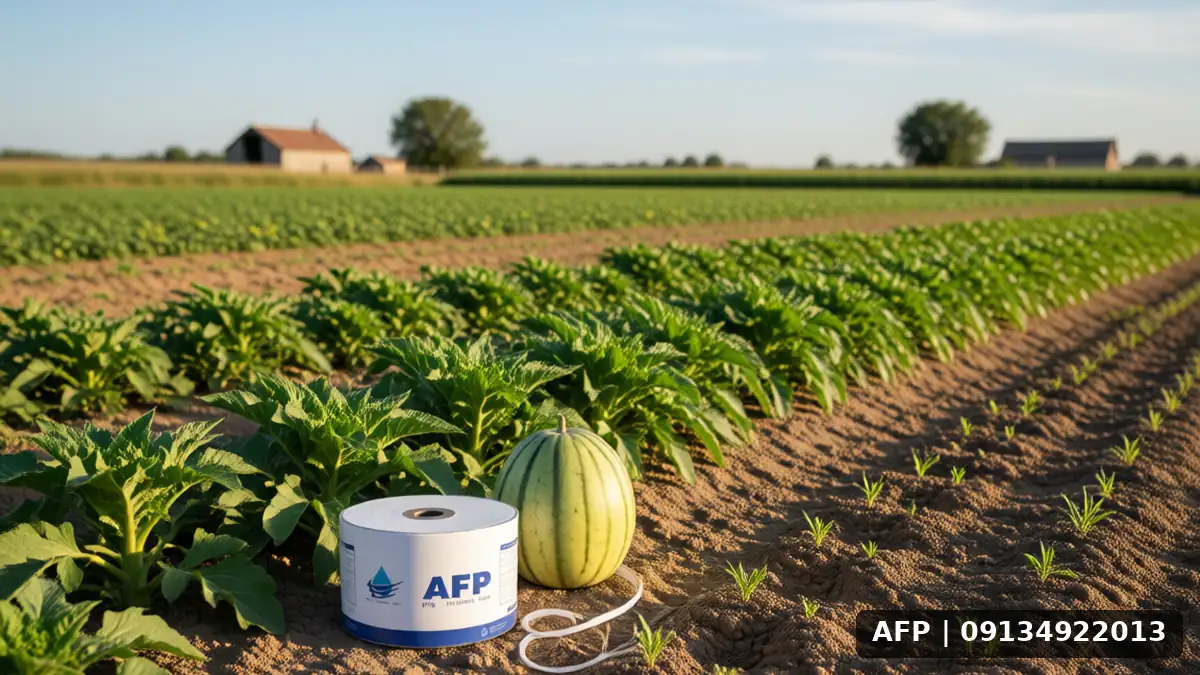
Melon, as a crop sensitive to environmental conditions, requires precise water management. The final quality and yield of the produce depend on proper irrigation. Many farmers, due to habit or initial costs, still use traditional methods such as furrow irrigation . However, this method poses serious challenges in melon cultivation that can jeopardize economic returns and plant health.
In this article, in addition to a detailed examination of the technical flaws of furrow irrigation, modern and optimized solutions such as border strip and drip irrigation are introduced. These solutions can help farmers make informed decisions for future seasons and prevent a decline in productivity. Furthermore, a proper understanding of the water cycle in the root zone and its impact on fruit development requires a deeper look into technical details, which will be explained below. A successful farmer is one who can establish a balance between water consumption and plant growth.
Technical and Economic Challenges of Furrow Irrigation in Melon Orchards
Severe Water Waste and Pressure on Resources
Furrow irrigation operates based on the free flow of water in channels. This method leads to significant water losses, as precisely controlling the delivery of water to the plant root zone is difficult. Melons require uniform moisture, and the fluctuations caused by furrow irrigation affect plant health. Estimates show that water consumption in furrow irrigation is up to 40% higher than in modern methods such as border strip irrigation. This level of waste is unacceptable from an economic and environmental perspective, particularly in water-scarce regions, and places significant pressure on local water resources. In addition to pumping energy costs, the time-consuming nature of filling the furrows is another major drawback of this method, as it limits the farmer’s availability for other seasonal tasks.
Soil Profile Damage and Salinization
One of the serious consequences of furrow irrigation is the accumulation of salts at the soil surface. As the irrigation water evaporates, insoluble minerals and salts remain in the root zone. Muskmelon is sensitive to salinity, and an increase in soil EC can disrupt water and nutrient uptake. Additionally, the flow of furrow water leads to the washing away of surface organic matter and erosion, which reduces overall land fertility and increases the cost of future soil amendments. The breakdown of soil structure due to the impact of intense water flow is another issue that disrupts soil permeability over time, leaving roots exposed.
Uneven Water Distribution and Fruit Quality Decline
In furrow systems, trees at the head of the row typically receive more water, while trees at the tail end face water deficit. This imbalance results in variations in fruit size, color, and ripeness, affecting market acceptance and final price. Furthermore, the constant wetness of trunks and leaves due to water flow creates a favorable environment for the growth of fungi and phytopathogenic diseases, which can lead to crop rot. This harvest inconsistency forces buyers to select fruits individually, increasing labor costs.
Practical Solutions: Transition to Bubbler and Drip Irrigation
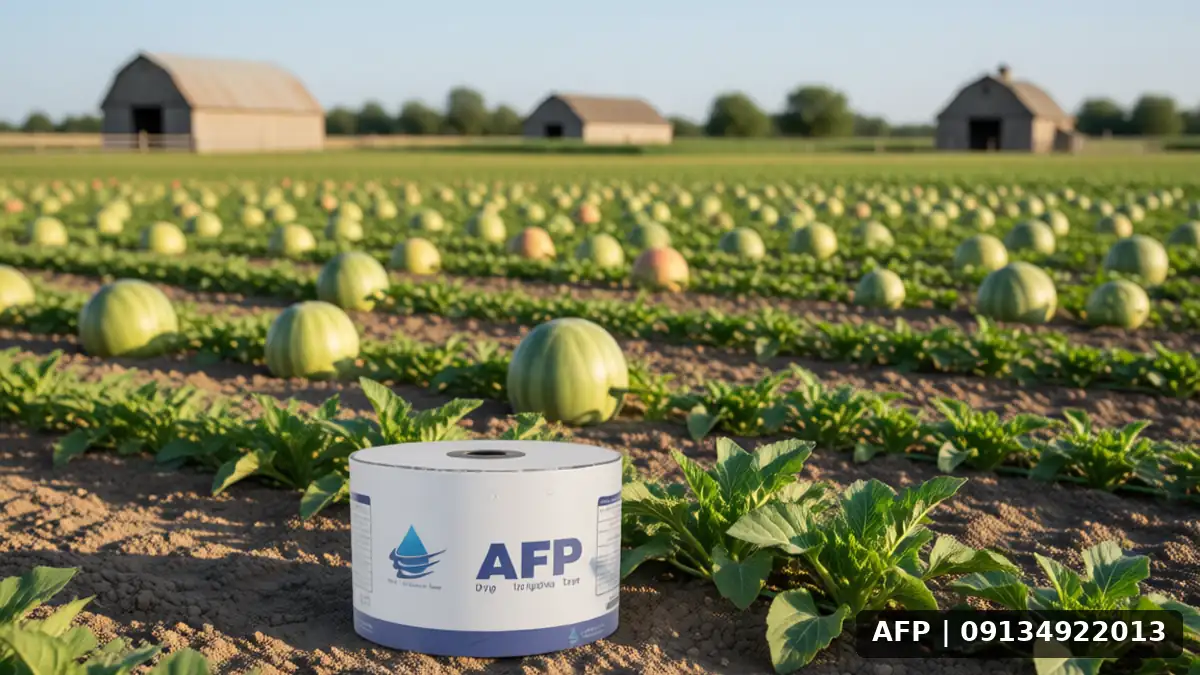
To address the mentioned limitations, transitioning to pressurized irrigation systems is recommended. The choice between tape dripper and drip systems depends on orchard conditions, soil type, and tree spacing. Consulting specialized resources can help understand the operating mechanisms of these systems and optimize them. For example, to understand operational principles and optimize pressurized systems, one can refer to methods for increasing the efficiency and productivity of tape drippers. These resources provide practical guidance on pipe spacing, diameter, and water flow, and proper implementation leads to a noticeable reduction in water costs. Additionally, selecting appropriate filters to prevent clogging of drippers is of paramount importance.
Benefits of Tape Drip Irrigation in Melon Cultivation
- Water consumption optimization: Precise water distribution in the root zone reduces evaporation and unnecessary deep percolation. This helps maintain moisture in the active root layer.
- Salinity control: By keeping the soil surface dry, salt accumulation is reduced, and soil pH remains stable. Farmers can perform leaching at specific times with reduced water flow.
- Increased uniformity of growth: Regular moisture supply promotes uniformity in stem and fruit growth, improving marketability. This uniformity ensures that all melons ripen and are harvested within a specific time frame.
Drip irrigation: Higher precision and fertigation capability
Drip irrigation provides significantly higher precision, making it particularly suitable for dense melon orchards. Placing emitters at the correct distance from the trunk prevents stem wetting and root rot. For proper installation, precisely locating the emitters is crucial. Farmers can use How to determine irrigation points on irrigation lines to ensure uniform flow. Combining this system with fertilization (fertigation) delivers nutrients directly to the root zone. This can increase fertilizer uptake efficiency by up to 30% and prevents nutrients from leaching into inaccessible depths.
Key points when transferring systems
- Troubleshooting the existing network: Before installing a new system, inspect the condition of pipes and filters. Any blockages or damage must be resolved. Regular filter cleaning during peak usage months is essential to prevent pressure loss at the end of the lines.
- Irrigation schedule modification: Replace high-volume furrow irrigation with frequent, low-volume applications. Melons require consistent moisture. Precise planning based on dry days and ambient temperature is the key to the success of this transition.
- Soil moisture monitoring: Using soil moisture probes or digital sensors improves irrigation timing precision and prevents waste. Recording daily data and analyzing it at the end of the season is essential for optimizing the next year’s schedule.
In addition to irrigation, managing other agronomic variables is important. For example, adjusting planting density can reduce the load on the irrigation system. For more information on planting principles, refer to specialized resources such as seed rate of ajwain per hectare or similar guides for other grain and root crops, although similar principles apply to melon planting density. Additionally, knowing the seed rates of various grain cultivars, such as lentils, can be useful for overall cropping space planning in mixed farms.
Answers to frequently asked questions
Is furrow irrigation cost-effective for small orchards?
Although the initial cost of the furrow method is lower, operational expenses for water pumping and high consumption increase over time. Additionally, crop quality decline due to uneven growth often leads to reduced net profit. Therefore, even for small orchards, modern systems offer better economic justification in the long term. Considering labor and energy costs, the return on investment for pressurized systems is typically less than two seasons.
When is drip irrigation preferred over tape strip systems?
If row spacing is very narrow or high-density flat-bed cultivation is used, drip is better. Tape strip is more suitable for orchards with standard external row spacing and has lower maintenance costs. In humid areas, drip is the preferred choice to prevent fungal diseases due to reduced relative air humidity.
What is the impact of sprinkler irrigation on fungal diseases?
Continuous foliar humidity in sprinkler methods creates conditions for fungal diseases and rot. Precision systems that irrigate only the root zone control foliar humidity and significantly reduce the risk of infection. This humidity control reduces the need for continuous tree spraying and minimizes pest control costs.
Final conclusion
The transition from sprinkler to modern methods in melon cultivation is a necessity for competitiveness in today’s markets. The challenges of water waste, salinity, and quality reduction can only be resolved through precise root zone management and selecting the appropriate system. By following the practical points discussed and utilizing technical advice, farmers can turn their investment into higher returns. For further optimization, it is recommended to refer to specialized resources and consult with precision irrigation experts. Understanding the performance of other crops and their needs can also provide a comprehensive perspective for resource management in multi-crop farms.
Related articles: Comprehensive Guide to Yield Increase Based on Climate, Drip or Furrow Irrigation, Irrigated Lentil Harvest Per Hectare: Comprehensive Guide to Yield Increase