Deficit Irrigation in Rye Cultivation: A Comprehensive Guide to Water and Soil Efficiency
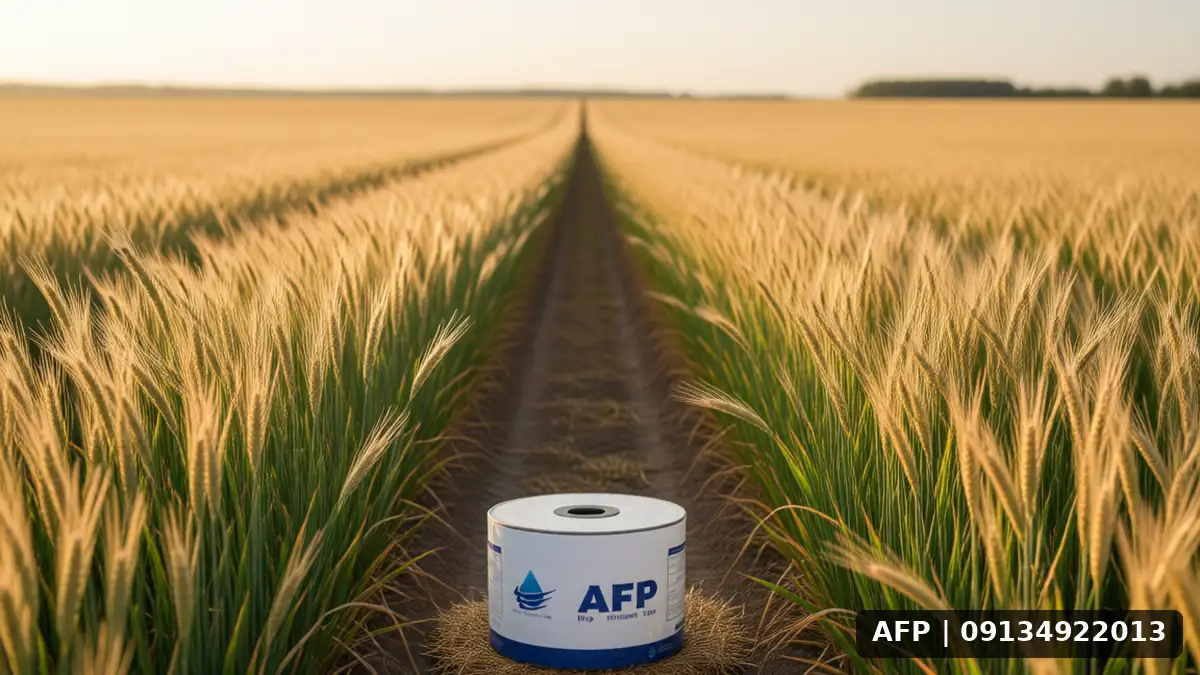
Rye, as a strategic crop in cold and semi-arid regions, is highly sensitive to soil moisture conditions. In recent years, agricultural approaches have shifted from flood irrigation toward deficit irrigation or the optimal use of water resources with minimal losses. This method not only promotes better root establishment but also prevents seed displacement and reduced germination rates. In this comprehensive guide, we examine the technical and practical details of implementing deficit irrigation in rye fields.
Principles and philosophy of deficit irrigation in rye fields
Deficit irrigation is applied when climatic rainfall is low or the plant’s water demand exceeds the soil’s water-holding capacity. The primary goal is to maintain root-zone moisture (Zone R) so that rye does not experience water stress during its sensitive flowering and grain-filling stages. In conventional systems, the entire field surface is often wetted, leading to soil surface runoff, weed growth, and high surface evaporation. In the deficit irrigation approach, however, water is supplied only to the root zone.
- Reduction of evaporative stress: By reducing the wetted surface area, moisture around the stem is preserved.
- Moisture uniformity: Uniform water distribution along the entire row prevents sudden yield drop.
- Settling management: Prevents asymmetrical soil settlement that can damage sorghum roots.
For precise sorghum irrigation, using modern systems is essential. The two top methods for sorghum cultivation are Drip Tape and Drip Line. Choosing between these two depends on planting density and the climatic conditions of the region. This section reviews the technical aspects and advantages of these systems.
One of the key topics in installing these systems is not the lettuce seed rate per hectare, but rather understanding infiltration depth and runoff currents. However, the general principles of integrated planting with irrigation lines require familiarity with seeding standards that can help optimize the spacing between lines. For better understanding of areas and yields, studying similar resources such as seed quantity per hectare can serve as a model for scaling your water resources.
Advantages of Drip Tape in Sorghum Irrigation
Due to lower cost and faster installation, Drip Tape is an excellent option for sorghum farms in arid climates. This system is typically 8 to 16 millimeters thick, and its rails are placed exactly at the rooting depth (15 to 25 centimeters). This depth allows water to reach the root zone directly and minimizes surface evaporation losses.
Advantages of Drip Irrigation for Rye
Drip irrigation is suitable for fields with longer system lifespans and higher precision in fertilizer injection (Fertigation). In rye drip irrigation, combining drip with nitrogen fertilizer spray at critical growth stages can increase nutrient absorption efficiency by up to 30 percent.
<>
Practical Tips for Successful Drip Irrigation Implementation
Implementing drip irrigation is not limited to purchasing equipment; it is a management approach. Adhering to the following points can reduce common failures in rye cultivation.
- Soil Moisture Measurement: Use a soil probe before each irrigation. In rye, the threshold for starting irrigation is generally 55 percent of available water capacity.
- Pressure Management: The line pressure for the tape drip system must not exceed 1.5 bar. High pressure can cause tape perforations to rupture and disrupt the irrigation pattern, which is the main enemy of microirrigation.
- Adjusting Emitter Spacing: For rye, a 20 cm spacing for drip lines is standard. Reducing this spacing increases the risk of washing away the delicate rye roots.
- System Inlet Cleaning: Fine sediment can clog tape perforations. A standard 120-mesh filter is recommended.
During installation, attention to the layout of systems is critical. Study important tips before installing drip tape in farm iq Although it applies to other specific conditions, the general principles of maintenance and proper installation are applicable to any system, including rye tape drip. Additionally, planning for leaching and preventing temporary waterlogging is a key part of the microirrigation strategy.
Water Management and Interaction with Rye Roots
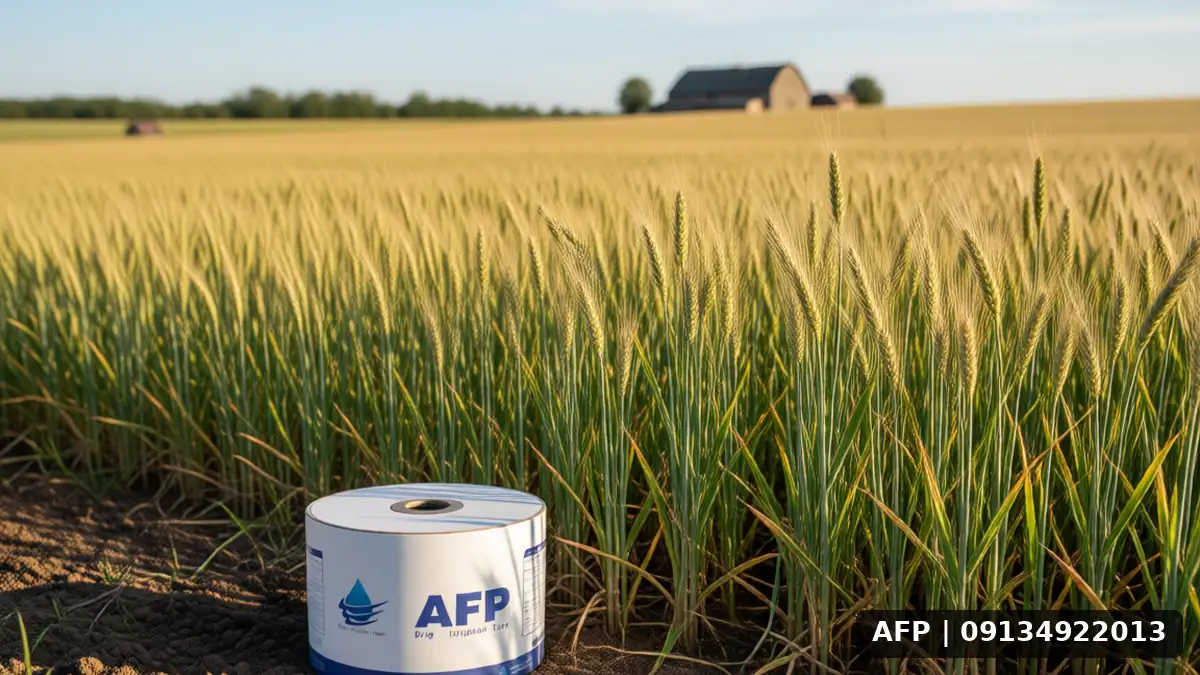
Rye is a deep-rooting crop. In deficit irrigation, we must control water penetration depth to encourage roots to search for deeper water. This process strengthens the rye root network, increasing resilience to subsequent stresses. Using T-tubes and macro-suspension sensors for soil moisture depth monitoring are highly valuable tools for advanced farmers.
<>
Optimal irrigation scheduling
The most critical irrigation sensitivity stages for rye deficit irrigation are emergence and flowering. During emergence, irrigation should be light and frequent to keep the topsoil cool and moist. During flowering, deeper and less frequent irrigation encourages root growth into upper soil layers, ensuring the plant has sufficient water absorption capacity at peak demand.
Frequently Asked Questions (FAQ)
Is deficit irrigation suitable for all regions?
No. This method offers the highest efficiency in arid regions with limited water access. In high-rainfall areas, it may be used only as a supplement.
What is the optimal installation depth for drip tape in rye?
A depth of 15 to 20 cm from the surface is the optimal point for balancing water infiltration and root survival in cold regions.
Can I use fertigation in a drip irrigation system?
Yes, this is one of the top benefits of modern systems. By injecting soluble fertilizer into drip irrigation, the uptake coefficient for rye increases significantly.
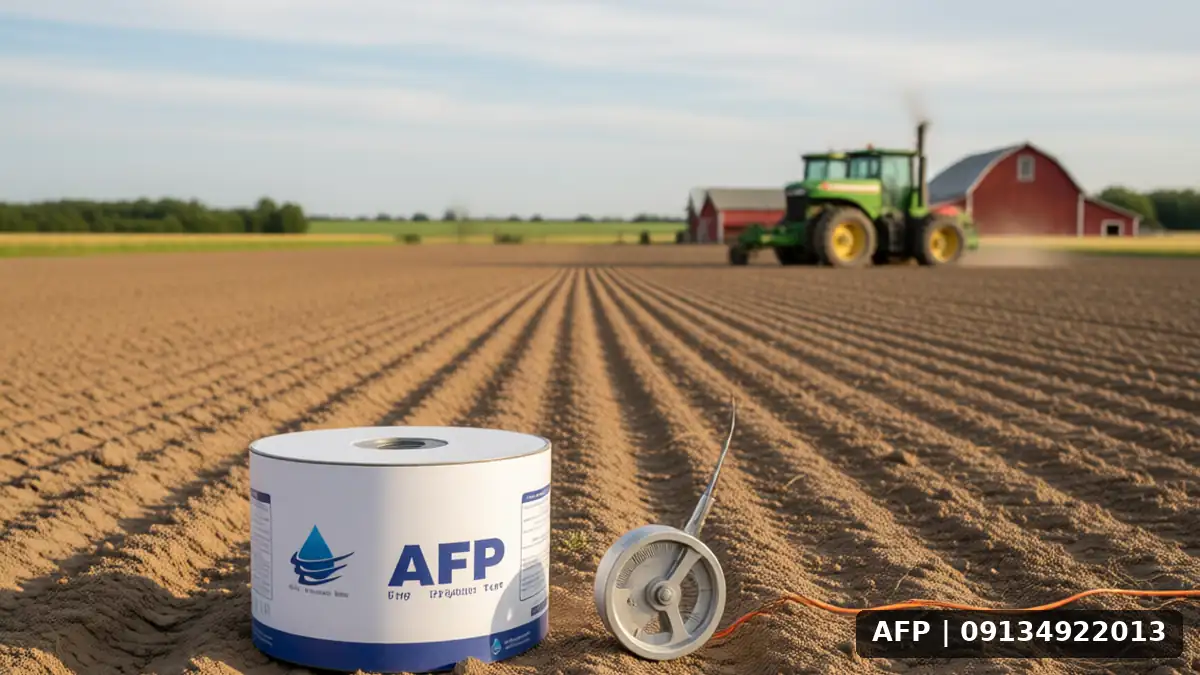
What is the best reference for choosing between tape and drip types?
It depends on the budget and the farm’s useful life. For single-year rye farms, tip tape is a more economical option.
Conclusion and Final Recommendations
Implementing drip irrigation in rye cultivation is a transition from traditional farming to data-driven agriculture. With precise installation, moisture monitoring, and proper timing, you can achieve the best yield per hectare of rye with minimum water consumption. This method is not just a technical technique but an investment in the sustainability of your farm. Remember that irrigation management without soil management is incomplete. For a better understanding of other variables, you can also look at the Comprehensive Pumpkin Planting Guide to compare different planting patterns. Success in rye drip irrigation is the result of patience, precision, and up-to-date technical knowledge.
<
Related Content: Blackseed seed rate D8AFD8B1 per hectare, basil seed quantity per hectare farming guide, Pumpkin seed rate D8AFD8B1 per hectare