Deficit Irrigation in Mung Bean Crop: Cost-Effective Strategies Using Tape Drip
Why is drip irrigation costly for mung bean cultivation?
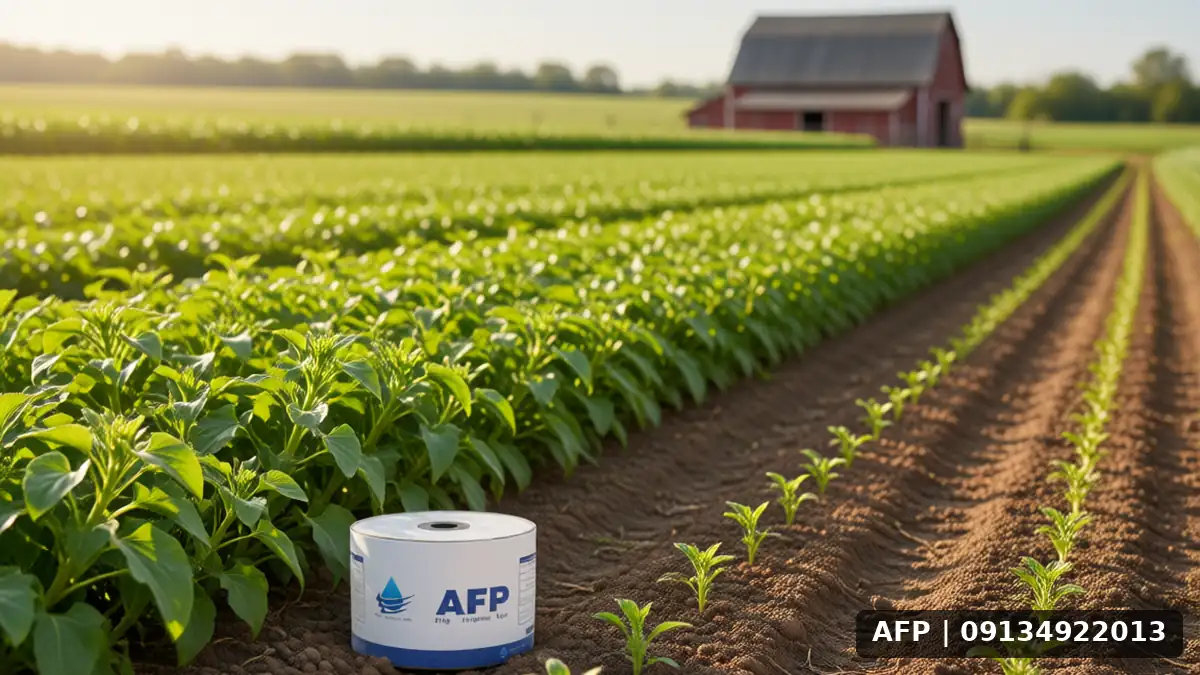
Mung bean is one of the vegetable crops whose autumn and spring growth cycles predominantly occur in wet seasons. However, to prevent moisture leaching and maintain soil coverage, precise irrigation management is vital. In conventional methods, losses due to evaporation and lateral leakage account for a significant portion of energy and water costs. The concept Cost-effective drip irrigation in mung bean cultivation means that we must extract maximum efficiency from every liter of water to reduce the total cost of the crop. Transitioning from light irrigation and open surfaces to modern pressurized systems, particularly drip lines, is recognized as a key tool for economically managing water. This transition is not only a technological change but also a shift in resource management philosophy, requiring precision at every stage from design to implementation.
Impact of drip systems on mung bean crop economics
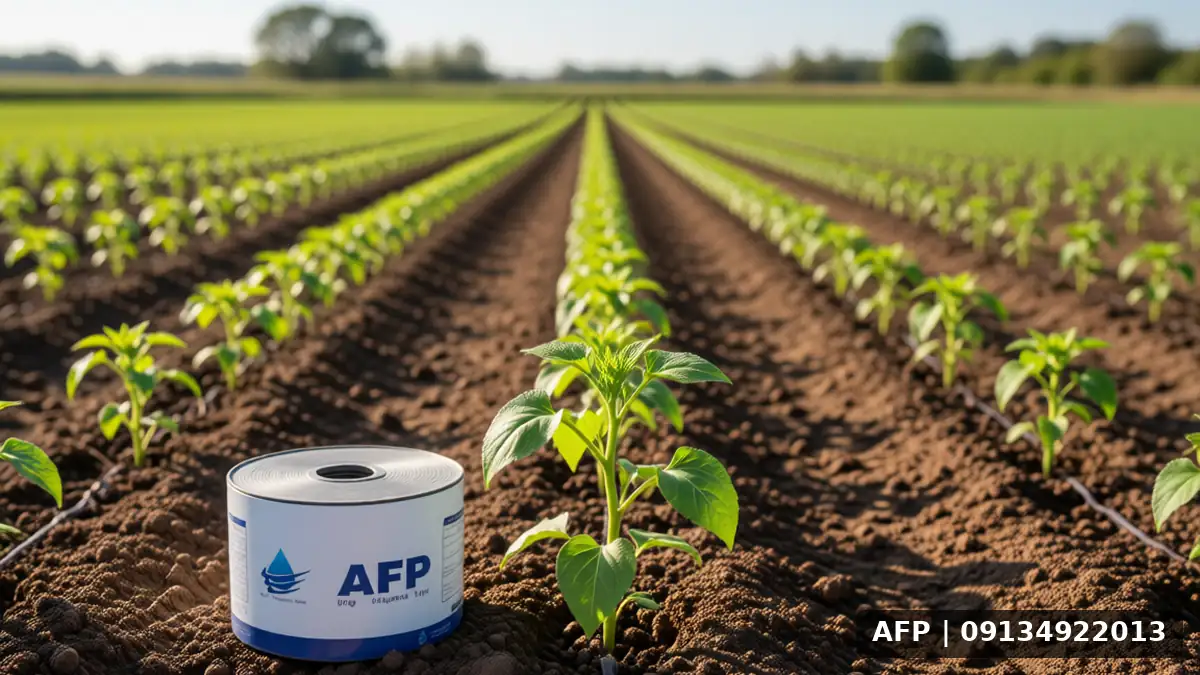
The drip system (Tip Line), due to the precise delivery of water in the root zone, maintains constant moisture in the root rhizosphere. For mung bean, which has a shallow root system, this technology allows us to drastically reduce pumping and energy costs by decreasing the volume of water used per irrigation cycle. Economic estimates indicate that moisture loss in open systems can be up to 40 percent, whereas in drip systems, these losses are limited to less than 15 percent. This savings directly helps improve the farmer’s profit margin, as the water previously lost to soil surface evaporation is used for vegetative growth and increasing crop biomass. Additionally, stable moisture at the root level prevents plant physiological stress and enables the plant to withstand environmental stressors with less energy expenditure.
In addition to water savings, reducing surface soil moisture decreases the incidence of fungal diseases that threaten mung bean crops. This translates to lower costs for fungicides and other pesticides, which can represent a significant portion of the budget for sensitive crops like mung beans. To better understand the underlying system configurations, you can refer to the article on Key Considerations Before Installing Drip Tape in the Field , which covers the operational prerequisites. This article emphasizes that proper preparation of the main pipeline lines and filtration systems plays a vital role in reducing long-term maintenance costs.
Calculating Water Application Factors and Costs
- Final Layout Estimate: Determining pipe spacing based on mung bean planting density. This calculation must be performed with high precision, as excessive pipes will increase initial capital costs.
- Determining Emitter Flow Rates: Select a flow rate of 1 to 2 liters per hour to maintain moisture without waterlogging the roots. Excessive flow rates lead to deep water loss and reduced efficiency.
- Calculating total pressure: Ensure that hydraulic dynamics minimize pumping costs. Using low-pressure pumps with proper adjustments leads to energy savings.
Practical solutions for reducing costs and increasing efficiency
To achieve optimization Moisture irrigation in mung bean cultivation for optimal cost efficiencyIt is necessary to think beyond simply installing pipes. Soil management and root strengthening are the two main pillars. Mung bean is a crop sensitive to nutrient concentration; therefore, using drip tape can allow for point fertigation at low doses. This practice not only reduces fertilizer waste but also increases absorption and enriches the final yield. Additionally, mulching the soil between rows, combined with drip tape, can maintain moisture at its peak and reduce the need for frequent irrigation cycles. Mulching also prevents weed growth and reduces labor costs for manual weeding.
Selecting high-quality seeds and standard planting density also plays a central role. Although mung bean cultivation usually has high density, excessive density causes root competition and increased water demand. For comparison and better understanding of topics related to moisture management in other crops, study Seed rate for broad beans per hectare It can provide an understanding of the general principles of vegetable and legume cultivation. This comparison helps farmers gain a better understanding of the balance between planting density and water requirements.
Key points for installation and operation
- Do not use drip tape with a small inner diameter for long distances due to pressure drop and increased pumping costs.
- Periodically inspect filters to prevent emitter clogging, which can lead to relative water stress and reduced yield.
- Align the pipe parallel to the chickpea planting row to ensure precise water delivery to the root zone.
- Schedule periodic flushing of drip tape lines to maintain water quality and prevent sediment accumulation inside the pipe.
Risk management for spring crops
Mung bean cultivation often takes a back seat to other crops or is used in rotation with beetroot or carrots. Understanding water requirements in crop rotation helps in optimal resource management. For example, if you are planting carrots after mung beans, your drip irrigation system should have the flexibility to adjust flow rates based on the deeper root depth of carrots. This system agility prevents you from having to purchase oversized and expensive systems separately for each crop. To learn about irrigation challenges in other crops, read the article on increasing the yield of elliptical watermelon per hectare to understand the similarities and differences in moisture management for high-water-consuming leafy plants. This deeper understanding helps optimize the entire seasonal irrigation schedule.
Frequently Asked Questions (FAQ)
Is drip irrigation suitable for small mung bean farms?
Yes, even on small plots, a 25 to 30 percent reduction in water and energy usage significantly lowers costs and increases returns. The payback period for the initial investment is much faster in the long run.
When is the best time for drip irrigation of mung beans?
Preferably in the morning or evening to reduce evaporation and increase root absorption. In hot weather, high soil solution temperature can damage mung bean roots. Automatic timing settings are recommended.
How do we measure cost optimization?
Record water consumption, pumping costs, and fertilizer usage before and after system installation. A reduction in any of these variables indicates success in moisture irrigation in mung bean cultivation with optimized cost . Recording this data will also be useful for subsequent years.
Summary and next steps
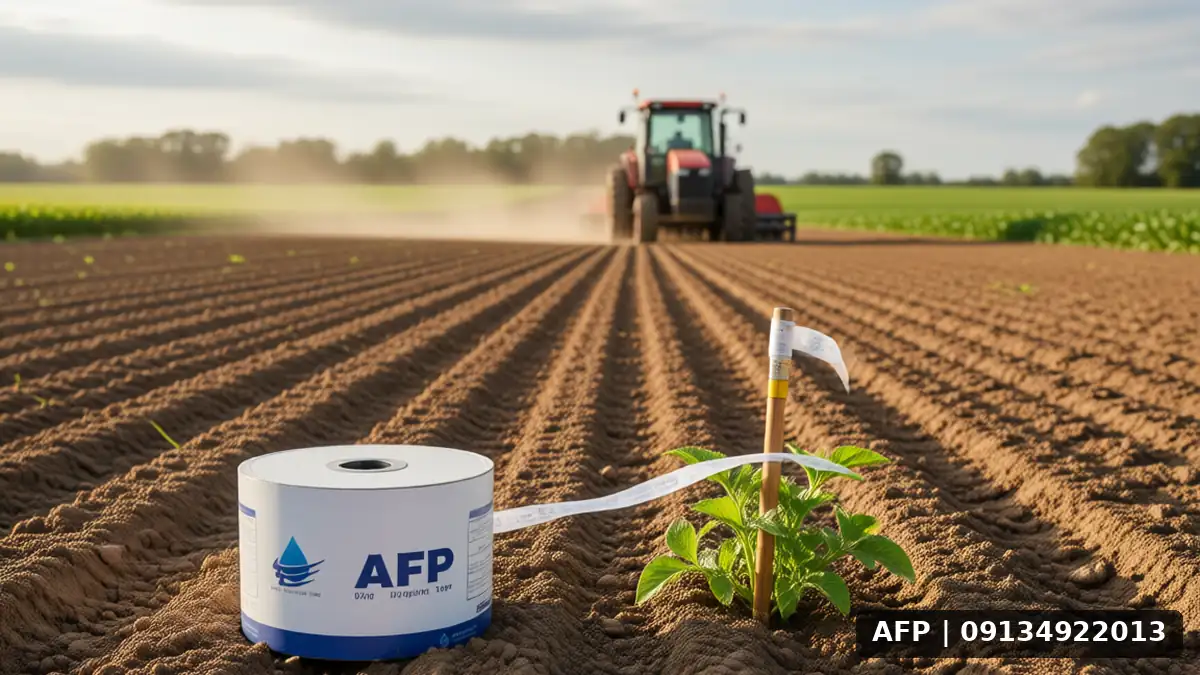
Achieving economic efficiency in mung bean cultivation requires a transition from guesswork irrigation to data-driven irrigation. Drip tape, by maintaining permanent root zone moisture and enabling precise fertilization, is a powerful tool for reducing costs and improving herb quality. With proper planning during installation, including selecting the appropriate flow rate and pressure, the farmer can control the budget and ensure profitability. Ultimately, optimal management of water and soil resources is the only path to sustainable and optimized cultivation. If you are looking for more information on increasing the yield of similar products, the article How to extend the service life of drip tape is also recommended as it helps with the economic lifespan of your equipment. Additionally, familiarizing yourself with the irrigation tips for grass carp, listed in the link list, can provide a complementary perspective on water management in leafy vegetables. We recommend that by reading lettuce seed quantity per hectare irrigation tips Review the basic principles.
Related topics: dill yield hectare factors increase