Deficit Irrigation in Melon Cropping: Cost-Optimized Drip Tape Strategy
The rationale for the necessity of deficit irrigation in melon production
Melon is a crop sensitive to water stress. Although it has low relative water requirements, severe root-zone moisture deficits during critical growth stages—such as cell division, fruit enlargement, and final ripening—can lead to reduced yield weight and fruit damage during transport. In this regard, deficit irrigation plays a key role as a deliberate resource management strategy. Unlike deficit irrigation or conventional irrigation, which may carry the risk of severe water shortage, deficit irrigation refers to the planned management of reduced plant water balance to induce controlled stress aimed at improving quality or reducing costs.
Difference between deficit irrigation and water-shortage irrigation
Many farmers believe that reducing water supply is a simple, unconditional task. However, in targeted deficit irrigation, the goal is to create mild physiological stress. This stress causes melon plants to direct their energy away from excessive fruit production and toward stem and leaf growth, instead focusing on fruit quality and soluble solids. In drip line systems, precise control of water input enables accurate management of this process. We can demonstrate, relying on principles similar to maximized yield per hectare, how balanced water management directly affects the final product quality.
Technical principles of ridge tape irrigation in deficit irrigation management
Ridge tape irrigation is one of the best methods for implementing deficit irrigation strategies due to uniform water distribution in the soil ridge layer and minimal losses from drainage leakage. In this method, ridges are specifically designed so that water moves from the upstream side to the downstream side. To execute deficit irrigation correctly, the input water volume for each ridge must be precisely reduced by concentration. It demonstrates how the distribution of water volume in the surface soil layer must prevent excessive root drying at depths of less than 20 centimeters.
Calculating the deficit irrigation coefficient
For accurate calculation, first determine the plant’s water requirement at each growth stage using the crop coefficient. Then apply the deficit irrigation coefficient. This coefficient varies based on soil type and ambient temperature. In light soils, the risk of drying is faster, and a milder deficit irrigation coefficient is required. Conversely, in heavier soils, moisture retention capacity is higher. To optimize costs, you can use similar data in Guide for onion seed rate per hectare Use this to understand the relationship between planting density and water consumption, although we focus here on direct water management.
Impact on fruit quality and economic yield
The primary objective of implementing water stress for melon irrigationis to increase Brix levels (via refractometer) and reduce fruit cracking. When plants are under mild water stress, the translocation of dissolved solids to the fruit is accelerated. From an economic perspective, the cost of water per kilogram for optimized drip and tape irrigation is significantly lower than the cost of compensating for losses caused by irregular irrigation. Reducing water consumption results in savings not only in water usage but also in the energy required for pumping. These savings lead to increased profit margins in the long term. Farmers can explore per-h hectare production costs for peppers as an example of integrated water and crop management under similar conditions.
Cost management versus yield
The fixed costs of tape irrigation systems are relatively high, but variable costs (water, pumping) decrease with the proper implementation of water stress. Using root-zone soil moisture sensors can prevent unnecessary irrigation. This precision approach aligns with the principles found in the 90-day string bean irrigation guide emphasizing precise timing of water input.
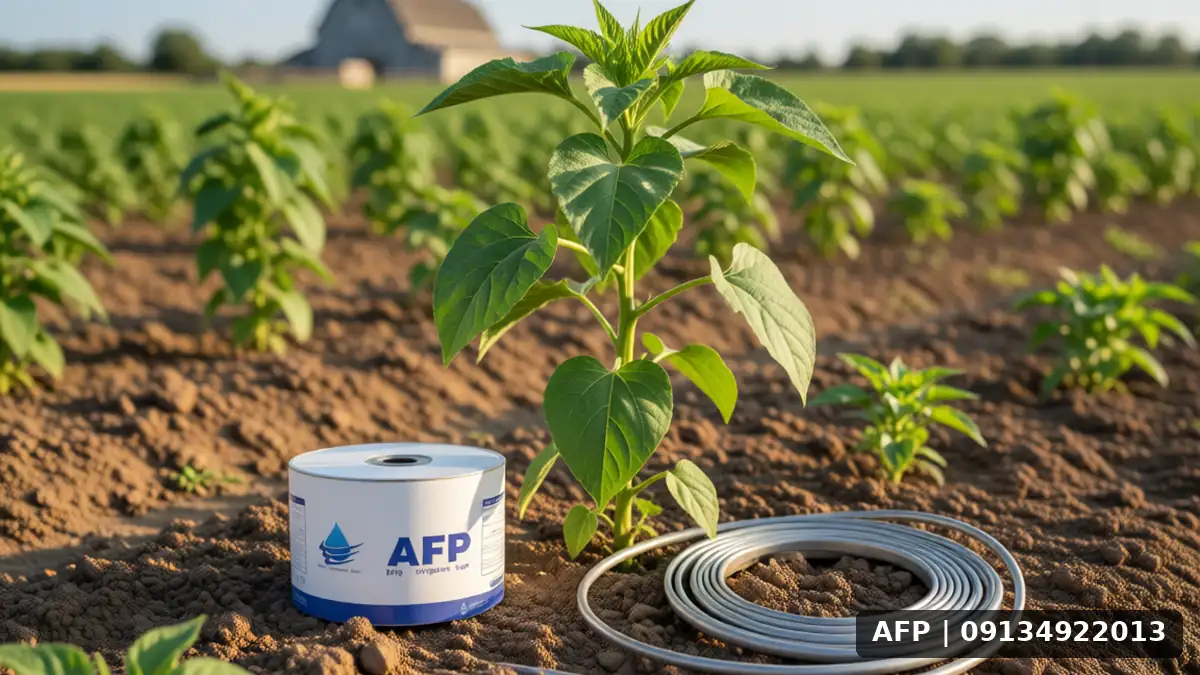
The scheduling program shown above highlights the importance of adjusting water delivery across each growth stage. Flexibility in the drip irrigation system allows you to adjust the target yield by modifying the input flow rate without changing the main infrastructure. The image shows a section of a melon ridge with a drip irrigation system, demonstrating controlled surface soil dryness.
Practical tips for farm implementation
- Ridge Architecture: Ridges should be constructed to ensure uniform water flow. Uneven ridges lead to uneven irrigation and undermine the deficit strategy.
- Soil Monitoring: The use of wick probes or soil moisture sensors at a depth of 20 to 40 centimeters is recommended. A drop in moisture at a shallow depth indicates a system malfunction.
- Valve Management: Valves on drip lines must be regulated using control valves to prevent water layering.
- Irrigation Scheduling: Irrigation during midday hours with high temperatures is prohibited under deficit conditions, as rapid evaporation increases stress beyond acceptable limits. Early morning is the optimal time.
Additionally, attention to soil type is vital. Sandy soils require more frequent but smaller volumes, whereas clay soils require less frequent but deeper flooding. In this regard, studying the Yosef Seed Guide per Hectare can clarify your understanding of the proportional relationship between planting density and consumption.
Addressing Common System Issues
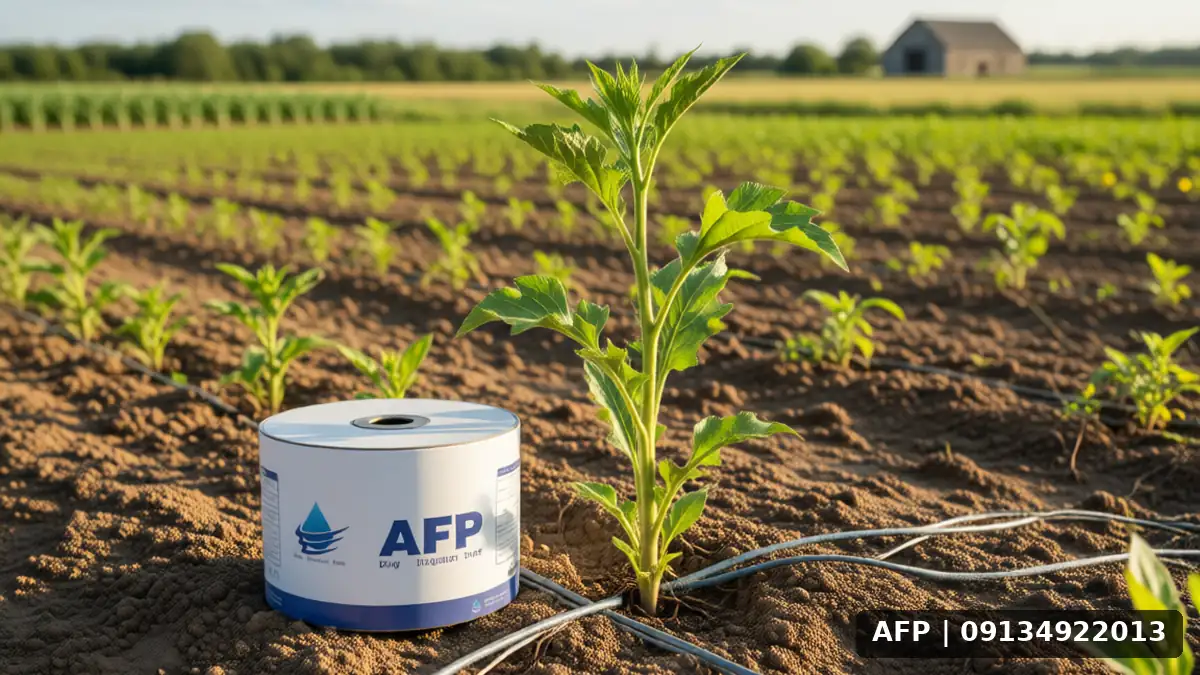
One common issue is clogging of drip line emitters. Under deficit conditions, water pressure may slightly increase to maintain flow, accelerating mineral deposition. Using a media filter (site) with appropriate mesh and regular filter cleaning is your first line of defense. This image illustrates the filter replacement process in a drip line pump station to prevent blockage.
Frequently Asked Questions (FAQ)
Is deficit irrigation feasible in all regions?
No. In regions with very hot and dry summers, severe deficit irrigation should be avoided or applied only at the end of the growth cycle. In colder regions with adequate water resources, deficit irrigation can be applied more safely during mid-growth phases.
What is the impact of deficit irrigation on root diseases?
Moderate water stress generally inhibits the growth of root fungi, as high humidity creates a favorable environment for these fungi. However, severe stress can weaken the plant and make it susceptible to infection.
Can I use wastewater for deficit irrigation?
Only if fully treated and a precise control system is in place. Industrial effluents or treated wastewater that are suitable for overlying groundwater require special pumping management.
How do I calculate pumping costs?
With precision in overall consumption and water flow rate, you can calculate the cost per irrigation pass based on local electricity rates. Using inverter pumps can reduce electricity costs during deficit irrigation (low flow rate) conditions.
Summary and Future Outlook
Implementation Deficit Irrigation in Melon Cultivation Using drip tape is an advanced approach for modern farmers seeking a balance between cost-effectiveness and crop quality. By following technical principles and precise management, a 10 to 15 percent reduction in water consumption while improving fruit quality can be expected. Farmers should always remember that this process is dynamic and requires continuous monitoring. Relying on technical knowledge and utilizing relevant resources such as Factors increasing Romellin ripeness For leafy products, a more comprehensive pattern for farm management can be developed.
Our final recommendation is to conduct a small-scale trial in a minor section of the field before starting the planting season to determine calibration factors specific to your conditions (soil type, temperature, climate type). This minor investment will result in significant savings throughout the entire production season. Successful irrigation requires patience, precision, and accurate crop knowledge.