Deficit Irrigation in Alfalfa Cultivation: A Comprehensive Guide to Benefits and Practical Tips
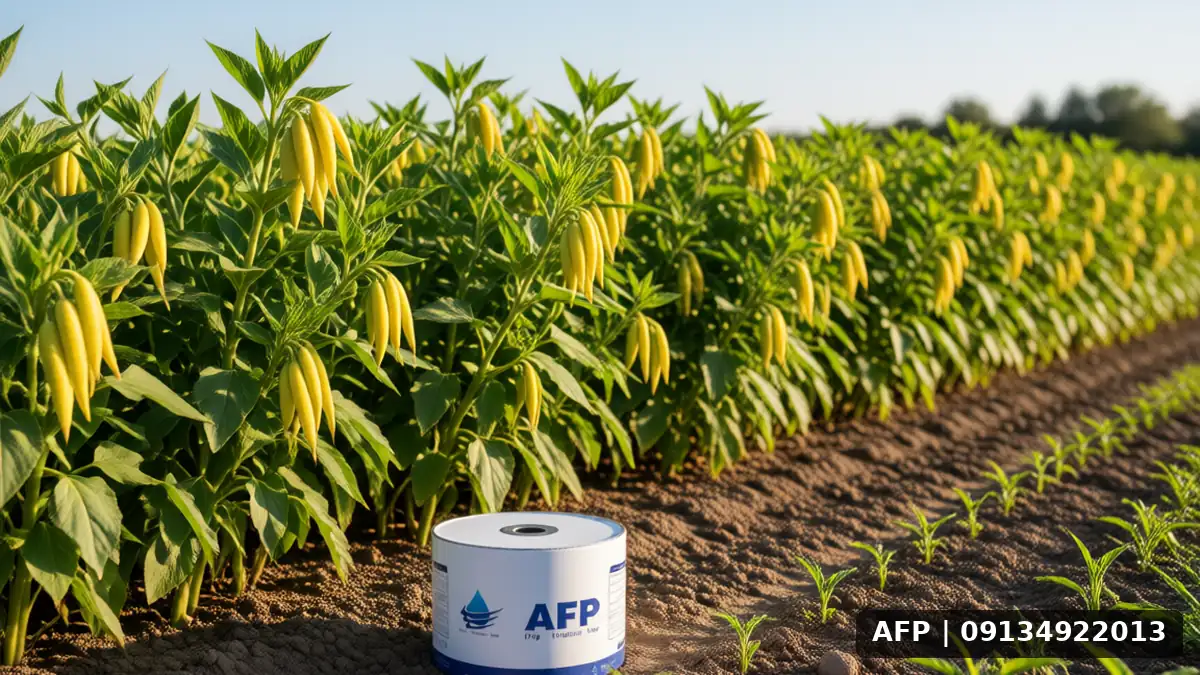
Introduction: The Necessity of Smart Water Management in Vetch Cultivation
Vetch (Vicia sativa) is a crop of high food and industrial value. In addition to direct human consumption, it is widely used as a proteinaceous grain for soil restoration and subsequent cropping. Given water scarcity in arid and semi-arid regions, conventional irrigation methods no longer meet the demands of modern agriculture. In this context, Deficit irrigation or the precise management of water to impose mild, controlled water stress, is considered a key strategy for optimizing vetch cultivation with drip and tape emitter systems.
This article provides a comprehensive review of the benefits of this method in vetch cultivation and outlines practical strategies for its optimal use. Deficit irrigation involves the intentional and controlled reduction of water volume below the plant’s full requirements. Although this may slightly reduce biomass yield, it enhances crop quality, harvesting speed, and economic viability in many cases.
Physiological Principles of Deficit Irrigation in Vetch
To better understand the benefits of this method, one must consider the growth physiology of chickpea. Chickpea is a Poaceous plant with two main phases: vegetative and reproductive. During the vegetative phase, sensitivity to water deficit is high; however, in the reproductive phase, the plant can tolerate moderate water stress to an acceptable degree, provided that this stress is applied uniformly and in a controlled manner.
- Control of vegetative growth: In the early stages of flowering and pod filling, deficit irrigation causes the plant to shift its energy from stem and leaf growth toward grain and flower formation. This phenomenon results in denser plants and reduced spacing between plants, which ultimately helps reduce pest damage and lowers pesticide application costs.
- Increased grain-to-plant ratio: By reducing green growth, the grain-to-stem ratio increases. Economically, this means that instead of selling fodder at a low price, you obtain a grain crop with higher value-added.
Key benefits of drip and tape systems in deficit irrigation
Using modern pressurized irrigation systems, particularly Drip tapeis the primary infrastructure for executing deficit irrigation correctly. In this method, very small doses of water are applied repeatedly to the root zones.
- Economic water consumption: Deficit irrigation requires reduced water doses. Drip systems deliver water precisely to the root zone, minimizing evaporation and nutrient leaching. Under dry conditions, this can result in up to 30% water savings.
- Prevention of soil salinity: One major issue with flood irrigation is soil salinization. In deficit drip irrigation systems, salt flushing occurs at shallower depths; however, with smart scheduling and uniform distribution, surface salt accumulation can be controlled.
- Reduction of weed growth: Deficit irrigation leads to earlier senescence and less soil coverage by chickpea plants. In band drip systems, only the area under the drip lines is irrigated. With proper line management, weeds between rows have fewer opportunities to sprout.
Practical tips for successful deficit irrigation in lentil cultivation
To achieve desirable results, merely installing drip emitters is not enough; precise management of the irrigation schedule is essential.
Tape tip optimization
Selecting the appropriate distance between drip emitters and the tape width is important for lentils. Typically, for lentils sown at a spacing of 25 to 30 centimeters, using a tape tip with 200 mm emitters and a flow capacity of 1 to 1.5 liters per hour is suitable. Also, paying attention to the difference in tape tip performance between subsoiling and plug-based planting for varying sowing conditions is vital. Due to its shallow root system, lentils require better water distribution in the first 20-centimeter layer.
Scheduling
Deficit irrigation should not continue throughout the week; instead, it should be applied in short, intermittent cycles. For example, instead of one long irrigation with a high volume, four to five short irrigations with low doses at intervals of 2 to 3 days are recommended. This approach keeps roots constantly searching for water, thereby increasing root expansion.
Comparison of deficit irrigation with flood irrigation
As shown in the table, although extensive irrigation may increase total yield under ample water conditions, deficit irrigation has the advantage in terms of quality and economic viability under dry conditions. This is similar to comparing lettuce yield per hectare using different irrigation methods, indicating that water management has a greater impact on quality than the amount of water applied.
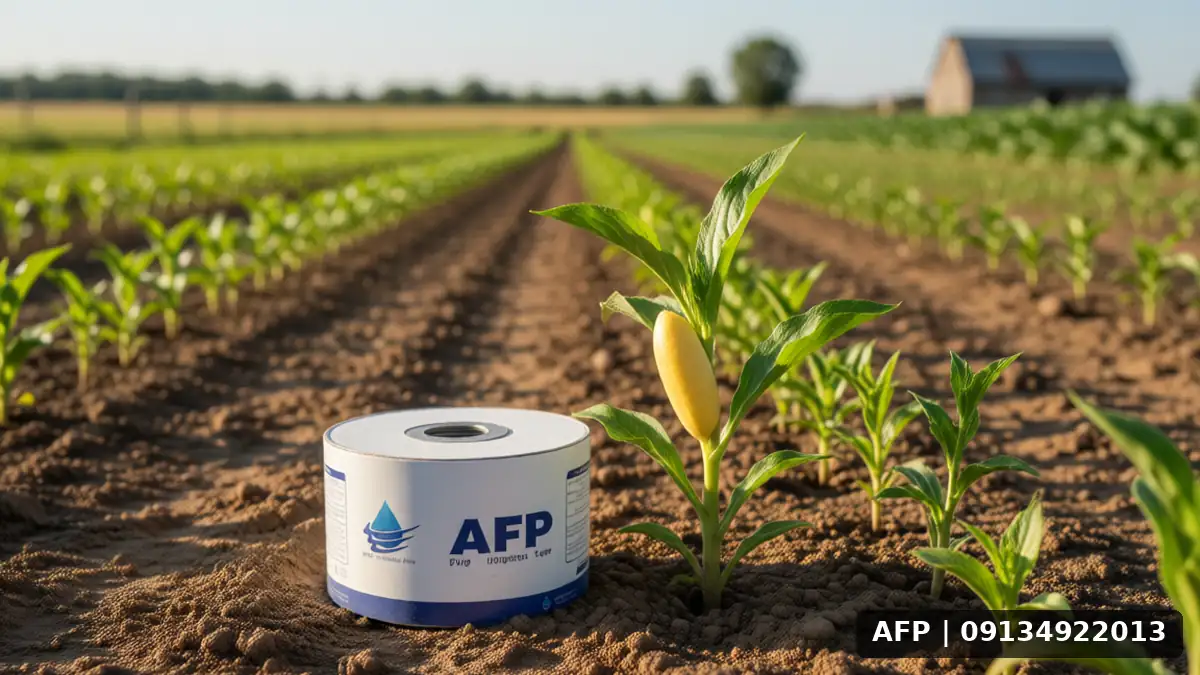
Frequently Asked Questions (FAQ)
Does pruning reduce lentil yield?
Not necessarily. Smart pruning may cause a slight decrease in biomass production, but by increasing the grain-to-stem ratio and reducing waste, it significantly improves economic returns and Water Use Efficiency (WUE).
What is the best time for pruning lentils?
The pruning-sensitive stage usually lasts from mid-flowering to about 10 days before grain harvest. During germination and rapid stem growth, severe pruning should be avoided to ensure plant survival.
Is this method suitable for all regions?
Pruning-based drip irrigation is recommended in low-rainfall areas with saline water or irrigated plains. In high-rainfall areas, water savings are less noticeable, but control of root diseases remains a benefit. Similar principles can be applied to irrigation management of other cereals such as corn in corn seed rate per hectare It was also observed that water management at critical stages is the key to success in these cases as well.
Conclusion and final recommendations
Deficit irrigation in chickpea cultivation is a green strategy for the future. By leveraging infrastructure such as tape and drip lines, farmers can optimize water resources and improve the quality of their chickpea crop. The key to success is balancing water reduction with plant health. It is recommended to conduct comparative tests with precise management of different doses in a small plot before full implementation to determine the optimal deficit irrigation model for your specific region and climate.
By combining technical knowledge of irrigation systems with an understanding of plant physiology, chickpea cultivation can be transformed into one of the most profitable sectors of sustainable agriculture. This approach not only reduces operational costs but also ensures the long-term sustainability of soil and water for future generations. To learn more about other modern methods, you can refer to the guide on complete cultivation and irrigation of lettuce Also review this resource, which features similar water management practices.
Related content: sunflower yield per hectare factors