Drip Irrigation Cost per Hectare for Cucurbit Cultivation: A Comprehensive Economic and Practical Guide
Introduction to the Economics of Tuber Cultivation with Drip Irrigation
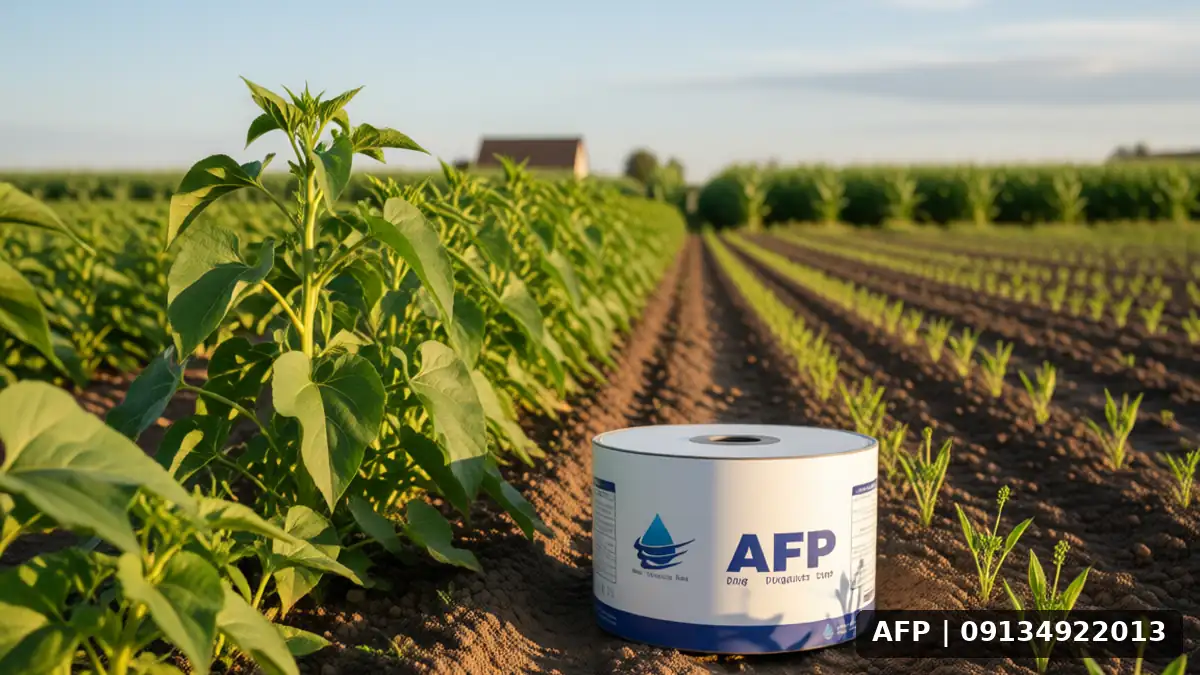
Optimal cost management is more critical than ever in modern agriculture. Cost of tuber cultivation per hectare with drip irrigation This is one of the key parameters that growers and producers need for precise economic decision-making. Pressurized irrigation systems, specifically drip, not only reduce water consumption by up to 40 percent but also significantly boost crop yields by delivering nutrients precisely to the root zone. Uniform moisture distribution in the root zone prevents the spread of Fusarium wilt and improves final fruit quality. These advantages have made drip a leading option for high-value crops like tubers.
To better understand the overall cost framework, we first examine the farm budget structure. Fixed and variable costs in tuber cultivation have subtle differences compared to other crops, and accurate knowledge of these is essential for the success of a one-hectare farm. In this section, we delve deeper into the variables affecting final costs to provide a clear picture of the economic reality of drip-irrigated tubers. Additionally, a correct understanding of how the irrigation system interacts with other elements like seed and fertilizer plays an important role in more accurate cost calculations. Farmers must understand that choosing a drip system is not just an investment but a paradigm shift in resource management that requires a long-term and precise focus.
Detailed analysis of operational costs per hectare
Tuber cultivation costs can be divided into main categories: seed, irrigation systems, fertilization, and mechanization costs. Each of these pillars has a specific share in the total budget. To better understand the relationship between resource management and costs, studying topics such as Watermelon seed quantity per hectare It can outline a model for optimal resource management, although cucumbers have different requirements. A better understanding of sowing principles and proper plant spacing directly affects final costs. Ignoring spacing can lead to intense competition among plants for resources and, ultimately, increased growth control costs.
Drip tape and drip system cost
The largest portion of initial costs is the purchase and installation of irrigation systems. Drip tapes, due to their thinness and high sensitivity, require precise filtration. Costs include main pipes, disc filters, and drip tapes with appropriate emitter spacing (typically 10 to 15 cm for cucumbers). Familiarity with types of irrigation systems helps in making optimal choices based on climate and soil. Regular inspection of the tapes is also essential to prevent capital waste. Using standard and high-quality pipes extends the system’s lifespan. For additional information, you can refer to the article on plastic pipe features . The selection of suitable emitters is also important based on hydraulic principles; in this regard, examining the L-law in drip irrigation helps in better understanding fair water distribution. Investing in high-quality components, although costly in the short term, is economically justified in the long term by reducing repair losses.
Cost of seeds, greenhouse, and land preparation
The cost of squash seeds depends on the variety (e.g., acorn squash, zucchini, or export grades). Land preparation includes plowing, mulching, and levelling for uniform water flow. If Saroflash is used, its cost is added to the budget. Selecting standard, high-quality seeds is an initial investment that directly affects yield per hectare. Proper plant management and adequate spacing reduce unnecessary costs. For a better understanding of the general principles, study Yield of black squash per hectare can provide a comparative overview of resource use. It is also important to pay attention to soil conditions and pH when choosing the seed type and initial fertilizer.
Practical tips for reducing costs and increasing yield
Despite the high initial cost of the drip tape system, the long-term return on investment is higher. To optimize, the following tips are recommended:
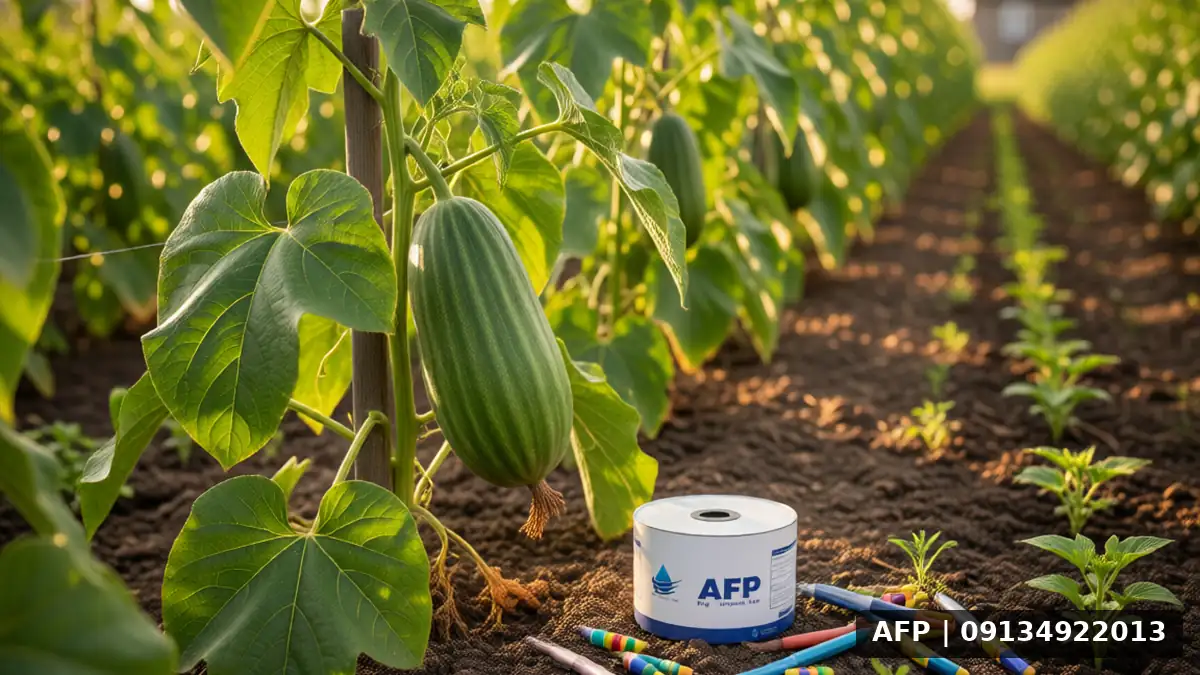
- Optimizing planting layout: Appropriate row spacing (1.5 to 1.8 meters) and plant-to-plant distance (60 to 80 centimeters) ensure optimal water and irrigation space utilization.
- Irrigation and fertilization management: Fertigation systems for injecting fertilizer through the drip line reduce the need for labor and lower labor costs.
- Line maintenance: Annual cleaning and repair of the lines (approximately 10 to 15 percent of the initial cost) must be included in economic calculations.
- Pest and disease control: Localized irrigation reduces leaf surface humidity, thereby decreasing the consumption of fungicide pesticides.
Optimal resource management not only reduces costs but also improves product quality. Attention to small details throughout the growing season can significantly impact final yield. Accurate tracking of irrigation data and water consumption is key to identifying leaks and optimizing the schedule.
Approximate Cost Comparison Table (Excluding Inflation and Regional Variations)
Frequently Asked Questions (FAQ)
Is drip tape suitable for all squash varieties?
Yes, but emitter spacing must be adjusted based on the variety and soil conditions. High-yielding varieties may require emitter relocation.
What is the lifespan of drip tape in years?
With proper maintenance, drip tapes typically last 2 to 3 years, unless degraded by direct sunlight.
How much lower is the per-hectare cultivation cost with drip tape?
Total water and fertilizer costs are reduced by up to 30%, but the initial system cost is higher. Return on investment typically occurs in the second or third year.
Summary
Calculation Cost of cucumber cultivation using drip tape per hectare Attention to the fine details of the irrigation system and resource management is required. Although the initial investment cost may seem significant, the drastic reduction in water consumption, improved crop quality, and long-term reduction in labor costs make this system a cost-effective option. Utilizing drip tape is a management strategy for sustainable profitability. It is recommended to coordinate farm climatic and soil conditions with senior experts. Familiarity with other crops and seeding principles can also improve the understanding of resource management; for example, studying Lettuce seed rate per hectare can demonstrate a model of precise resource management. Additionally, understanding the general principles of seeding based on expected yield per hectare is useful. Ultimately, attention to all these factors is the key to success in the economic cultivation of cucumbers using drip tape. Informed investment and adherence to engineering principles will guarantee return on investment and long-term profitability.