Cost and Efficiency Analysis of Sprinkler Irrigation for Triticale: A Field Guide
Introduction to Ridge Furrow Irrigation and Triticale Cultivation
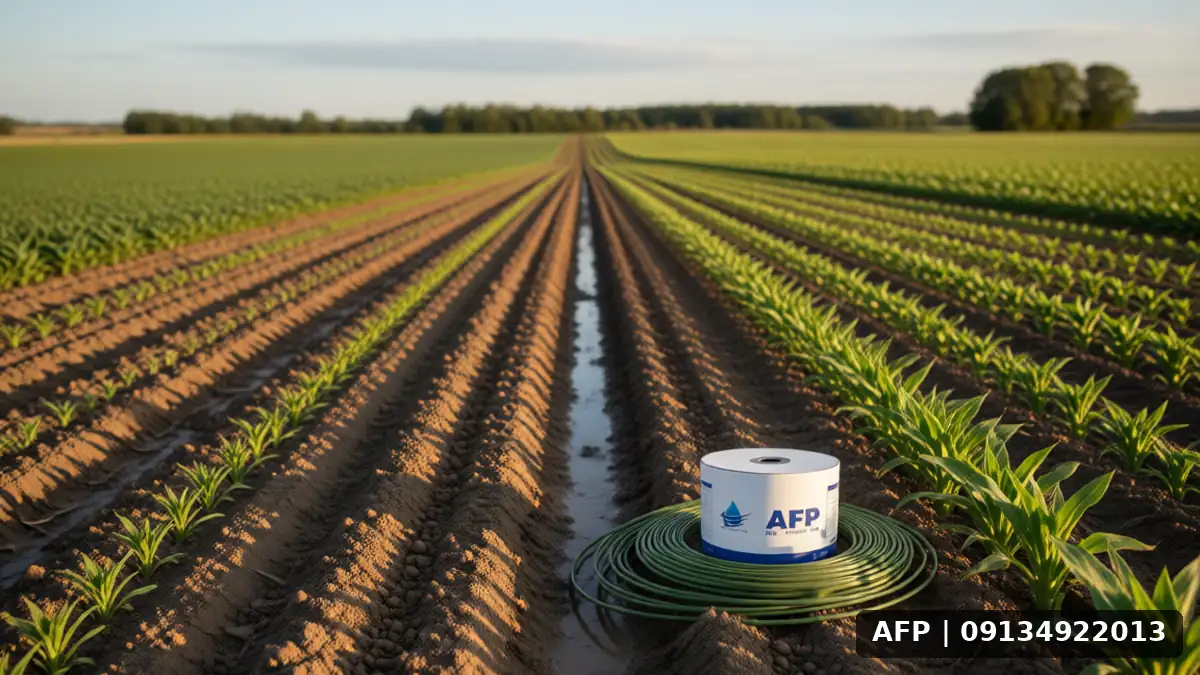
Triticale is a popular crop choice for farmers due to its high resistance to environmental stresses. One traditional yet widely used method for managing water resources is ridge furrow irrigation . This method uses gravity to move water through shallow channels created on the field surface. Although it does not require complex equipment, accurate analysis of the cost of ridge furrow irrigation for triticale in the field is essential for economic decision-making. In this section, we examine the potential of this method to improve triticale productivity. Ridge furrow irrigation is essentially a controlled flooding method where water moves from one end of the field toward the boundary or channel bed. This movement depends on the land slope, soil type, and flow rate. For triticale, which requires uniform moisture, precise management of this process is critical. Many farmers still use this method because its infrastructure (channeling) has already been established, eliminating the need for initial investment. However, over time, channel erosion and inefficient water distribution have increased hidden costs. In contrast, pressurized irrigation systems, such as drip lines, offer higher precision in water distribution and reduce consumption. The choice between these two methods must be based on precise economic data, not merely on habit. In arid regions, triticale is often grown in rotation with other crops, and irrigation costs constitute a significant portion of the total production cost structure. Therefore, every extra or saved cubic meter directly impacts final profitability. Understanding these dynamics is key to successful farm management. We will examine the details of each part of this economic equation in the following sections to provide a complete picture of the cost balance.
Why Farm Cost Considerations Matter
Hidden costs in conventional irrigation are often overlooked. From water availability and the labor required to manage canals to soil degradation, all of these factors affect the final bottom line. Understanding these costs helps farmers make smarter choices when comparing conventional methods to pressurized irrigation systems, such as various types of irrigation systems. One of the most critical hidden costs is opportunity cost. While a farmer is monitoring and maintaining surface water channels, they are unable to perform other farm tasks. This time value can often exceed measurable financial costs. Additionally, uneven terrain can cause water to pool in certain areas and leave others dry. This unevenness leads to unbalanced growth in triticale and a reduction in overall farm yield. Therefore, the cost of surface irrigation includes not just water and energy, but also potential yield losses. This point is frequently omitted in financial analyses but is highly important for professional farmers.
Specialized Analysis of Surface Irrigation Costs in Triticale
To calculate costs accurately, fixed and variable factors must be separated. Furrow irrigation is generally recommended for low-slope areas and clay to silty clay soils, as soil permeability under these conditions allows water to infiltrate quickly, preventing excessive runoff. In clay soils, low permeability requires more time for water to reach the roots, thus irrigation furrows should be shorter. In sandy soils, high permeability causes water to deplete rapidly unless water volume is controlled. These fine adjustments require a high level of technical knowledge, which is often lacking in traditional agriculture. Consequently, a cost labeled as a ‘knowledge cost’ must also be calculated. Learning and properly executing furrow irrigation requires experience, which takes years to acquire. Conversely, using more automated systems reduces this need.
Initial and infrastructure costs
- Canal development: Requires creating or reconstructing main and lateral canals, involving mechanization costs. This is a one-time expense, but canal erosion necessitates periodic repairs, which become costly over the long term. Using soil to repair canals also incurs costs and sometimes requires machinery that is not available in all regions.
- Pumping energy consumption: If the water source does not reach the required elevation, electricity or fuel costs for pumping become very high. In water-scarce regions, this cost can constitute a significant portion of the financial balance. Older pumps also have lower efficiency and result in higher energy consumption. Optimizing pumps can reduce energy costs by up to 30%.
- Equipment wear and tear: In combined systems, such as moving water to drip lines, high water pressure can place stress on the maintenance and management of pressure-regulated drip tape, shortening its useful life. Additionally, water filtration is necessary because sediment in channels can cause clogging and increase pressure. Using sedimentation tanks before water enters the system reduces maintenance costs.
Operating and Labor Costs
The biggest economic challenge with surge irrigation is its reliance on labor. Manual monitoring of triticale and water flow management creates indirect costs that are not economically justifiable in the long term. Additionally, water waste due to uneven distribution along the furrow increases hidden costs. In contrast, pressurized systems are more precise but require drip tape for greenhouses or open fields with more detailed design. The labor required for surge irrigation is often unskilled workers who have lower costs but require continuous supervision. This supervision must be precise, as even an hour of inattention can cause waterlogging or drying. In areas where labor is expensive, this cost can lead to the loss of economic viability.
Practical optimization in triticale farms
To reduce costs in triticale fields, combined methods can be used. One solution is to reduce the length of irrigation furrows to increase water infiltration time. Also, deep subsoiling to break the soil crust reduces water consumption. This operation makes the soil more compact and reduces permeability. But if subsoiling is done excessively, it may create impermeable layers and worsen the situation. Therefore, balance is important. Using organic matter can also improve soil structure and naturally increase permeability.
Key implementation points
- Water Pressure Management: When using transfer lines towards drip tapes, ensure water pressure is controlled. Irregular pressure can cause the tape to burst. The guide Measuring Pressure for Drip Tapes in this area is very useful. This guide helps determine the required pressure for optimal performance of pressurized systems, which are sometimes used in combination with gravity irrigation.
- Irrigation Scheduling: Triticale has high sensitivity to irrigation during the flowering stage. Delays in gravity irrigation scheduling can reduce yield and increase final crop costs. The irrigation calendar must be adjusted according to regional climatic conditions. In dry years, the number of irrigations increases, and water and energy costs rise.
- Seed Economics: Calculate the cost of triticale seed based on the cost recovery rate. Using the optimal seed amount of six per hectare or other cereals serves as the basis for calculating profit margins. Planting density must be coordinated with irrigation conditions, as excessive density causes plant competition and increased water consumption.
Frequently Asked Questions (FAQ)
Is furrow irrigation cost-effective for triticale?
This depends on the field slope and soil type. In flat fields with clay soil, furrow irrigation can still be economical. However, in sandy soils, water loss costs are very high, and pressurized systems such as drip tape are recommended. The local cost of water and labor also plays a significant role. If water is very cheap, furrow irrigation may remain attractive.
What is the cost of purchasing drip tape versus constructing a canal?
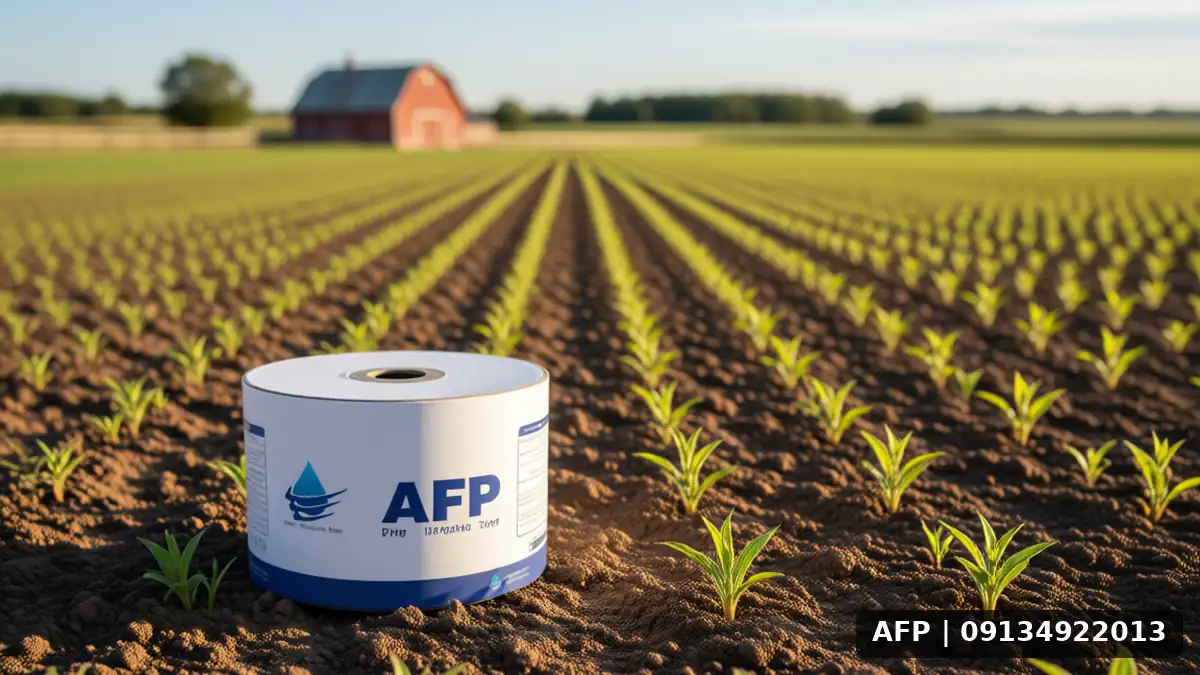
Canal construction is a one-time cost but has high maintenance expenses. Drip tape wears out annually but drastically reduces water and labor costs. In the long run, drip tape is more economically justified. The useful life of drip tape is usually 1 to 3 seasons, so annual depreciation must be calculated. This calculation, along with water and labor costs, provides a complete picture of the total field cost.
What is the best time to irrigate triticale?
The order of sensitivity is: emergence, tillering, flowering, and maturity. Furrow irrigation should continue at least until the flowering stage to maintain grain quality. Managing this process is best coordinated with the quantity of grain corn seed per hectare and other forage grains to maintain crop rotation balance. In rotational systems, water consumption must be adjusted based on the needs of each crop.
Conclusion: Selecting the optimal method for modern agriculture
On-farm cost is not limited to the purchase price of equipment. A comprehensive analysis must also consider water consumption, time, and soil erosion. Drip irrigation still holds its place in some regions, but for farmers seeking sustainable and high-yield farming, investing in modern systems and precise resource management is a top priority. It is recommended to calculate the seed rate of pulses per hectare and other rotation crops before selecting a method, in order to create an integrated income cycle. By considering these points, actual costs can be identified and better budgeting can be done for the next season. Farmers are advised to conduct a financial review of their irrigation methods every year. Technologies and prices change, and these reviews help further optimize costs.
Related articles: Types of irrigation systems, maintenance and management of drip tape irrigation Types of irrigation systems, Maintenance and management of drip tape irrigation, Drip irrigation line for greenhouses