Comprehensive Guide to Watermelon Cultivation Using Drip Irrigation
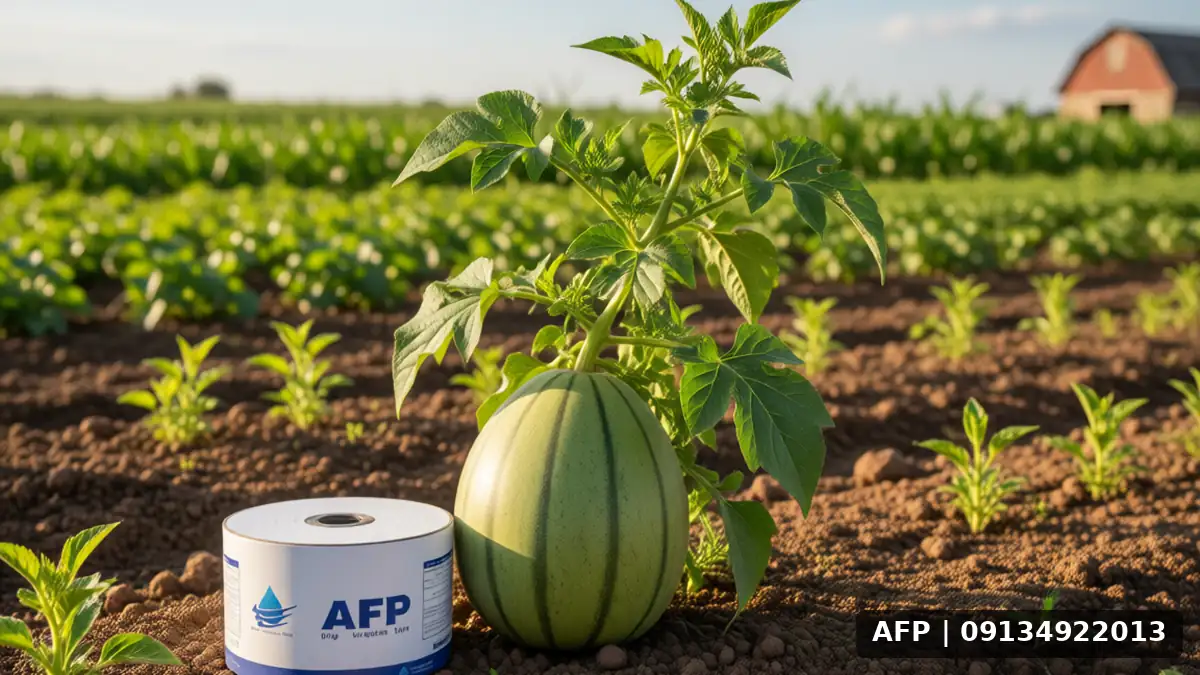
Introduction: The Importance of Controlled Irrigation in Melon Production
Melon is a water-sensitive crop whose growth and quality depend directly on water management practices. In conventional farming, flood irrigation was commonly used, leading to significant water waste, root rot, and reduced furrow efficiency. Today, recognizing the benefits of drip irrigation, farmers are adopting more precise methods like fertigation to control water and nutrient delivery. These techniques minimize water stress through precise moisture distribution, resulting in uniform fruit shape and flavor. Additionally, reduced evaporation and infiltration in sandy soils offer another advantage of drip irrigation in arid climates.
The objective of this guide is to provide a practical operational workflow for melon cultivation, incorporating drip irrigation principles such as plant zone spacing, system pressure regulation, and irrigation scheduling. Proper execution of these steps is expected to increase uniformity in melon size and flavor while saving water. This section also examines the direct relationship between water flow rate and fruit sweetness, a key consideration for farmers.
Selecting the Appropriate Planting Method for Melons
For effective drip irrigation system operation, the planting method must align with the technical capabilities of the drip line. Melons are typically planted in-furrow or on the furrow crest (mound planting). In the furrow crest method, the plant is positioned on the soil mound, and the drip line is placed directly adjacent to the main roots. This arrangement ensures moisture reaches the active fine root zone directly, optimizing nutrient uptake. Correctly selecting the planting position is the first step in reducing energy costs and improving system efficiency.
- In-furrow planting method: Suitable for pipeline systems with larger diameters; however, for melons, lighter drip lines placed directly adjacent to the planting site offer better performance and easier installation.
- Intra-row and inter-row spacing: Standard spacing for melons is typically 100 to 120 cm within rows and 160 to 180 cm between rows. These distances allow roots to spread and enable the drip line to create an adequate wet zone, preventing plant competition for resources.
When selecting furrows, ensure that land furrowing is completed before planting to allow for initial root settlement. Refer to the Technical specifications of the irrigation drip line Determining the emitter diameter and spacing is critical to ensure uniform water distribution along the row and prevent water accumulation at specific points in the furrow.
Irrigation Schedule for Melon
Melons have different water requirements at various growth stages. A successful irrigation program must be adjusted based on weather conditions, soil type, and the plant’s growth stage. A farmer’s precise understanding of these stages is the key to success in melon cultivation using a drip system. Changes in flow rate and irrigation duration over time mean the system operates dynamically rather than on a fixed cycle.
- Transplanting and root establishment stage (Weeks 1–4): In this stage, water requirements are low. Short and frequent irrigations (every 2–3 days) are recommended to prevent the root zone from drying out. A small amount of water (approximately 2–3 liters per hour per plant) is sufficient. Roots are very delicate during this period, and rapid drying causes transplant growth to halt.
- Vegetative growth stage (Weeks 5–8): As the canopy area increases, water demand rises. The irrigation frequency changes to 3–5 days per week, and the duration increases to 20–30 minutes. Plants have a high growth rate during this phase; preventing water stress is essential for proper vegetative growth.
- Flowering and fruit-setting stage (peak growth): This is the most sensitive stage. Water deficiency can lead to fruit deformation and flavor reduction. Irrigation should be regular and at a steady flow rate, typically every 2 to 3 days for 30 to 45 minutes. Moisture fluctuations at this stage can cause melon rind cracking, so irrigation stability is the top priority.
- Ripening and Harvesting Stage (Last 2 Weeks): Gradual reduction of irrigation is essential to increase sugar concentration and melon flavor. Irrigation should be stopped two days before harvest to maximize fruit aroma and taste. This acts as mild physiological stress, enhancing the sweetness of the fruit.
To optimize this schedule, system efficiency is critical. Studying the article on how to improve drip tape efficiency and productivity will help prevent line clogging, maintain uniform flow throughout the row, and prevent resource waste.
Practical Installation and Maintenance Tips for the System
Installing drip tape in melon furrows involves specific nuances; overlooking these can cause irrigation irregularities and reduced crop yield. Adhering to these guidelines extends the equipment’s useful life and prevents common system faults.
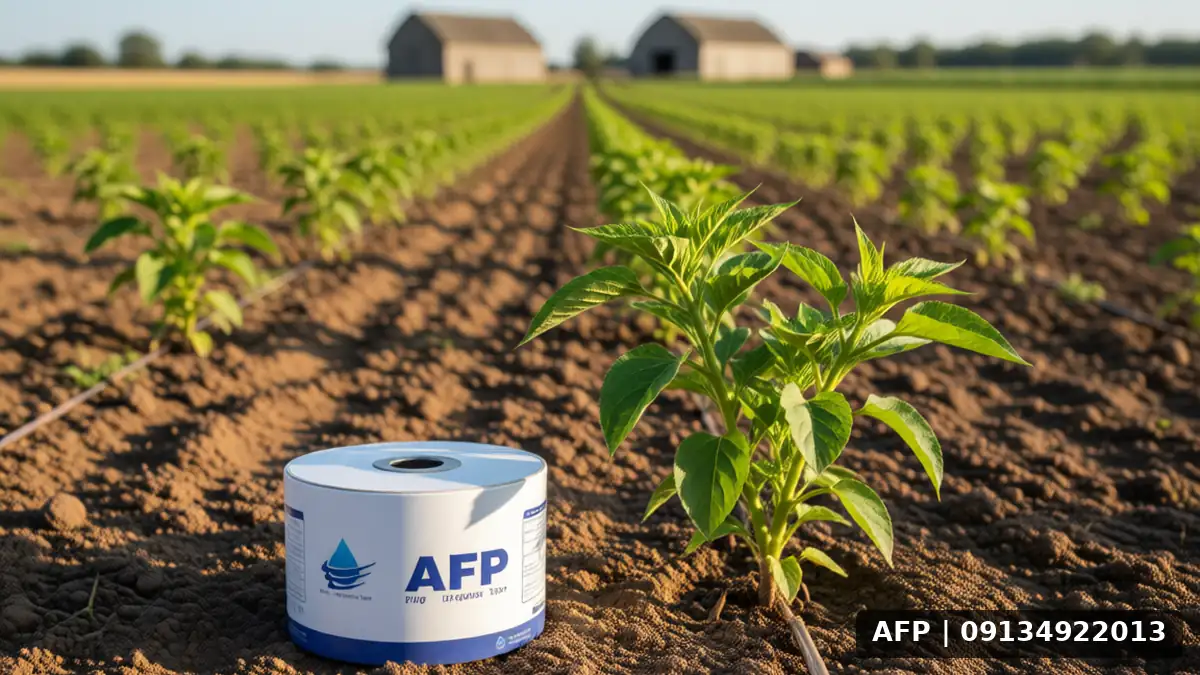
- Appropriate operating pressure: Melon irrigation systems typically operate at a pressure of 1 to 1.5 bar. Excessive pressure causes tape rupture or irregular water discharge. Refer to the guide Measuring water pressure for the Tef tape It is essential to adjust the system pressure regulator to keep the output pressure within the safe range for the tape.
- Applying protective powders: During planting, protect the tape path from soil-sucking pests (such as earthworms). Using high-quality, UV-resistant tapes is key to ensuring equipment durability and reducing losses.
- Tape overlap: If using two tapes per row, they must not overlap. An appropriate spacing is recommended to create uniform moist coverage in the soil, ensuring roots are fed from both sides.
Frequently Asked Questions (FAQ)
Can a fertigation (drip) system be used to feed melons?
Yes, a drip system or a combination of tape and trench can be used for melons. This method is particularly useful in soils with poor drainage. By adding two additional tapes to the main trench, irrigation and fertilization can be performed simultaneously. This increases nutrient absorption by melon roots and reduces the need for surface soil spraying.
What should be done if the drip tape gets clogged?
Drip tape clogging is a common issue. If back-flushable tapes are used, perform a reverse flush by opening the outlet valve. Otherwise, the tapes must be replaced. Prevention through the use of appropriate filters (such as mesh or disc filters) is far more effective and significantly reduces repair costs.
Is melon sensitive to cold or warm water?
Temperature within the melon plant itself is not very influential, but soil temperature is crucial. Irrigation with very cold water can cause root shock in weak soils. Therefore, it is recommended to irrigate during the cooler hours of the day to reduce evaporation, maintain root moisture, and prevent leaf scorch in hot weather.
Conclusion
Melon cultivation using drip irrigation is not only a technical advancement but also an economic necessity for modern farmers. By adhering to proper furrow planting principles, following a precise irrigation schedule, and maintaining the drip lines regularly, it is possible to achieve high-yield furrows and high-quality melons with intense flavor. It is recommended to review the following information for more details on similar products, Vegetable Yield Guide per Hectare to clearly understand the relationship between irrigation and final furrow yield and better grasp the economic performance of the crop.
Related Articles: 90mm plastic pipe irrigation guide, Elliptical Watermelon Yield per Hectare: Influencing Factors and Methods for Increase