Comprehensive Guide to Carrot Cultivation Using Drip and Tape Irrigation
Introduction to Carrot Cultivation with Drip Tape Irrigation
Carrot (Daucus carota) is a root crop with high economic value in wholesale markets and processed food supply. Success in cultivating this crop depends directly on soil quality, ambient temperature, and most importantly, proper water management. Using drip tape systems is one of the most intelligent modern agricultural methods for maximizing carrot yield. This method not only reduces water consumption by up to 40 percent but also prevents rot and cracking by providing gradual and precise root feeding. In this guide, we cover the entire process of carrot planting and drip irrigation.
Why Drip Tape Is the Best Option for Carrots
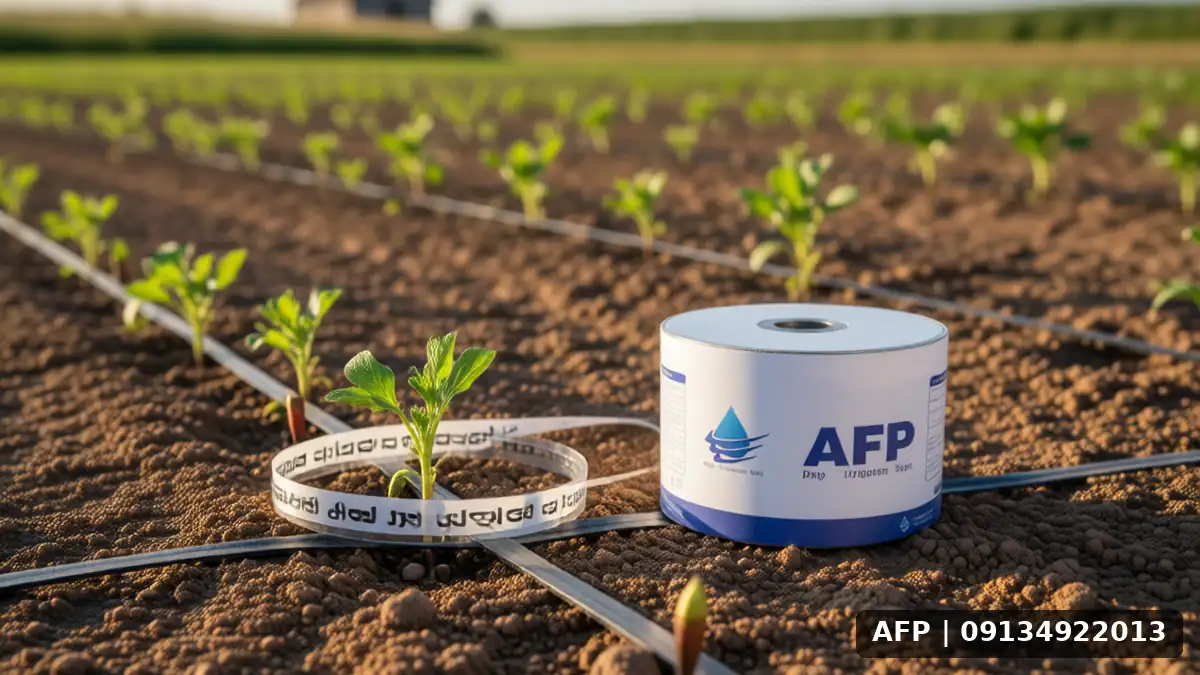
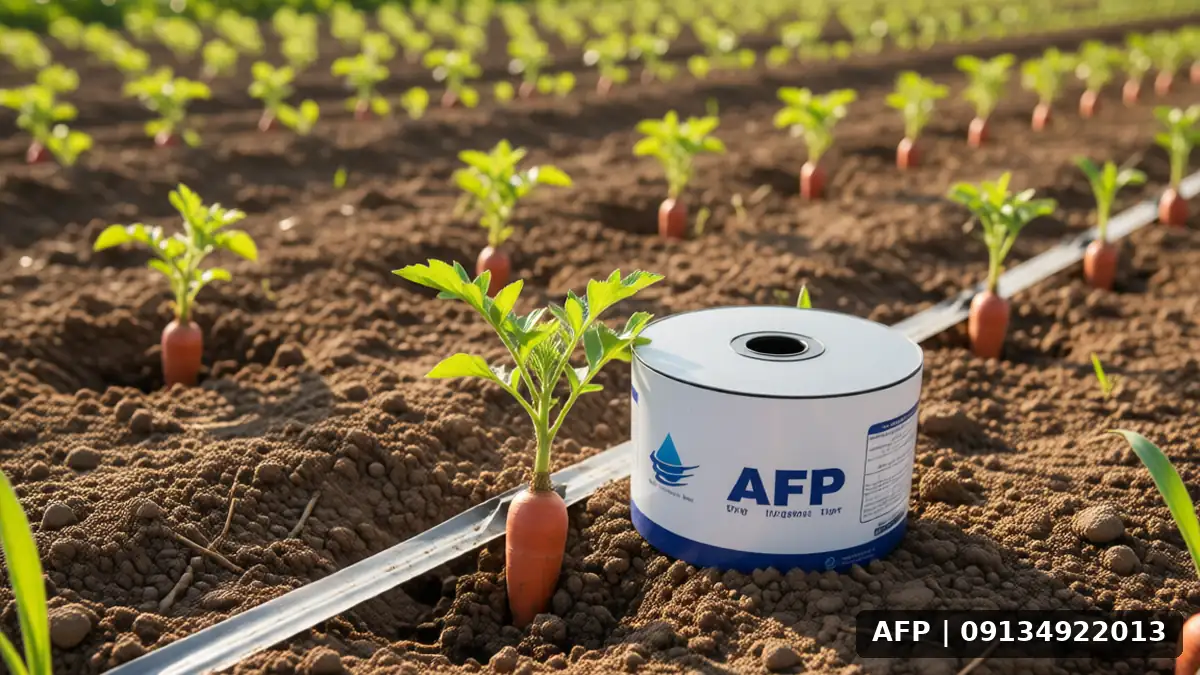
Carrots are crops whose roots function at soil depths of 20 to 30 centimeters. Using drip tape with a diameter of 16 or 20 millimeters and a dropper spacing of 20 centimeters places the line exactly beneath the root zone, providing water drop by drop. This method prevents weed growth between rows and reduces surface moisture, which helps lower the incidence of fungal diseases affecting root skin. Unlike sprinkler irrigation, which causes variable salinity and moisture stress, drip tape maintains ideal equilibrium. For a better understanding of the correct system layout, you can read the article on the drip tape installation stage to ensure proper fitting of components.
Selecting the Appropriate Drip Tape Based on Field Conditions
- For clayey and silty fields: Use tapes with thicker walls and tighter spacing (20 centimeters).
- For sandy fields: Use tape with wider spacing (35 to 40 centimeters) to prevent the line from drying out too quickly.
- Inspection for Tape Thinning: Use of 3-inch drip pipe Recommended as the main header pipe for uniform pressure distribution in the system.
Carrot seed rate and planting conditions
One of the main challenges in carrot cultivation is the small size of the seeds and their high weight-to-volume ratio. In drip irrigation farms, pelleted seeds are usually used to ensure uniform planting spacing. If using natural seeds, they need to be mixed with fine sand for planting. One acre of carrots typically requires 15 to 25 kilograms of seed, depending on the variety. For more detailed calculations, you can refer to the article on Carrot seed rate per acre Row spacing is set for a planting depth of 3 to 5 millimeters, and drip tape is placed between the rows so that water flows precisely within the root zone. This planting structure allows the roots to avoid water stress and develop their ideal cylindrical shape.
Drip irrigation schedule and amount for carrots
Water management for carrots must be adjusted based on the growth stage. Over-irrigation at the early stage causes yellow blight, and under-irrigation at the late stage causes hollowing. The table below provides a comprehensive guide for managing pressure and timing:
Also regarding the nutrition and seed of other products
If your farm has multiple crops, you can use Seeding rate of fenugreek per hectare It can also be used for comparing water and salinity efficiency. Carrot is sensitive to nitrogen nutrition in the first half of its growth. Using a feeding system in a drip tape system causes nitrogenous fertilizer to be directly introduced into the root zone, improving uptake. Avoid high levels of potash in the final days, as this causes carrot root hardness.
Practical tips and prevention of common problems
Rice planting with drip tape is one of the most precise agricultural operations. If you do not prevent errors at this stage, such as tape leaks or clogged emitters, carrot roots will crack due to local stress and become unsaleable. Always drain the tape system before heavy rain. Also, if you have a paddy field, using a shafetti drip tape system is not recommended due to the presence of fungi, but it is very ideal in well-drained sandy soils.
- Black lines: Usually results from seeding deeper than the recommended depth. With drip tape, moisture is uniform, and this issue is less common.
- Forked roots: Use forked-root resistant varieties and monitor precise seeding spacing on the drip tape bed to ensure root quality.
- White root rot: In high-moisture areas, use 30 cm wide drip beds to minimize contact between the roots and surface wet soil.
To learn about seed calculations for other ornamental or grain crops, you can also review the article on cucumber seed quantity per hectare. Many farmers plant cucumbers intercropped with carrots and utilize a shared drip tape system for both crops. Proper drip tape system management is a long-term investment for your farm that will last for years if you replace the tapes as they reach the end of their service life.
Frequently Asked Questions (FAQ)
1. Do we use a filter for the carrot tape irrigation system?
Yes, you must use a disc filter with 80 to 120 mesh at the system inlet. Fine organic particles in the water can clog the tape drippers, creating dry patches in the furrows that destroy the crop.
2. How many days after planting should the tape be connected?
On the day of planting or the next day. Due to the sensitivity of carrots to moisture stress during germination, the tape system must be ready and in normal condition from Day 1. Never allow the seed to remain in absolute dryness.
3. What is the difference between tape drip and conventional drip?
Tape drip is single-use and designed for seasonal crops such as carrots, corn, and potato. In contrast, conventional drip lines (Drip line) are multi-season. For each hectare of carrots, the cost of tape drip is usually 20 to 30 percent lower than a permanent drip system, making it more attractive in terms of profitability for smaller farms.
Summary: The Future of Carrot Farming with T-Tape
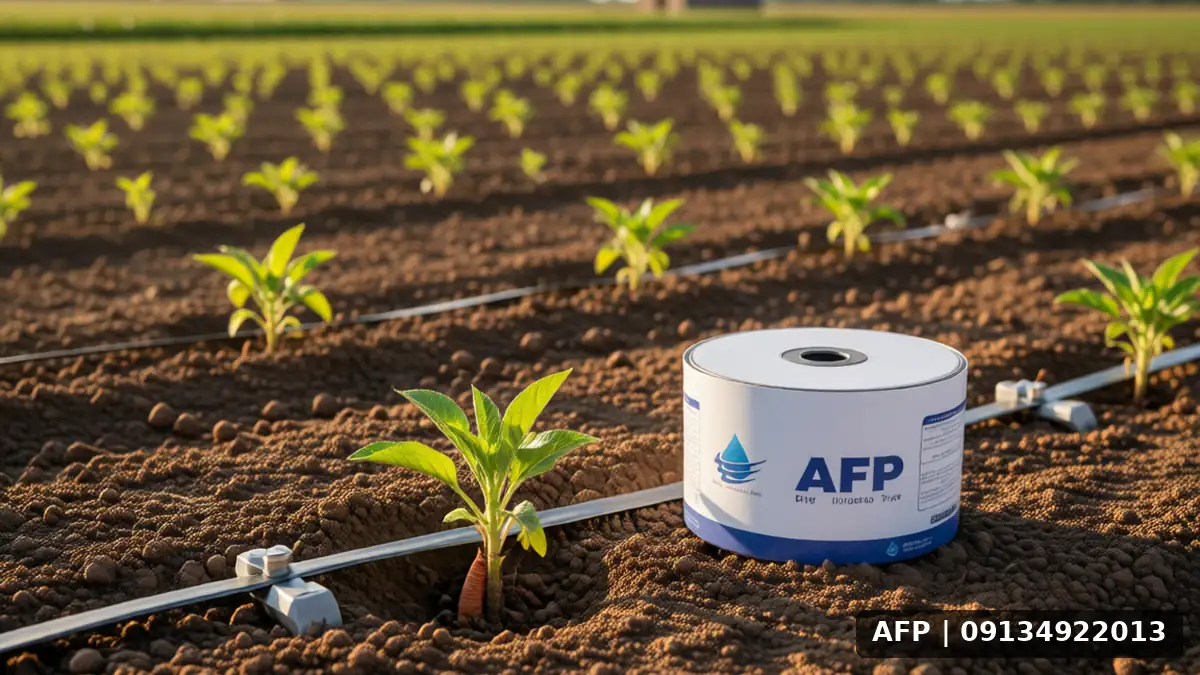
Combining the science of precise carrot planting with T-tape technology offers a more certain path to profitability. In this method, you have direct control over root quality, reduced water consumption, and preventing fertilizer waste. Given the high cost of agricultural water, this method is also one of the best globally in terms of economic and environmental efficiency. Always consult with a specialist among local installers before purchasing a T-tape system and use an appropriate filter.
Related Articles: navori tipi ob yari plakdor