Comprehensive Guide to Asparagus Cultivation Using Drip and Perforated Tape Irrigation
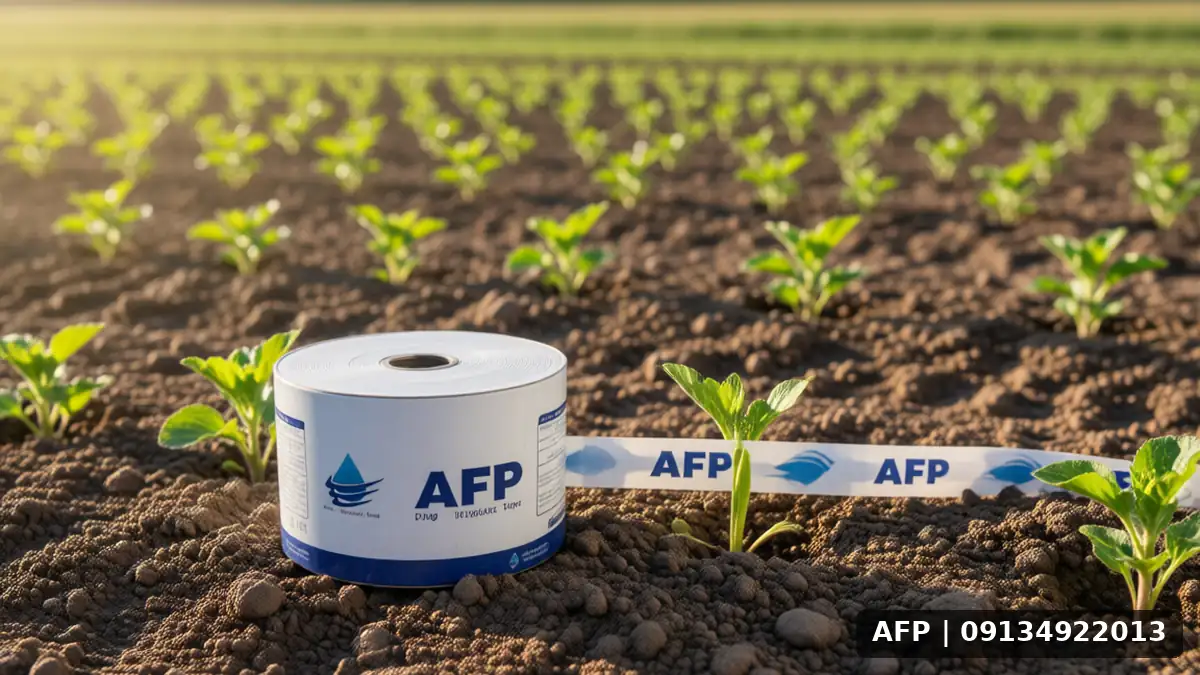
Asparagus (Asparagus officinalis) is a perennial and economically valuable crop widely cultivated in orchards and fields across the Middle East and Iran. Due to its specific requirements during early growth and establishment, it is highly sensitive to precise management of water and fertilizer resources. In recent years, the application of drip and tape irrigation systems in cultivating root vegetables has attracted significant attention from farmers. Although these systems are primarily recognized for annual vegetables like potatoes, their underlying principles are highly applicable for optimizing asparagus irrigation, particularly during the initial establishment phase.
In this comprehensive article, we provide an in-depth technical review of asparagus cultivation with a focus on drip irrigation. We cover all critical aspects, from selecting the appropriate tape type and planting spacing to precisely planning irrigation quantities and timing. Our goal is to equip farmers with the ability to minimize plant water stress using available resources and achieve optimal yield.
Preliminary steps in asparagus planting: The importance of seed selection and soil preparation
Selecting the right crowns or cuttings
The final quality of asparagus product is directly tied to the health and quality of the seed (or root cutting) used. In modern agriculture, the use of certified seeds resistant to fungal and viral diseases is essential. When purchasing seeds, look for varieties with high germination potential and optimal agronomic performance. For large-scale commercial planting, familiarity with the planting rates of other corn and legume varieties can help in estimating the consumption of auxiliary inputs; for instance, a general understanding of Planting Density and Factors Affecting Bean Yield Similar principles can be applied to planting density management for asparagus.
Preparation of the Planting Bed
Asparagus requires light, well-drained soil rich in organic matter. Before planting, the soil must be thoroughly tilled and amended. Creating deep furrows for planting the crowns improves root aeration and prevents rot caused by water accumulation. When using pressurized irrigation systems, precise field grading is critical to prevent waterlogging in low-lying areas.
Irrigation Systems: Choosing Between Drip and Tape
Benefits of Drip Irrigation for Asparagus
The drip irrigation system, due to its precise distribution of water and nutrients around the root zone, is one of the most suitable methods for this crop. This method keeps the root zone consistently moist without waterlogging the planting bed, which is crucial for the sensitive asparagus roots. Compared to surface irrigation, drip systems can save 30 to 40 percent on water usage. Additionally, it allows for Drip tape for beans and drip irrigation guide it exists, indicating that similar principles are applicable to other root vegetables and leafy greens.
Implementing drip tape in asparagus cultivation
Drip tape is the preferred option for the initial planting stage due to its rapid installation and lower cost compared to fixed drip lines. When installing drip tape, ensure a safe distance between the tape and the planting row (typically 15 to 20 centimeters from the main root). The tape should be laid uniformly on the ground to ensure consistent water coverage. A key factor is appropriate operating pressure; standard drip tapes generally operate at 1 to 2 bar. To learn more about optimal tape layout, you can refer to Cabbage drip tape and irrigation guide which has similar mechanical principles.
Irrigation Scheduling: Key to Uniform Growth
Establishment stage irrigation schedule
The first 3 to 6 months after planting are the most sensitive period for artichokes. At this stage, the plant is establishing its root system and requires a stable water supply. Frequent, short irrigation sessions are recommended to keep soil moisture around 60 to 70 percent of field capacity.
- Weeks 1 to 3: Irrigate every 2 to 3 days at a rate of 10 to 15 liters per hour (depending on drip emitter flow rate).
- Second month: Reduce frequency to every 4 to 5 days, but increase water volume to 20 to 25 liters.
- Third month and beyond: Adjust based on climatic conditions and rooting depth.
Managing water stress during different seasons
Asparagus is sensitive to drought stress, but excessive dryness can damage shoot growth. Conversely, over-irrigation leads to waterlogging and reduced shoot vigor. Using soil moisture sensors for precise root-zone monitoring is recommended. In warm regions, irrigation during the early morning hours is preferable to minimize evaporation. Additionally, understanding the principles of thermal output per hectare can improve the management of biotic stress in perennial plants, as both depend on a precise balance between water resources and vegetative growth.
Planting spacing and plant density
Criteria for determining inter-row and intra-row spacing
The appropriate spacing between rows is typically 100 to 120 centimeters, and between plants within a row is 30 to 40 centimeters. These spacings allow for air and light circulation and prevent the spread of fungal diseases. Excessive density forces plants to compete for resources and reduces the quality of the produced spears. When calculating the quantity of inputs and seeds, understanding of thermal output per hectare (PR guide) and other plants may not be helpful, as asparagus is a vegetable, but general planting density principles can be drawn from general resources such as the Increasing yield of six-row wheat per hectare to understand the achieved planting density management.
The impact of density on final yield
Planting density management directly affects the quantity of marketable stems produced. Lower density results in thicker, higher-quality stems, which have greater acceptance in export markets. Conversely, high density increases the production of lower-value stems. The choice of strategy should be based on the target market (domestic or export).
Practical points for irrigation and fertilization management
- Saline leaching: At the end of each irrigation cycle, use excess water to leach salts accumulated at the soil surface to prevent salt buildup.
- Fertigation: Drip systems allow for fertigation (injecting soluble fertilizers). Nitrogenous fertilizers should be used in early growth stages, and potassium in final stem production stages.
- Flow Monitoring: Regularly inspect the tape strip fabric to ensure emitters are not clogged or burst. Clogged emitters can lead to uneven water distribution, which is detrimental to sensitive asparagus crops.
Weed Management in Planting Beds
Using mulch in the planting bed reduces water evaporation and suppresses weed growth. This allows the irrigation system to target the desired root zone and eliminate resources for weeds.
Frequently Asked Questions (FAQ)
Is drip irrigation suitable for the long growth stages of asparagus?
Yes, permanent drip line systems are much more suitable than disposable tape for the second year and beyond, as they have a longer service life and are more compatible with the expanding root structure of asparagus that develops year over year.
How much water does each plant need per day?
The exact amount depends on the climate, but on average, 5 to 15 liters of water per day are required for each plant during hot seasons. This amount must be adjusted based on soil water retention and evaporation rates.
Can different types of vegetables be grown within the same irrigation system?
It is recommended to group crops based on their irrigation needs and growth cycles. For example, data regarding the grain bearing period per hectare (Iraqi Farmers’ Guide) indicates that managing shared resources requires precise timing planning to meet the varying needs of different plants.
Conclusion
Growing asparagus with drip irrigation requires attention to detail at every stage, from seed selection to final management. Using pressurized irrigation systems leads to water conservation, reduced labor costs, and increased crop yield. Adhering to precise irrigation schedules and maintaining appropriate planting distances are key to success in this sustainable cultivation. By properly implementing the principles of this guide, you can provide maximum asparagus quality and quantity with minimal resources.