Central Pivot Irrigation for Rosemary: Key Tips
Introduction
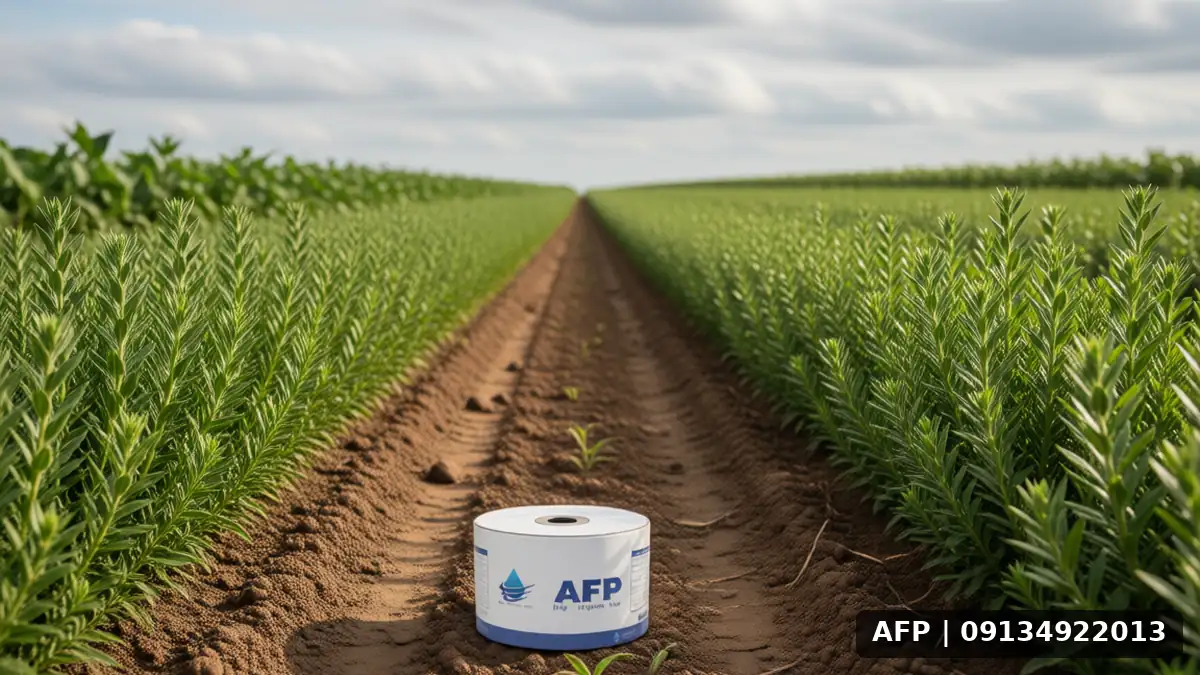
Rosemary is a high-value medicinal herb that requires precise water resource management to maintain quality and optimal performance. In arid and semi-arid conditions, the use of systems such as center pivot irrigation or drip irrigation plays a vital role in increasing the yield efficiency of rosemary fields. Center pivot irrigation for rosemary, by distributing water uniformly in the root zone, prevents water waste and ensures balanced plant growth.
This article examines key points of center pivot irrigation in rosemary cultivation, along with practical recommendations and answers to common questions. Our goal is to provide a comprehensive guide for farmers and specialists to optimize their irrigation systems and conserve water.
Why is center pivot irrigation ideal for rosemary?
Rosemary is a plant with deep, drought-resistant roots, but to achieve maximum oil and aroma production, it requires stable moisture in the root zone. Center pivot irrigation systems, by delivering water directly to the roots, prevent excessive soil surface wetness that leads to weed growth and fungal diseases.
- Water conservation: Water consumption is up to 40% lower than with surface irrigation.
- Improved soil erosion control: Reduced hydraulic pressure and prevention of soil compaction.
- Greater precision control: Ability to adjust based on plant growth and weather conditions.
Selecting the appropriate dripline for rosemary
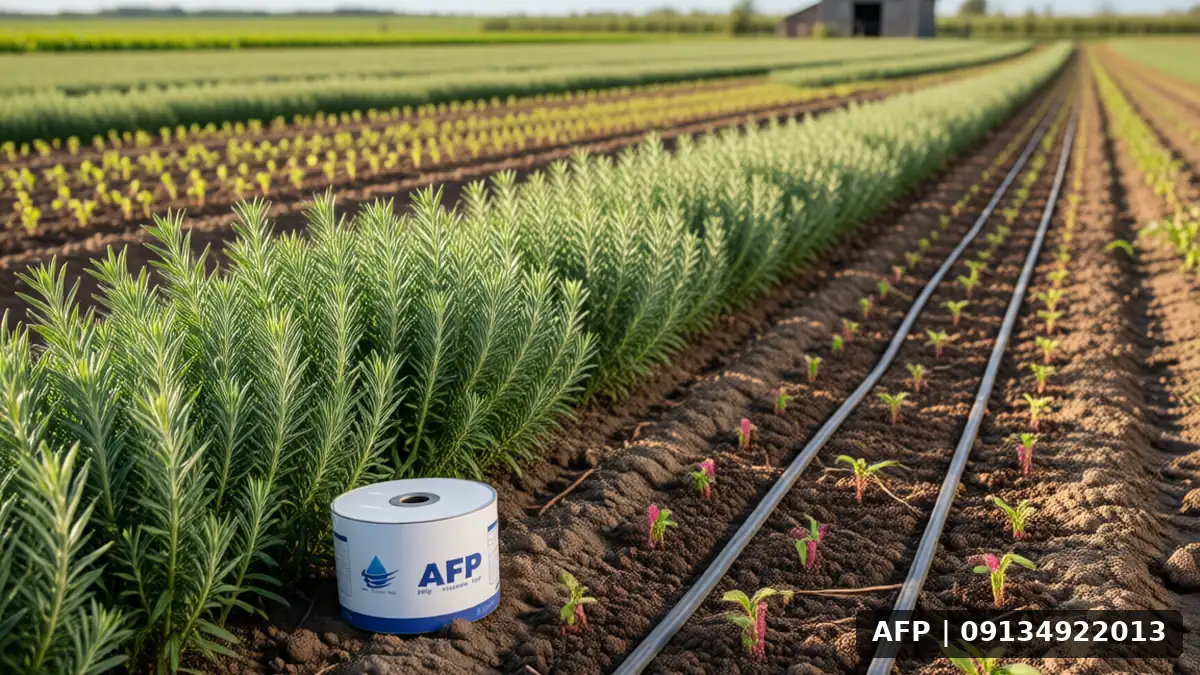
One popular option in pivot irrigation is the use of dripline Tape lines with built-in flow meters distribute water in a uniform drip pattern along the line. For rosemary, it is recommended to select a tape line with an appropriate diameter for the drip spacing (e.g., 15 to 20 cm) and a suitable flow rate (1 to 2 liters per hour). In this regard, you can read the article Benefits of Tape Lines to learn more about the advantages of using tape lines in medicinal herb farms.
Key points in designing the central pivot irrigation system for rosemary
- Planting spacing: The central pivot irrigation must be adjusted to match the rosemary planting pattern. If rosemary is planted in rows, the drip or tape line system should be placed directly under the plant rows to ensure water reaches the root zone directly.
- Irrigation depth: Rosemary roots are active up to a depth of 60 cm. Therefore, water pressure and irrigation duration should be adjusted so that moisture penetrates to a sufficient depth without leaving the soil surface wet.
- System pressure: The optimal operating pressure for drip tape is usually 2 to 4 bar. Using an appropriate filter to prevent emitter clogging is critical. To learn about the components of a drip system, you can refer to the Components of Drip Tape and Drippers page.
Practical tips for optimizing pivot irrigation
Managing rainfall and air temperature
The irrigation schedule should not be static. On hot and dry days, the water requirement for rosemary increases. Using soil moisture sensors to determine the timing and amount of irrigation is one of the best methods. Additionally, irrigation is best performed during the cooler hours of the night or early morning to reduce water evaporation.
Ground cover and evaporation reduction
The use of ground cover (such as mulch) in conjunction with pivot irrigation helps retain soil moisture and prevents weed growth. This method is particularly effective in rosemary farms that require warm and well-drained soil.
Irrigation system maintenance
Drip tape emitters clog over time. Regular system flushing, the use of appropriate filters (shredded sand or capsule filters), and periodic inspection of lines are of high importance. In some cases, using a water hardness softener can also increase the system’s lifespan. For more information about how to maintain irrigation systems, you can read the guide on Drip Irrigation System Management per Hectare.
Common problems in rosemary irrigation and solutions
If rosemary is planted in heavy soils with poor drainage, pivot irrigation must be adjusted with greater precision to prevent root rot. In this case, using drippers with lower flow rates and wider spacing is recommended.
Frequently Asked Questions (FAQ)
Is central irrigation also suitable for greenhouse rosemary?
Yes, central irrigation is excellent for greenhouse rosemary as well. In a greenhouse environment, precise control over temperature and humidity is possible, allowing the drip system to be further optimized using environmental sensors. In this context, you can refer to the article on Tape Drip Line Spacing in Lubia as a resource to understand the principles of drip tape layout in controlled systems.
What is the water requirement per hectare for rosemary?
Water requirements depend on the climate, soil type, and growth stage of the rosemary. Generally, central irrigation can reduce water needs to approximately 300 to 500 liters per day per hectare at peak growth. For comparison with other medicinal plants, you can read the article on Green Bean Seed Rate Per Hectare + Planting Guide to understand the management differences.
Can drip tape be used for rosemary in large farms?
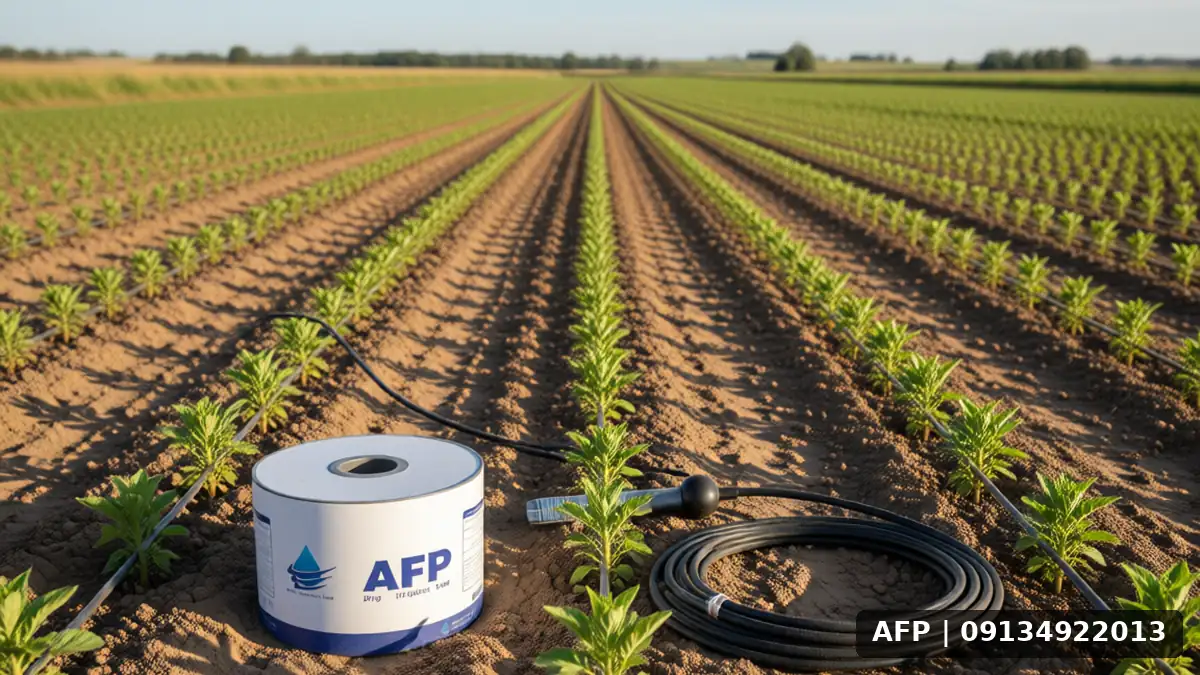
Yes, drip tape is very popular in large-scale rosemary farms due to its lower cost and ease of installation. However, for sloping farms, using individual emitters may provide better control over irrigation uniformity.
What is the best time for central irrigation of rosemary?
In hot regions, irrigation during the late night or early morning hours is recommended to minimize water evaporation. In cold regions, irrigation can be performed at noon, unless temperatures are extremely low, which may cause cold stress.
Summary
Drip irrigation for rosemary is an effective solution for increasing yield, maintaining quality, and managing water resources sustainably. By following key considerations such as selecting the appropriate system, precisely adjusting rainfall, and maintaining regular upkeep, farmers can prevent soil-wetness-induced diseases while ensuring adequate moisture for the roots. Using the practical guide provided in this article, farmers can optimize their irrigation systems and benefit from higher profitability in the long term. To continue your studies, it is recommended to also read Wheat yield per hectare: A comprehensive guide to increasing performance and profitability to gain a broader perspective on medicinal plant crop management.
Related articles: Complete Calamintha yield per hectare, fawaid nawwar riyy atip, mikdori tuhmiy javorimakshidon hoti gakhtar, components drip irrigation tape dripper