Center Pivot Irrigation in Pumpkin Cultivation: Key Prerequisites and Practical Guidelines
Introduction to the Importance of Centralized Irrigation in Pumpkin Production
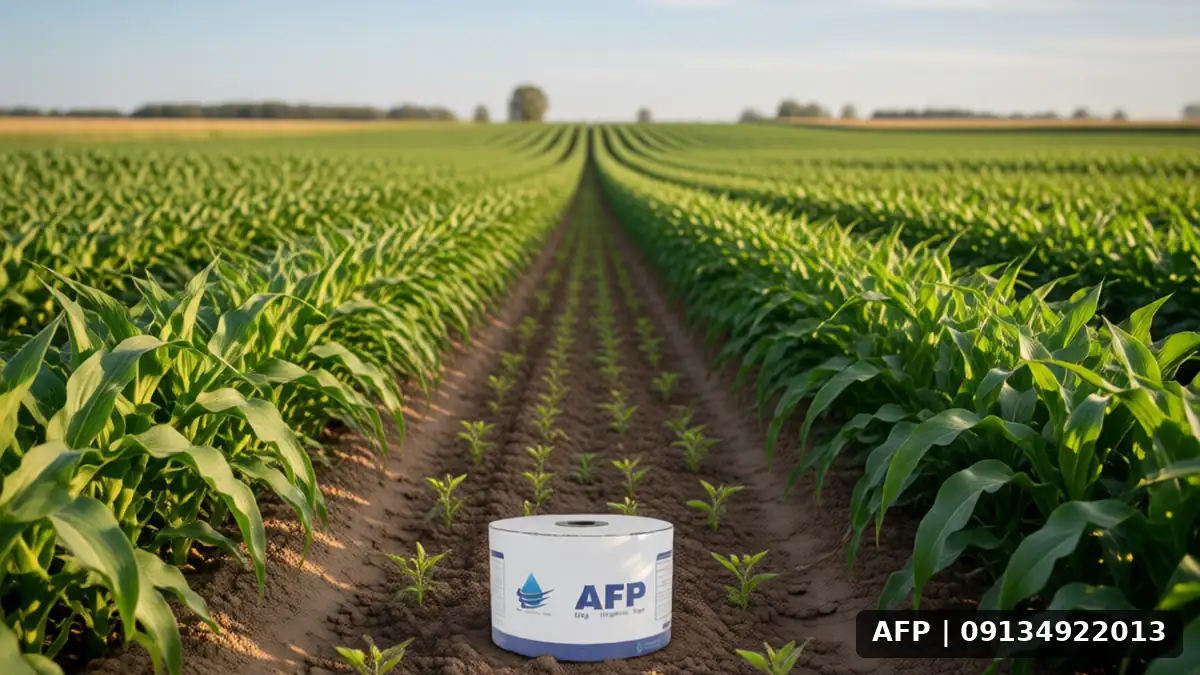
Pumpkin is a crop sensitive to water stress. To achieve significant fruit quality and weight, it requires uniform moisture distribution at root depth. Traditional surface irrigation methods often lead to water waste and damage to intermingled root systems. In contrast, Pumpkin Centralized Irrigation using drip and tape line systems enables precise delivery of water and fertilizer to the root zone. However, familiarity with technical and agricultural prerequisites is essential before installing any irrigation system. This section provides a deeper look at the initial conditions that guarantee the success of centralized irrigation for pumpkins. These methods not only optimize water consumption but also protect against fungal diseases by reducing surface moisture and ensure more uniform plant growth across the field. A thorough understanding of each of these prerequisites will make a noticeable difference in final product quality.
Soil Bed Preparation: The First Prerequisite for Centralized Irrigation
The role of soil in moisture management is undeniable. Before installing the drip line, the agricultural and physical condition of the soil must be evaluated. Cucumbers have widespread roots and require open spaces in the soil for growth. Soil compaction or the presence of severe gypsocalcic horizons can disrupt water flow in the drip line. Additionally, the ground surface must be precisely leveled, as significant elevation differences cause uneven pressure distribution along the drip line. Understanding the differences between porous and pipe drip lines at this stage helps ensure the correct selection; while porous drip lines are more suitable for short distances, pipe systems are used for longer lines with low pressure loss. Above all, soil analysis is recommended to determine soil pH and EC to adjust the nutrient solution concentration for center-pivot irrigation. Also, proper drainage must be considered to prevent water accumulation around the roots and the creation of anaerobic conditions. The soil should be sufficiently firm for the drip line to pass beneath it and retain moisture, but not so compact that it blocks vertical water flow.
Selection and technical specifications of the appropriate drip line for cucumbers
One of the most critical prerequisites is selecting the correct drip tape parameters. Emitter spacing must be adjusted based on the growth stages of the squash. For squash, spacing of 20 to 25 centimeters is generally recommended to ensure optimal moisture coverage. The tape diameter must also be selected according to the flow rate. If the terrain has a slope, using grade-compensated tape is essential to prevent over-irrigation at the lower end and under-irrigation at the upper end. Additionally, the tape’s resistance to sunlight and working pressure must be evaluated. To better understand the benefits of tape systems for other similar crops that require high moisture precision, consulting the comprehensive guide for radish drip tape can strengthen your understanding of matching emitter spacing to root depth, as the underlying physical principles are similar. Furthermore, the durability of drip tape against fertilizer chemicals and its resistance to being punctured by animals or farm equipment are other important criteria to consider when purchasing.
Water Source and System Pressure Prerequisites
Center-pivot irrigation for squash requires a sustainable water source of suitable quality. Heavy sediment can clog drip tape emitters. Therefore, filtration is a mandatory prerequisite. It is essential to use sand filters for water from deep wells or disc filters for surface sources (canals and qanats). The system operating pressure must also be calculated; excessive pressure can cause physical damage to the drip tape and over-irrigation, while low pressure leads to uneven water distribution. In large systems, rotational irrigation of the field can balance pressure across different lateral terminal sections and optimize pump energy consumption. Planning for continuous and uniform water supply is key to successful squash cultivation. Additionally, precise measurement of flow rate and pressure at the beginning and end of main lines helps identify hidden leaks or clogs and optimize the system. Managing pump energy and using variable speed drives can significantly reduce operational costs.
Practical Installation and Maintenance Tips
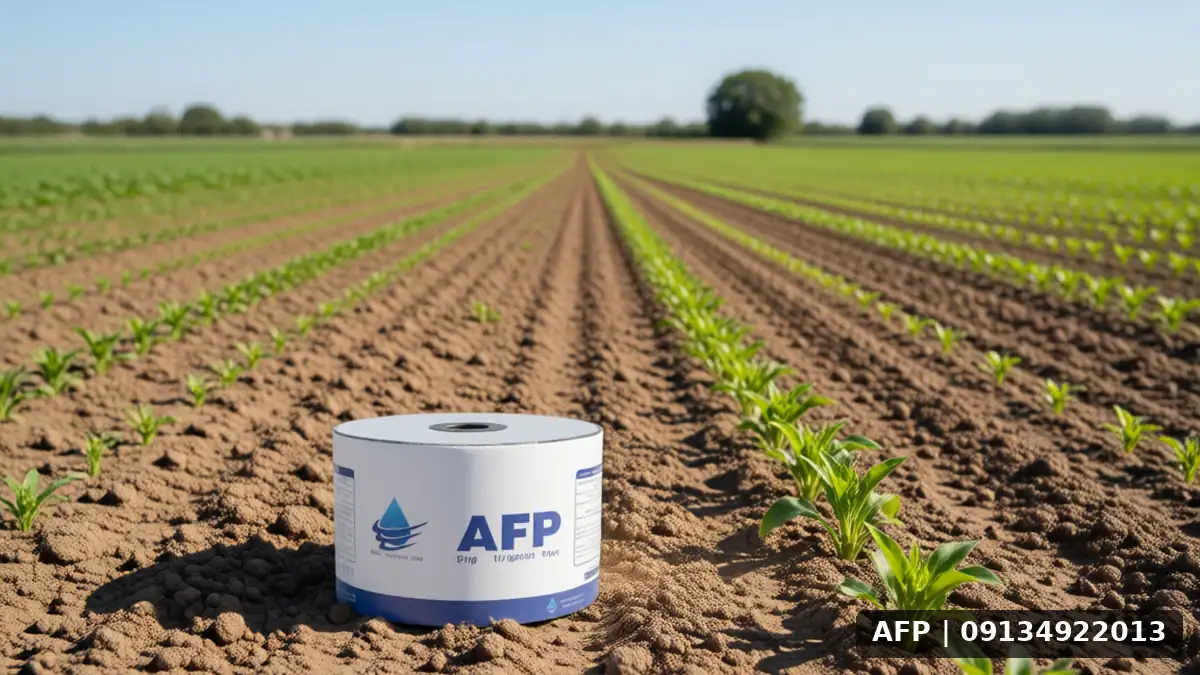
- Soil loosening: Before planting and tape installation, surface tillage is recommended to break compacted soil layers and improve vertical permeability.
- Planting season: Drip tape installation timing must be precisely synchronized with planting to ensure the moisture required for seed germination in the initial days.
- Root zone management: In center pivot irrigation, only 30 to 50 percent of the soil surface remains wet. This condition causes roots to grow in limited depths. Therefore, planting depth and row spacing for squash should be considered to prevent root interference.
- Monitoring Blockages: Once a month, open the ends of the drip tapes and check the water flow to identify the presence of sediment and algae. Reviewing Applications of Rainwater Pipes This can enhance your understanding of main water distribution lines in hybrid systems, even though drip tape is located on the terminal line. Additionally, regular washing of filters and inspection of main pipes for sediment discharge are essential.
Frequently Asked Questions (FAQ)
What is the standard spacing between drip tape rows for squash crops?
Usually, the spacing between rows is 1 to 1.5 meters, with the drip tape placed between the rows to allow roots to grow freely.
Can last year’s drip tape be reused?
In most cases, drip tape is single-use and has a useful life of one growing season. Reuse leads to reduced flow accuracy and an increased risk of rupture.
What is the best time for micro-irrigation of squash?
Early morning or early evening is recommended to minimize evaporation and provide sufficient moisture for daily plant growth.
Can drip tape be combined with a sprinkler system?
Yes, under certain conditions, using larger drippers or wider-spaced tapes can simulate sprinkler irrigation, but for squash, precise tape systems are generally preferred.
Summary and future outlook
Success in Center pivot irrigation of squash It depends not only on the purchase of equipment, but also on the correct understanding of soil, hydraulic, and agricultural prerequisites. Adhering to appropriate spacing, proper water filtration, and precise land leveling are factors that minimize waste and maximize product quality. By following the technical principles mentioned in this article, farmers can take advantage of different climates and varying hydrological conditions. Attention to small details during the preparation stage will be the key to success at the harvest stage. Additionally, familiarity with modern solutions such as Advanced Strip Tape Agricultural Solutions can open new horizons in agricultural water resource management and contribute to the long-term sustainability of squash cultivation.
Related articles: Crop rotation and circular irrigation of agricultural land: Advantages and disadvantages, Comprehensive guide to radish drip tape use: spacing, benefits, and key considerations