Center Pivot Irrigation in Triticale Cultivation: Key Advantages
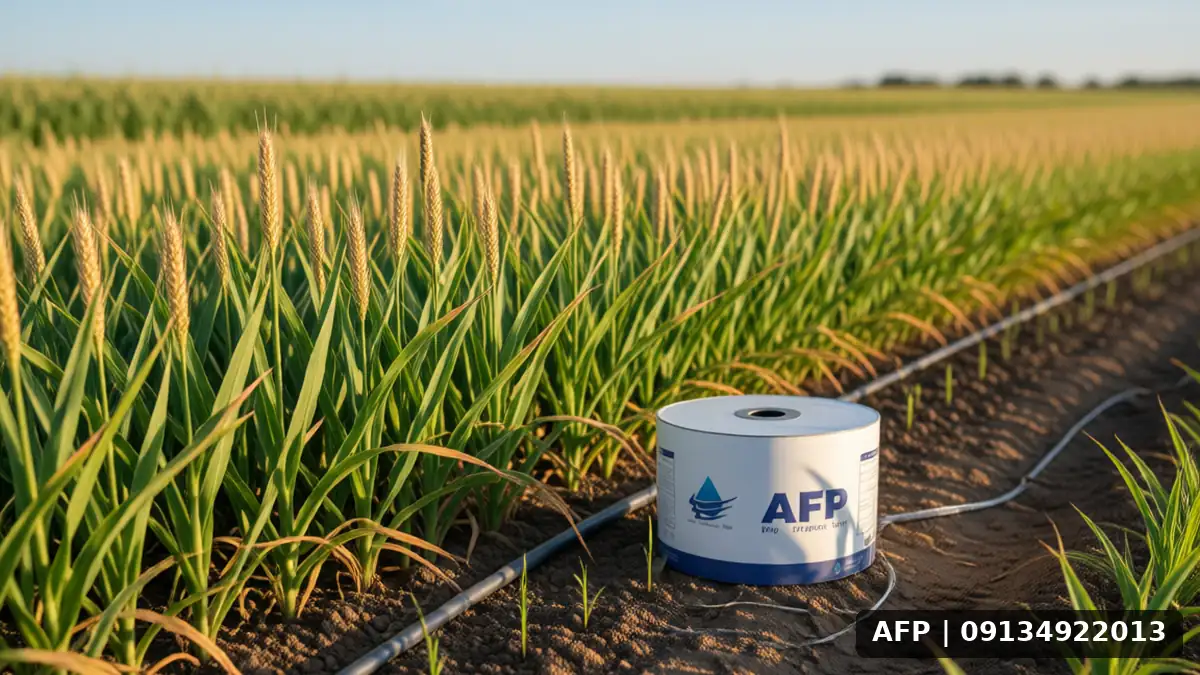
Introduction: The Necessity of Modernizing Irrigation Systems in Triticale Cultivation
Triticale, as a crop resistant to environmental stresses, holds a special place in agriculture in dry and semi-arid regions. Given the constraints on water resources, the transition from furrow and flood irrigation to modern systems such as center-pivot irrigation (which typically include drip and trickle systems) is considered an economic and ecological necessity. This irrigation method, by precisely supplying water and nutrients in the root zone, has high potential for increasing triticale yield.
Definition of Center-Pivot Irrigation and Its Application in Annual Crops
Center-pivot irrigation refers to methods in which water is applied drop by drop or in narrow bands close to the plant root zone. In triticale cultivation, which belongs to the Poaceae family, soil moisture management plays a vital role in vegetative growth and grain filling. Unlike surface irrigation, which allocates a significant portion of water to evaporation, pivot systems keep moisture directly within the root profile of the soil.
Specific Advantages of Center-Pivot Irrigation in Triticale
Increasing Water Use Efficiency and Reducing Operating Costs
One of the core benefits is the optimization of water consumption. In drip or tape systems, water use efficiency (WUE) increases significantly. This means producing one kilogram of triticale using less water compared to flood irrigation. For more detailed information on how to calculate efficiency, you can refer to Yield per hectare + influencing factors and methods for improvement to gain a better understanding of the relationship between irrigation type and final crop output.
Reduction in the severity of fungal and fungal diseases
The timing of irrigation in a pivot system keeps leaf surfaces drier. Since a moist and cool environment on leaf surfaces provides a suitable breeding ground for Pyrenophora pathogens and other leaf spot diseases, pivot irrigation prevents the occurrence of these problems. These health benefits lead to a reduction in spraying costs and fungicide expenses.
Precise nutrition management and increased grain quality
In pivot systems, the Fertilizer Injection capability can be utilized. This means supplying nitrogen, phosphorus, and potassium precisely at the time and dose required by the plant. Triticale is sensitive to nitrogen, and pivot irrigation helps prevent the leaching of nutrients from the soil while continuously exposing the roots to nutrients. This directly affects the thousand-grain weight and the protein quality of the final crop.
Comparison of drip and tape strip systems in forage corn cultivation
Characteristics of drip irrigation
The drip system is the most suitable option for areas with fine sandy soils that have high permeability. This system allows for a very short distance between emitters and control of wetting depth. However, the initial installation cost and the need for water filtration clarity are challenges associated with this system.
Characteristics of tape strip and cost-effectiveness
Tape strip, where only a portion of the row width is covered with a hose or drip tube, is highly applicable in forage corn cultivation with clearly defined rows. This method has lower costs and faster installation. To better understand how water is distributed in these strips, you can refer to the article miqdori obdihiyi novori tipii baroi obeysri which details the technical flow rate specifications.
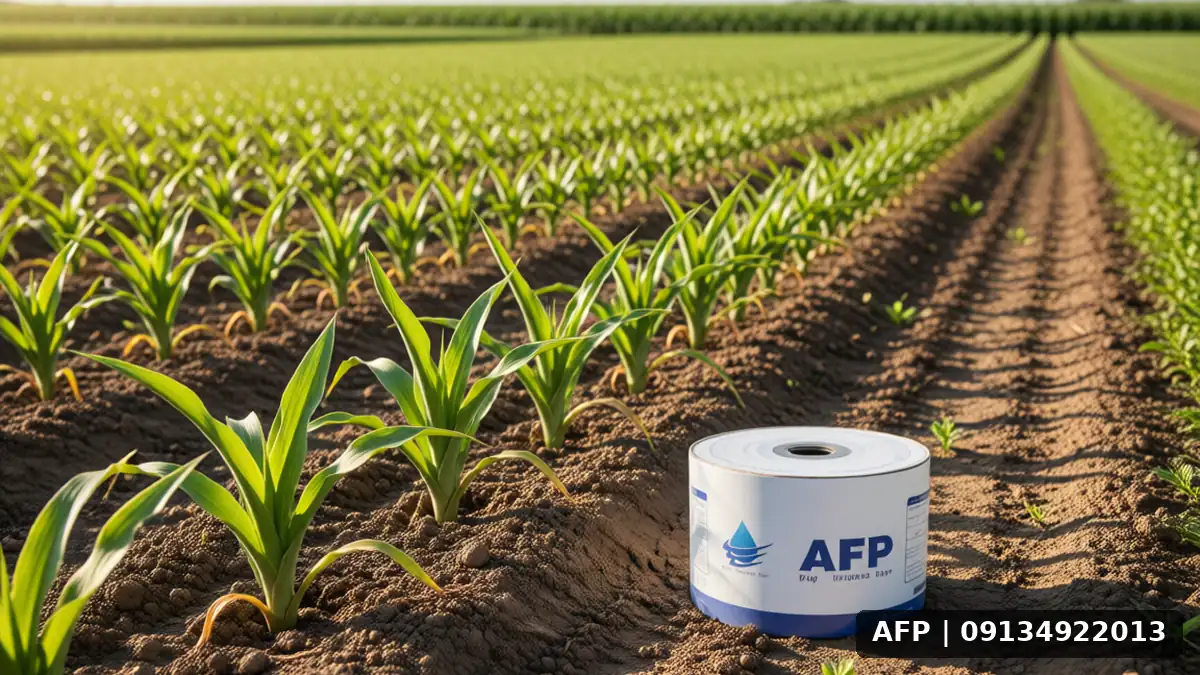
Practical tips for the successful implementation of pivot irrigation for forage corn
- Adjusting row spacing: Before installing the system, the planting row spacing for millet should align with the irrigation tubing. If using drip tape, its width must be narrower than the plant canopy width to prevent unnecessary coverage.
- Flow rate control: The soil water infiltration rate should match the discharge flow rate (Debit) of the emitters. For sandy soils, a higher flow rate or a greater number of emitters is required to prevent salt accumulation on the soil surface.
- Irrigation scheduling: The optimal time for irrigation is early morning or late evening. Avoid irrigation during the peak heat of the day, as it causes rapid evaporation and heat stress on young millet plants.
- Stem moisture assessment: Using soil moisture sensors or visually checking moisture at a depth of 30 cm helps prevent over-watering, which can interfere with root respiration.
Impact on Farming and Graining
The rooting order of triticale varies with soil depth. Using axial irrigation encourages lateral roots to extend to deeper layers, enhancing the plant’s drought resistance. If you are looking for information on seed density and planting density optimized alongside axial irrigation, the article triticale seeding rate and density table is a reliable source.
Frequently Asked Questions (FAQ)
Is axial irrigation suitable for all soil types?
No, drip systems are standardly designed for fine-textured sandy soils. For clay or loam soils with lower permeability, it is recommended to use drip tape systems with appropriate flow rates or narrower spray nozzles to prevent surface clogging and interference with root gas exchange.
How much does the installation cost of axial irrigation contribute to agricultural economics?
Although the initial installation cost of drip systems is higher than that of conventional wheat farming, the investment pays off within 3 to 5 seasons through a 40 to 50 percent reduction in water consumption and increased crop yield. Additionally, reduced fertilizer costs due to high nutrient uptake efficiency lower operational expenses. For a more accurate calculation of economic return, you can use Spinach seed rate per hectare + influencing factors and methods to increase yield (for comparing the productivity of different crops) and use general principles of harvest management.
How can we prevent salt accumulation on the soil surface?
By correctly adjusting the dripper spacing and ensuring full water infiltration to depth, you prevent salt accumulation at the surface. Additionally, periodic leaching by temporarily increasing irrigation to flush salts from saline soils is essential.
Summary and final recommendations
Selection Center pivot irrigation In millet cultivation, it is not a luxury choice, but a smart strategy for survival under water-scarce conditions. The benefits include reducing plant physiological stress, better disease control, and a direct increase in yield per hectare. Farmers planning to upgrade their irrigation systems must choose between drip and tape systems based on soil type and climatic conditions. It is recommended to establish a test plot and record soil moisture performance across different seasons before executing on a large scale. By following the practical principles mentioned, it can be expected that millet will be produced as a more sustainable, healthier crop with higher economic returns. Additionally, consulting specialized resources, such as eggplant seed rate per hectare, will be useful for better understanding planting density and simultaneous irrigation in intercropping systems.