Center Pivot Irrigation for Soybean Cultivation: Challenges and Practical Solutions
Introduction: The Importance of Precise Water Management in Soybean Cropping
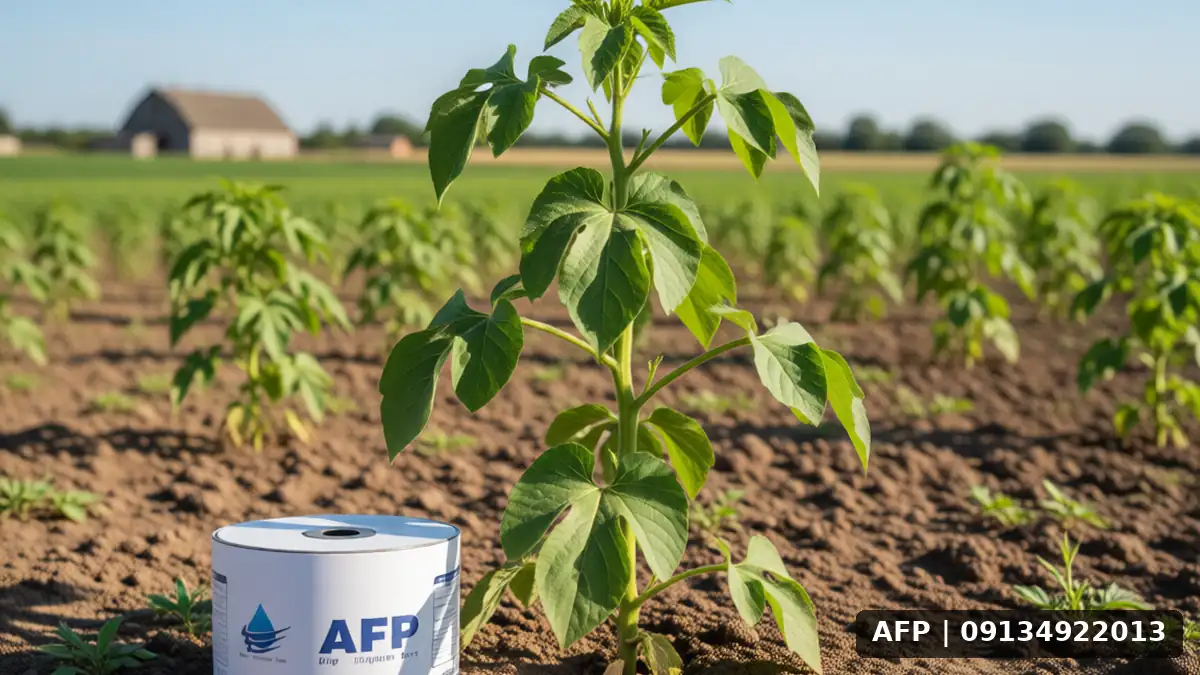
Soybean is a major oilseed crop in the agricultural industry that requires precise water resource management due to its high root sensitivity to drought and waterlogging conditions. In semi-arid and arid climates, the use of pressurized irrigation systems, specifically center pivot irrigation (which includes drip and tape systems), can optimize water use efficiency. However, the implementation of these systems in soybean farms is invariably accompanied by technical and operational challenges that, if not managed, can lead to yield reduction and even the loss of pressurization investment.
In this section, we focus on the key challenges that farmers and agricultural engineers face when transitioning from conventional furrow irrigation to pressurized irrigation in soybeans. Our goal is to provide an overview that covers technical aspects and offers practical solutions for overcoming these barriers.
Technical Challenges in Adapting Irrigation Systems to Local Soybean Conditions
Soybean Root Sensitivity to Sudden Moisture Fluctuations
Unlike some other crops, soybean roots are highly sensitive to severe soil moisture fluctuations. In drip systems, if the spacing between emitters exceeds the optimal distance, a dry zone forms around the main root, causing physiological stress. Conversely, in tape systems, if discharge is not uniformly distributed, alternating wet and dry zones form, disrupting uniform vegetative canopy growth. One of the main challenges is the precise adjustment of Root-Emberzone interaction The average penetration depth of water in drip irrigation systems should align with the soybean root depth during the vegetative and flowering stages.
Blocking of dripper holes with organic sediment
Irrigation with wastewater or at long intervals can promote microbial growth in drip lines. Soybean’s ability to fix nitrogen creates a favorable environment for certain bacteria, with feedback effects on the irrigation system. The deposition of silt in dripper holes is a recurring challenge that reduces discharge and leads to uneven water distribution. Managing incoming water quality and using multi-stage filtration is only a temporary fix; a more sustainable solution involves periodic system flushing with anti-silt solutions.
Economic and operational challenges
Upgrading drip irrigation systems involves significant initial costs. The main challenge for farmers is short-term return on investment. Soybean has a relatively short growth cycle, but if poor water management causes a 20 to 30 percent reduction in yield, operational costs in subsequent years will be significantly higher. Additionally, the need for skilled labor to troubleshoot drip systems over large areas presents another challenge. Many farmers overlook automatic systems due to installation and maintenance costs, but without automation, precise moisture control during critical flowering stages is virtually impossible.
One cost-reduction strategy is using standard-thickness polyethylene pipes with higher useful life. Pre-planting soil inspection is critical to ensure the proper functioning of drip systems in Field Inspection Guide It is explained in detail. This initial step prevents costly future failures.
Practical tips for overcoming challenges
- Planning based on growth stages: Irrigation during the vegetative stage should be lower than during flowering and podding. A uniform irrigation schedule for the entire season puts soybean roots under stress. It is essential to use moisture chambers or calculate the water balance using local data.
- Preventive maintenance of filters: Check screen filters before every major irrigation. Mud and sediment buildup causes increased pressure and the risk of drip line rupture. Add filter cleaning to your weekly routine.
- In-row crop management: In soybean, the row spacing is typically 35 to 45 cm. The drip line must be positioned exactly in the center of the planted row. Even a 5 cm deviation can create a dry zone at the main root. Precision in laying the drip line on sloped fields is a significant technical challenge that is Guide to seed rate and planting arrangement also addressed in its effects.
- Reduction of evaporation: In open drip systems, a significant portion of water evaporates before reaching the root zone. Using soil covers or appropriate herbicides in the early stages can increase irrigation efficiency.
Additionally, to optimize planting arrangement and density, which directly affects the pressure on the irrigation system, you can refer to Determining the appropriate seed rate per hectare for more information. Excessive density reduces the water available per plant and places stress on the irrigation system.
Frequently Asked Questions (FAQ)
Is tape line irrigation better than drip irrigation for soybean?
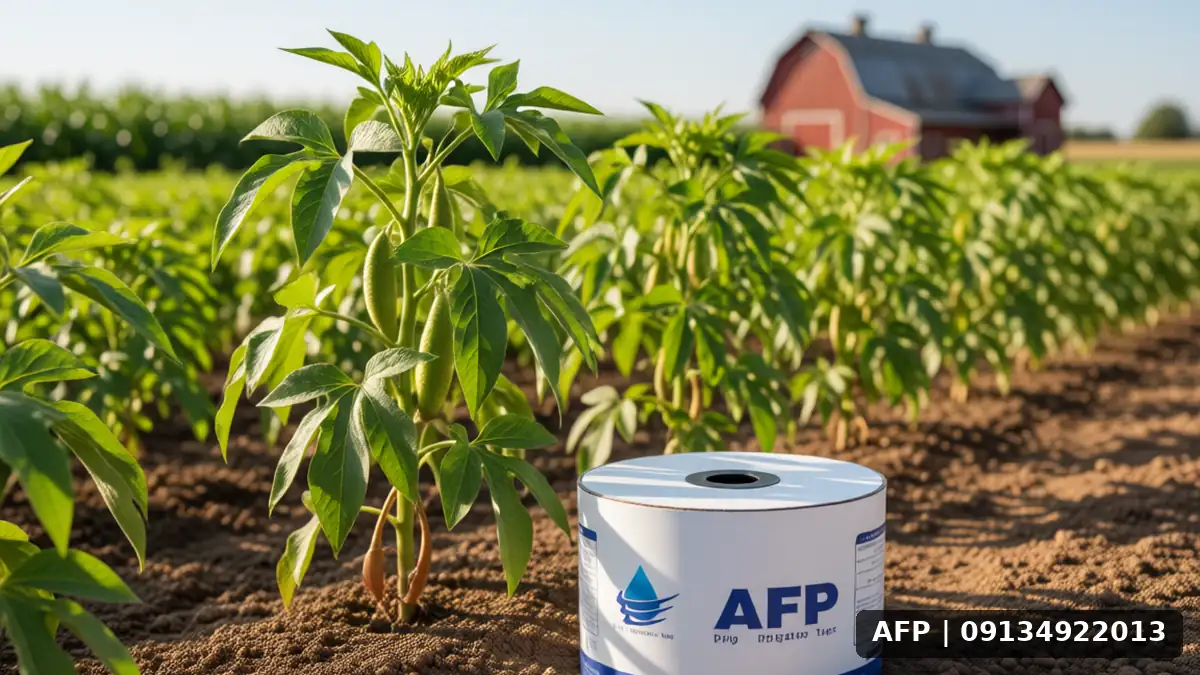
For soybean with standard planting spacing, tape line irrigation is often the first choice due to lower cost and adequate coverage of shallow roots. Drip irrigation is recommended when lateral spacing allows for wider distances or when precise water application to individual plants is required (e.g., during critical growth stages). The choice between these two systems should also be based on soil texture and field slope.
How to detect water stress in soybean roots?
Early signs include leaf rolling in the afternoon, reduced daily growth rate, and discoloration of older leaves. In severe conditions, flowers may drop. Installing soil moisture sensors at 15 and 30 cm depths is the best method for early detection. Soybean roots are typically active at depths less than 50 cm, so the infiltration depth of the irrigation system must match this depth.
When should a center pivot irrigation system be replaced?
Tape line irrigation typically lasts two to three years. Fixed drippers have a longer useful life, but if they become completely clogged, replacement is more appropriate. If dry zones appear consecutively along the tape line and chemical flushing cannot restore flow to normal levels, it is time to replace the tape. Replacing all tapes simultaneously is costly, but partial repairs usually do not provide the necessary efficiency.
Summary and outlook
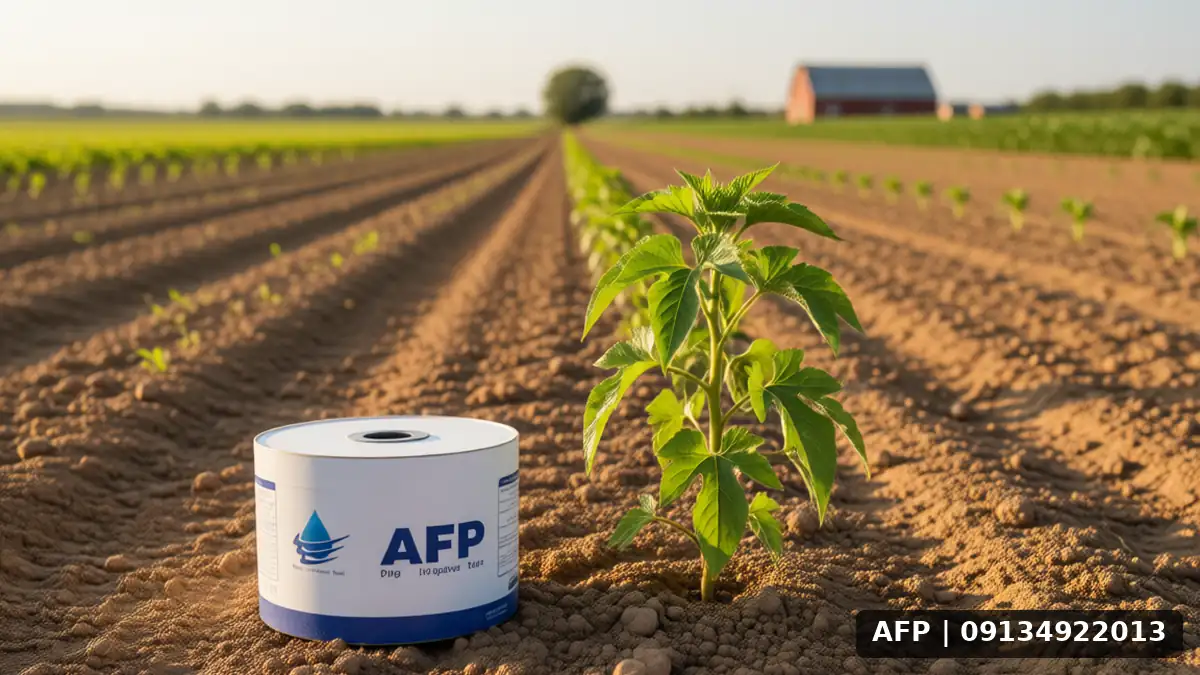
Implementation Center pivot irrigation In soybean cultivation, a combination of technical knowledge, resource management, and patience is required. Main challenges, including root sensitivity to water fluctuations, drip line clogging, and economic costs, can be managed through proper implementation. The key to success lies in understanding the staged water requirements of soybeans and precisely matching drip or tape systems to local conditions.
By employing simple techniques such as initial land inspection, proper filtration, and precise planning, additional costs and crop loss can be prevented. This approach not only increases efficiency but also contributes to long-term water resource sustainability. For additional information on appropriate seed layout, which affects water requirements, refer to the article on determining seed quantity so you can align density with the irrigation system.