Center Pivot Irrigation in Quinoa Cultivation: Prerequisites and Technical Principles
Introduction: The Importance of Centralized Irrigation in Quinoa
Due to its high root density and the need for uniform moisture distribution in the root zone, quinoa has become one of the crops highly sensitive to irrigation type and volume. Among various methods, Centralized irrigation plays a key role in reducing drought stress and enhancing nutrient uptake by focusing on more precise feeding of the areas adjacent to the main root. To successfully implement this method in quinoa cultivation, a correct understanding of the technical and environmental prerequisites is essential. These prerequisites include a precise understanding of soil behavior, drip line dimensions, and the type of dripper used. Centralized irrigation is a complex but customized approach that can significantly reduce production costs, provided that technical principles are followed. Therefore, in-depth knowledge of every component of this system, from the drip line to filtration, is of vital importance. The following section examines all technical and agronomic aspects of this method in detail to enable farmers to make better decisions for their cultivation.
Technical Prerequisites of the Drip Line and Dripper System
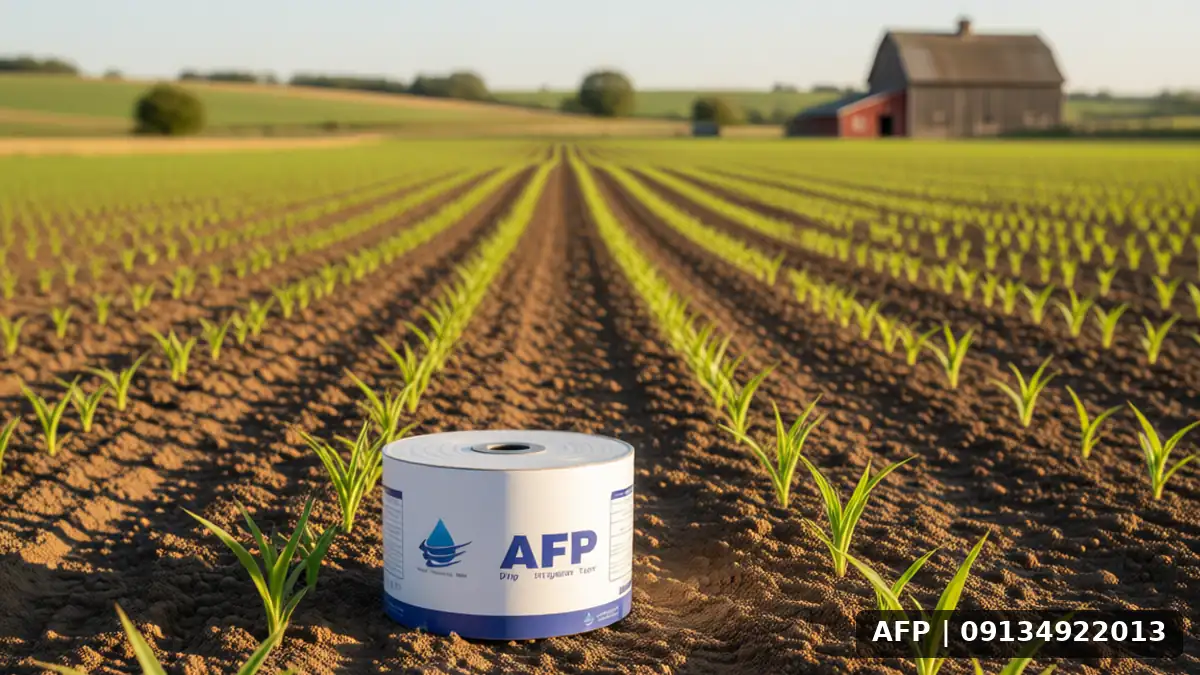
The first and most important prerequisite for centralized irrigation of quinoa is the correct selection of the main components of the irrigation system. Drip lines must be laid out so that the spacing between them is coordinated with the quinoa planting density. In cases where plate-taped drip lines are used, line adjustability and chemical stability over time are significantly improved. The type of dripper is also of high importance. The use of a photoelectric flow control unit integrated into a welded connector with plastic material In drip tapes, this ensures uniform flow and reduces clogging. This technical prerequisite requires a precise understanding of the required flow rate for quinoa plants at various growth stages. In the early germination stage, plants require lower moisture levels, which must be compensated for by precise system adjustment. Additionally, the quality and salinity of the input water can influence the selection of the drip tape type and the spacing between emitters. Therefore, conducting laboratory water tests before system installation is an unavoidable prerequisite.
Adjusting line spacing in central pivot irrigation
One of the main challenges in central pivot irrigation is determining the appropriate spacing between drip tapes. Line spacing must be such that the wetted zones from each tape cover the quinoa root zone without being disconnected or having excessive overlap with the adjacent tape. To better understand this topic, studying the conditions of the ‘Alai’ in the context of ‘Fay-e-arbail’ can be useful in analyzing irrigation flows and moisture distribution on a large scale. For quinoa, line spacing is usually set within specific ranges (e.g., 40 to 60 cm depending on the variety) to achieve maximum water use efficiency in the root zone. This spacing must also be adjusted according to soil type; in sandy soils with higher permeability, line spacing may be slightly wider to prevent waterlogging, whereas in clay soils, closer spacing is recommended. Additionally, the orientation of the drip tape layout relative to the local wind direction can affect the uniformity of moistening. Therefore, selecting the optimal layout direction requires high precision and experience.
Soil and agronomic prerequisites
Alongside equipment, identifying soil type is a critical prerequisite. In quinoa center-pivot irrigation, soil infiltration rate and water holding capacity determine the duration of each irrigation cycle and the interval between irrigations. Given that quinoa is a salt-sensitive crop, employing sub-surface irrigation as a complementary or alternative technique under certain soil conditions may be beneficial. Although our primary focus is on surface drip tape systems, understanding how center-pivot irrigation interacts with soil salinity dynamics is essential for predicting crop performance. Quinoa seed must also be sown at an appropriate density to ensure that inter-row spacing aligns with drip tape line spacing. Furthermore, pre-planting soil amendment with organic matter can improve soil structure and increase water retention capacity. These agricultural measures form the necessary foundation for successful center-pivot irrigation. Without a sound agricultural base, even the best equipment cannot achieve optimal results. Therefore, agricultural and irrigation planning must be conducted simultaneously and in coordination.
Practical tips for optimizing quinoa center-pivot irrigation
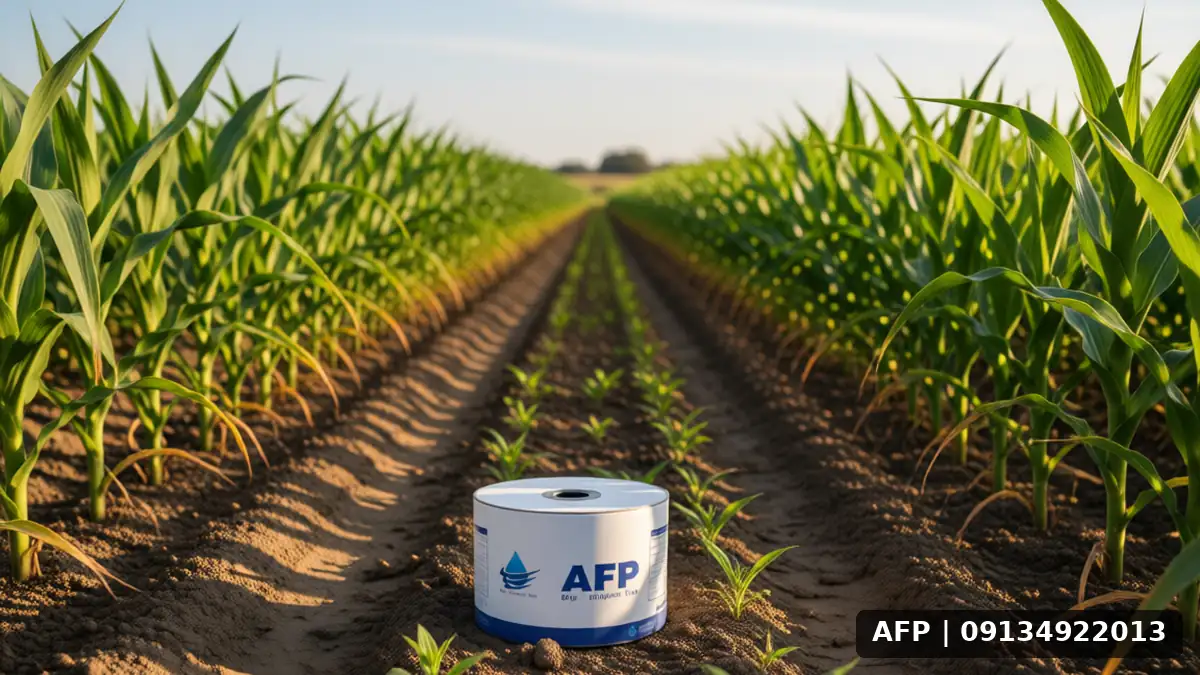
- Synchronization of sowing and drip tape layout: Before sowing, drip tape lines must be laid out with high precision, and quinoa seeds must be planted exactly on the centerline of the drip tape lines to ensure that the main root is in direct contact with the wetted zone. This precise alignment is key to increasing water use efficiency and reducing losses.
- Monitoring operating pressure: In drip systems, maintaining appropriate pressure throughout the entire length of the drip tape (especially at the end line) is critical for uniform discharge. Pressure fluctuations can cause central drying or central waterlogging. Using manifolds and pressure regulators can help maintain system stability.
- Calibration of drippers: It is recommended to use pressure-compensating (PC) drippers with a constant flow rate on steep slopes to prevent flow differences between the start and end of the line. This requires precise slope gradient calculations.
Additionally, attention to the condition of the main pipeline network and the input pressure to the system is another prerequisite; without it, even the best dripper settings will be ineffective. Regular filter maintenance and preventing suspended solids from entering the system are other critical considerations. Filter failure can cause dripper clogging and uneven irrigation. Therefore, a systematic maintenance schedule for all system components must be established and implemented. These measures not only increase the useful life of the system but also ensure consistent quinoa quality. In this regard, awareness of the conditions of Alay relating to Fe Arabili can help better understand environmental variables.
Frequently Asked Questions (FAQ)
Is drip irrigation suitable for quinoa in all climates?
Yes, provided that the drip lines and drippers are adapted to the local soil and water resource conditions. In very humid areas, it may be necessary to reduce line spacing or increase flow rates. In very dry areas, reinforcing the system with water storage reservoirs is recommended.
When is the best time to check for dripper clogging?
System health requires regular inspection. It is recommended to open sample drippers at the end of the line after every 3 to 5 irrigation sessions to check for sediment buildup or dripper blockages. This should be done during low-load periods of the system.
Can subsurface irrigation systems be used for quinoa pivot irrigation?
Yes, using subsurface irrigation in some dry climates is considered an advanced and effective option for reducing direct evaporation and maintaining root zone moisture. However, it has a higher initial cost and requires greater expertise in installation.
Conclusion
Pivot irrigation in quinoa cultivation is a precise and engineered approach, with prerequisites including the correct selection of drip tape, high-quality emitters, precise adjustment of line spacing, and consideration of soil conditions. By adhering to these prerequisites, farmers can reduce production costs and increase quinoa yields through optimal water management. Successful implementation of this method requires continuous monitoring of system pressure and periodic calibration of emitters to prevent damage from localized drought or waterlogging. Ultimately, considering available water resources and maintenance costs, alongside agronomic benefits, are factors that must be accounted for in the final decision. For more information on equipment, refer to the 20 cm drip tape pricing guide which can be useful.
Related articles: Drip and tape line systems for quinoa cultivation and rye seed rate per hectare: A comprehensive guide for farmers Drip irrigation tape D981D98A Erbil, Everything about the benefits of flagged drip tape