Center Pivot Irrigation in Pepper Cultivation: Comparative Analysis
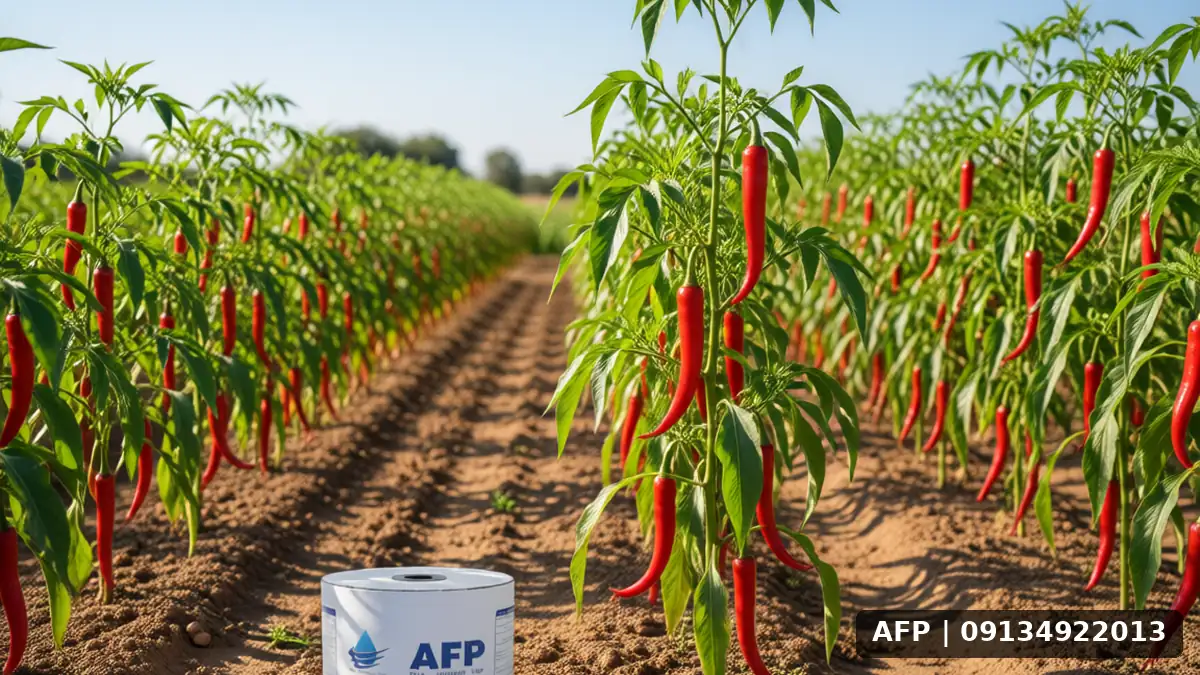
Introduction to the importance of core irrigation in pepper production
Pepper is a moisture-sensitive crop where precise water management plays a decisive role in fruit quality and final yield. Core irrigation for pepper This means targeted water delivery to the root zone rather than saturating the entire soil. This approach not only reduces evaporation and water loss but also encourages roots to grow toward the moisture. In this guide, we compare different methods so you can make decisions based on your farm’s conditions. Core irrigation, by creating an alternating moisture pattern, causes lateral roots to form around the water lines and prevents irregular root distribution in inactive depths. This mechanism is vital because, during droughts or extreme heat, plants with active roots in the water-covered zone respond more quickly to water stress and maintain their photosynthetic performance. Therefore, choosing the right core method is the first step toward a sustainable and profitable crop.
Technical analysis of irrigation methods in pepper cultivation
Drip and trickle line irrigation
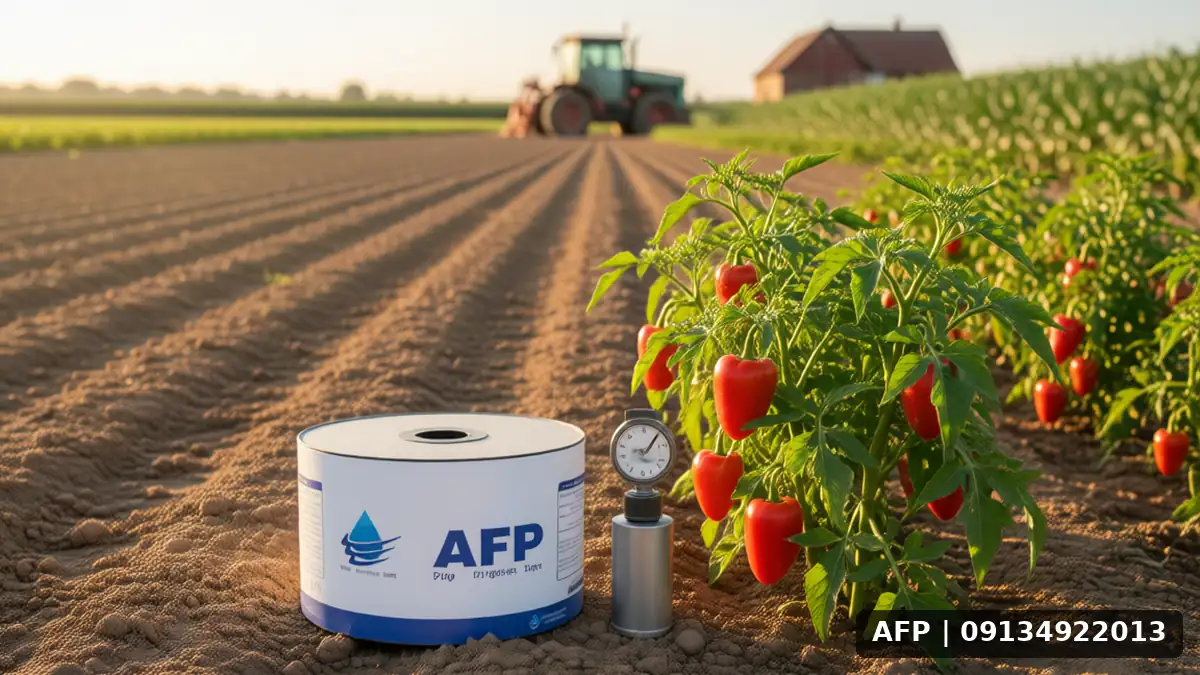
The most common systems available are drip and trickle line. In the system Selecting the right trickle line Particular attention must be paid to the spacing between tape lines and the emitter discharge rate. For paprika, balancing water infiltration depth with surface spread is critical. Tubular tape systems are generally preferred for open-field or low-space greenhouse crops, as they offer faster installation and lower initial costs compared to individual emitters. However, individual emitters provide greater flexibility in network design, making it easier to relocate plants or adjust field dimensions. When correctly designed, both methods can confine the wet zone to the main root zone. A key design consideration is calculating the discharge rate; if the rate exceeds the soil infiltration capacity, surface runoff occurs, causing leaching of nutrients into soil layers deeper than the root zone. Therefore, the choice between tape and emitters must align with soil texture (sandy, loamy, or clayey) to ensure the discharge rate fully matches the soil infiltration rate.
Comparison with flood and sprinkler irrigation
Although core irrigation has replaced traditional methods, understanding the differences is helpful. Flood irrigation leads to long-term soil salinization and root fungal diseases. Sprinkler irrigation also results in water spraying on paprika leaves, which increases the risk of Downy Mildew and powdery mildew. Therefore, core systems like drip irrigation, which keep the soil surface dry while moistening the roots, are the best choice for maintaining plant health. For similar crops requiring root management, refer to Comprehensive Tomato Trellising Guide It can also be beneficial because both crops have a similar growth structure and show compatibility in root requirements. In fact, many of the principles applied for managing tomato branch growth and controlling ambient humidity directly reduce root stress in peppers. Furthermore, in greenhouses, combining central irrigation with appropriate ventilation systems prevents the formation of fine fog on leaves and significantly reduces disease pressure. This integrated approach to managing water and air humidity is the key to success in modern greenhouse cultivation.
Practical tips for optimizing central irrigation
For successful implementation of central irrigation in peppersobserving the following points is essential. Since peppers require continuous chemical nutrition, combining irrigation with foliar feeding or fertigation systems doubles the efficiency. Salinity and EC management of the nutrient solution are other major challenges; because the reduced water volume compared to conventional methods increases the risk of salt accumulation around the roots. To compensate for this issue, root leaching cycles must be scheduled so that accumulated salts are flushed out of the soil profile by water flow.
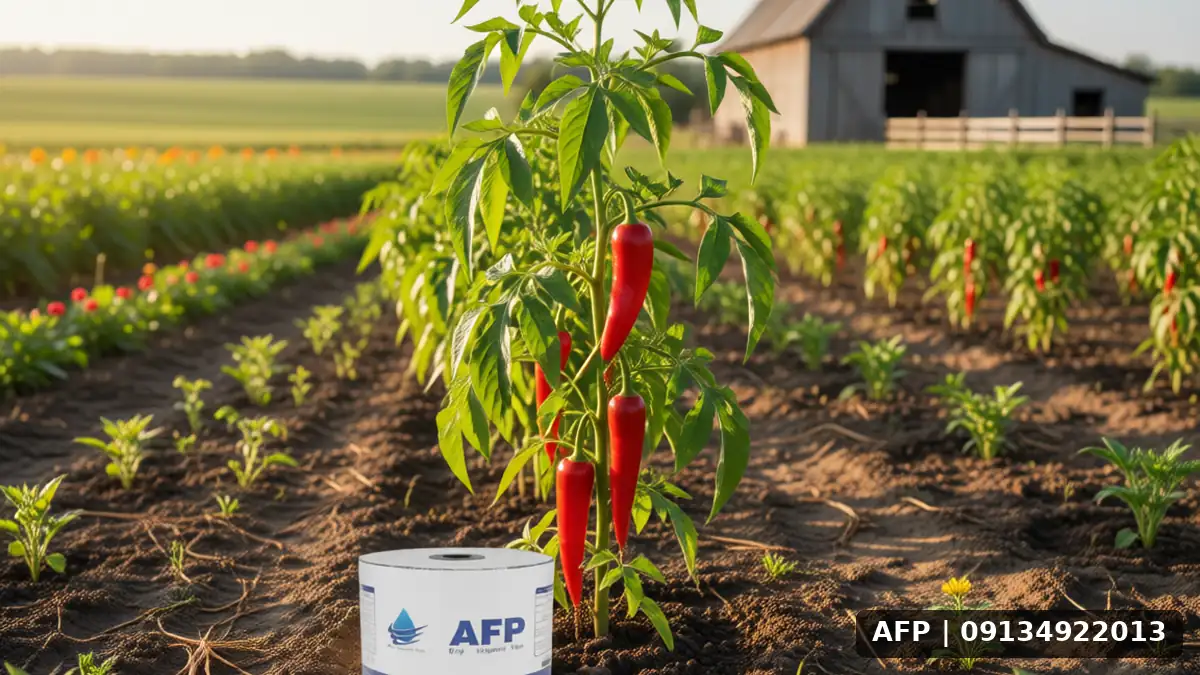
- Time scheduling: Perform irrigation during the cooler hours of the day (dawn or dusk) to reduce evaporation.
- Rooting depth: Prevent the horizontal spreading of water into deeper layers; active pepper roots are typically located within the top 40 cm of soil.
- Salinity monitoring: Since water confined to the root zone does not facilitate salt leaching, a deep soil flushing must be performed every few weeks.
- Seed quality and planting assessment: The quality of the initial plant material significantly affects the response to irrigation. To understand the planting principles of other crops that compete with peppers for resources, you can refer to the article Green bean seed rate per hectare to gain a better understanding of planting density management. Excessive planting density can lead to intense root competition for moisture constrained by the localized system, ultimately impacting fruit weight.
Impact on Final Crop Yield
Proper moisture management directly affects fruit weight and flavor. Mild water stress can increase dry matter concentration, but severe stress causes twig breakage and flower drop. In tropical regions such as Iraq, where paprika has become a key crop, using drip systems to maintain paprika yield in Iraq becomes doubly important. In these areas, reducing water loss through subsurface lines or standard tapes is critical. Also, comparison with other crops like white bean seed quantity shows that even for legumes, pivot irrigation is effective in reducing costs. Understanding the water requirement differences between cereal crops and vegetables helps farmers adjust the irrigation system to avoid harming any plant if intercropping is practiced. Smart water management goes beyond conservation by directly enhancing commercial quality and storability of paprika. Fruits under controlled water stress have thicker skins and suffer less damage during transportation, providing direct added value for farmers. Additionally, stable production throughout the season requires precise monitoring of fluid pressure to ensure emitter flow rates do not decrease on the hot days of peak season.
Frequently Asked Questions (FAQ)
Is drip irrigation different for greenhouse paprika compared to open-field cultivation?
Yes. In greenhouses, air humidity control is more critical, and you may need increased water distribution to manage soil salinity in closed-loop systems. In open fields, deeper percolation is the priority.
How often should paprika be irrigated?
This depends on temperature and soil type, but generally 2 to 3 applications per day with short doses are essential to prevent root desiccation. Using soil moisture sensors can provide more precise scheduling.
Can I apply fertilizer solution simultaneously with irrigation?
Yes, this process is called Fertigation, and it maximizes nitrogen and potassium uptake efficiency in paprika. For a better understanding of vegetable crop growth management, see the article White bean seed rate per hectare may provide additional insights on soil telemetry and need assessment. Also, review Mirtza yield per hectare It can give you a clear overview of the yield differences between various crops, allowing you to set your irrigation priorities accordingly.
Conclusion and Final Recommendations
System Selection Poppy irrigation Selection should not be based solely on initial cost, but on long-term yield and product quality. Drip and tape systems are the best options for modern farms when combined with precise temporal and chemical planning. We recommend performing soil and climate analysis for your region before purchasing equipment. Remember that water management is the foundation of all profitability in vegetable cultivation. Utilizing new technologies, such as automated control based on weather data, is a forward-thinking step to reduce human error and ensure product quality. By following the principles outlined in this article, you can minimize water consumption while maximizing farm yield. Caring for the roots is caring for the future of your agricultural business.