Center Pivot Irrigation in Mung Bean Cultivation: Benefits and Practical Tips for Maximizing Yields
Introduction: Why is central irrigation critical for pigeon pea?
Pigeon pea is one of the most important legumes grown in Iran’s warm and dry climates. Although this plant is moderately drought-tolerant, achieving maximum yield and uniform grain development requires precise management of water resources. In recent years, the shift from conventional irrigation to modern methods such as central irrigation and furrow irrigation has fundamentally changed the economics of pigeon pea cultivation. Central irrigation in pigeon pea refers to the steady supply of water to the root zone and the reduction of evaporation from the soil surface, which directly impacts the final quality of the crop.
The use of modern irrigation value systems frees farmers from the high costs of water and energy. In this section of the article, we examine the technical and economic dimensions of this method to help you understand why it is so popular among model farms.
h2>What does central irrigation mean in pigeon pea cultivation?
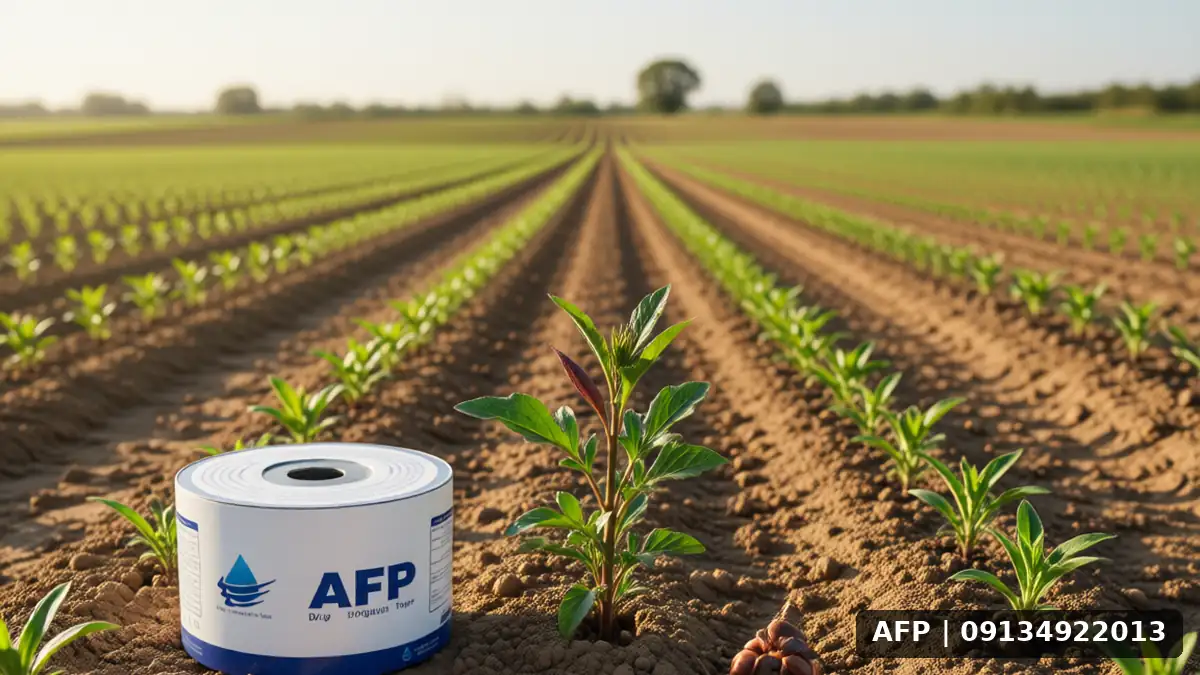
Central irrigation in pigeon pea cultivation is a method where water is delivered directly to the plant’s root zone at predetermined time intervals. Unlike spray irrigation, where water is applied from above, this method uses furrows or drip lines placed sub-surface or above the bed on the planting surface. This mechanism ensures that soil moisture is maintained at root depth, allowing the pigeon pea plant to channel its energy toward stem growth and pollination rather than merely surviving dry conditions.
One of the main differences between this method and traditional approaches is the uniformity of water distribution. In pigeon pea, pollination and grain filling (Pode-Filling) are critical stages that require consistent moisture. Central irrigation meets this requirement precisely.
Key Advantages of Center Pivot Irrigation in Mung Bean (Vigna radiata)
- Reduction in Water Consumption: 35 to 45 percent less than conventional irrigation.
- Increase in Grain Yield: By reducing moisture stress, grain fill within the pod is improved.
- Improved Weed Control: By moistening only the root zone, weed growth area is reduced.
- Reduction in Labor Costs: Fewer and more controllable irrigation cycles.
The impact of central irrigation on plant growth and mung bean yield
Mung bean is a crop whose growth is divided into vegetative and reproductive stages. In central irrigation, roots are placed in an environment with more stable oxygen levels and balanced moisture. This leads to a better root structure, which directly increases nutrient uptake. When the root system is strong, the root zone develops more effectively, and the plant gains a higher capacity to absorb nitrogen and potassium, both of which are vital for mung bean seed filling.
Additionally, central irrigation reduces the incidence of root fungal diseases, which are highly prevalent under conventional irrigation and flooding conditions. Root health means a healthier plant and a crop free from sunscald and spotting.
For a better understanding of consumption levels, you can refer to Yield of substance per hectare other native plants. Although mung beans have different varieties, the principle of moisture control is common to all of them.
Soil improvement and temperature uniformity
Heavy soils found in some mung bean cultivation regions are prone to compaction and reduced porosity under conventional irrigation. Subsurface drip irrigation (SDI) with a gentle water flow prevents soil crusting and preserves porosity. This is particularly important for mung bean plants, which require good drainage. Additionally, soil temperature in the root zone is more stable under SDI, preventing heat shock caused by daily and nocturnal temperature fluctuations.
Practical execution points: Common challenges and solutions
The successful implementation of subsurface drip irrigation (SDI) for mung bean cultivation requires careful installation and setup. Many farmers have reverted to conventional methods after unsuccessful attempts, although the issue was often with initial configurations.
Selecting the appropriate drip tape
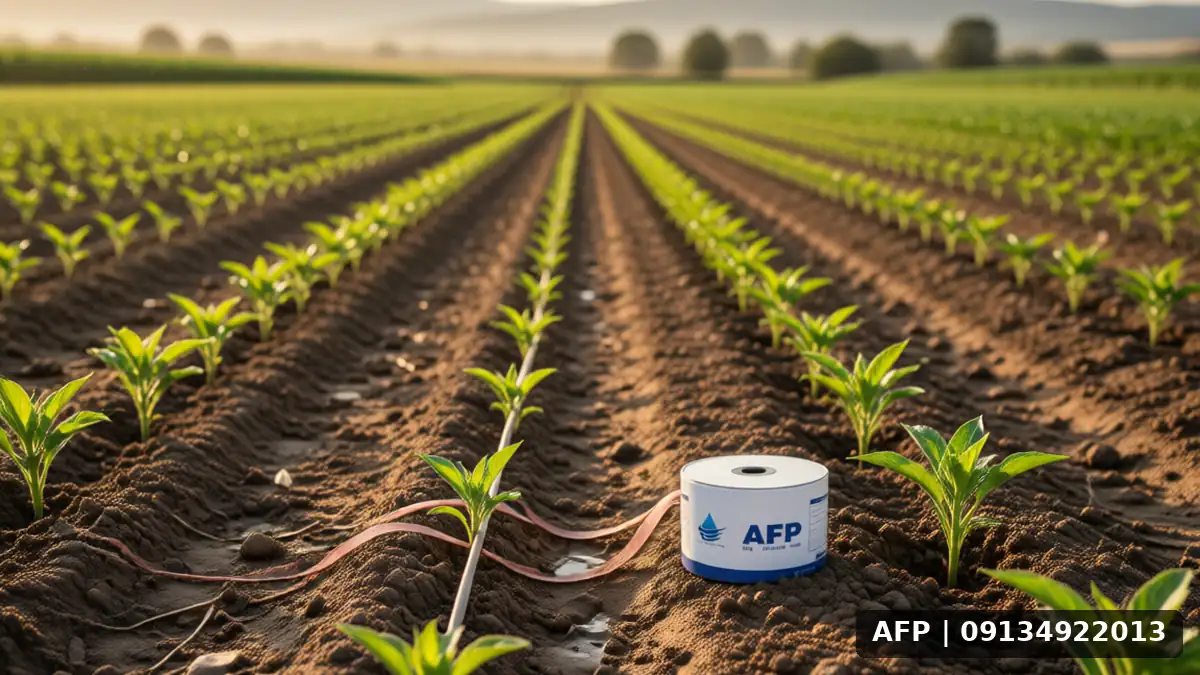
Drip tape is a device that distributes water in a narrow strip on the soil surface or beneath it. For mung beans, the spacing between tapes must align with the planting distance. If using area connection methods for drip tape, ensure you use high-quality polyethylene that is resistant to UV radiation. Low-quality tapes will develop pinholes and non-uniform leakage within a few seasons.
Number of sets and irrigation scheduling
- Nursing stage: Due to high sensitivity, short and frequent irrigation (every 2 to 3 days) is recommended.
- Vegetative stage: As temperature and growth rate increase, the interval between irrigations extends to 4 to 5 days.
- Flowering and grain-filling stage: This is the most critical stage. Water deficiency at this time leads to partially filled and low-quality grains. Regular irrigation must continue without interruption.
Intercropping and weed management
Mung bean is sometimes intercropped with other crops. In this case, managing drip lines becomes more challenging. It is recommended to use proper bed formation to prevent plant smothering. Additionally, considering Types of irrigation systems For intercropping systems, a more detailed analysis is required.
Economic analysis: Balance versus initial costs
One frequently asked question is whether the setup cost of a drip line system is recoverable. The short answer is yes, but it requires a long-term perspective. Given the reduction in water and labor usage, and the increase in grain yield, the return on investment is typically achieved within 2 to 3 growing seasons.
Furthermore, using conditions with edge contradictions (meaning adherence to irrigation engineering principles) helps avoid the recurring repair and replacement costs associated with low-cost systems. Standard drip lines have a longer service life.
Review of seed rate and planting density
The duration and depth of mung bean planting directly affect irrigation requirements. If you have a high planting density (for example, due to the use of early-maturing varieties), the pressure on the irrigation system increases. In this case, Seed amount per hectare This must be coordinated with the water line capacity to prevent pressure drop at the end of the plot.
Frequently Asked Questions (FAQ) About Mung Bean Irrigation
Is drip tape better than drip emitters for mung beans?
The answer depends on the soil type. In sandy and light soils, drip tape performs better because it distributes water more quickly and prevents it from draining into adjacent areas. In clayey and heavy soils, subsurface drip emitters may be a better option to prevent water from pooling on the surface.
What is the initial installation cost of the system?
Costs vary based on land area, soil type, and pipe quality. However, when calculating water and labor savings, it generally yields a positive economic return. It is advisable to consult with technical specialists for line design to avoid unnecessary costs.
How should nitrogen be injected through the drip system?
Fertilizer injection (fertigation) is a major advantage of center pivot irrigation. Nitrogen should be injected into the water in solution at low concentrations and multiple times. This practice enhances nutrient uptake and reduces leaching from the soil.
Summary: The Future of Mung Bean Cultivation with Smart Water Management
Center pivot irrigation for mung bean cultivation is no longer a luxury option; it is a necessary solution for survival under water scarcity conditions. The benefits of this method range from reducing operational costs to improving seed quality and soil health. Farmers who upgrade their irrigation systems to tape or drip lines today not only produce more yield but also build a more sustainable farm that is more resilient to climate change.
It is recommended to review technical checklists before the start of the planting season and ensure that all connections and channels are in good condition. Further learning about other variables such as Red Kidney Bean Seed Rate per Hectare and other pulses can help improve the understanding of mixed-crop farm management, even if your main focus is mung beans.