Center Pivot Irrigation in Green Onion Cultivation: Challenges and Expert Solutions
Introduction: The Importance of Precise Water Management in Celery Cultivation
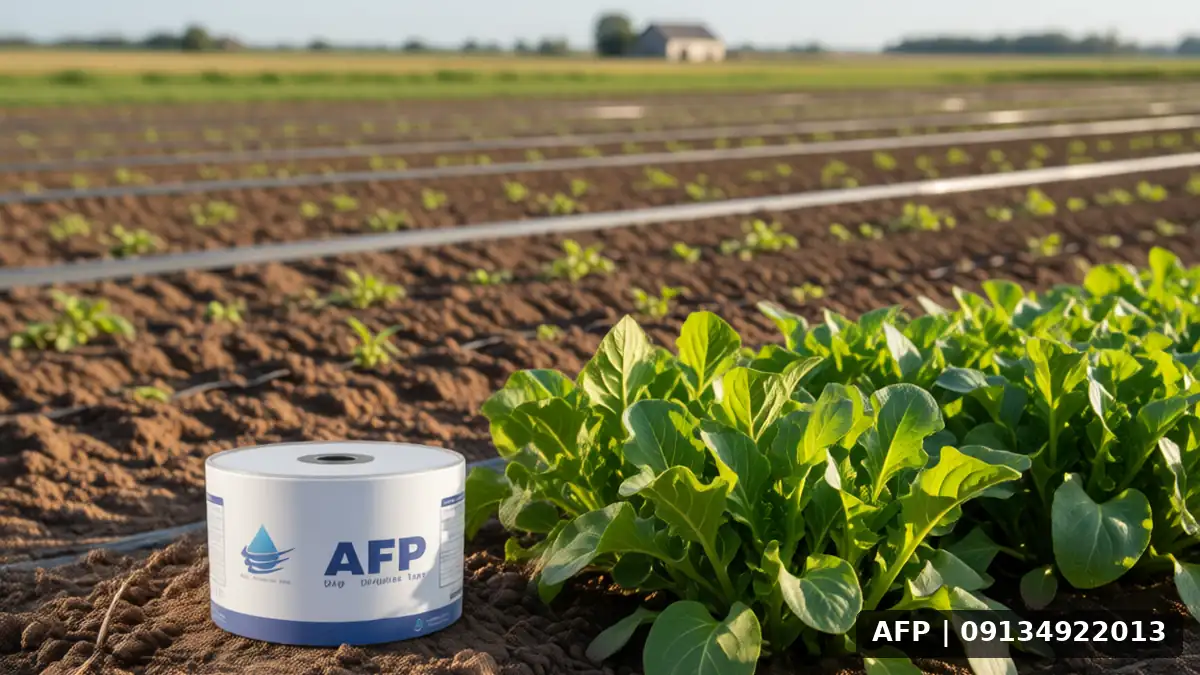
Celery is one of the most important vegetables cultivated in various regions and exhibits high sensitivity to soil moisture conditions. With its delicate and shallow root system, this crop requires regular but controlled irrigation to prevent fruit drop and fungal growth. While central pivot irrigation systems in celery fields are recognized as a modern and cost-effective solution, they come with specific technical and management challenges. The following section examines these key challenges and mitigation strategies. A deep understanding of the root requirements of this vegetable is the first step toward selecting the appropriate irrigation system. Unlike many ornamental plants or fruit trees, celery has a short growth cycle and high water consumption during the head-firming stage. Consequently, any irregularity in water distribution can directly impact the final product quality. Central systems, which distribute water radially around a central point, can be a suitable alternative under certain conditions; however, it is important to note that these systems are primarily designed for trees. Their use in high-density vegetable fields such as celery requires much more precise adjustments. This article aims to bridge the gap between irrigation theory and daily farm operations by relying on field data and expert experience.
Technical Challenges in Implementing Central Pivot Irrigation for Celery
Non-uniform water distribution around bushes
One of the major challenges of center pivot irrigation systems in broccoli cultivation is the asymmetric distribution of water in the plant root zones. Due to the lateral growth of roots, this crop requires dispersed irrigation, which sometimes cannot be adequately covered by the system’s effective diameter. This unevenness can lead to relative dryness in parts of the soil and a reduction in stalk quality. In fact, the water distribution pattern in pivot sprinklers places the highest moisture level within a radius of 50 to 70 centimeters from the center, whereas the spacing between broccoli plants is usually less than this amount. As a result, some areas of the soil remain completely dry while others are saturated. To address this issue, the selection of the appropriate sprinkler diameter and the number of sprinklers per plant must be done with great precision. Using multiple sprinklers at spherical intervals from the plant can help improve the overlap of the irrigation pattern. Additionally, adjusting the output pressure of the sprinklers to prevent excessive spray upward or downward is important. If the pressure is too high, water droplets hit the soil at higher speeds, increasing surface erosion, which in turn degrades soil structure and reduces permeability. Therefore, precise engineering of the water distribution radius is the key to success in this regard.
Interference with drainage management
Pivot sprinklers located near the root zone can cause aeration issues and reduce oxygen supply to the roots. This problem is exacerbated in heavy soils, leading to root rot and reduced nutrient uptake. Furthermore, drainage management in asparagus fields must be handled with high precision to prevent repeated waterlogging. Loam or clay soils, which are common in many vegetable-growing regions, have high moisture retention capacity but low permeability. In such conditions, pivot irrigation, which introduces a significant volume of water into a focused area, can rapidly reach saturation in that specific zone. This temporary saturation forces air bubbles out from between soil aggregates and places stress on the root anatomy. Roots require oxygen to emit new root growth; a shortage of this gas stops the growth process and makes the plant vulnerable to fungal and bacterial pathogens. Therefore, assessing the physical properties of the soil before installing the system is essential. If necessary, creating vertical or horizontal drainage ditches can help remove excess water quickly. Additionally, when roots are completely submerged in nutrient solution, the risk of oxygen deficiency becomes more acute. Regular monitoring of dissolved oxygen status in the soil (for advanced farms) or visual inspection of roots in test pits can reveal early signs of rot. Drainage management should not be viewed separately from irrigation management; these two processes are interwoven and must be planned in an integrated manner. Neglecting drainage leads to the accumulation of salts in surface layers, which is highly detrimental to the sensitive asparagus plant.
Operational and Maintenance Challenges
- Sprinkler clogging: Despite the small diameter of solid stream nozzles, sedimentation of nutrient materials and inline deposits is common. This clogging negatively affects irrigation uniformity and increases the need for regular system flushing. Clogging can result from depositing minerals such as calcium and magnesium, chlorides, or organic sediments. Surface foams, often observed in rainwater sources, can also block nozzle openings. To prevent this, using appropriate filters and injecting chemicals to inhibit deposit formation is essential. Flushing should be performed at the beginning and end of each irrigation cycle to prevent suspended particles from reaching the nozzles. Additionally, line pressure should not be applied to clogged nozzles, as this causes breakage. Monitoring the flow rate from each nozzle can indicate the clogging status.
- High energy consumption in the warm season: Solid stream systems generally require appropriate pressure. In areas with high water demand, the increased pump load leads to higher operational costs. At the peak of summer, when plant transpiration is highest, the required flow rate increases. Solid stream systems, which often operate with multi-stream or radial nozzles, have higher hydraulic resistance than simple drip emitters. This resistance requires pumps to generate higher pressure. Electricity costs for pumping under these conditions can be significant. Optimizing the irrigation schedule (such as watering in the late night hours) can reduce energy costs and increase water efficiency by reducing evaporation. Additionally, checking pump efficiency and performing periodic maintenance to prevent energy waste is vital. Using high-efficiency pumps and variable frequency drives (VFD) can help match pressure to the system’s actual requirements.
- Degradation of plastic risers: Prolonged exposure to wet and moist soil reduces the service life of pivot risers. In adverse conditions, improper flushing can cause physical damage to risers. Many risers are made of polyethylene (PE) or other plastics that are susceptible to degradation when exposed to direct sunlight and strong chemicals. Although these risers are buried underground and protected from UV radiation, long-term contact with plant roots and soil organisms such as large burrows and gophers can create small holes. These holes cause water leaks and reduced pressure at the far end of the system. Additionally, the use of concentrated chemicals near the risers may soften and chemically degrade the riser body. Selecting pressure- and chemical-resistant risers, and maintaining the main lines to prevent scratching, are important maintenance considerations. In recent years, the use of risers with longer service life and higher resistance to harsh environmental conditions has been recommended.
Practical Tips for Optimal Center Pivot Irrigation Management
- Optimization of radius: The sprinkler system radius must be adjusted based on the asparagus root depth (typically 20 to 30 cm). Using high-coverage sprinklers ensures more uniform moisture distribution. Asparagus roots are not deep, with most activity occurring in the top 30 cm of soil. Therefore, central sprinklers should be installed so that the water spray focuses vertically within this specific zone. Sprinklers that distribute water within a defined radius or buried lateral sprinklers are often better choices, depending on soil type and local climate. Sprinkler spray angle is also critical; steeper angles cause wider water dispersion, which is useful for covering larger containers but may cause waterlogging between rows in dense field plantings.
- Integration with linear drip irrigation: In certain combination systems, using tape drip alongside central sprinklers can improve distribution. Reviewing tape drip installation steps helps ensure proper setup of these systems. Combination systems are most effective when broad surface coverage is required. Tape drip can provide uniform watering to the main root zone along the length of the row, while central sprinklers, placed at specific intervals, deliver moisture at various depths or target specific soil layers. This layered approach ensures that all active root depths receive irrigation. Of course, designing such a system requires precise hydraulic calculations to ensure that both the tape drip and central sprinklers operate at compatible pressures simultaneously.
- Use of dual filtration: Installing a dual-layer filter (disk and mesh) on the inlet line significantly reduces the risk of lateral clogging. This component of system maintenance is critical. Water sources vary in contamination profiles; well water may contain mineral sediment, while surface water may contain organic particles and algae. Disk filters remove suspended particles, and metal mesh traps finer sediment. In some cases, installing a double disk filter or a chemical treatment unit is also recommended. Filters must be cleaned and inspected every 3 to 6 months to prevent pressure drop at the system inlet.
- Soil moisture monitoring: Using precise soil moisture sensors allows for accurate determination of irrigation timing and volume, preventing over-irrigation. Tension (tip) moisture sensors or digital sensors can provide real-time data on root-zone conditions. This data enables the farmer to adjust the irrigation schedule based on actual plant needs rather than a fixed calendar. This is particularly critical during the late growth stage of asparagus, when stem shedding begins, as precise moisture control is vital to prevent spear rot. Gradually reducing moisture in the final weeks before harvest can improve the storage quality of asparagus spears.
Impact on yield and crop quality
Inadequate irrigation management in asparagus cultivation directly affects spear weight and quality. Under-irrigation causes spear stress, while over-irrigation leads to early fruit drop and increased susceptibility to fungal diseases. To address these challenges, understanding the performance dynamics of drip line irrigation is beneficial as a comparable model, since both systems operate on similar water distribution principles. Furthermore, understanding Maintenance costs for drip irrigation tape This can be helpful in financial planning for combined systems. Asparagus quality is directly dependent on moisture uniformity. Stalks that experience heterogeneous moisture conditions exhibit irregular growth and may lack the required uniformity in size and color. This inconsistency affects product pricing in the market. Furthermore, water management influences the amount of fertilizer the root zone can absorb. If moisture is low, the concentration of the nutrient solution in the root zone increases, which may cause root salinity burn. Conversely, excessive moisture dilutes the solution, reducing fertilizer efficiency. Therefore, the balance among water, fertilizer, and root oxygen is key to high-quality asparagus. Central pivot irrigation systems must be designed to maintain this balance. For example, using high-concentration nutrient solutions at low irrigation flow rates can be an effective strategy for reducing root-zone salinity.
Frequently Asked Questions (FAQ)
Can central pivot irrigation systems be used on small asparagus farms?
Yes, pivot systems perform well on small and medium scales. However, for larger farms, combining them with linear drip systems is more logical in terms of cost and efficiency. On small farms, more manual system management is feasible, and initial investment appears less significant. As the cultivated area increases, the design complexity and maintenance costs of pivot systems grow. Linear systems, such as drip tape, are preferred at large scales due to more uniform distribution and lower total cost per hectare.
What is the best time to install central pivot sprinklers for asparagus?
Installation must be completed below the soil surface prior to planting to prevent interference with the seeding process and initial plant establishment. Additionally, the soil must be prepared and chemically amended before installation to ensure an appropriate pH for root development. Installing the system during the vegetative season may damage developing roots or disrupt soil cover over roots if machinery is used. Therefore, early planning for irrigation is an integral part of field preparation for asparagus cultivation. Timely installation ensures the system is ready for operation on the first day of planting.
Is drip irrigation alone sufficient for asparagus nutrition?
No. Asparagus requires regular nutrition. The drip system can be used as part of a nutrient solution delivery system, but a regular fertilization schedule is required. Fertigation (fertilizer application through irrigation lines) is only effective with proper planning. Asparagus is highly sensitive to calcium, magnesium, iron, and copper. Deficiencies in these elements show specific symptoms such as leaf tip burn or yellowing of new leaves. Regular monitoring of leaves and soil is essential for early detection of deficiencies. Additionally, some elements such as boron and zinc are toxic at high concentrations, making precise dosing based on soil and leaf analyses critical. Combining the drip irrigation system with a precise fertilization schedule is key to the economic performance of the crop.
Conclusion
Center pivot irrigation in celery cultivation is a powerful tool but comes with inherent challenges. Success with this method requires precise knowledge of the crop, rigorous technical management of the systems, and continuous monitoring of soil moisture. By considering drip irrigation in water-scarce regions as a similar model, one can gain a better understanding of water resource management under difficult conditions. The final recommendation is to intelligently combine center pivot and linear systems and, where possible, refer to more specialized resources such as the Greenhouse Strip Irrigation Manual to continue improving your system’s quality. This combined approach is the best path for reducing costs and increasing celery yield. Additionally, paying attention to water-scarce conditions in arid regions can provide broader insights for farms in similar areas. Furthermore, studies related to executed thicknesses of the Tephra strip are recommended for a better understanding of surface flow dynamics. Proper implementation of this guide can lead to long-term economic and ecological sustainability of celery farms.