Center Pivot Irrigation for Garlic Farming: Benefits, Practical Tips, and Comprehensive Guide
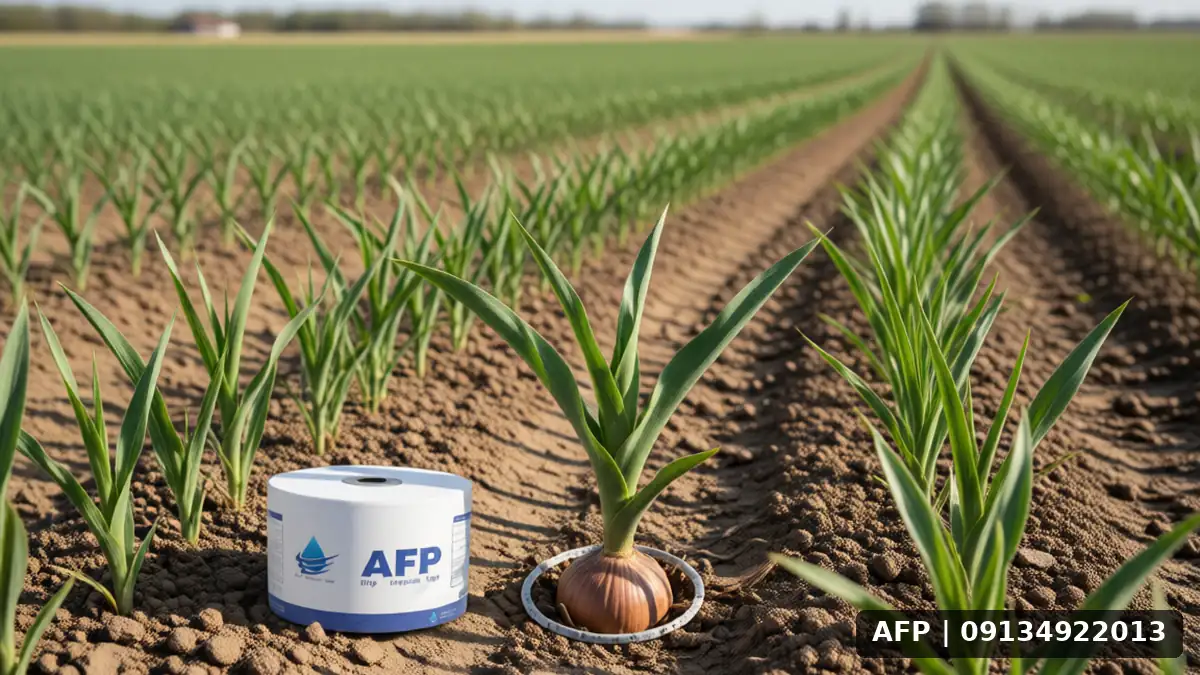
Nigella (Nigella sativa) is a high-value crop in the medicinal and industrial plant groups, with strong demand in both domestic and export markets. A primary challenge in cultivating this plant is optimal water management. Under Iran’s climatic conditions, employing precise and low-consumption irrigation systems can make a significant difference in crop yield and quality. Here, we focus on center-pivot irrigation and its role in improving the efficiency of Nigella cultivation. This method not only helps preserve water resources but also reduces physiological stress on the plant, directly affecting the final quantity and quality of the crop. To succeed in this path, farmers need a deep understanding of the relationship between water application rates, plant growth stages, and specific soil conditions in the cultivation area.
What is center-pivot irrigation and how does it relate to Nigella?
Center-pivot irrigation is an advanced drip irrigation method where the system delivers water directly and centrally to the plant’s root zone using plastic tapes or drip pipes. This method is particularly suitable for plants with dense planting distances or those requiring uniform moisture. In Nigella cultivation, which is typically planted in rows, center-pivot irrigation enables more precise water distribution and prevents the waste of vital resources. Unlike sprinkler irrigation, which leads to evaporation and nutrient leaching, this system maintains a stable root zone soil temperature, which is critical for Nigella’s heat sensitivity during warm seasons. Additionally, this method increases the space between rows for natural drainage and soil aeration.
To better understand the necessary infrastructure, study the components of drip irrigation tape systems This can be beneficial. These components include pressure regulators, filters, sprinklers, and the drip lines themselves, all of which play an essential role in the system’s proper operation. Selecting the appropriate drip line with the correct diameter and flow rate is the first step in designing an efficient system, which must be chosen according to the leek’s root depth and the soil type.
Key benefits of center-pivot irrigation in leek cultivation
Using center-pivot irrigation in leek cultivation offers numerous benefits, the most important of which are discussed below. These benefits are not limited to water conservation but also include improved plant health and increased economic efficiency.
1. Water conservation
Center-pivot irrigation uses only 30 to 50 percent of the water required for surface irrigation. This conservation is of particular importance in saline soils and arid regions. By precisely controlling the discharge rate of water droplets, unnecessary soil saturation can be prevented. This precise control ensures that roots are always in a moisture-optimal environment without being waterlogged, which can lead to root rot. Additionally, reducing pressure on local water resources ensures the long-term sustainability of leek cultivation.
2. Increased fertilizer efficiency
One of the major advantages of center pivot irrigation is its compatibility with fertigation. In leek cultivation, liquid fertilizers can be injected simultaneously with irrigation water, delivered directly to the root zone. This allows roots to absorb nutrients easily and prevents fertilizer loss at the soil surface. To understand the principles of fertigation, pay attention to agricultural irrigation pipes, which play a key role in the transport of chemical solutions. The correct mix of fertilizer and water meets the nutritional needs of leeks at various growth stages, promoting faster growth and leaf durability.
3. Reduction of Weeding and Fungal Diseases
Because center pivot irrigation leaves a significant portion of the soil surface dry, weed growth is reduced. Additionally, lower surface moisture prevents the development of fungal diseases that are typically spread by water splashing onto leaves. This is ideal for leeks, which have low sensitivity to pollination issues but require consistent root moisture. Reducing the need for chemical herbicides lowers production costs and protects the soil ecosystem from excessive chemical pressure.
4. Uniformity in Growth and Crop Quality
Uniform distribution of water and nutrients along the crop row ensures that plants grow evenly. This consistency directly improves quality and processing efficiency at the leek harvest stage. In this regard, understanding the relationship between head density per hectare can influence planting pattern decisions. When all plants in a row reach maturity at the same time, the harvesting process—whether mechanized or manual—becomes simpler and faster, leading to reduced labor costs.
Practical Tips for Successful Center Pivot Irrigation in Leek Cultivation
To fully leverage the advantages of center-pivot irrigation in chive cultivation, it is essential to adhere to the following guidelines. These points integrate field experience with scientific principles to ensure optimal results.
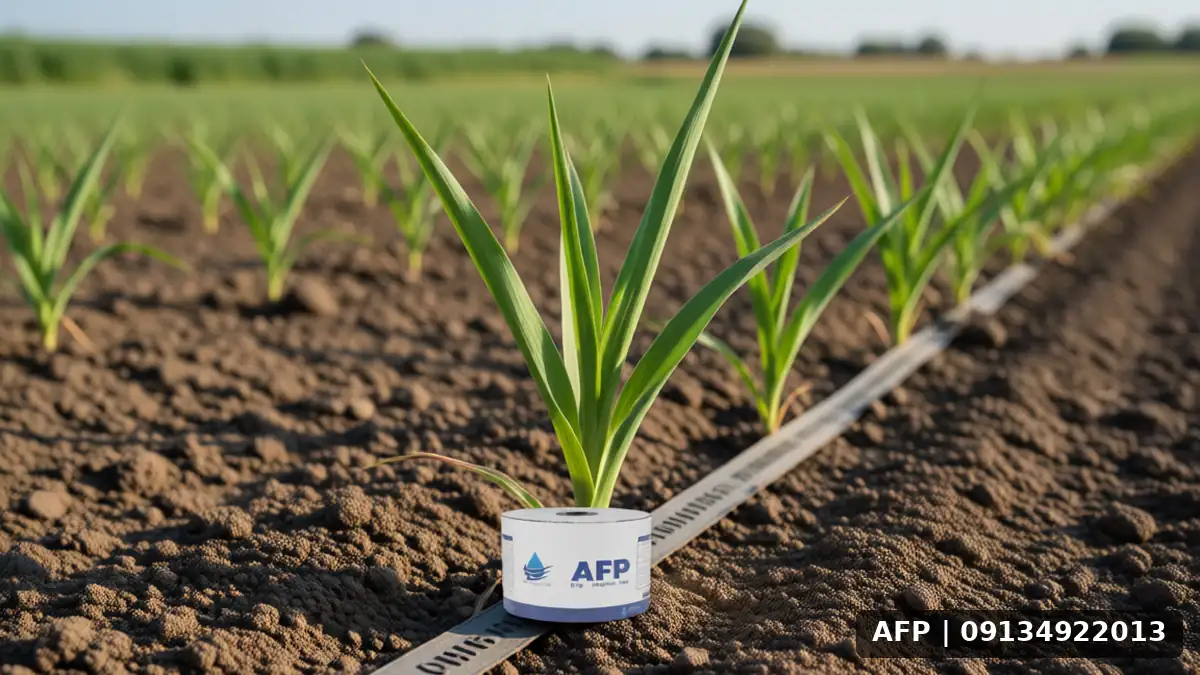
- Appropriate filtration: Small droplets in drip lines clog quickly. Using an appropriate filter (such as a disc or screen filter) with the correct precision prevents clogging in the emitters. Additionally, pre-treating the water before it enters the system ensures that mineral deposits do not hinder uniform water flow.
- Precise system pressure regulation: Excessive pressure can damage the lines, while insufficient pressure results in uneven water distribution. Due to the specific characteristics of chives, the optimal pressure must be determined through field testing. A study Water pressure measurement for drip lines can be helpful in this regard. Pressure stability ensures that water is delivered uniformly to plants along the entire length of the line.
- Irrigation Management Based on Growth Stage: Water requirements for chives vary across different growth stages. During initial establishment, water needs are lower, but they increase during the flowering and root formation stages. The irrigation schedule must be adjusted based on daily requirements and rainfall intensity. Weekly monitoring of soil moisture using simple tools is the key to success at this stage.
- System Flushing: At the end of the growing season, proper flushing of the irrigation system prevents the accumulation of sediment and harmful substances and extends the service life of the tape lines. The use of suitable flushing solutions is recommended at this stage. For a better understanding of the flushing and cleaning process, you can draw inspiration from potato drip tape principles, which has a similar structure to chives. This maintenance reduces the cost of replacing tapes in future seasons.
Comparison of Drip Irrigation with Traditional Methods in Chive Cultivation
To clarify the advantages, we provide a quick comparison that illustrates the fundamental differences between these two methods:
Although the initial cost of a center-pivot system is higher, economic returns are realized in the first few seasons due to reduced labor, water, and fertilizer expenses. For those new to this field, reading heavy naval type can provide ideas on auxiliary equipment needed for more complex systems. Investing in a high-quality system guarantees high performance in future seasons.
Frequently Asked Questions (FAQ)
Is center-pivot irrigation suitable for leek cultivation in all climates?
Center-pivot irrigation is ideal for arid and semi-arid regions. In humid areas, greater attention must be paid to drainage management to prevent root waterlogging, though the general principles of center-pivot irrigation still apply. In regions with high rainfall, reducing irrigation frequency and increasing water infiltration depth is a better strategy.
When should we use micro-tube instead of point drippers for leeks?
Micro-tubes are more common when row spacing is uniform and plants are sown along the lateral line. For leeks, which are usually planted in dense rows, micro-tubes are the better choice. However, if planting is indirect, point drippers may be more suitable. Selecting the correct type of dripper directly affects irrigation uniformity.
Does in-furrow fertilizer application cause chemical interaction with onions?
No direct chemical incompatibility has been reported; however, avoid using concentrated mixes, and ensure the system flow rate is compatible with the maximum drip rate of the drip line manufacturer. Always consult the drip line manufacturer’s guide. Monitoring the pH of the fertilizer solution ensures that nutrients remain available for root uptake.
Conclusion
Central pivot irrigation for onion cultivation is not only a water-saving tool but also a pathway toward precise, sustainable, and more profitable agriculture. Considering the benefits, such as reduced water use, increased fertilizer efficiency, and uniform crop quality, investing in this system can be an effective step for any farmer. It is recommended to consult a technical expert in local agriculture before starting to select the optimal system suited to your land. By understanding central pivot irrigation principles and following practical guidelines, you can maximize your onion yield and secure a share of the high-quality produce market. This approach paints a picture of a green and high-yielding future for the agricultural sector.
Related articles: Agricultural flexible pipe