Center Pivot Irrigation for Chelata Cultivation: Key Considerations
Introduction to the Importance of Central Irrigation in Canola Cultivation
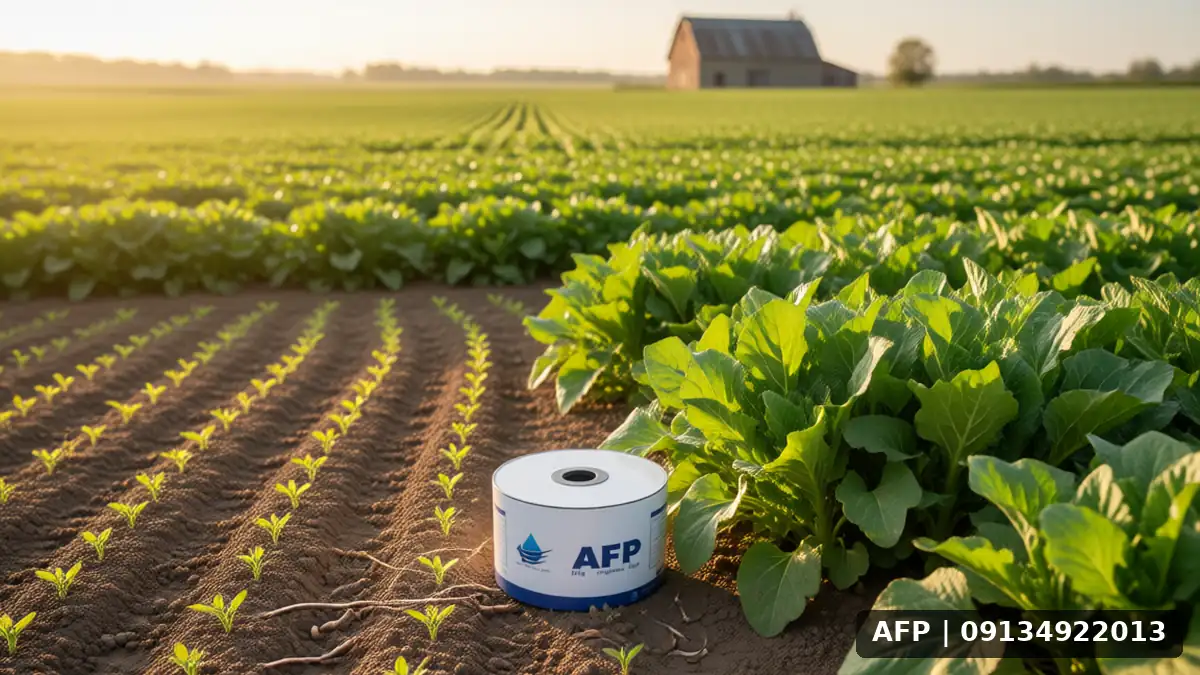
Canola (Canola) is a high-value oilseed crop that requires precise water resource management for optimal growth. In recent years, the method of central irrigation has been recognized as a more efficient method compared to traditional techniques due to its ability to distribute water evenly around the roots. This method creates an irrigation ring around the tree or shrub, keeping the primary roots in a moist environment and facilitating vertical plant growth. To succeed in canola cultivation using this method, a mutual understanding of drip irrigation and drip tape principles is essential to prevent water waste and yield reduction.
The use of drip tape systems alongside centralization principles can address challenges related to uneven water distribution. In this section of the article, we will examine how combining these technologies can maximize yield per hectare.
Fifty Key Points in Central Irrigation of Canola
Selecting the Appropriate Drip Tape
One of the main challenges in central irrigation is selecting the appropriate material and thickness of the tape. For canola cultivation, which has a critical water requirement during the flowering season, drip tapes with optimal wall thickness demonstrate greater resistance to system pressure. It is recommended to use Appropriate wall thickness for drip tape Use these specifications to prevent potential ruptures caused by gophers and mechanical pressure. Additionally, the type of emitter orifices in the tape must be considered to ensure water is directed toward the center (axis) of the crop.
Impact of terrain on drip tape performance
The planting bed also plays a critical role in the performance of the tapes. If the land has an inverse slope, the likelihood of water accumulation and root suffocation in the central axis increases. In this case, understanding the importance of topography on drip tape and poly pipes helps ensure that appropriate grading modifications are made to the planting surface before system installation. Proper grading guarantees that water pressure remains consistent throughout the length of the tape and that central-axis irrigation is executed correctly.
Pressure management and main lines
In central-axis irrigation, water pressure at the beginning of the line is typically higher than at the end. This pressure differential can cause plugging in the drip tape. To prevent this, regulating water input and selecting the appropriate main line size are essential. Consulting with specialists to assess water withdrawal per hectare and align it with the irrigation system’s capacity is a fundamental step to prevent clogging of the tape’s emitters.
Optimizing Efficiency per Hectare
The ultimate goal of centrifugal irrigation is to boost crop yields. With superior water distribution at depth and around the root zone, Comalina glasshouses reach maturity faster. The precise engineering of the system, including proper pipe spacing, directly impacts the water application rate per hectare. Farmers who adhere to standard radial irrigation and drip tape principles typically observe healthier root growth and increased crop resilience to water stress.
Differences Between Drip Tape and Drip Lines in This Crop
Centrifugal irrigation is often implemented with drip tape, which is easier to install and collect. In contrast, fixed drip lines are more durable but require a higher investment. For oil crops like Comalina with short to medium production cycles, combining radial principles with drip tape is generally more practical. Reviewing the components of the drip system and the drip tape can help you identify the necessary spare parts and fittings for your radial system.
Practical Execution and Maintenance Tips
Proper Installation in the Radial Zone
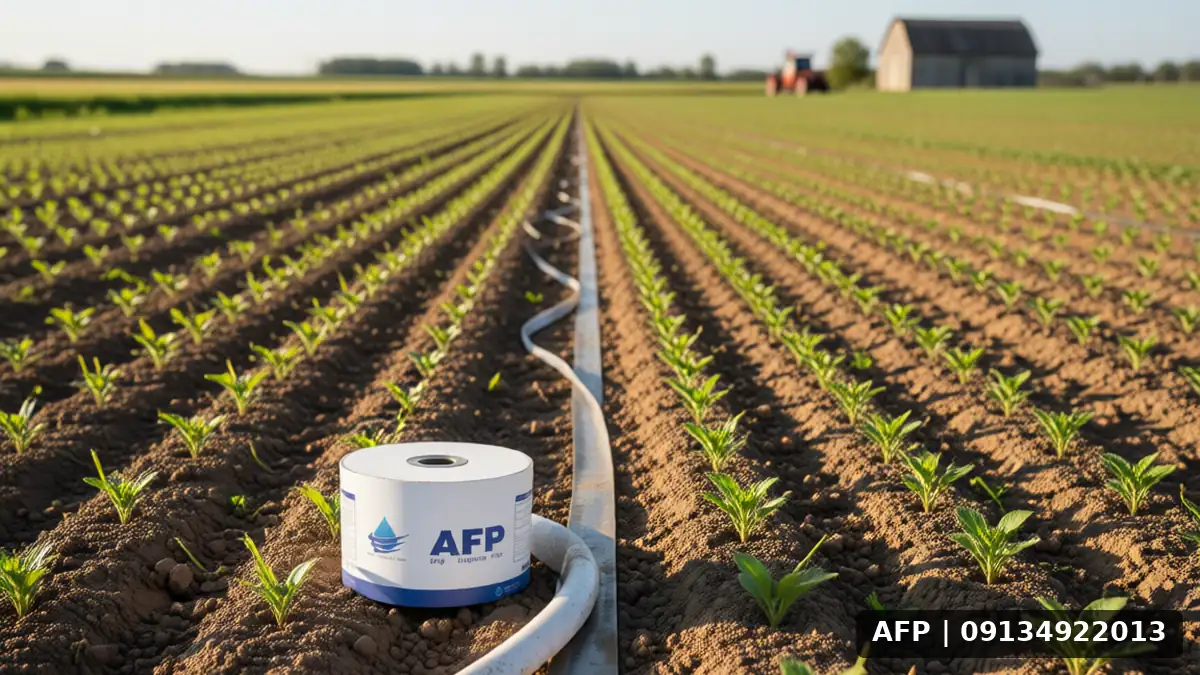
To achieve a radial effect, the drip tape must be installed so that the water-emitting rings encircle the plant. This requires careful measurement of the radial radius. If the radial radius is too short, the main roots will be encouraged to grow vertically; if it is too long, the plant’s energy will be spent on lateral root spread. For Comalina, a radius between 15 and 25 centimeters from the root zone is generally ideal. Always activate the system before burying the tape to ensure uniform droplet distribution.
Cleaning and Flushing
Tape lines are self-cleaning, but dust or sediment can block the small holes. Therefore, a regular flushing schedule at the start of each irrigation cycle is essential. It is recommended to open the end cap of the line to flush suspended particles outward with high pressure. This process extends the useful life of the tape and prevents failure of the central system.
Optimizing Crop Yields
Center pivot irrigation is not limited to water management alone; it also involves precise management of light and temperature. Plants grown with center pivot and standard tape irrigation generally exhibit better grain quality. Although the discussion on yield focuses on grain crops, these principles also apply to oilseed crops. Reading articles such as Guide to the Full Circle Yield per Hectare helps you adjust your expected figures according to your local climate conditions. Combining correct center pivot irrigation with this data creates an optimal management strategy.
Frequently Asked Questions (FAQ)
Is radial irrigation suitable for all kale varieties?
Yes, but considering biological differences. Some varieties are drought-tolerant, where radial irrigation can reduce their stress. In varieties sensitive to high humidity, the intensity of radialization should be lower. Adjusting the infiltration rate of drip tape based on the variety type is the key to success.
What is the difference between conventional drip tape and radial tape?
Radial drip tape (Radial Drip Tape) has special wings that distribute water outward (or inward, depending on design). In the radial method for kale cultivation, using winged tapes that adjust the distribution pattern based on radial geometry is superior to conventional straight tapes.
How can I prevent clogging of drip tape?
In addition to regular flushing systems, using uniform filters and adding anti-scale agents to the prepared water solution is one of the primary methods. Also, avoiding the use of tapes with inappropriate wall thickness reduces the risk of rupture and the entry of larger particles.
What is the impact of the radial method on production costs?
In the long term, costs decrease because water and pump energy consumption is optimized. Although drip tapes are single-use, they require less labor due to faster installation and removal. This reduction in operating costs typically offsets the initial investment within 1 to 2 years.
Conclusion
Center pivot irrigation for full-sun sunflower cultivation is a modern and efficient approach that requires a combination of planting knowledge and irrigation engineering. By selecting the correct drip tape, accounting for ground slope, and adhering to maintenance principles, you can increase your oilseed yield while promoting conscious water use. The final recommendation is to always consider local data and your specific farm conditions. There are no one-size-fits-all irrigation systems; rather, adaptation to local conditions guarantees success with drip and tape technology.
Related Articles: Price of D984DB8C flat pipe