Carrot Yield per Hectare Using Tiphon Tapping System: A Comprehensive Technical Guide for Farmers
Introduction: The Key Role of Drip Lines in Increasing Carrot Yield
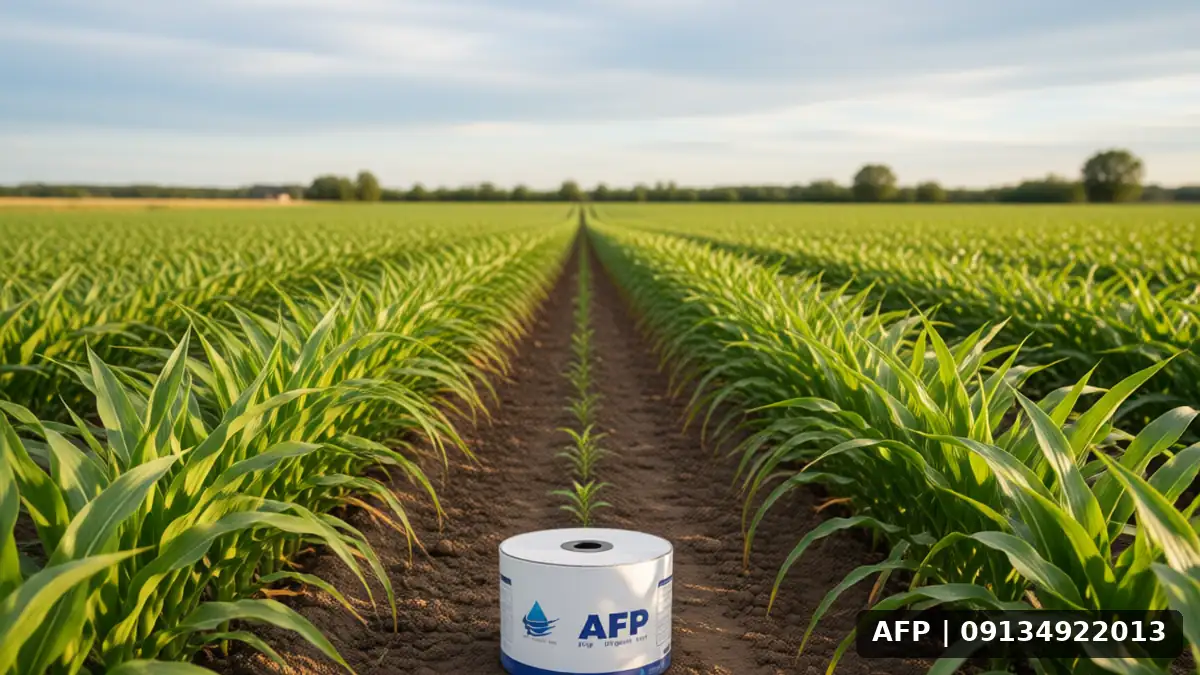
Carrot is one of the most important summer and autumn crops that requires regular and precise irrigation due to the rapid growth of its taproots. A major challenge for farmers is achieving an average yield exceeding 40 tons per hectare. Using a drip irrigation system, one of the most efficient methods, ensures uniform moisture distribution in the root zone, directly impacting crop volume and quality. In this section of the article, we examine the direct relationship between water management and carrot yield per hectare using drip irrigation. This system enables denser planting by reducing water waste and increasing efficiency, ultimately leading to higher output per unit area. Additionally, precise control of soil moisture reduces physiological plant stress, resulting in larger, well-formed roots that enhance commercial quality. Therefore, understanding the operational mechanisms of this system and how it aligns with carrot biology is the first step for farmers aiming to optimize performance.
Prerequisites for Increasing Carrot Yield per Hectare with Drip Irrigation
Correct Selection of Pipe Type and Emitter Spacing
To achieve maximum efficiency, selecting the appropriate drip tape with groove spacing of 208 millimeters or 308 millimeters is critical. Carrots are sensitive to moisture variability; therefore, using drip tapes that align with the planting row spacings is essential. If the row spacing is 50 centimeters, the drip tape must be placed exactly midway between two rows or on the row (depending on the Mazani planting method) to ensure optimal moisture coverage. To learn about the physical properties of each tape type, you can refer to the physical properties and drip tape specifications. The selection of pipe wall thickness also affects service life and resistance to water pressure. Pipes with a larger diameter are generally recommended for farms with slopes or higher inlet pressures to prevent additional pressure loss. Additionally, high-quality polyethylene material with UV stability undergoes less degradation in direct summer sunlight, which directly impacts the stability of the irrigation system and, consequently, the consistency of the annual harvest.
Utilizing the principles of higher-density planting
One reason for reduced carrot yield per hectare with drip tape is inappropriate seed spacing. Despite having a drip irrigation system, it is possible to plant at closer in-row spacings because the plants will not face water deficiency. It is recommended to adjust the seed spacing to between 15 and 20 centimeters. This increases the number of plants per unit area, resulting in an increase in harvestable marketable produce. For comparison with other vegetables, you can refer to the guide Carrot seed rate and other vegetable seed rates per hectare Check this. Maintaining adequate plant spacing allows sunlight to reach the ground, reducing evaporation while roots absorb nutrients from the moist zone of the drip line. This balance between light and moisture is key to producing roots that lead the market in both size and color quality. Additionally, dense planting suppresses weed growth, which are major competitors for water and nutrients.
Irrigation and yield prediction management with drip tape
Scheduling alternating irrigation
To maintain carrot quality and prevent root splitting, irrigation should be performed at intervals of 1 to 2 days (depending on ambient temperature and soil depth). Proper leaching management prevents water waste. Low-pressure drip systems require precise pressure regulator valve settings. Adherence to principles Key drip irrigation tips helps prevent emitter clogging and pressure loss, ensuring uniform performance throughout the field. Irrigation timing is critical; watering during hot hours causes plant heat stress, so early morning or evening is preferred. Monitoring soil and air temperature with simple tools allows the farmer to adjust water dosage precisely according to daily plant needs. This scheduling flexibility is a significant competitive advantage over conventional methods.
Direct impact of uniform moisture on root weight
Studies show that carrots grown under uniform moisture conditions can yield up to 15% higher net weight compared to surface irrigation. This increase directly impacts carrot yield per hectare using drip tape. In addition to weight, fruit shape and color are also better preserved. For sustainable farming and cost reduction, Cultivation cost per hectare calculate simultaneously with improved performance to assess profitability. Economic analysis indicates that saving water and reducing losses from asymmetrical root development will gradually lower the break-even point for initial drip tape system costs. Additionally, reduced need for herbicides due to faster crop canopy cover is an indirect benefit that positively affects annual net profit.
Drip tape troubleshooting and resolving issues during the season
Chemical and biological clogging
Using chemical pesticides and water-soluble fertilizers in drip tape requires adherence to specific protocols. Salt deposits or fungal and algal growth can reduce water flow from each emitter. Any significant decrease in water flow at the start of the line compared to the end indicates clogging. To prevent this, using specific flushing agents and suitable filters is essential. Pay attention to the importance of field and polyethylene pipe inspection before the planting season, which is key to proper drip tape maintenance. Periodic inspections include flushing suspended particles from the water source, cleaning filters, and checking connections. If water discoloration or sediment on filters is observed, the water source should be investigated for contamination. Preventing these issues stops water flow blockages at the end of lines and performance drops in the far ends of the field, which can cause noticeable yield differences.
Proper maintenance and extended useful life
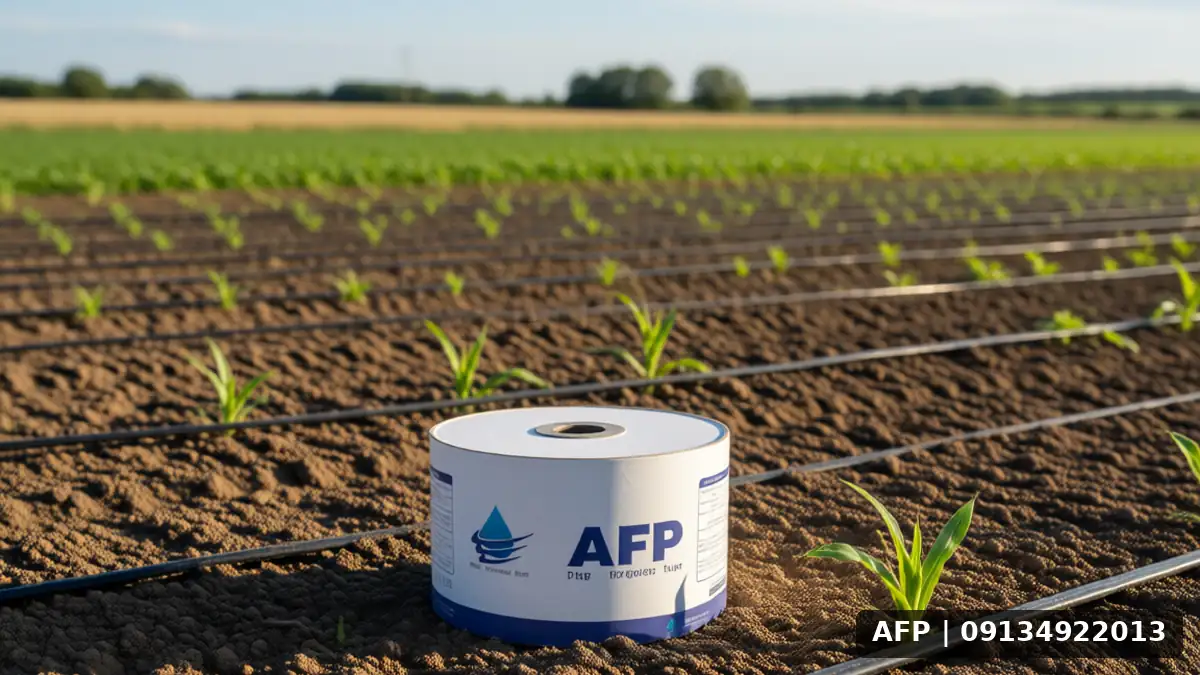
At the end of the harvest season, the drip tape must be carefully collected and cleaned. Exposing the tape to direct sunlight causes polyethylene degradation and reduces its usability in the following year. Storing the drip tape in a cool, dark location allows it to be reused up to three times. This can significantly reduce costs, especially as agricultural land area expands. To learn about planting and care principles for other vegetables, see the guide Goych planting amount per hectare The post-season cleaning process involves flushing cool water through the tube to remove fertilizer residue and sediment. Correct coiling and storage in dedicated bags prevent mechanical stress-induced micro-pore formation. This proper maintenance transforms the investment from a consumable expense into a capital asset with high returns over many years.
Frequently Asked Questions (FAQ)
Does using drip tape increase the cost per unit of harvest?
In the short term, the cost of drip tape and associated equipment may appear higher. However, considering the increase in average carrot yield per hectare using drip tape (up to 30-50%), reduced water consumption, and faster planting and harvesting operations, the final cost per unit of production decreases. Additionally, the quality of the produce, characterized by healthier roots, typically commands a higher market price. A cost analysis per kilogram of production usually demonstrates the higher profitability of the drip tape method compared to traditional methods after two growing seasons. Reduced storage losses, achieved due to uniformity in root size and quality, are another positive economic factor.
What is the optimal planting depth for tape drip irrigation for carrots?
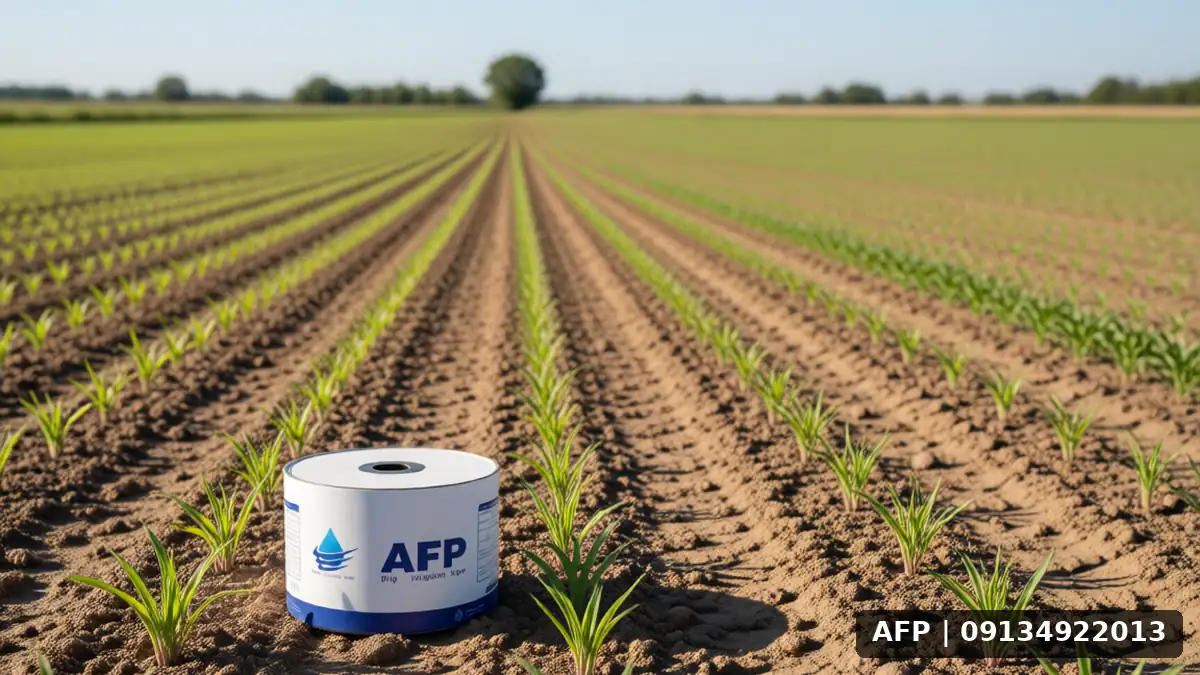
The planting depth for tape drip irrigation depends on the depth of the carrot’s taproot. It is recommended that the tape drip be placed at a depth of 5 to 8 cm from the soil surface. This depth allows the carrot roots to absorb moisture precisely and prevents the growth of non-edible sprouts. Correct arrangement of tubes and connections is critical; for more details, consult the comprehensive per-hectare planting guide. If the tape is placed too shallowly, moisture is lost through evaporation; if too deep, the delicate carrot roots may not reach it. Accurate depth adjustment using a ruler or tape marker along the row ensures that each slit is positioned uniformly and system consistency is maintained.
Conclusion: Key Drivers of Success
Achieving the maximum target for carrot yield per hectare with tape drip irrigation requires a combined approach. From selecting the correct tape type with appropriate slit spacing to managing water pressure and predicting crop moisture requirements, all factors must work in tandem. By following technical recommendations and adhering to practical planting density and proper tape maintenance tips, uniform, large, and high-quality roots can be harvested. This approach not only leads to increased net income but also plays a significant role in conserving valuable water and soil resources for future generations. Farmers who correctly implement these principles often report a significant improvement in the water-to-crop conversion ratio in their fields. Therefore, investing in a precision irrigation system is not merely an operational cost but a long-term strategy for sustainability and competitiveness in global markets. It is hoped that this guide will serve as a practical tool for you to achieve the maximum possible performance from your land.